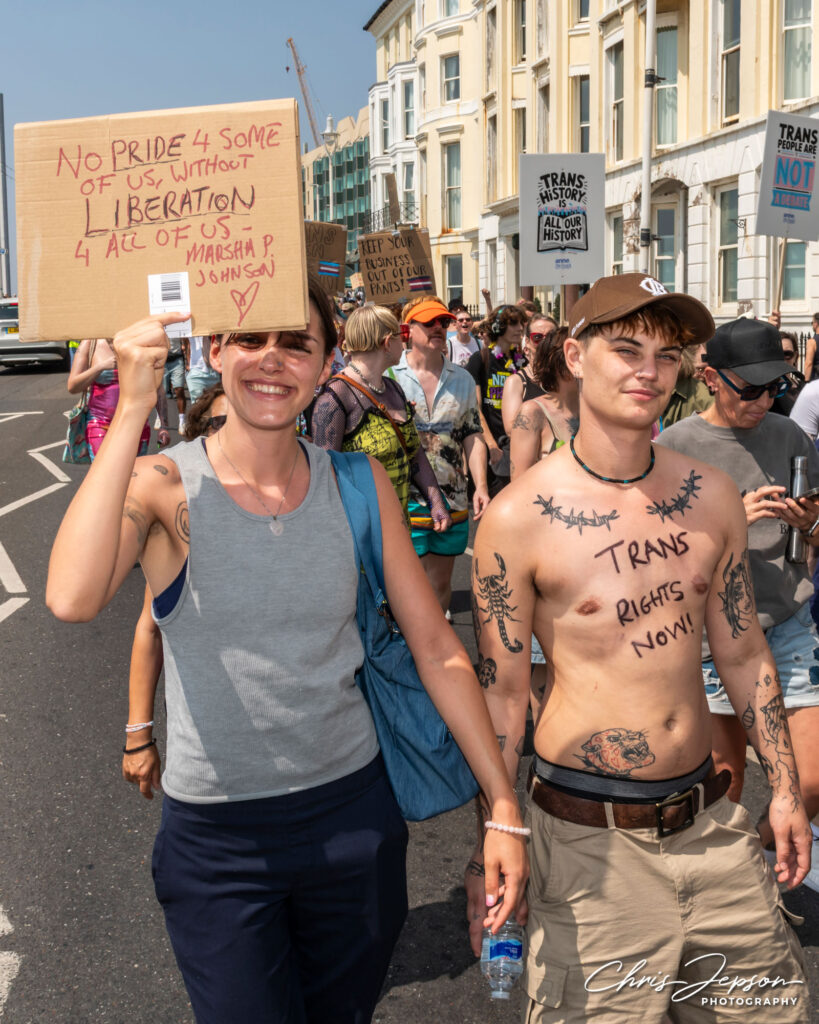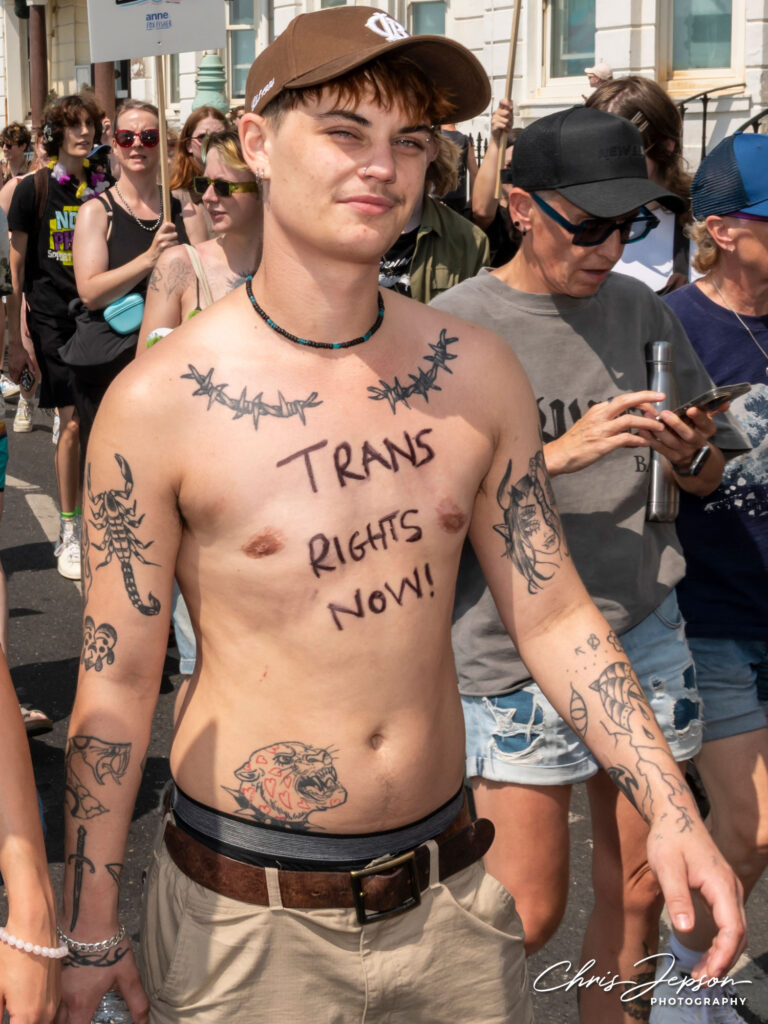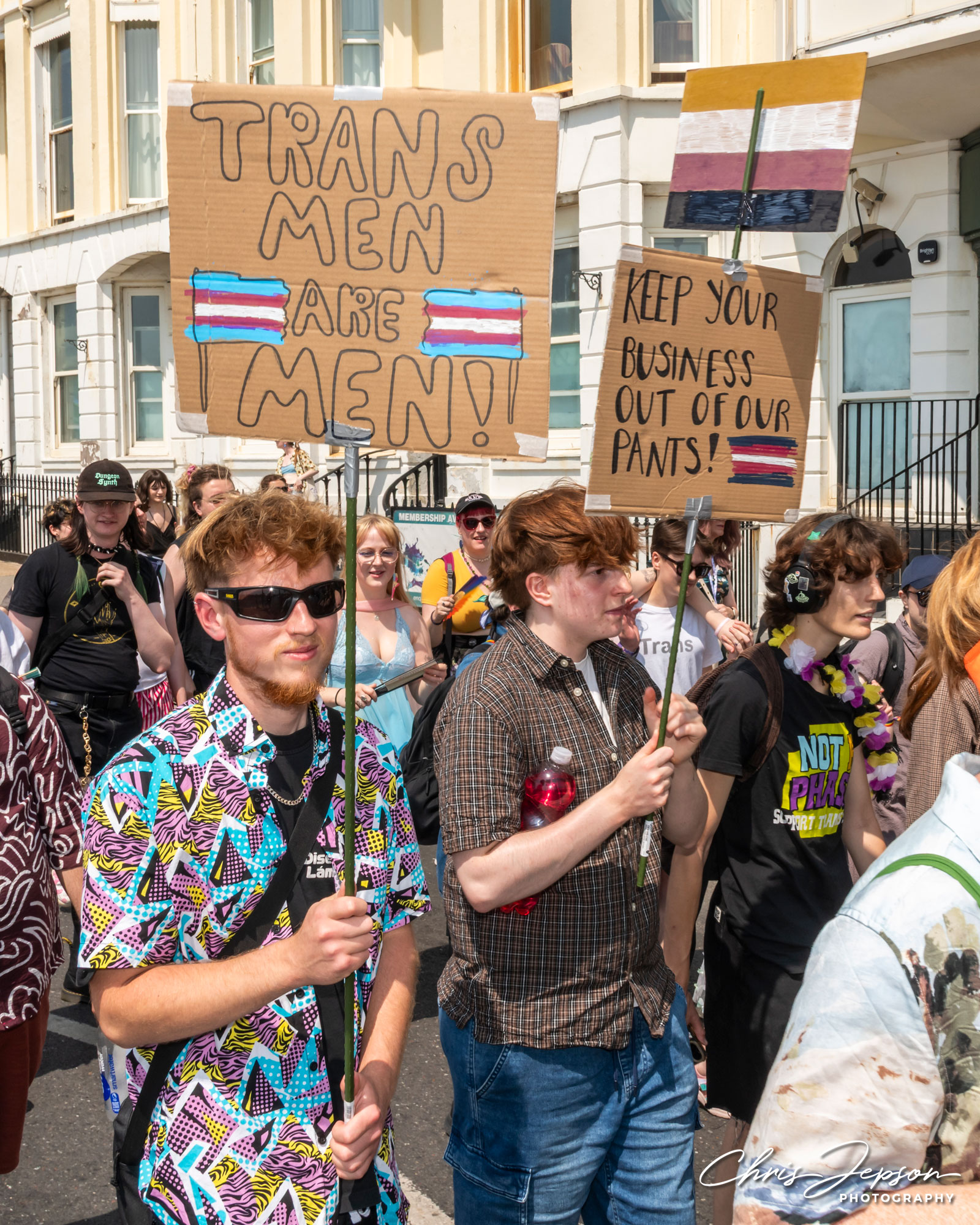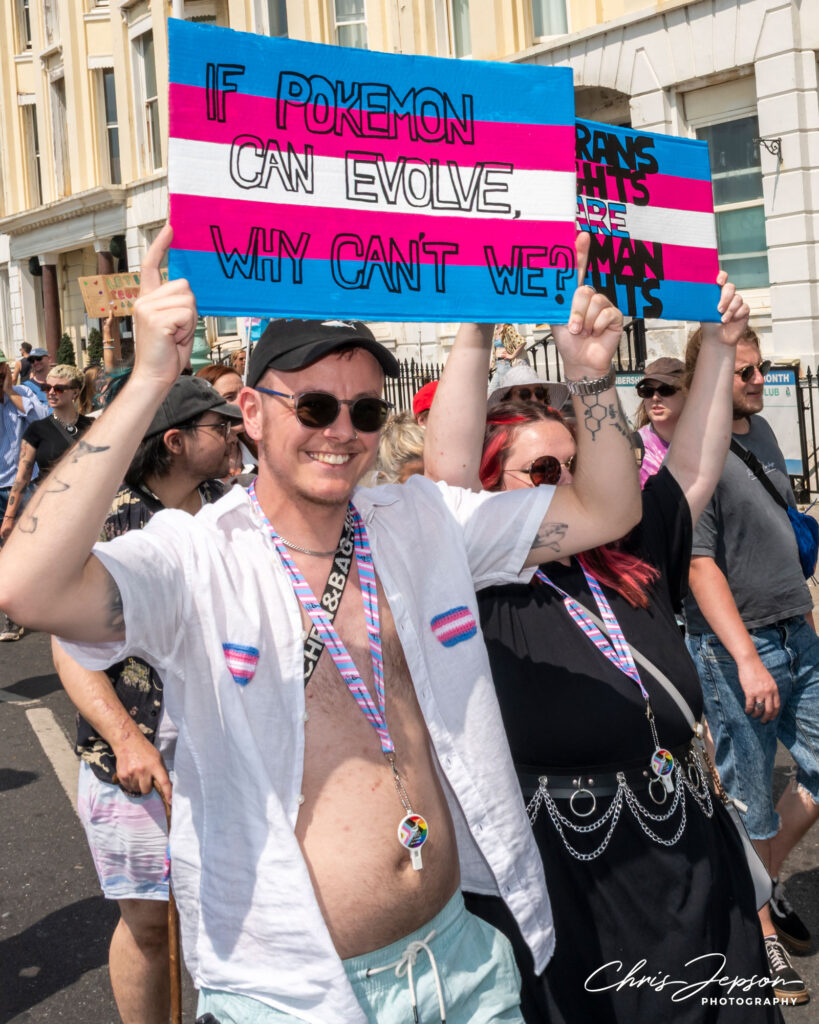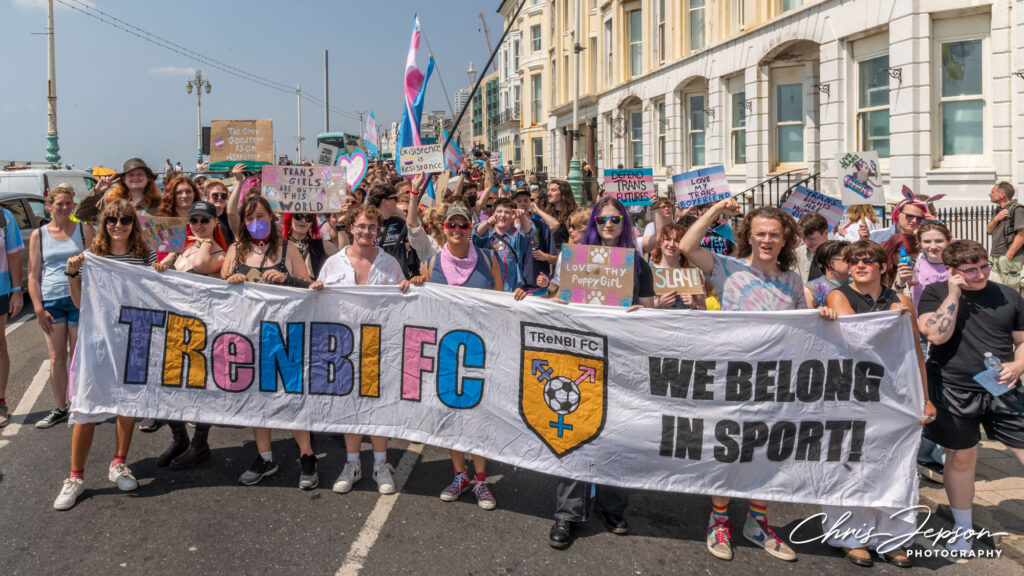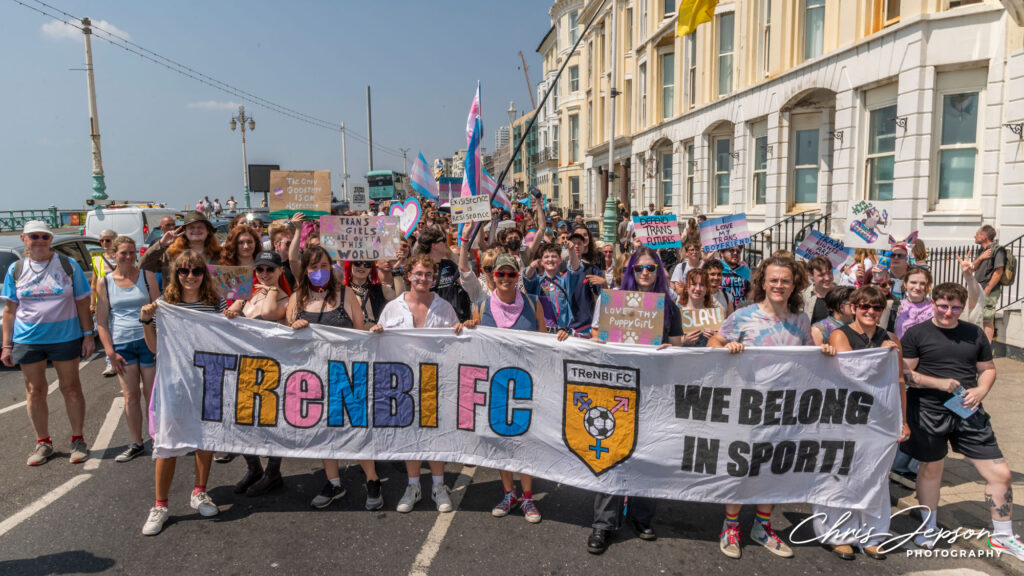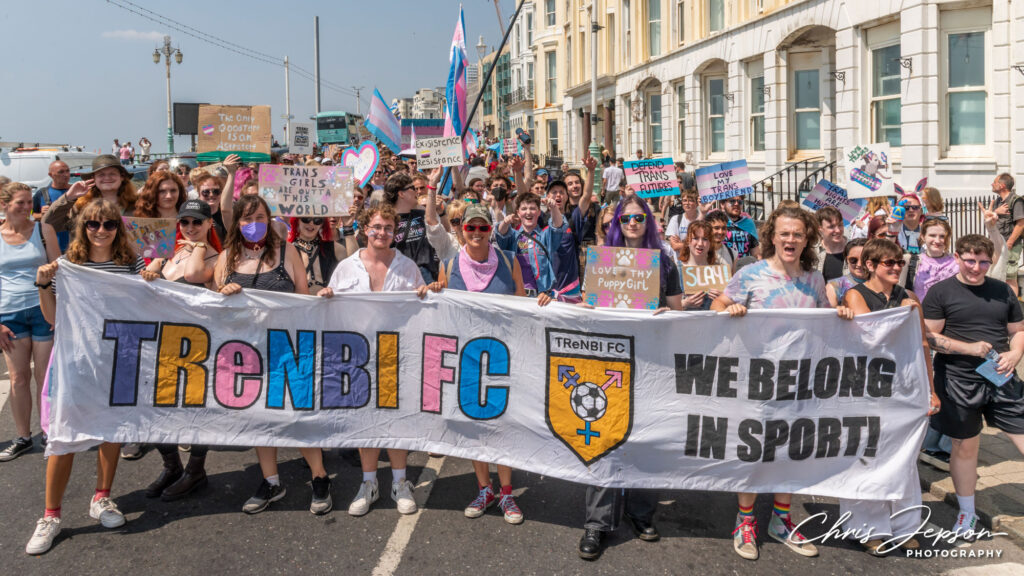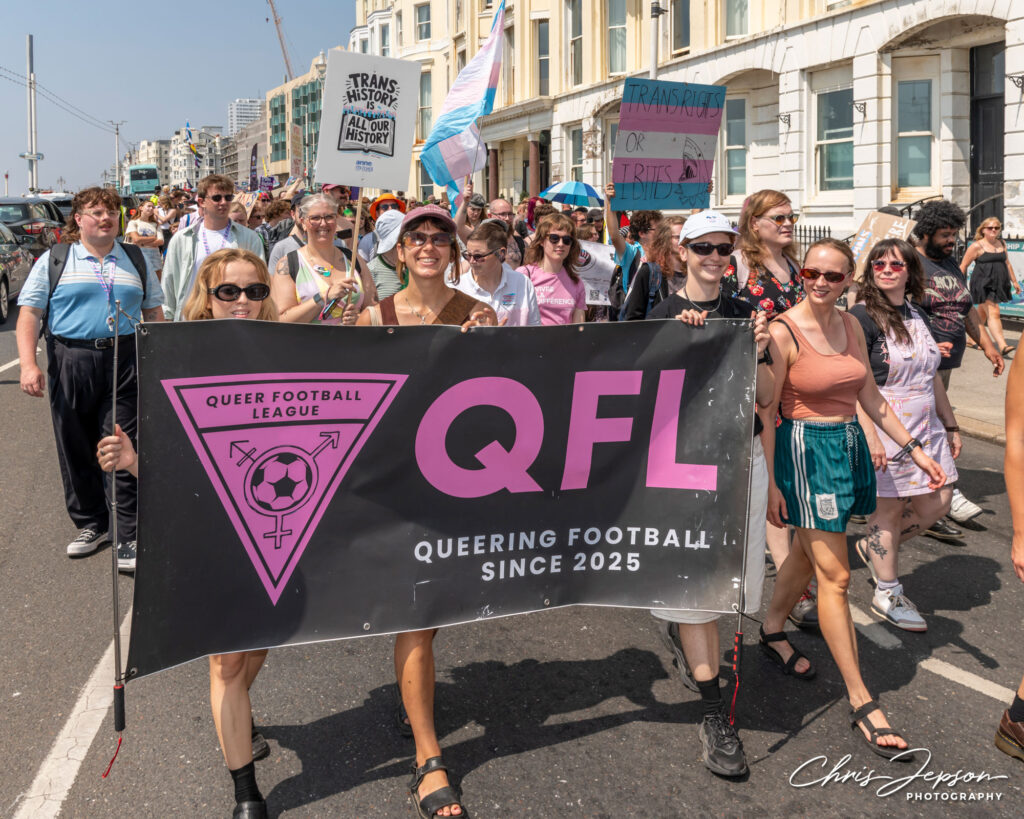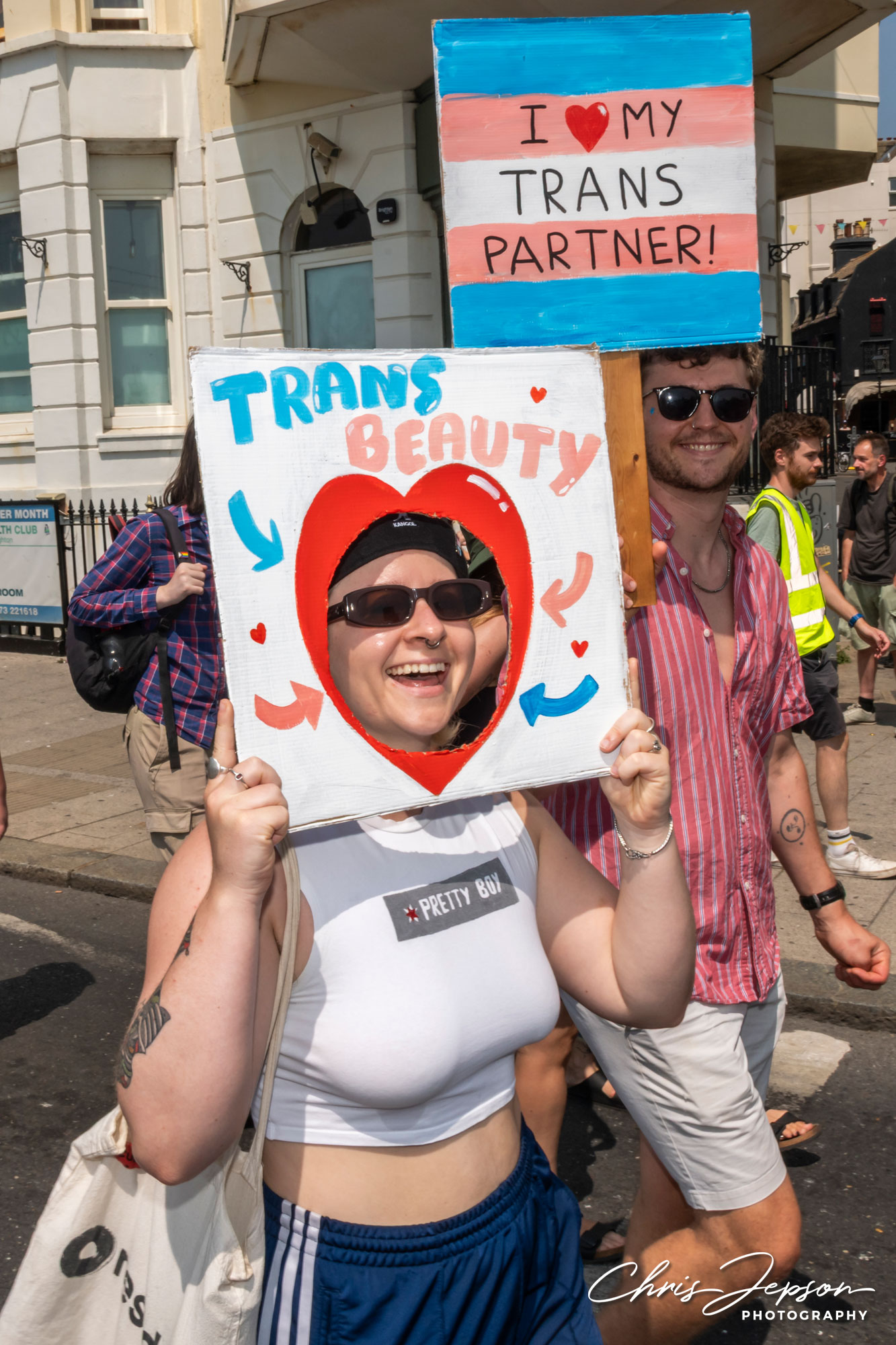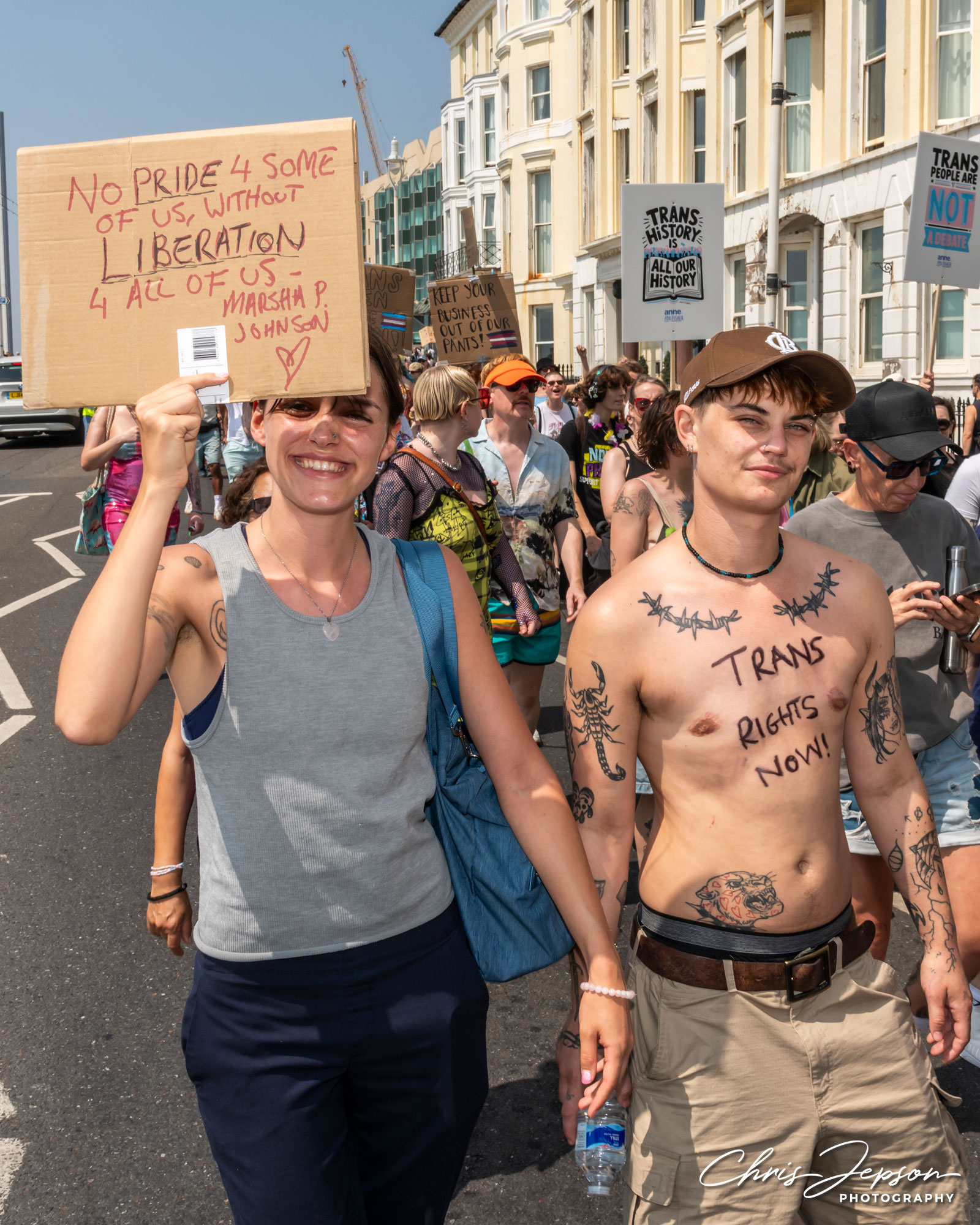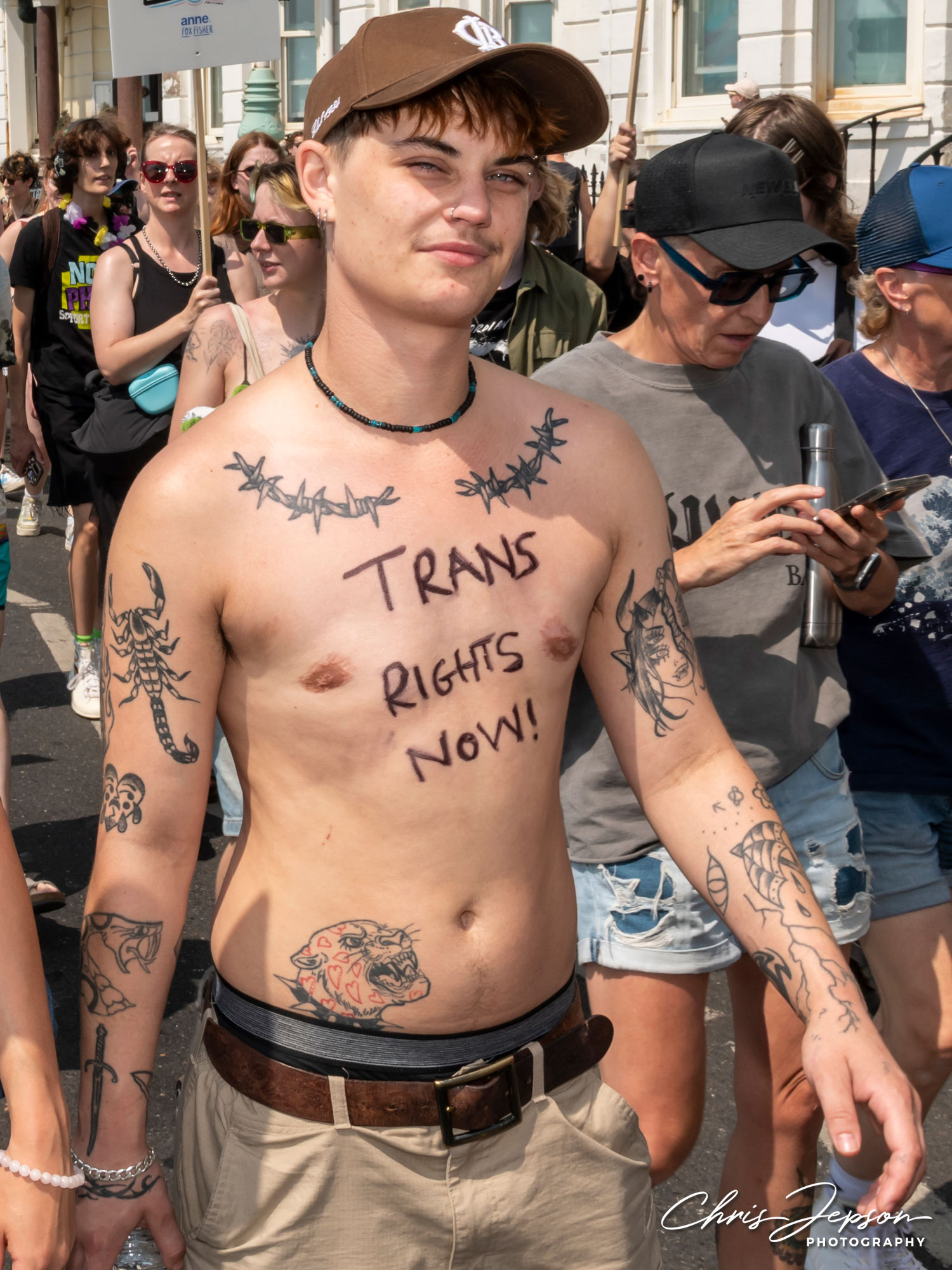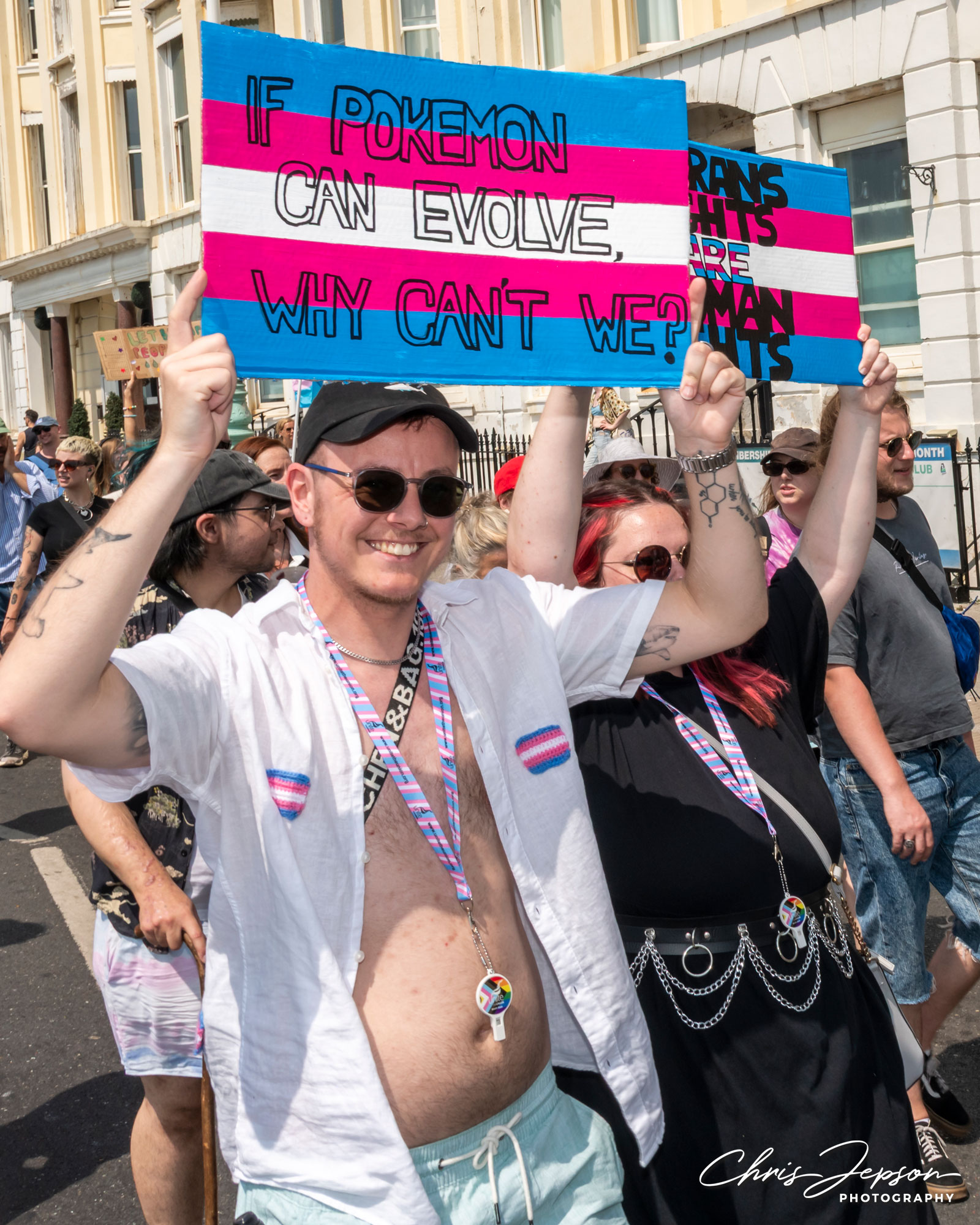
Brighton marches for trans liberation, again
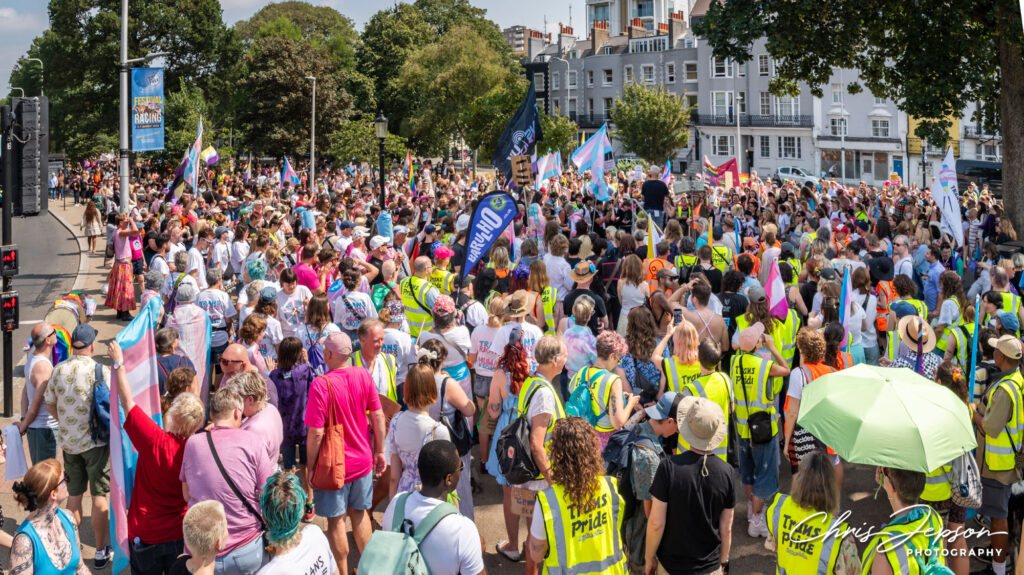
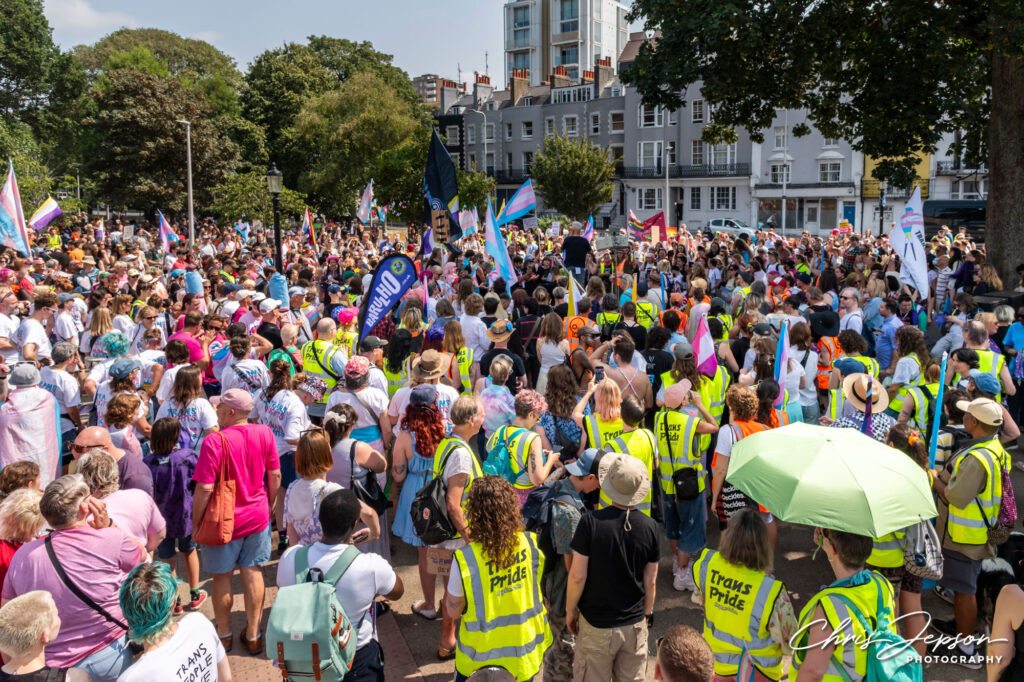
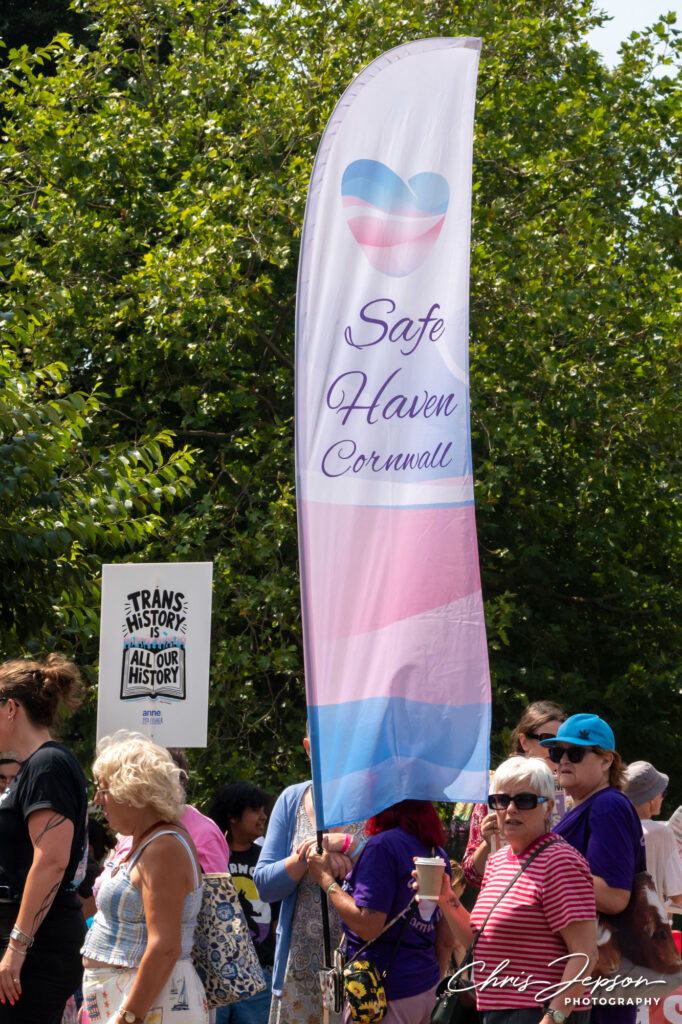
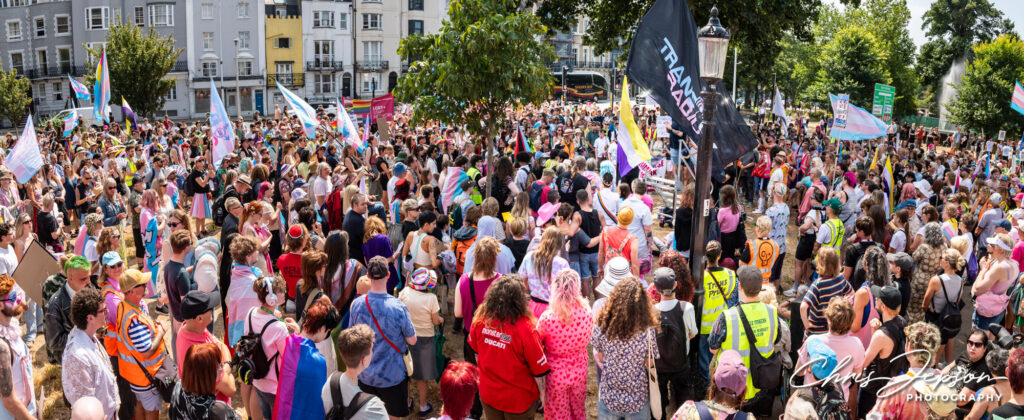
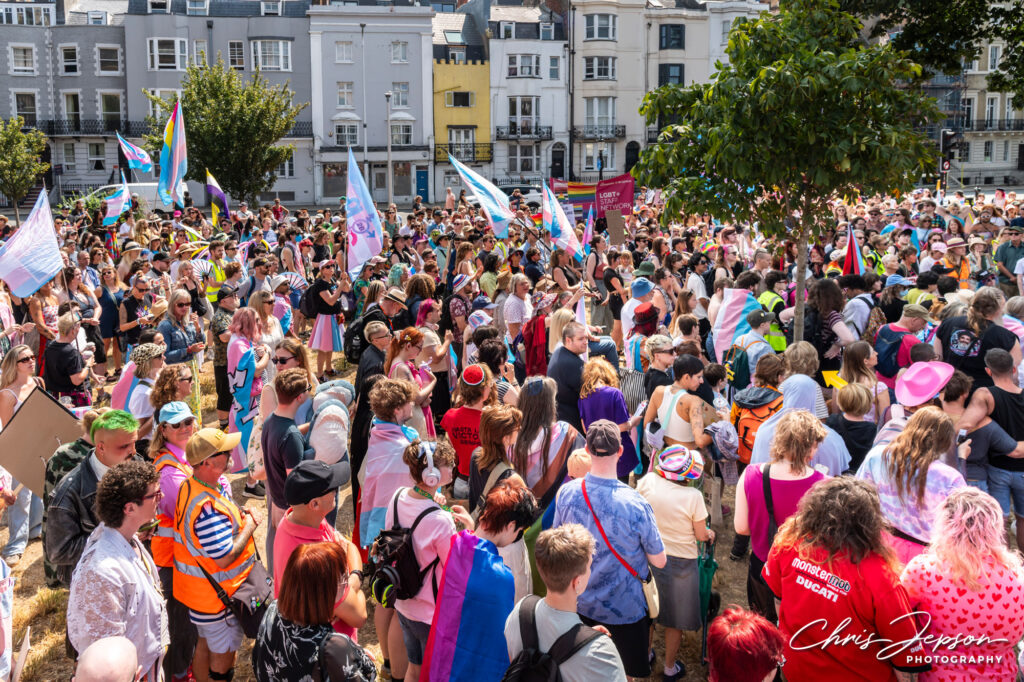
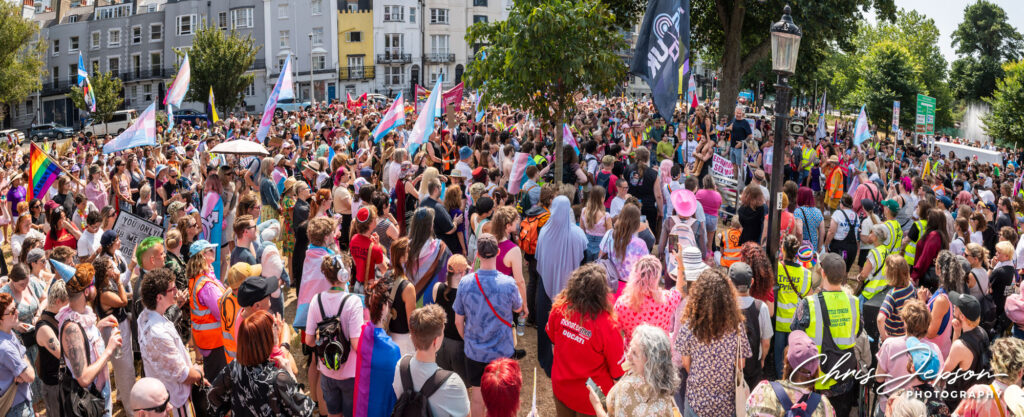
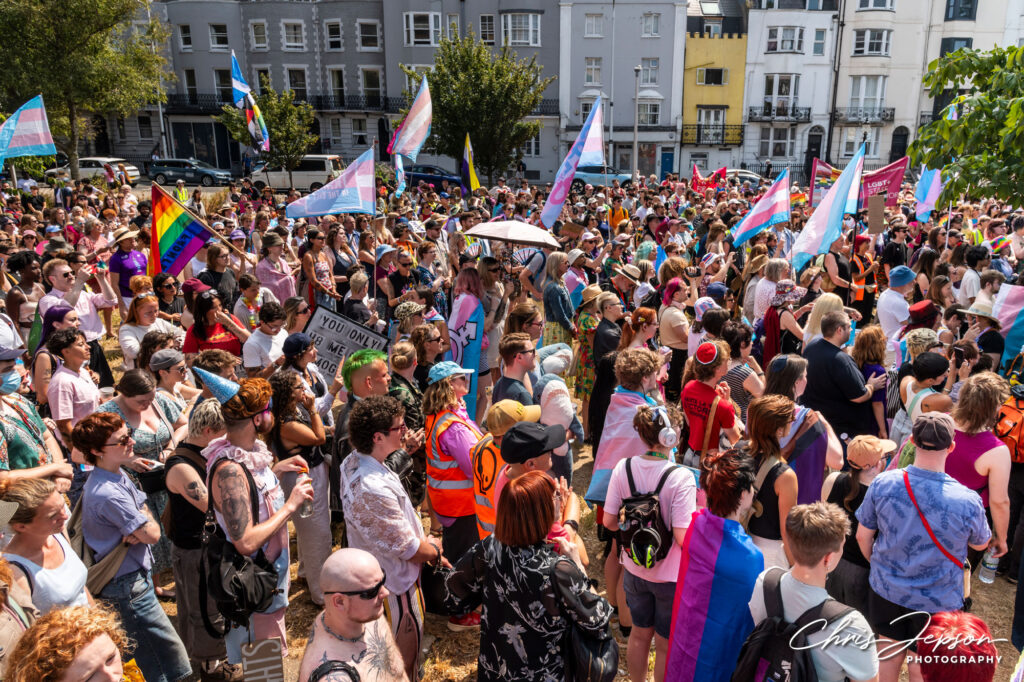
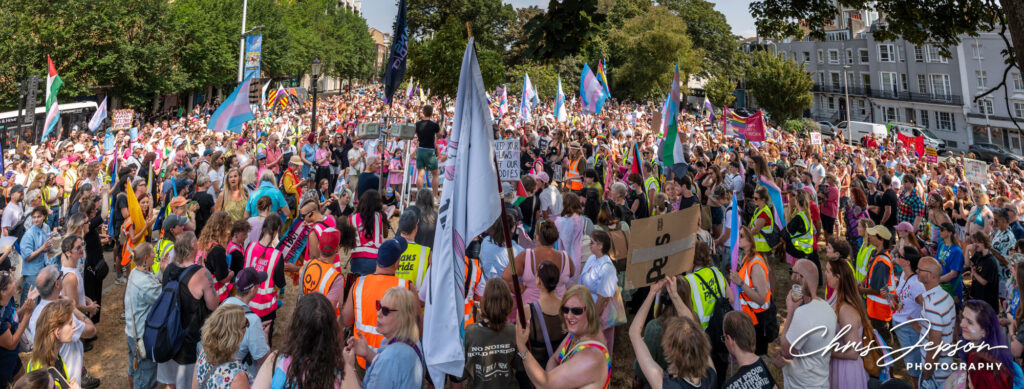
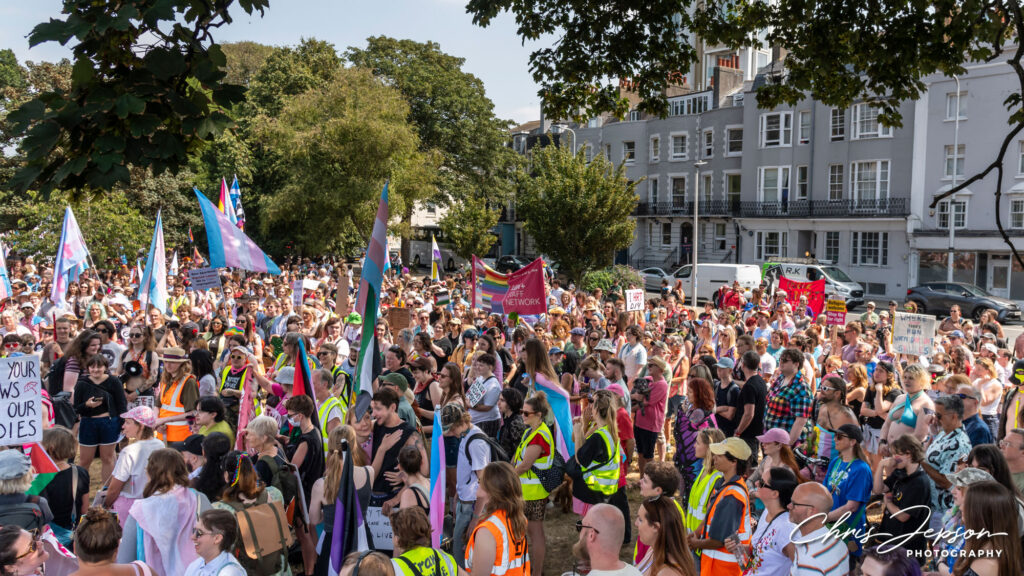
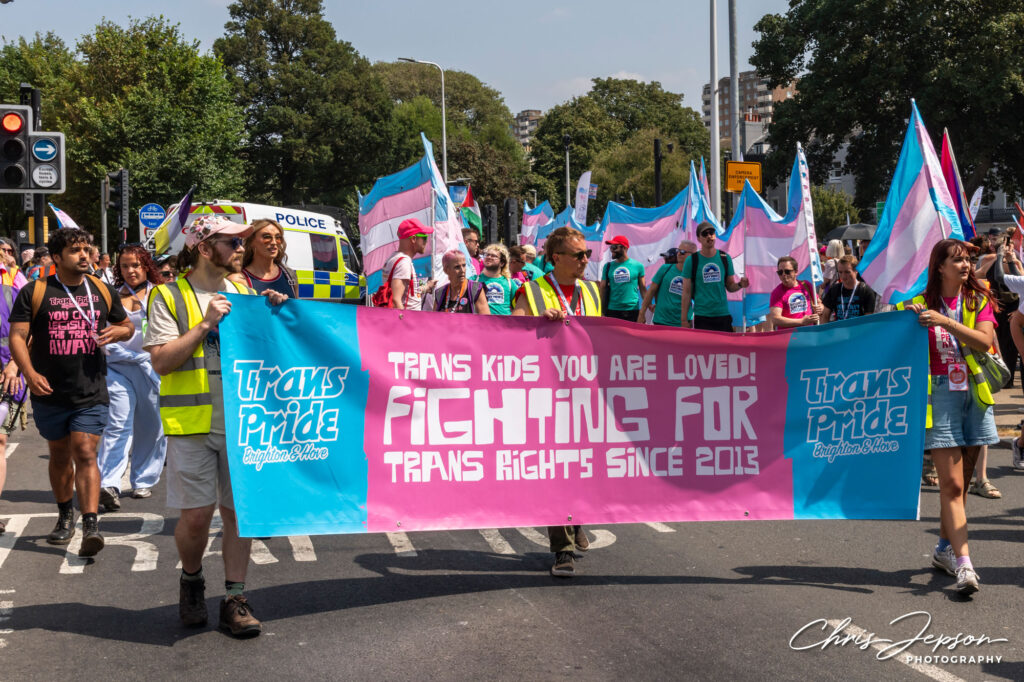
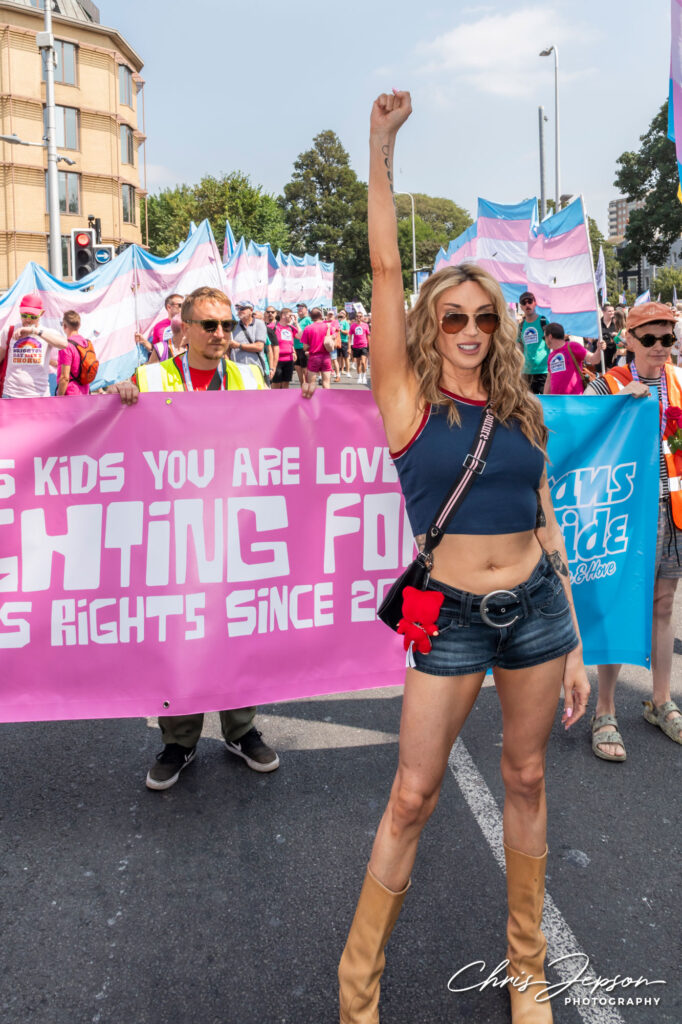
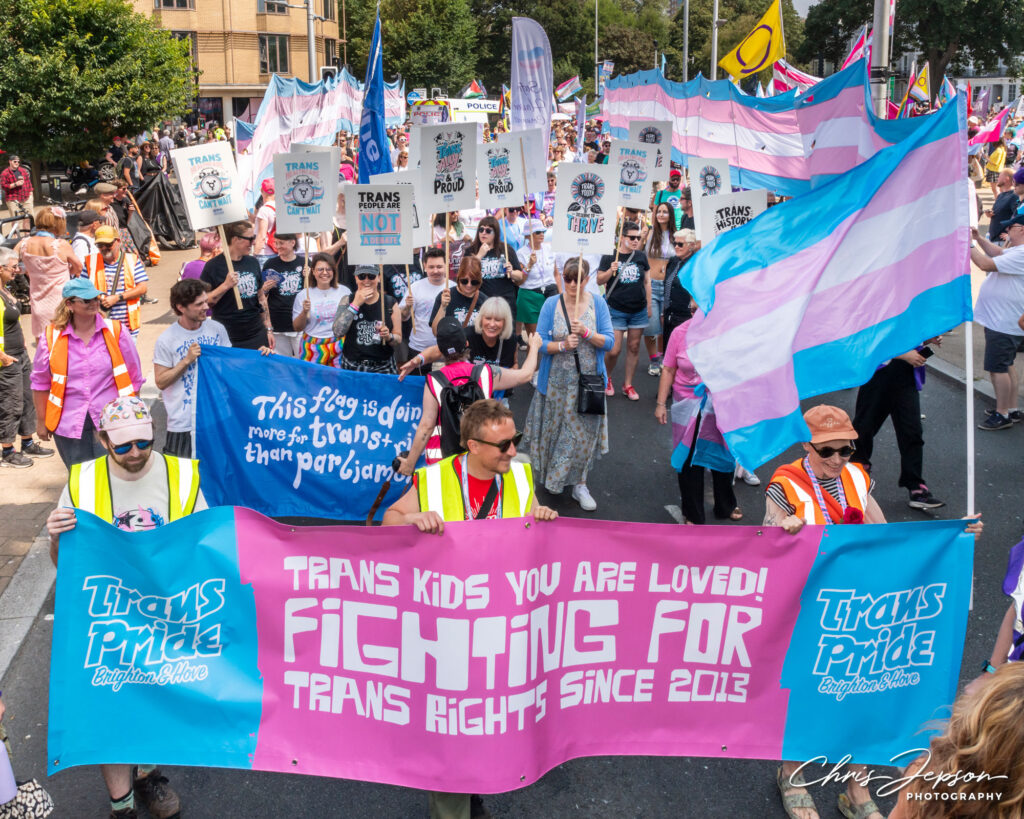
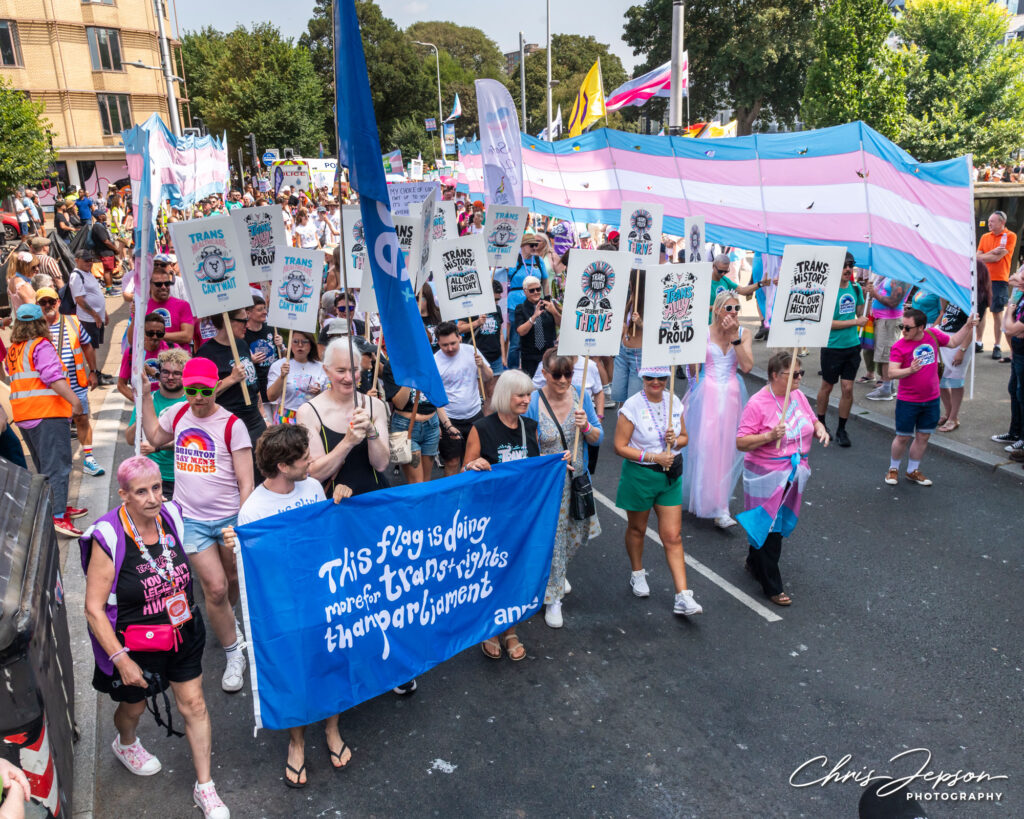
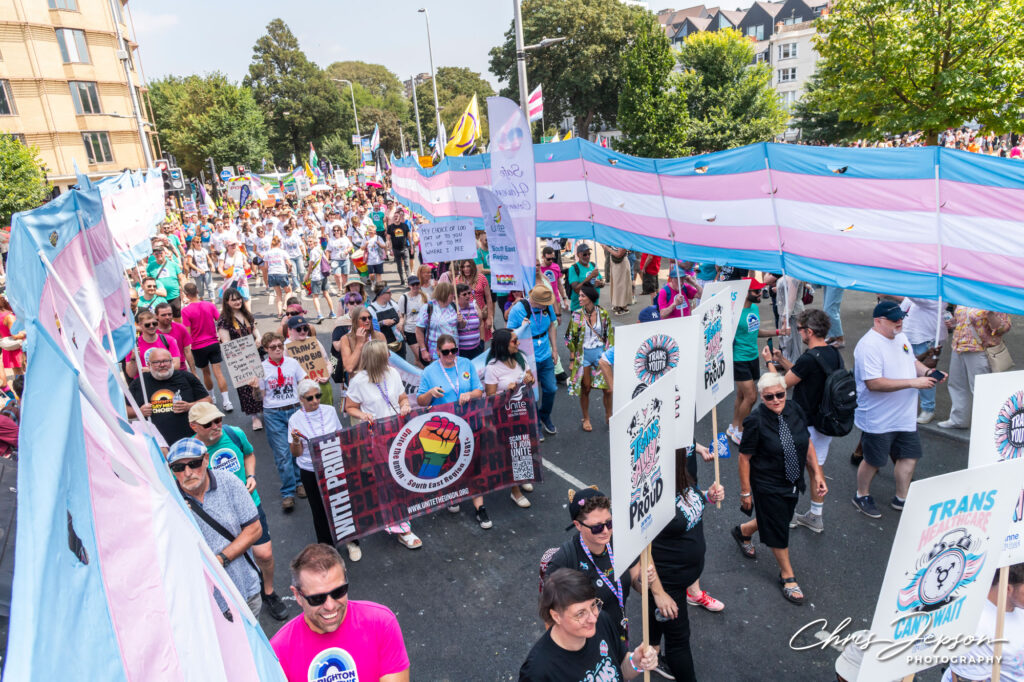
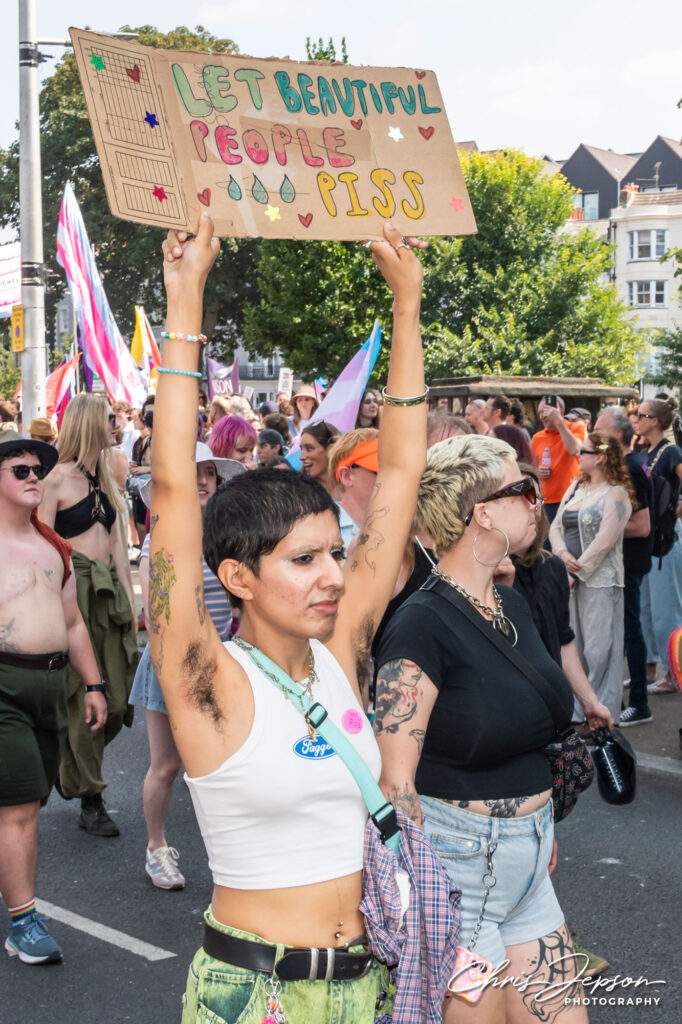
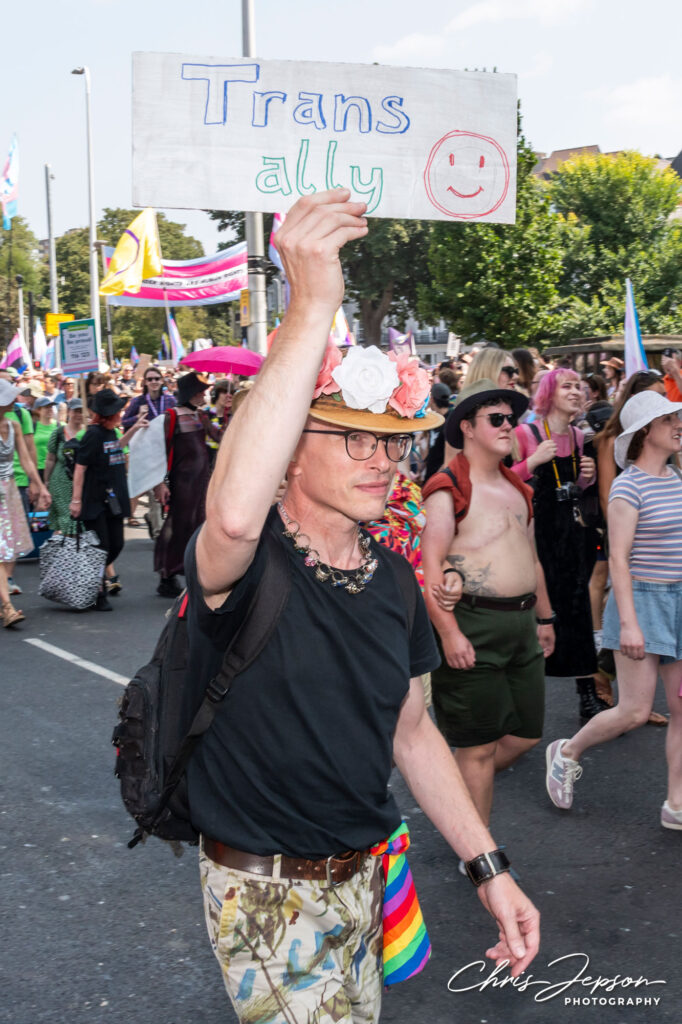
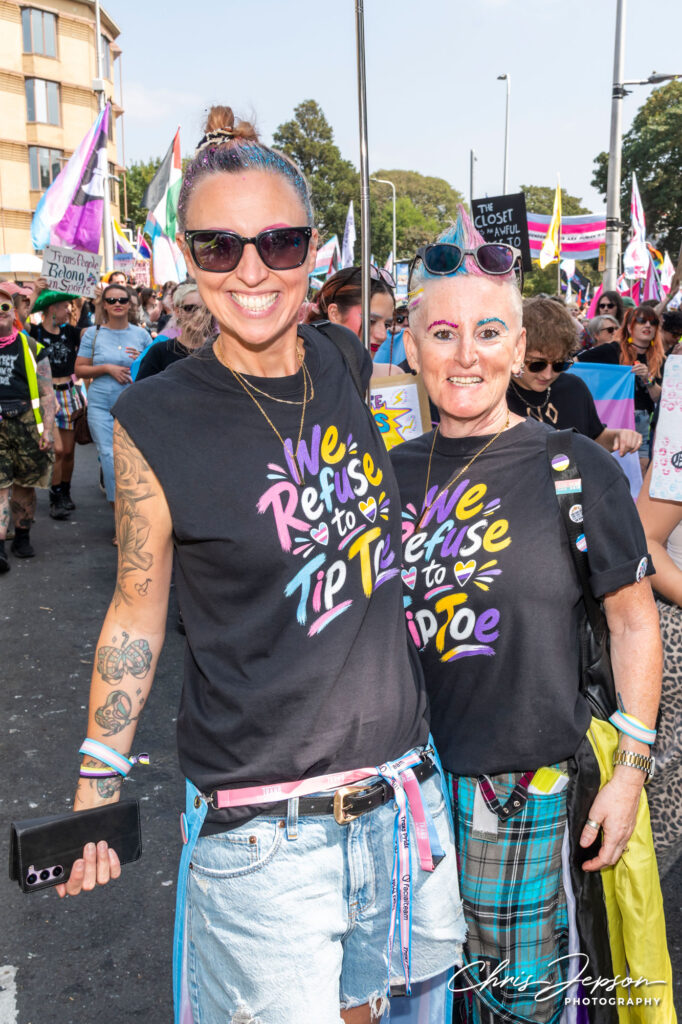
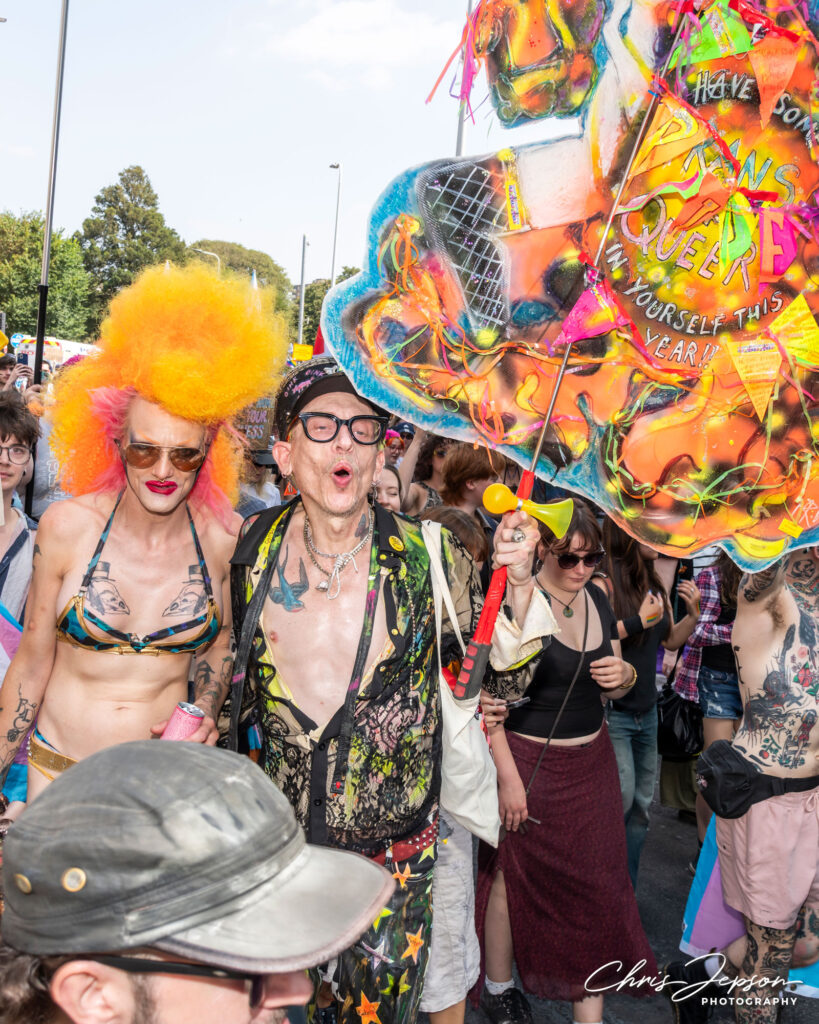
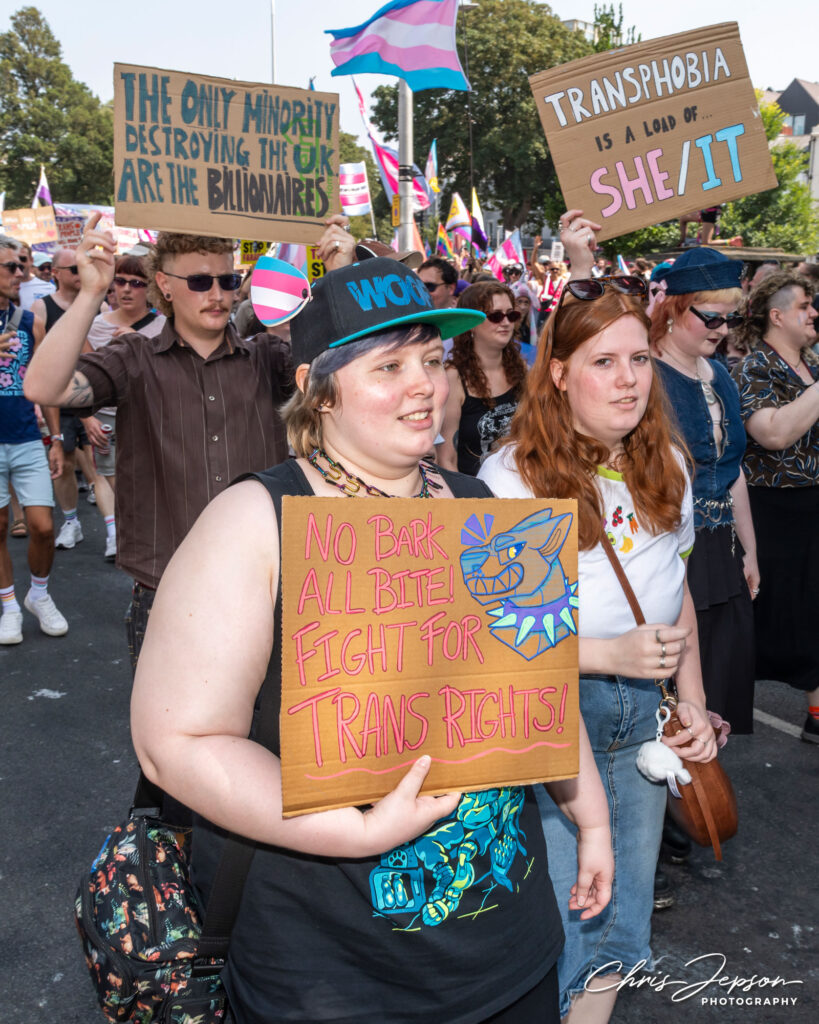
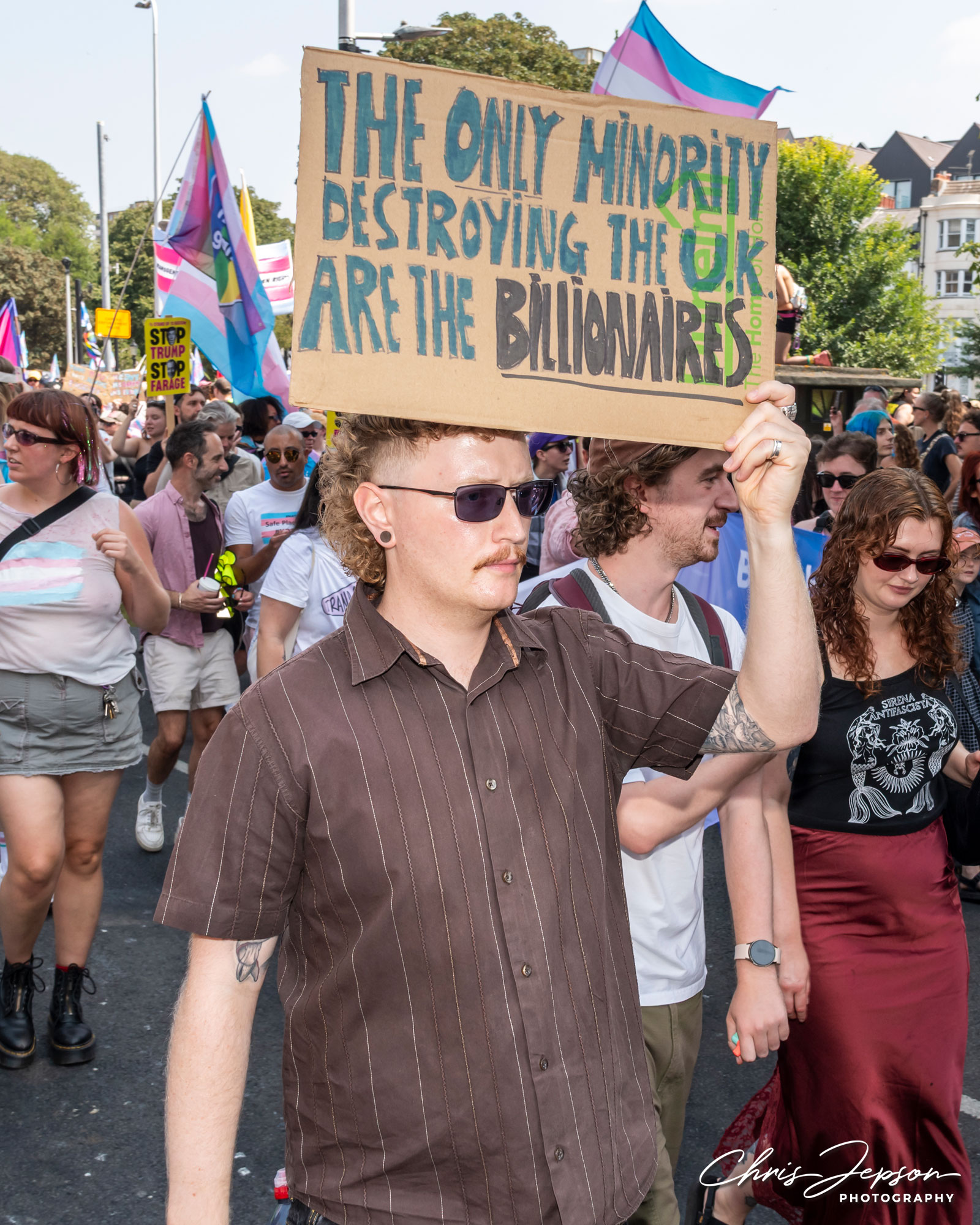
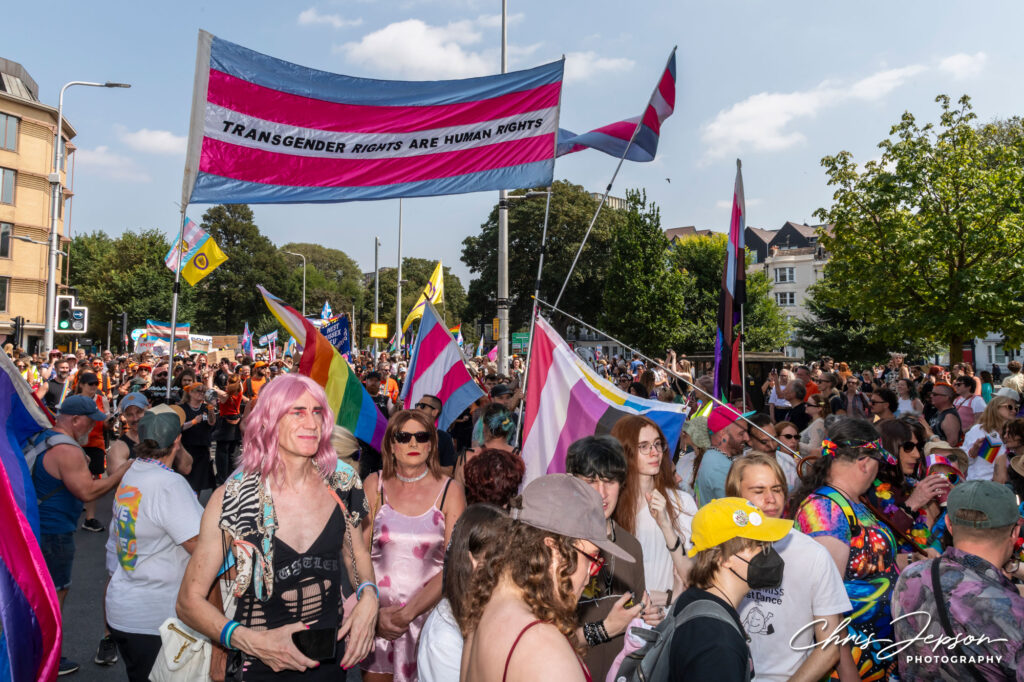
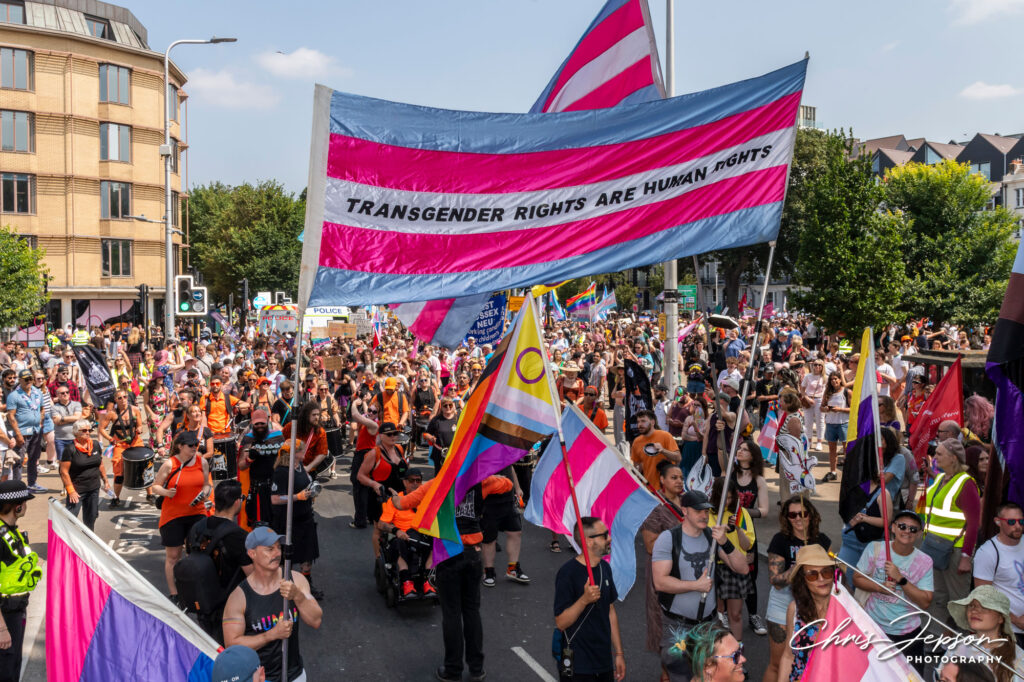
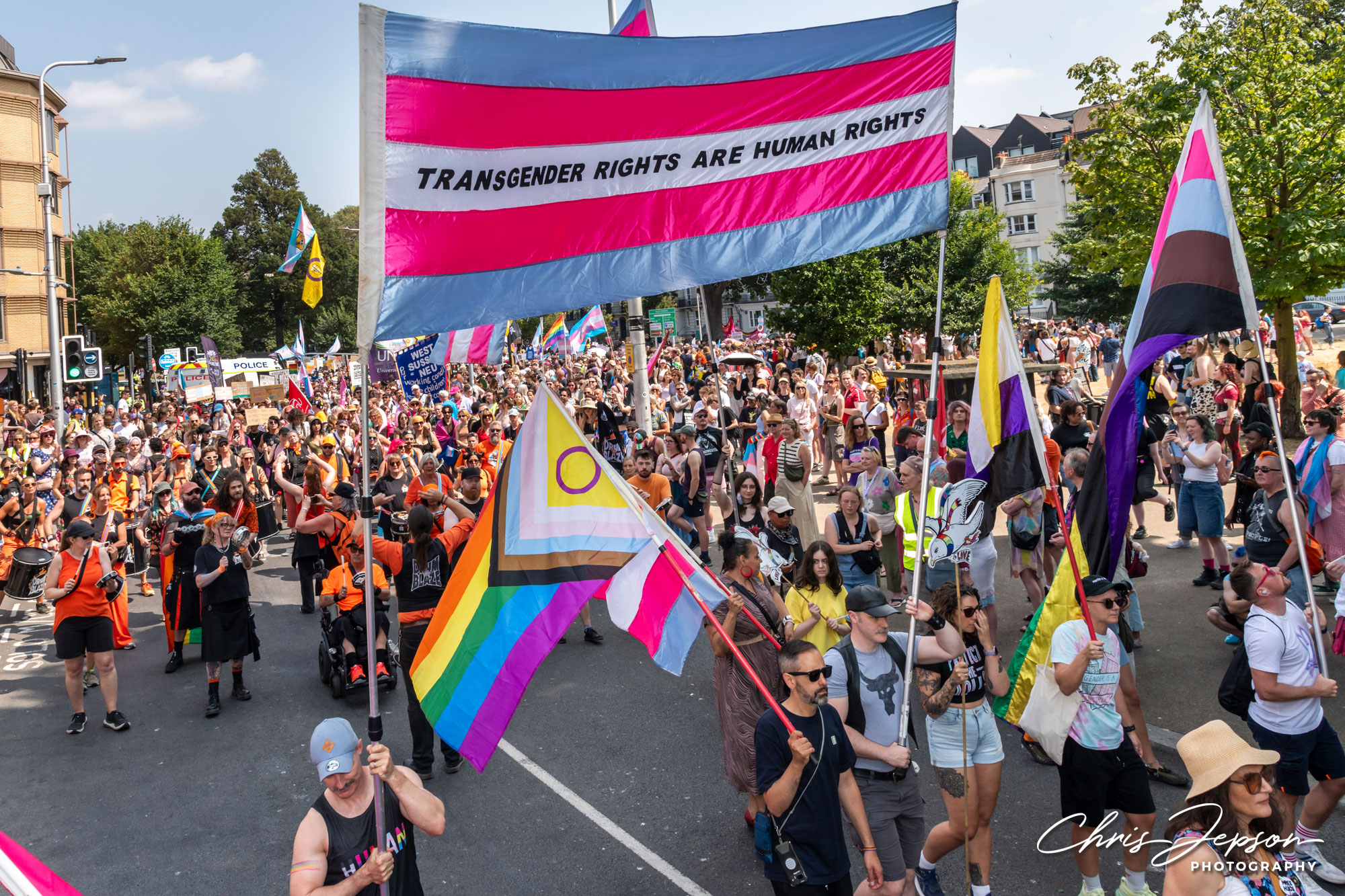
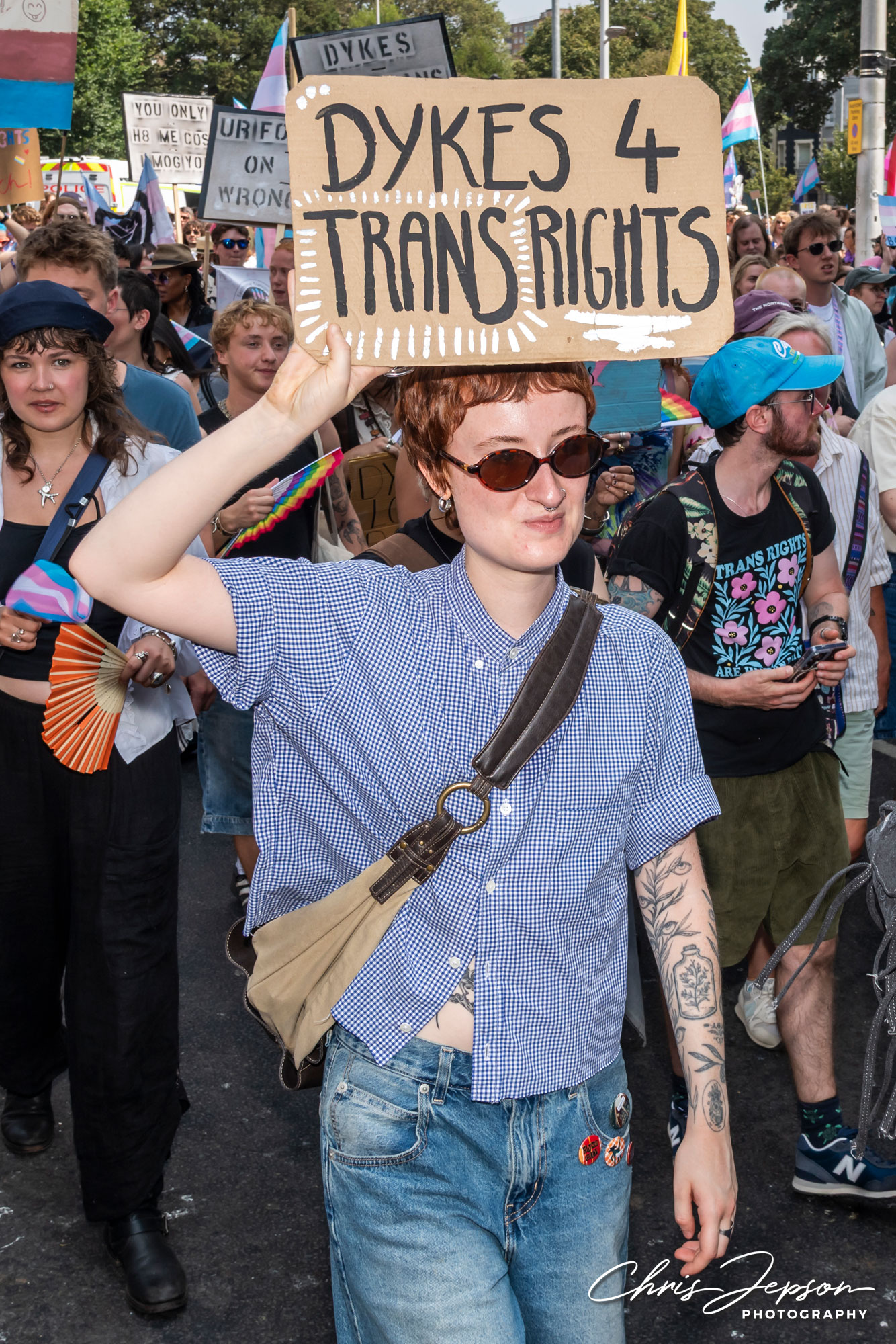
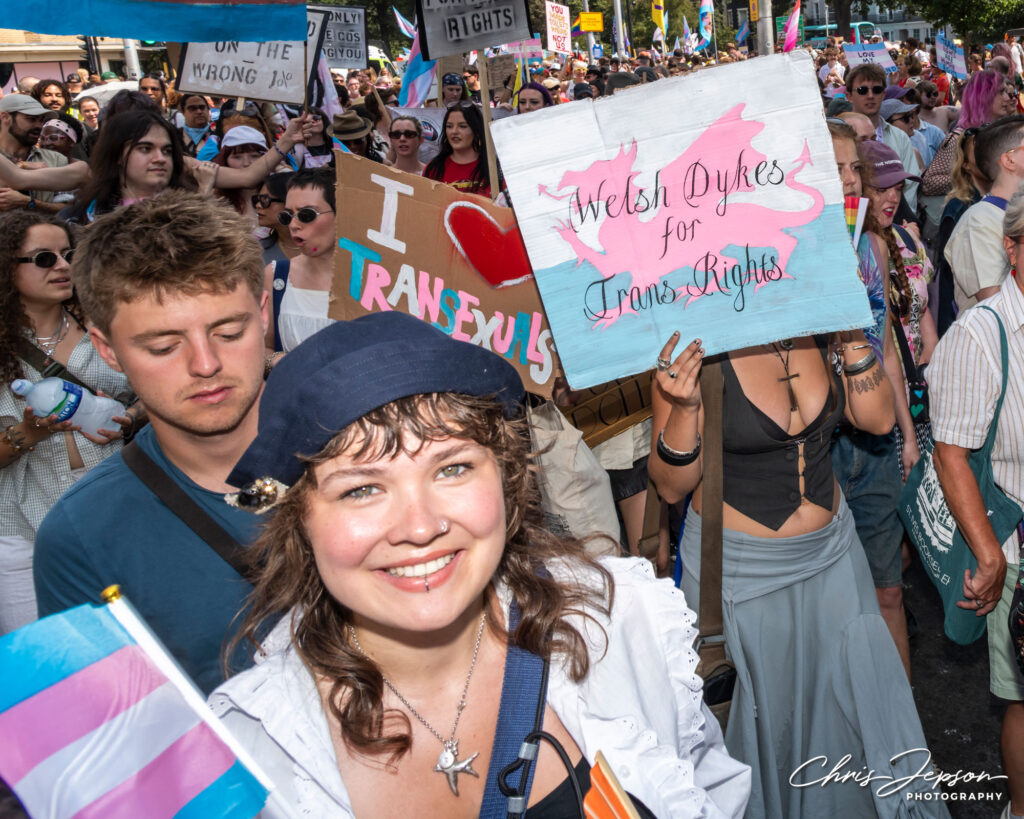
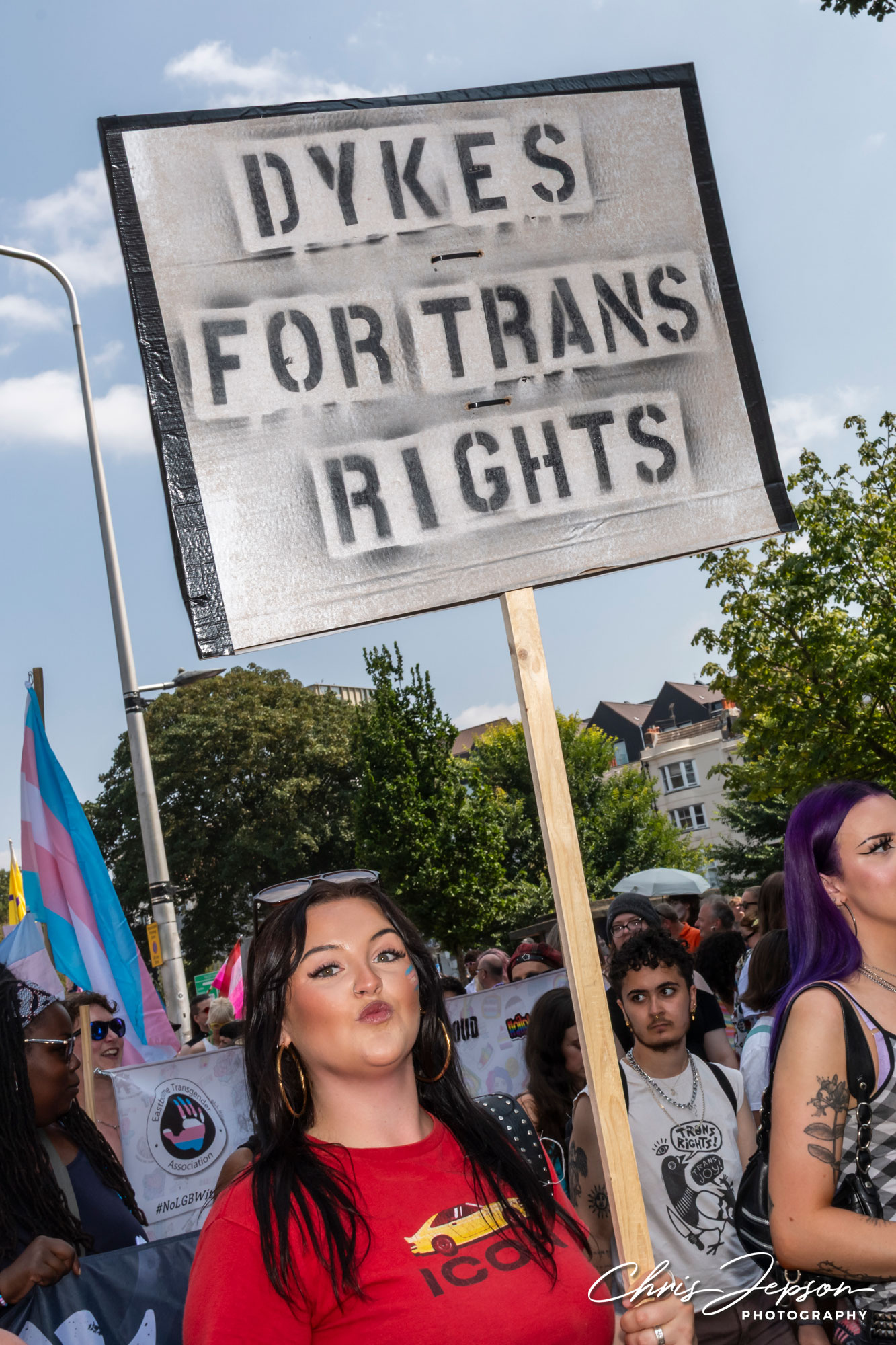
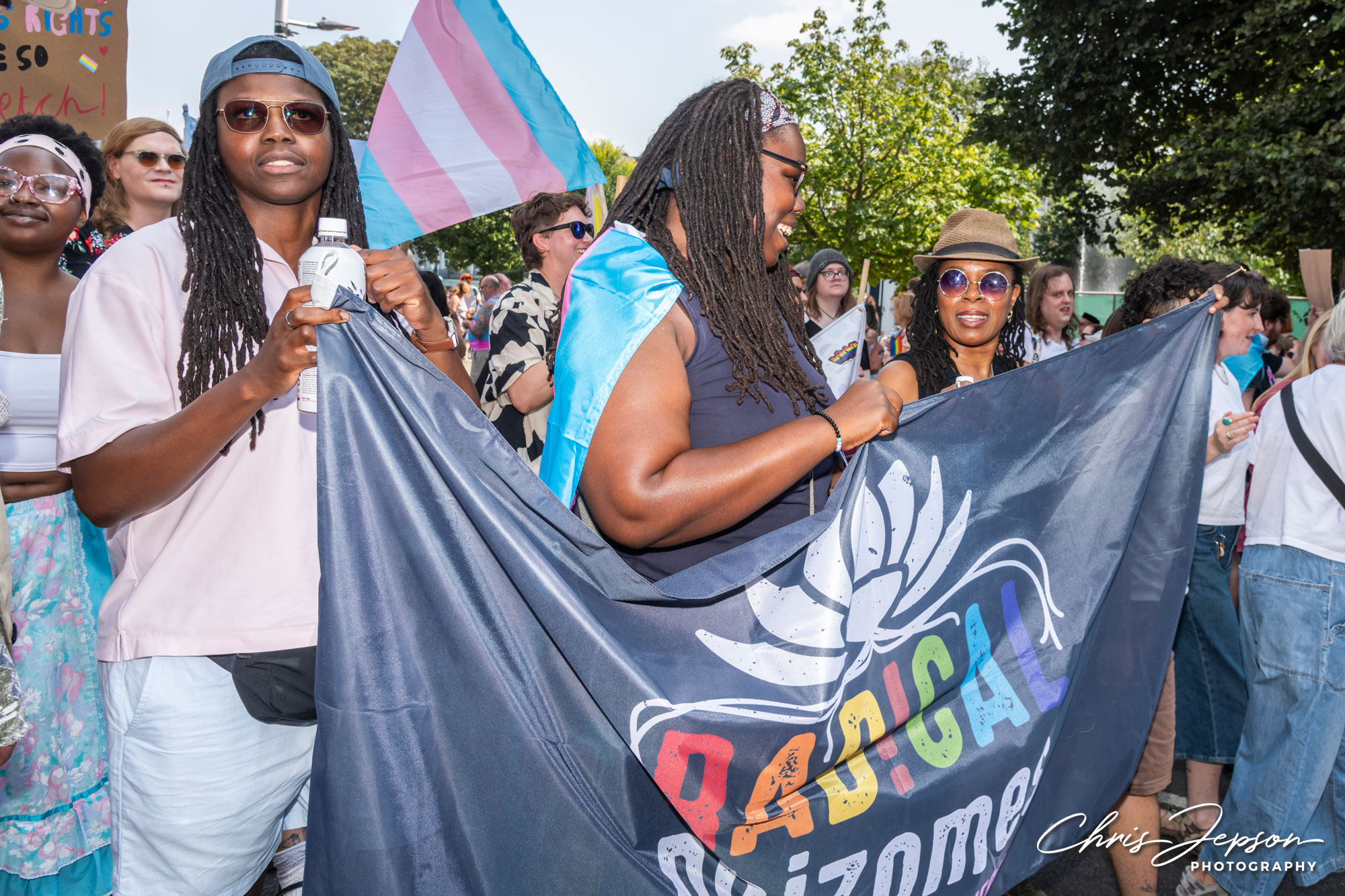
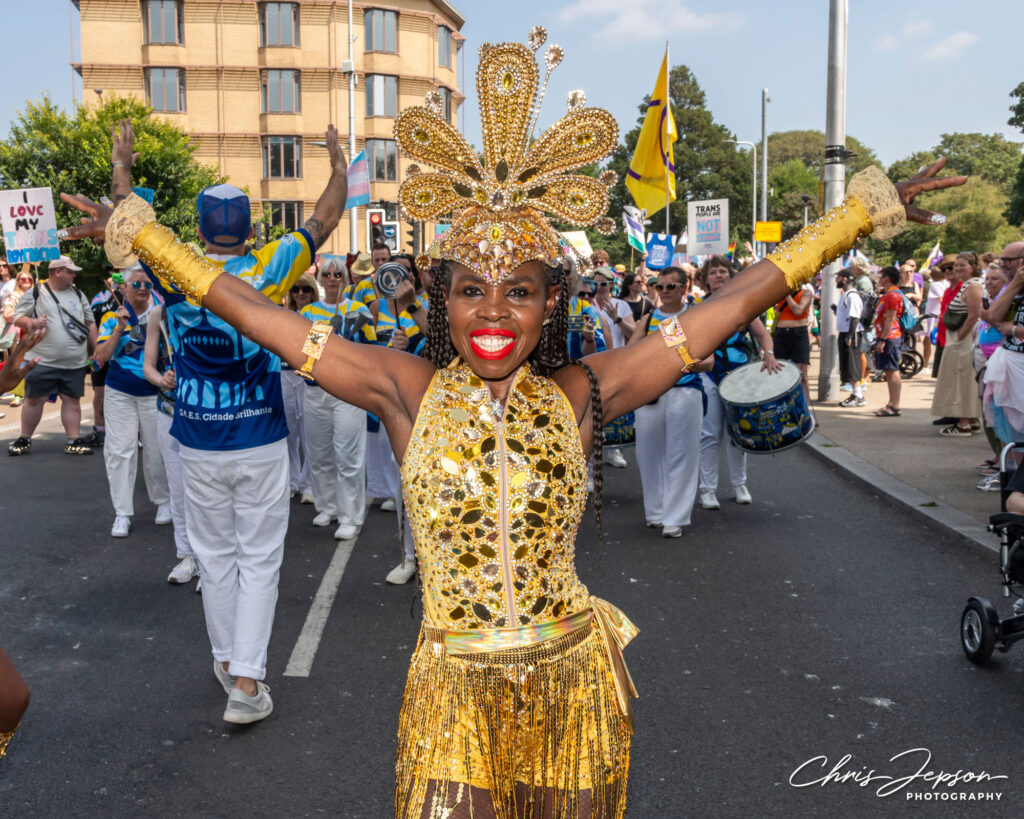
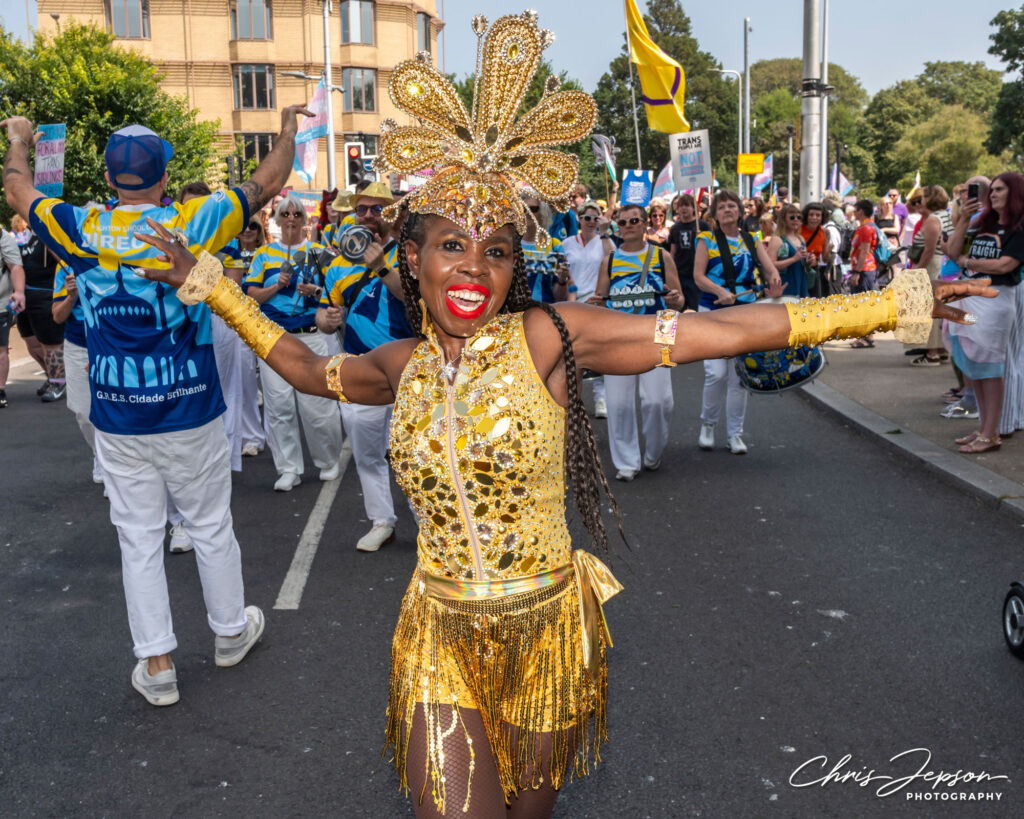
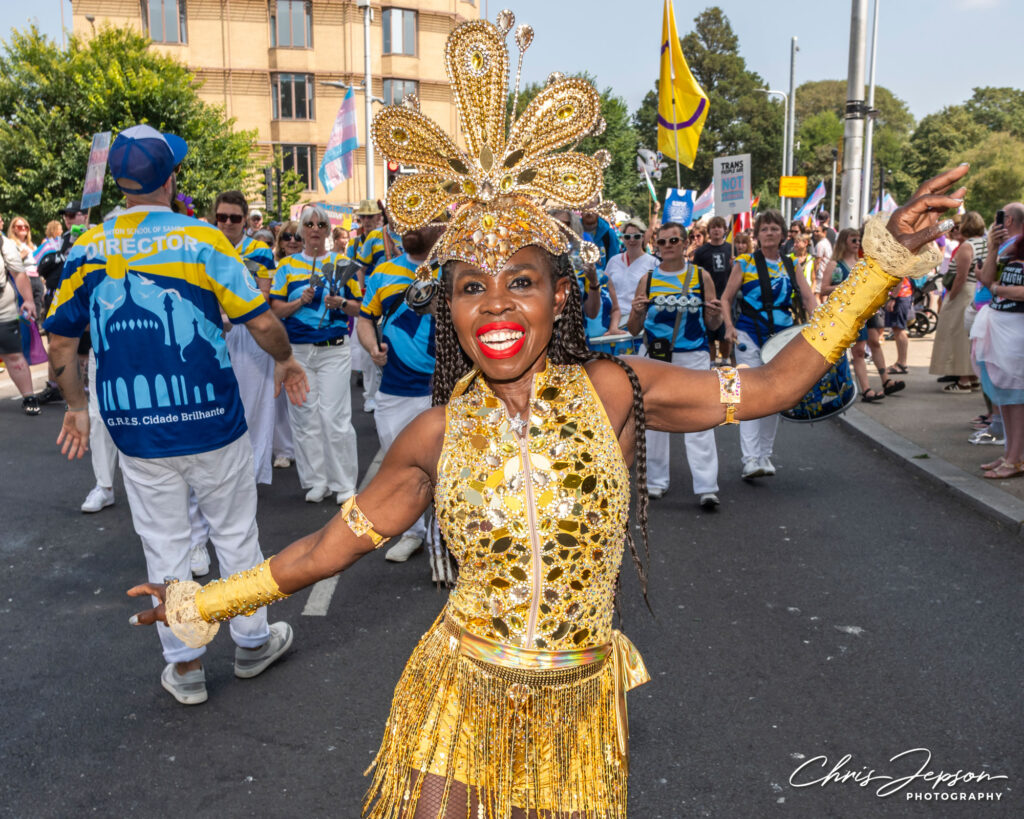
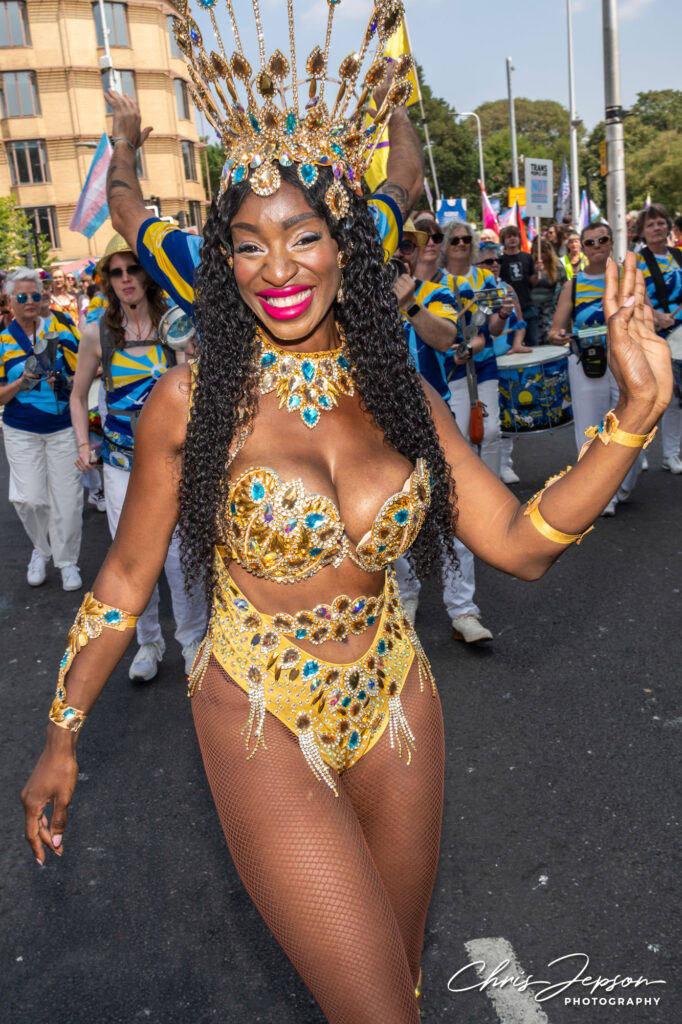
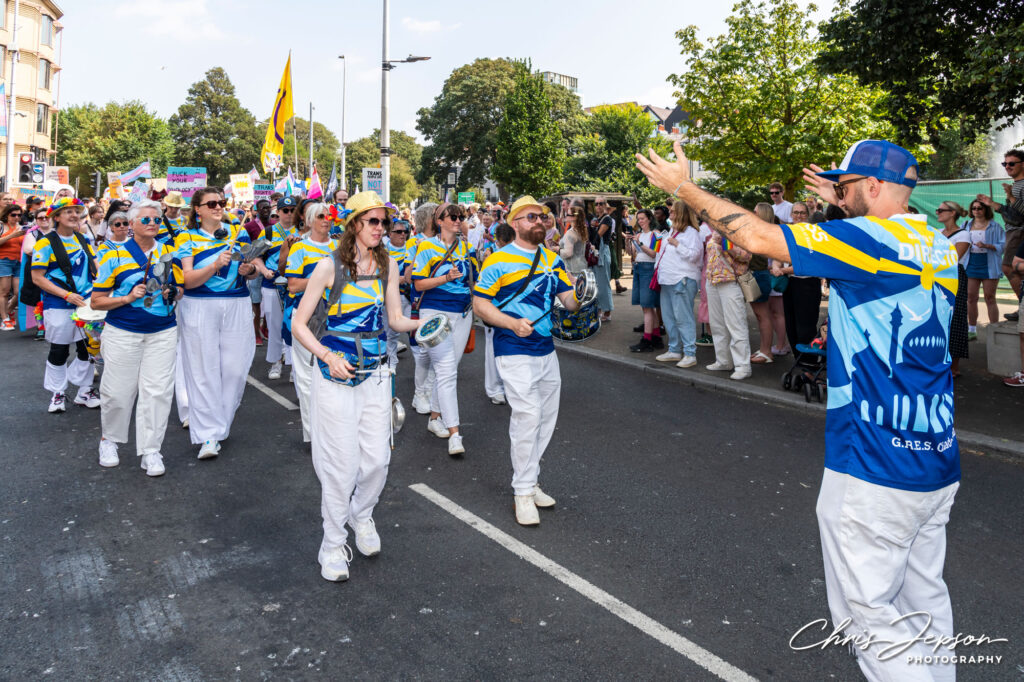
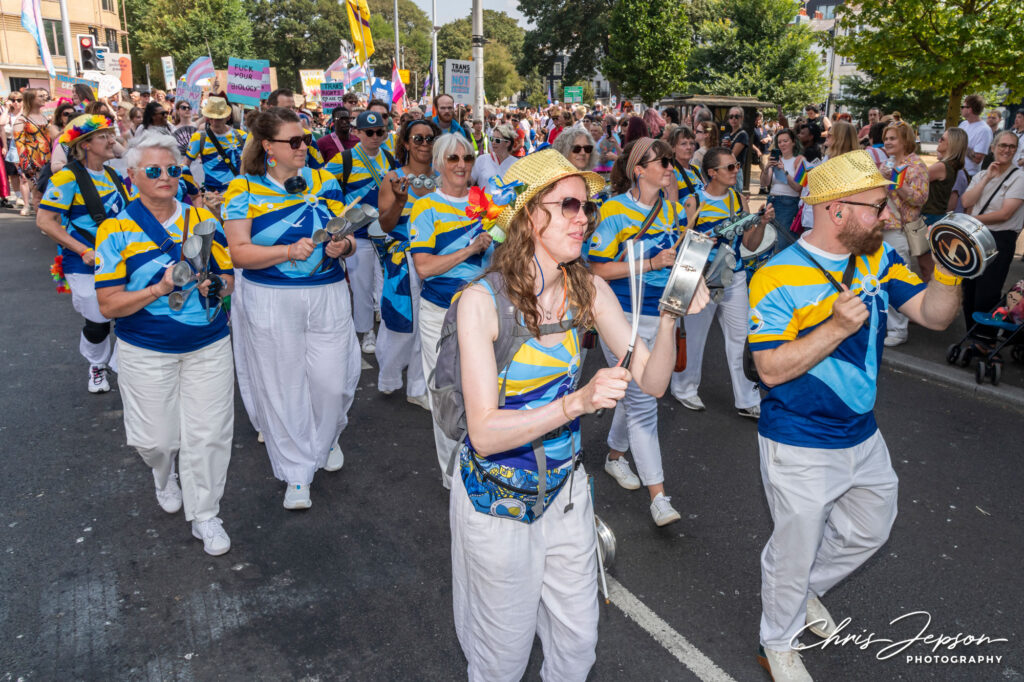
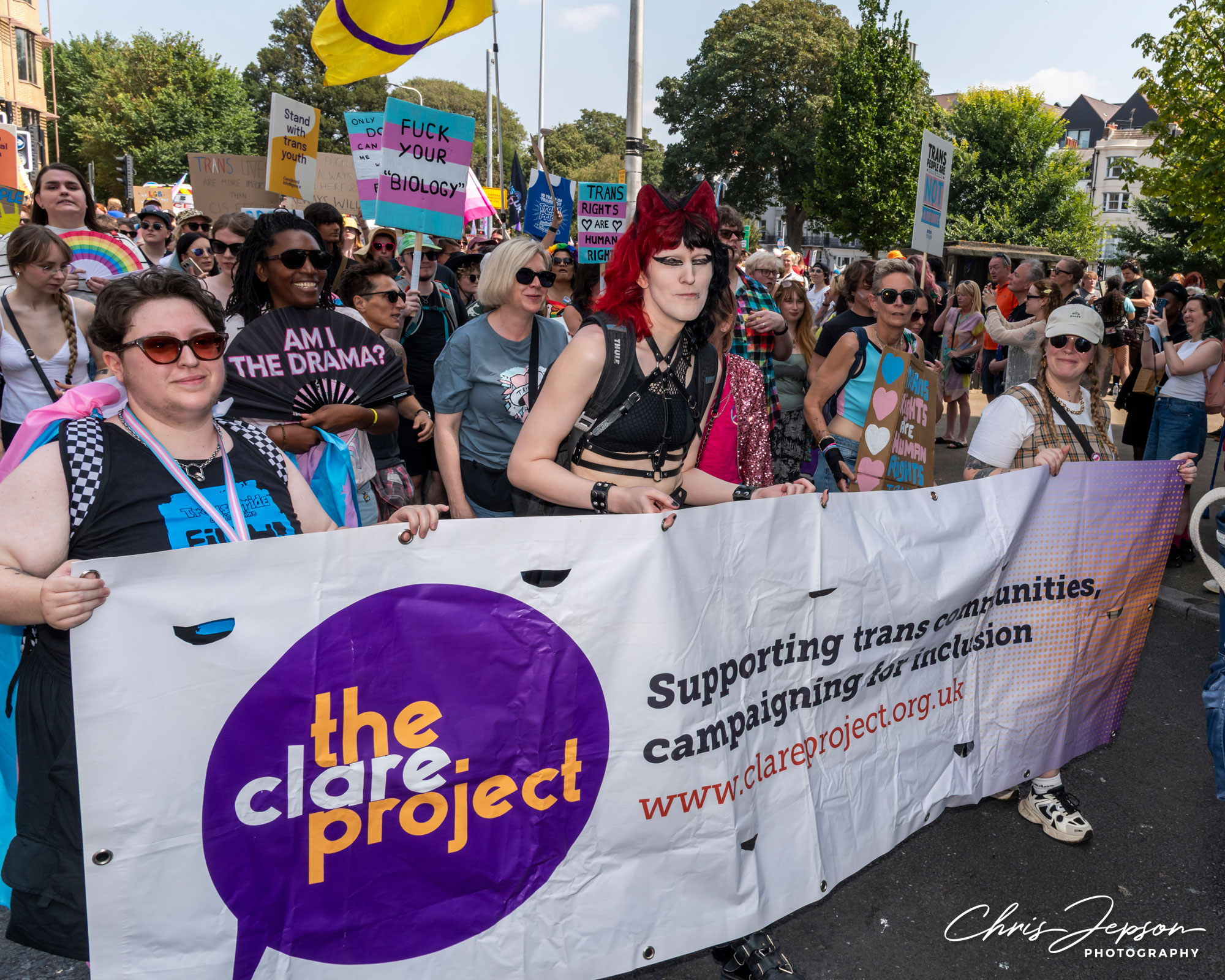
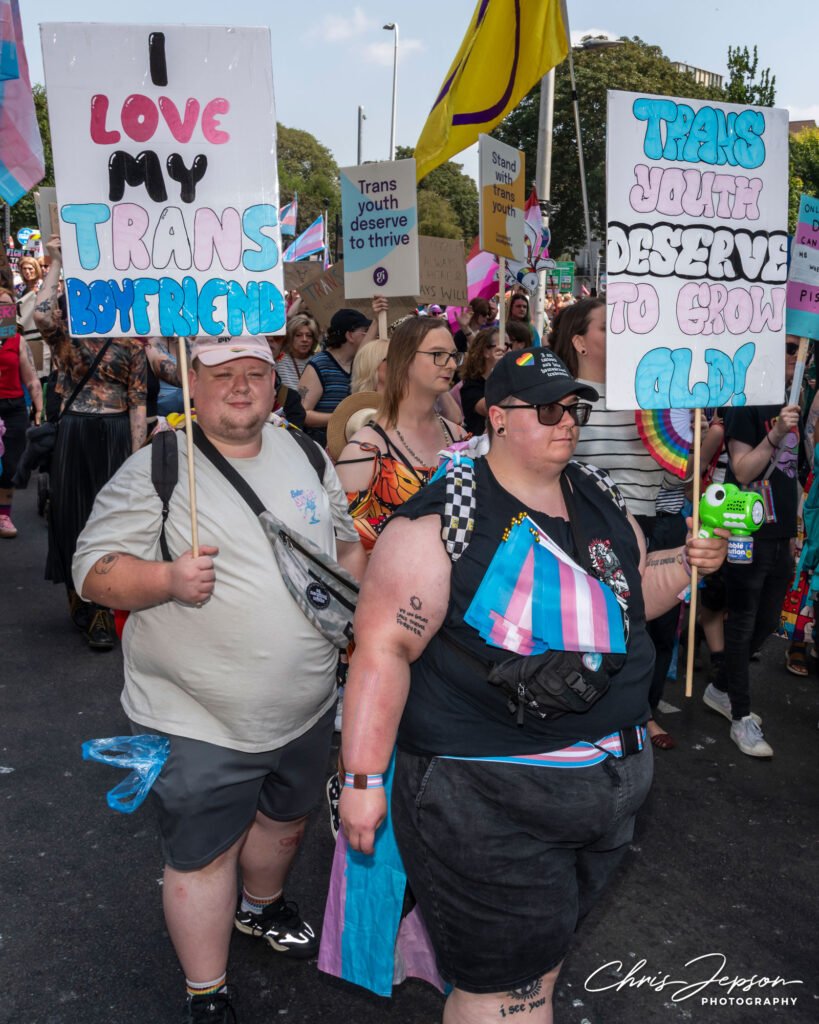
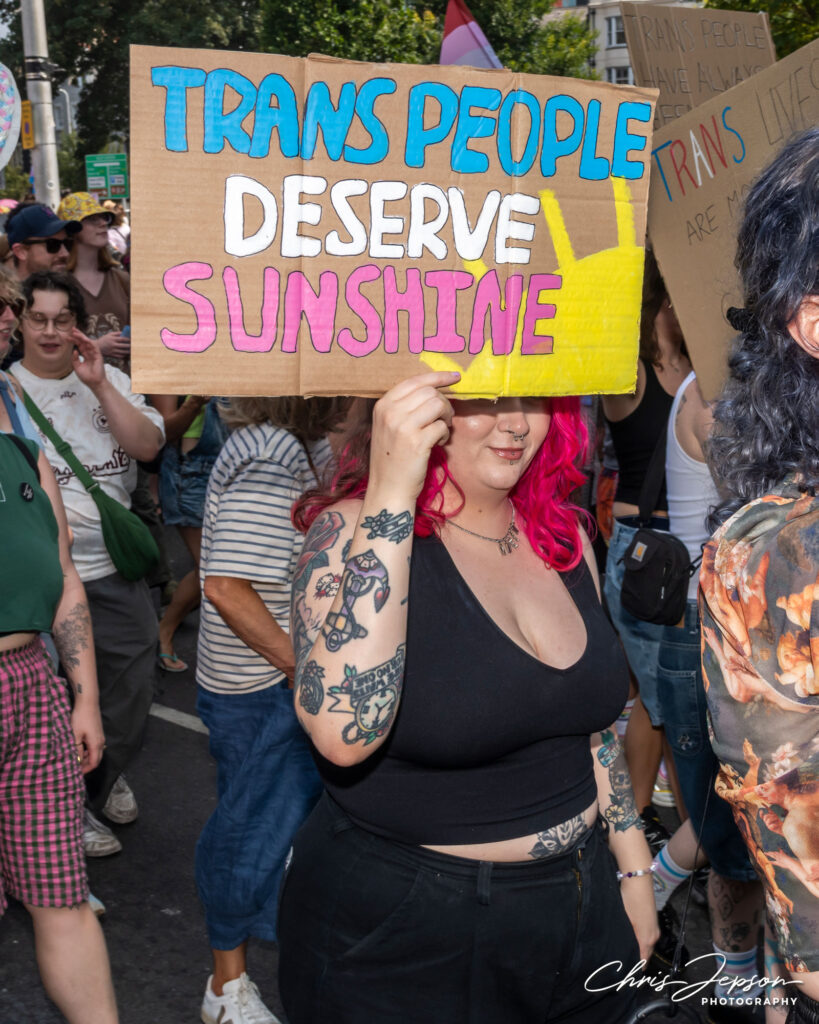
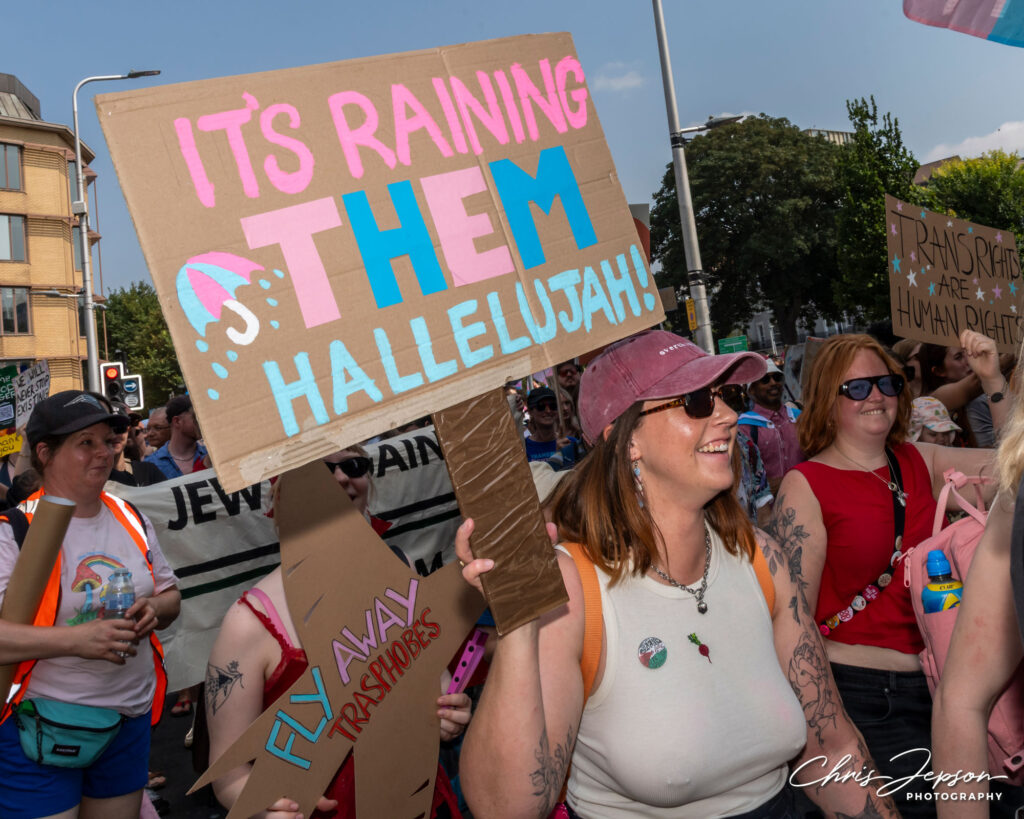
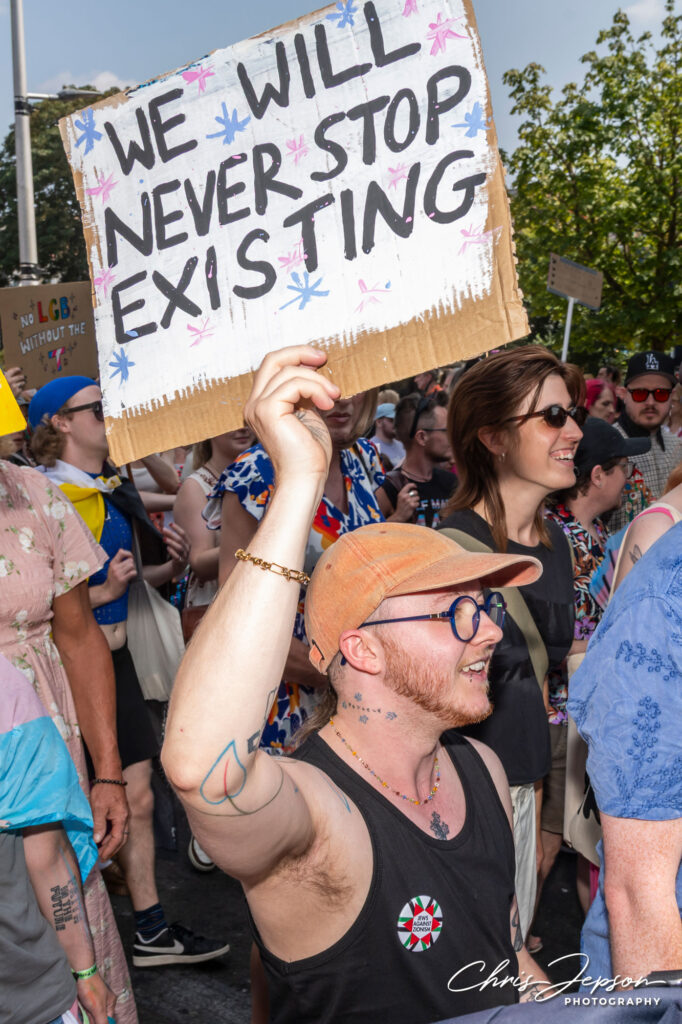
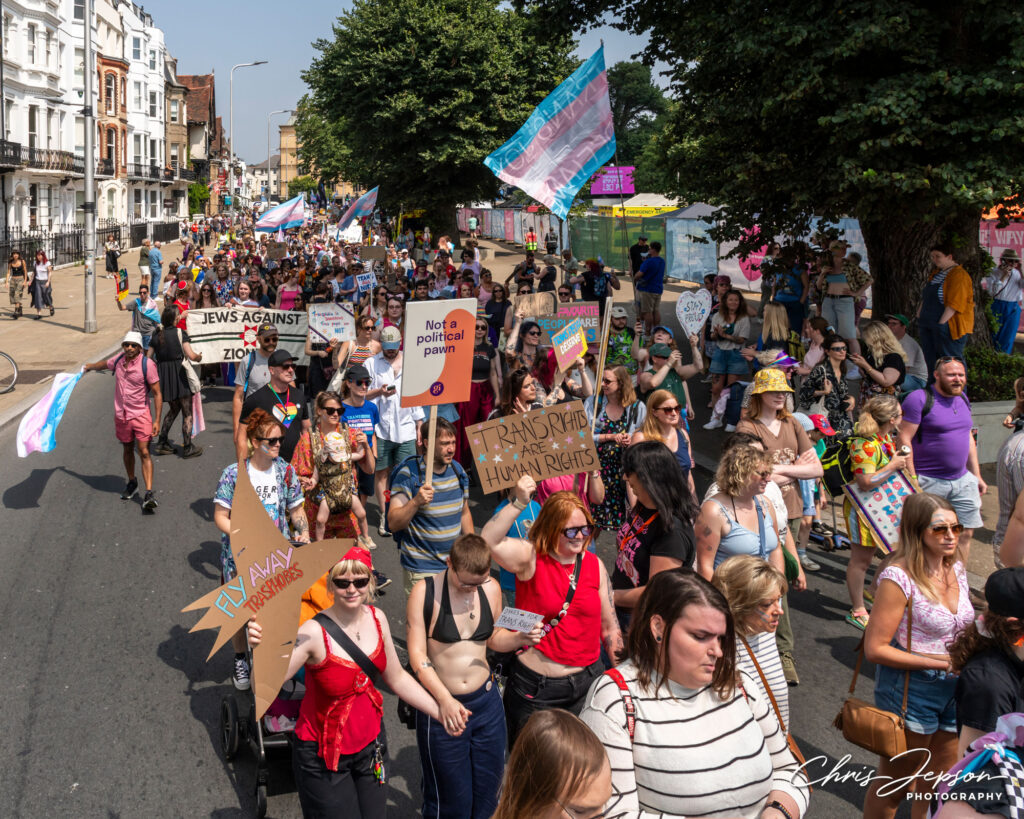
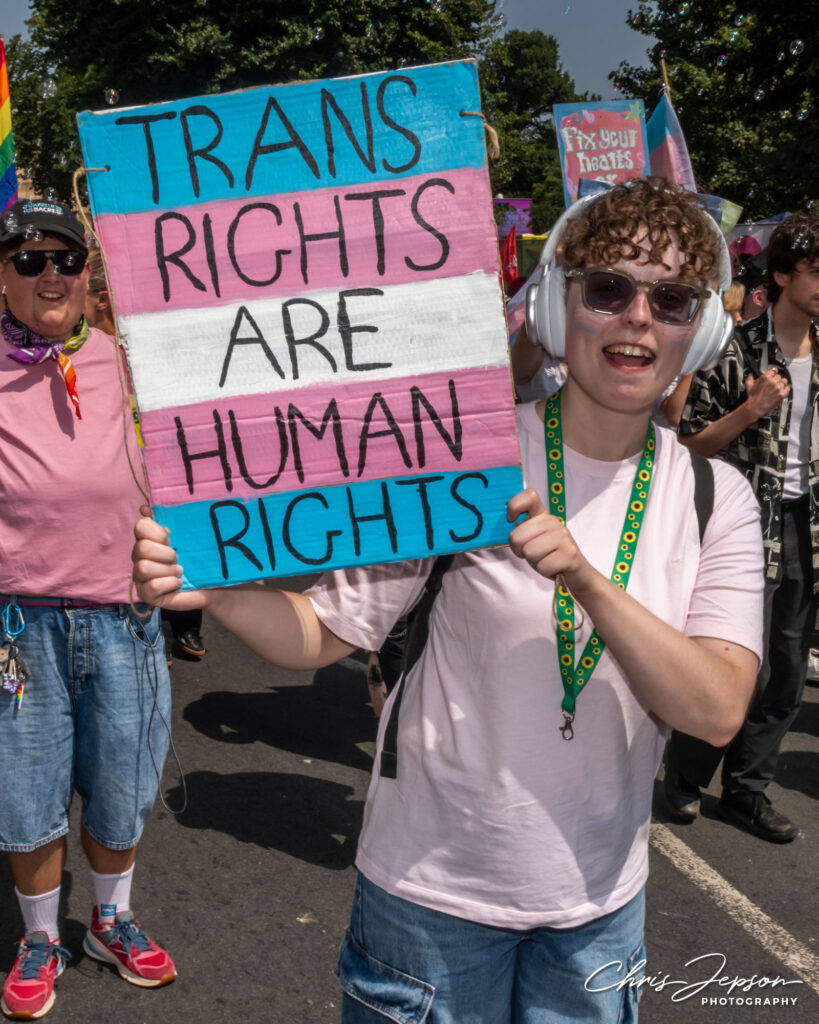
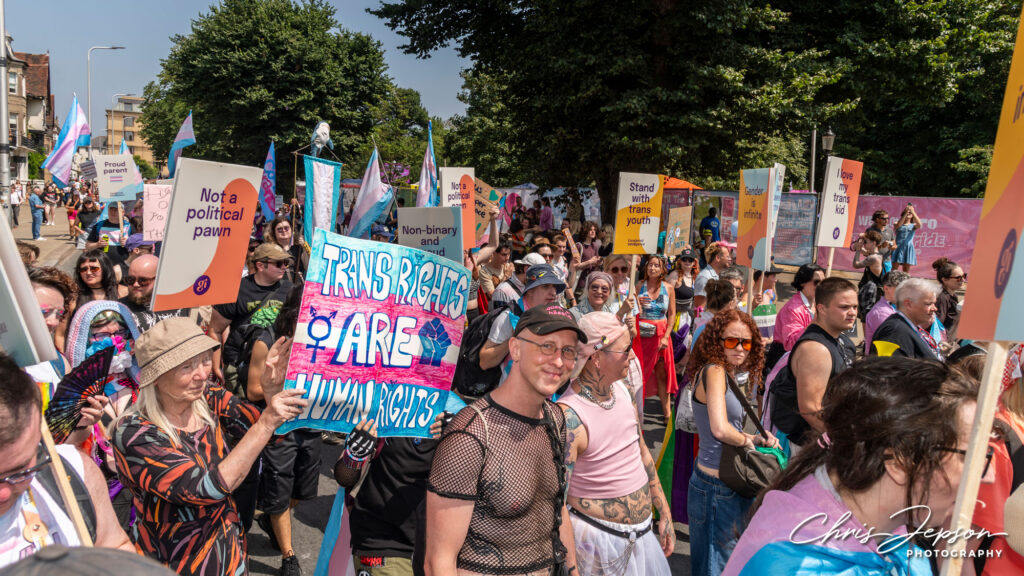
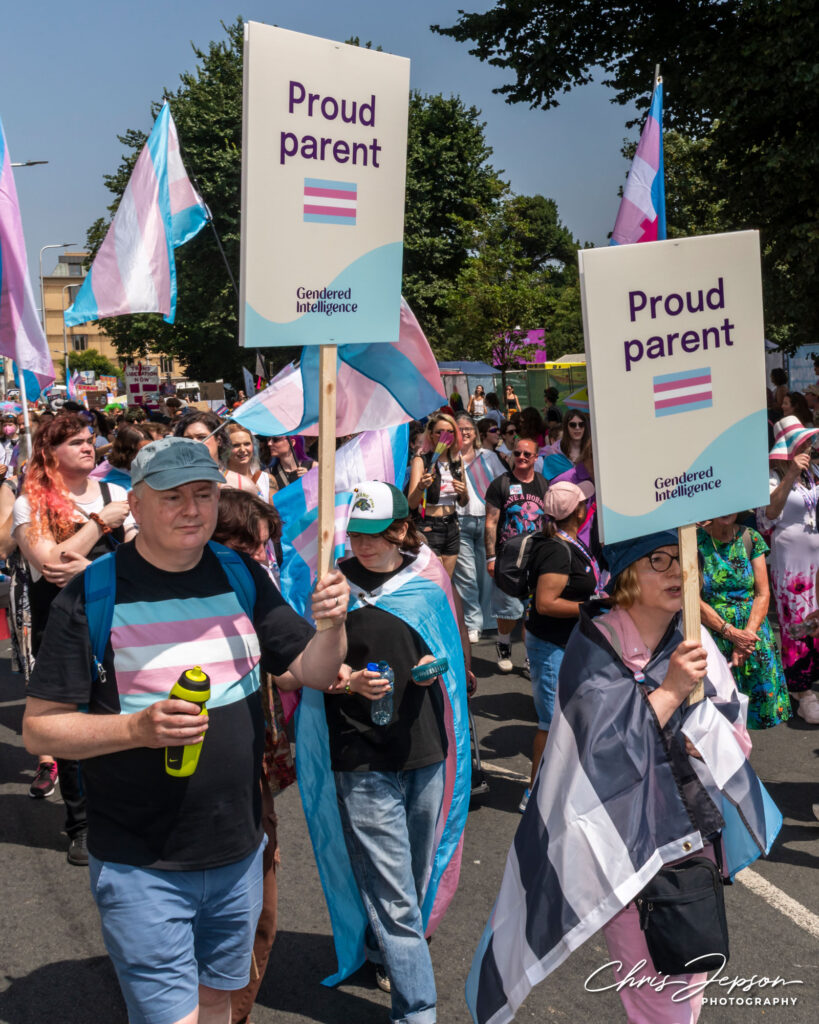
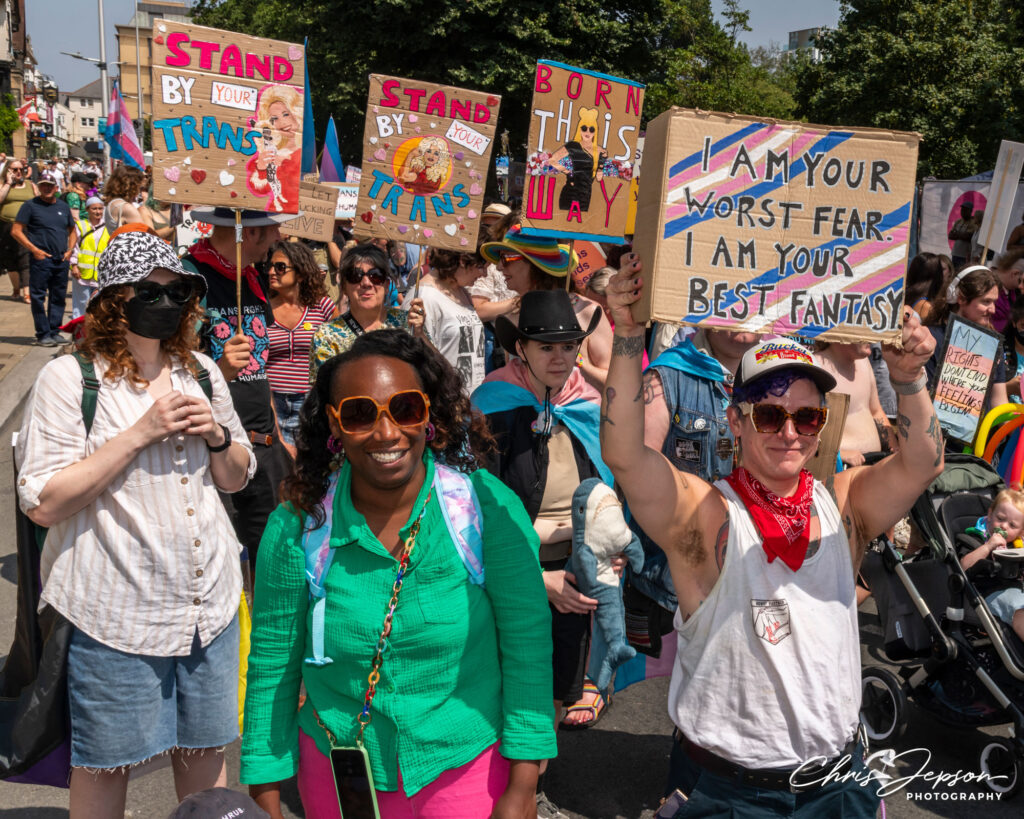
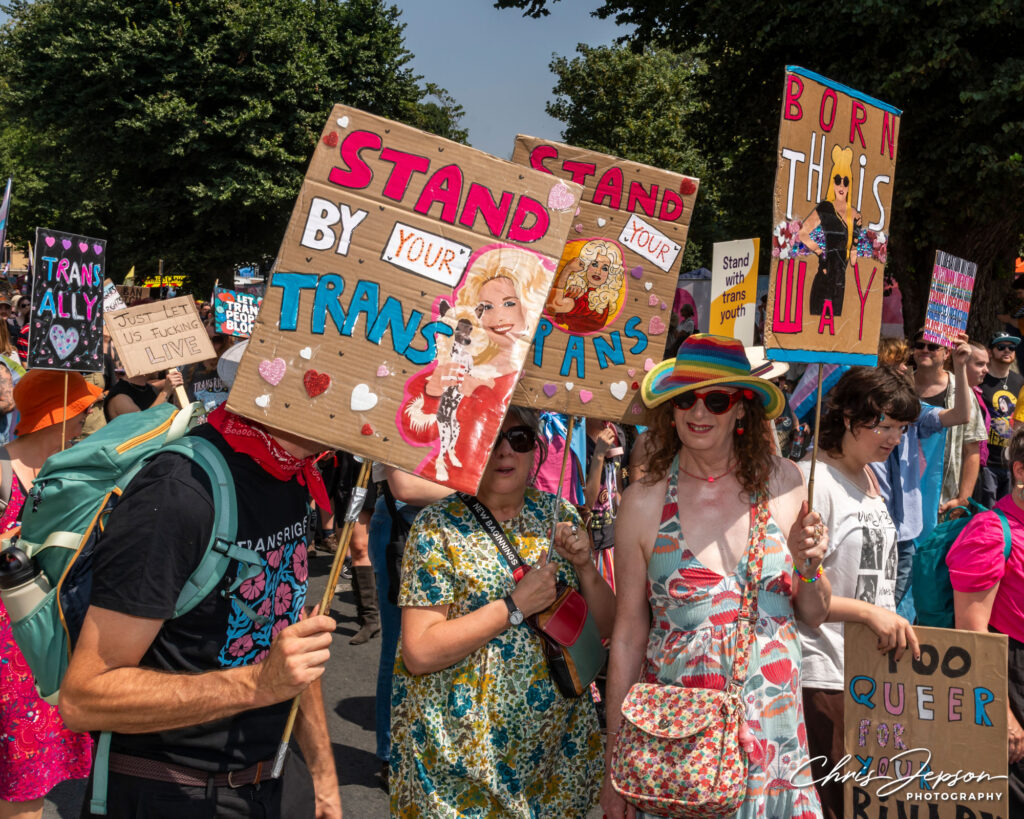
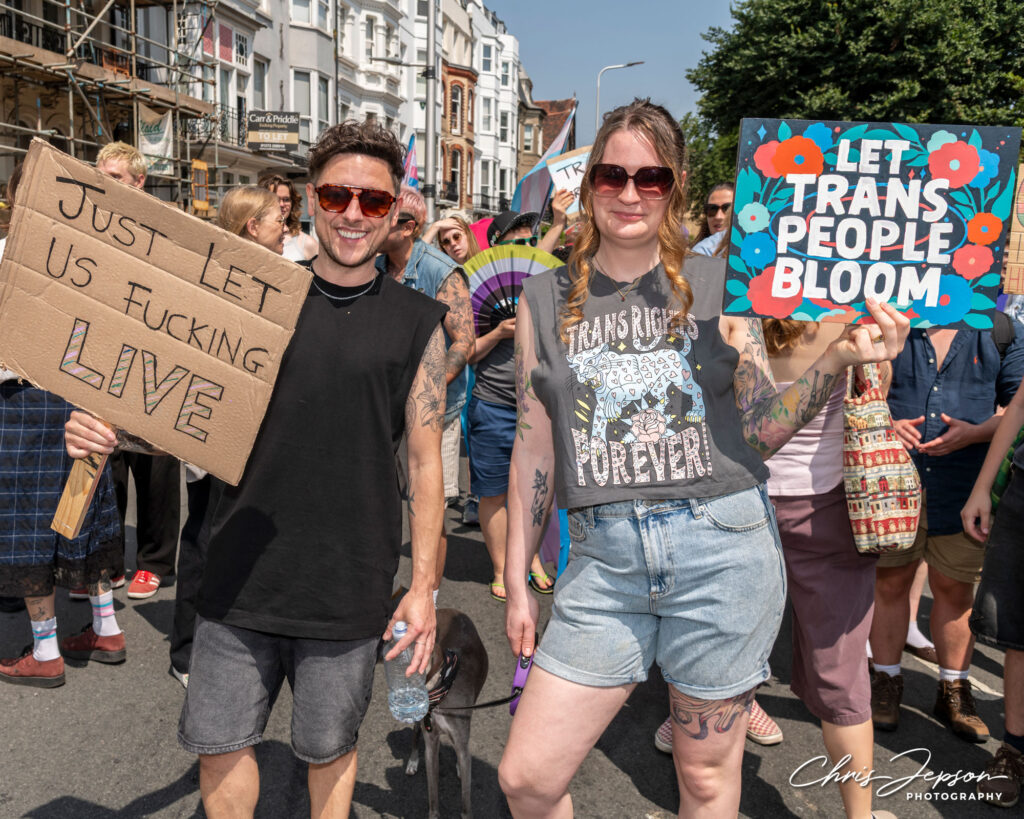
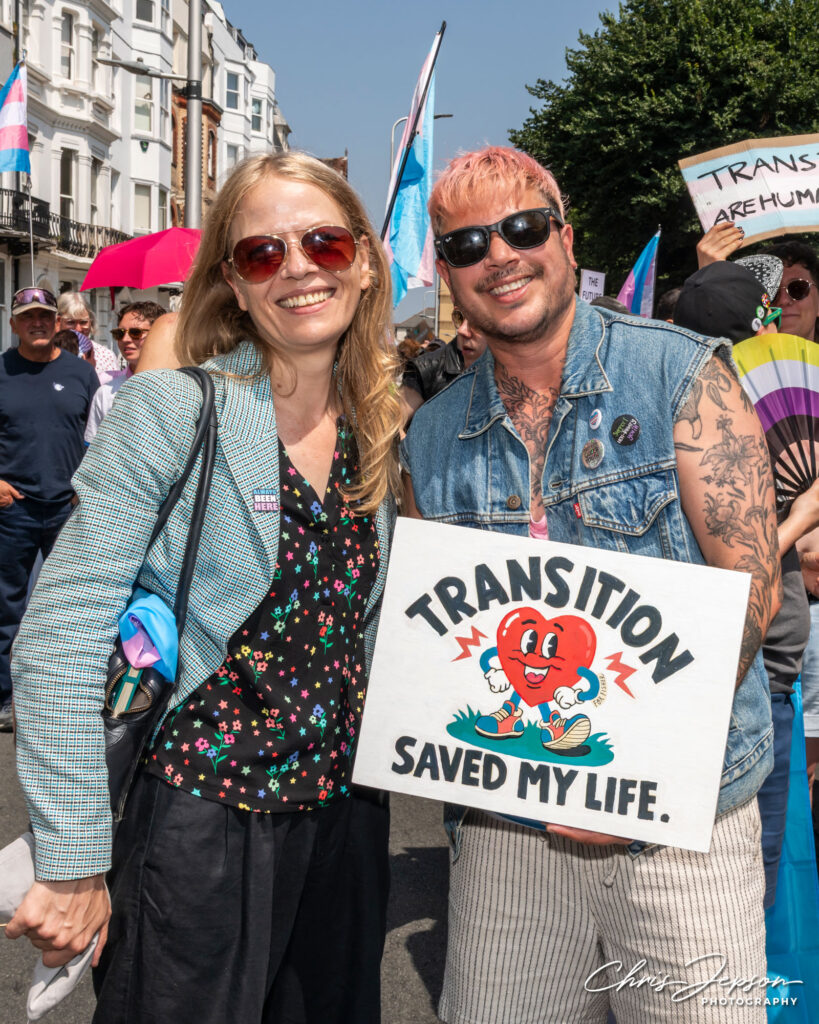
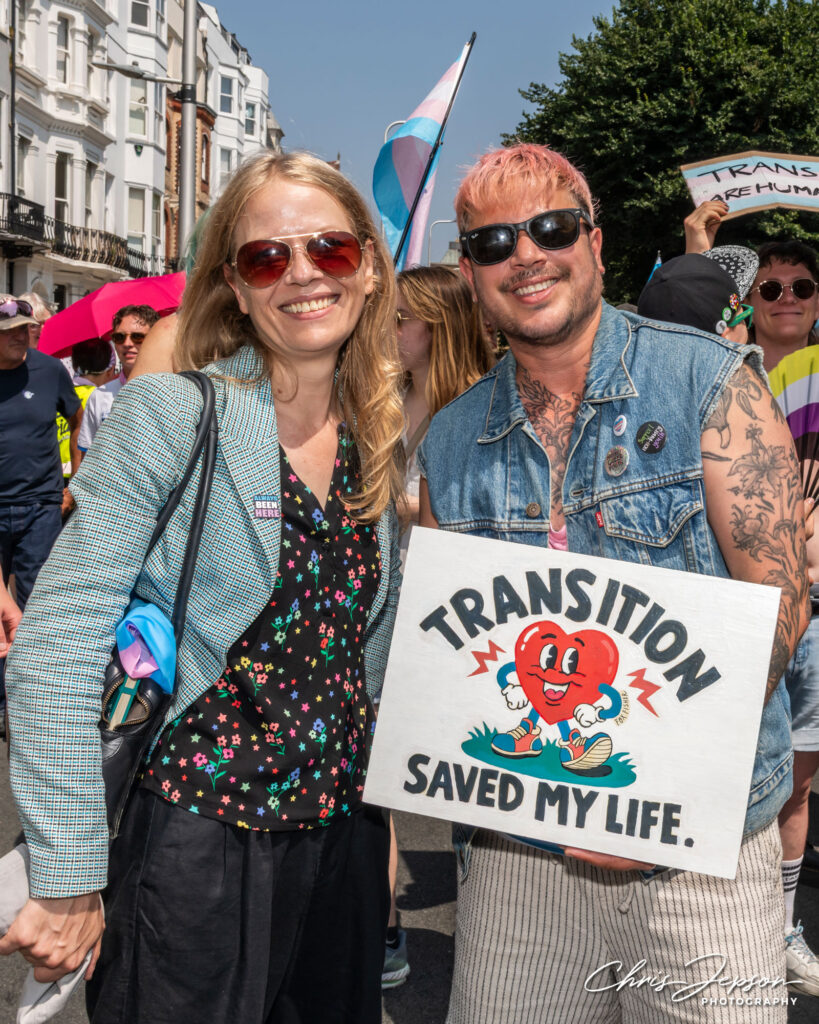
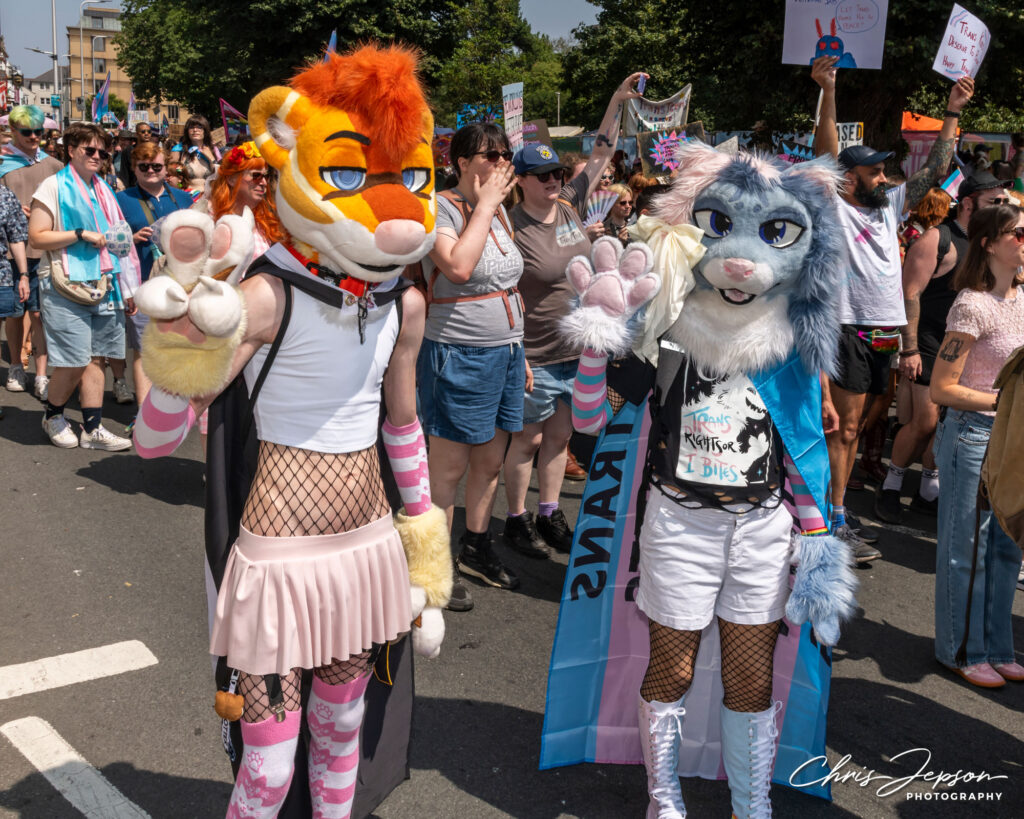
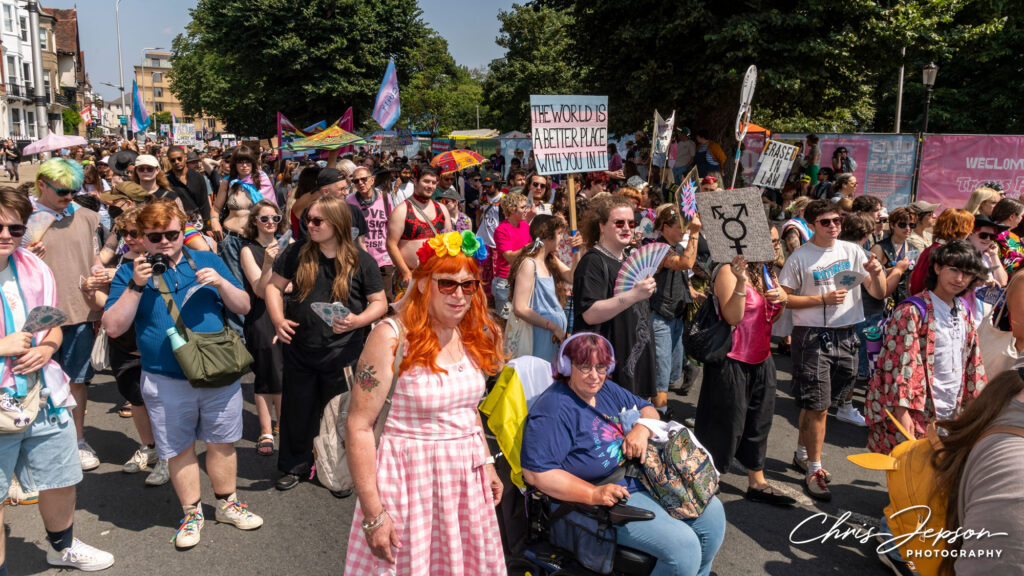
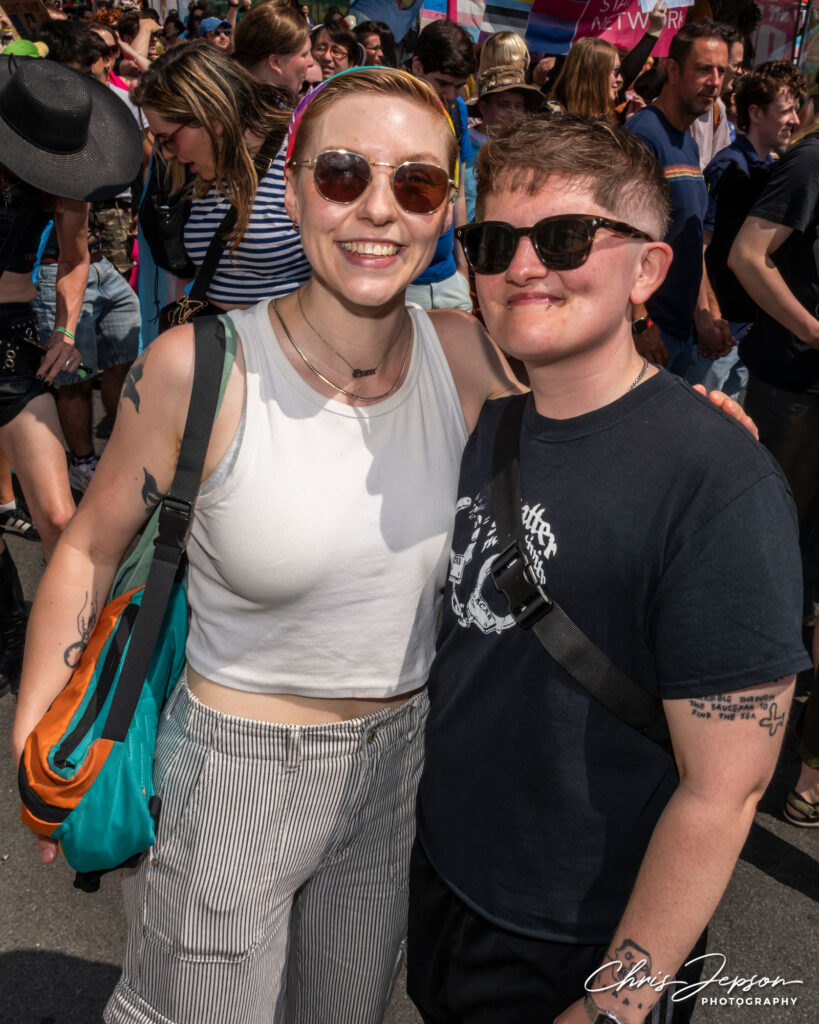
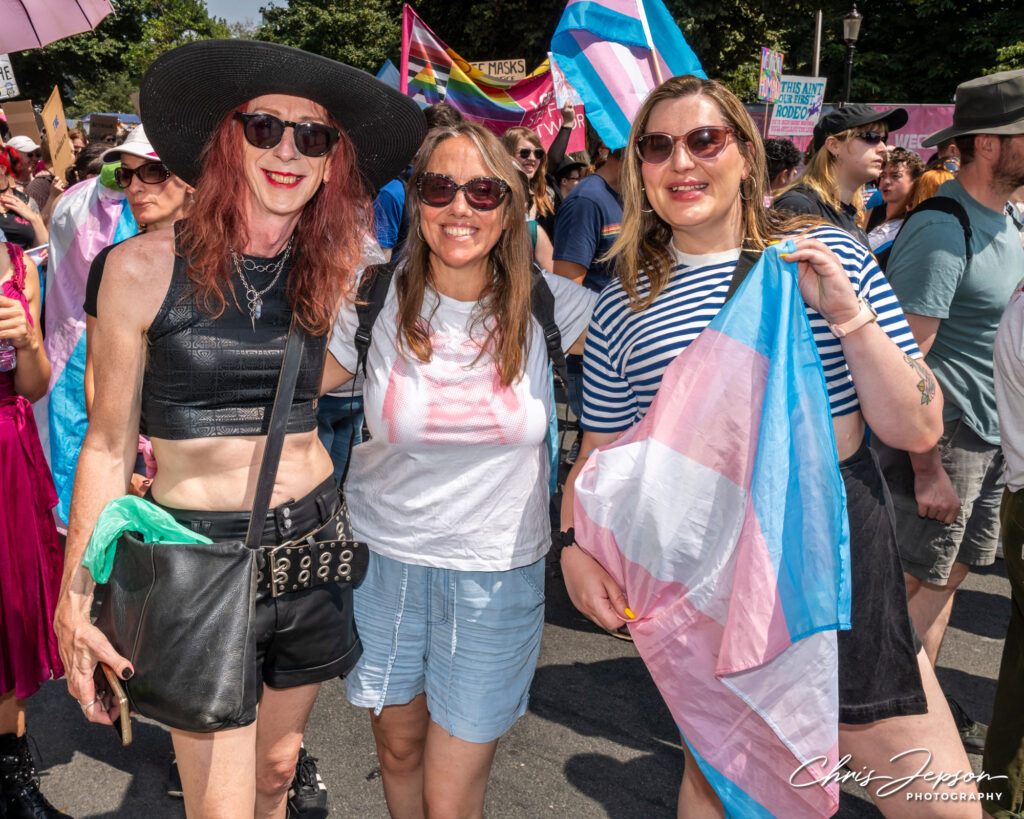
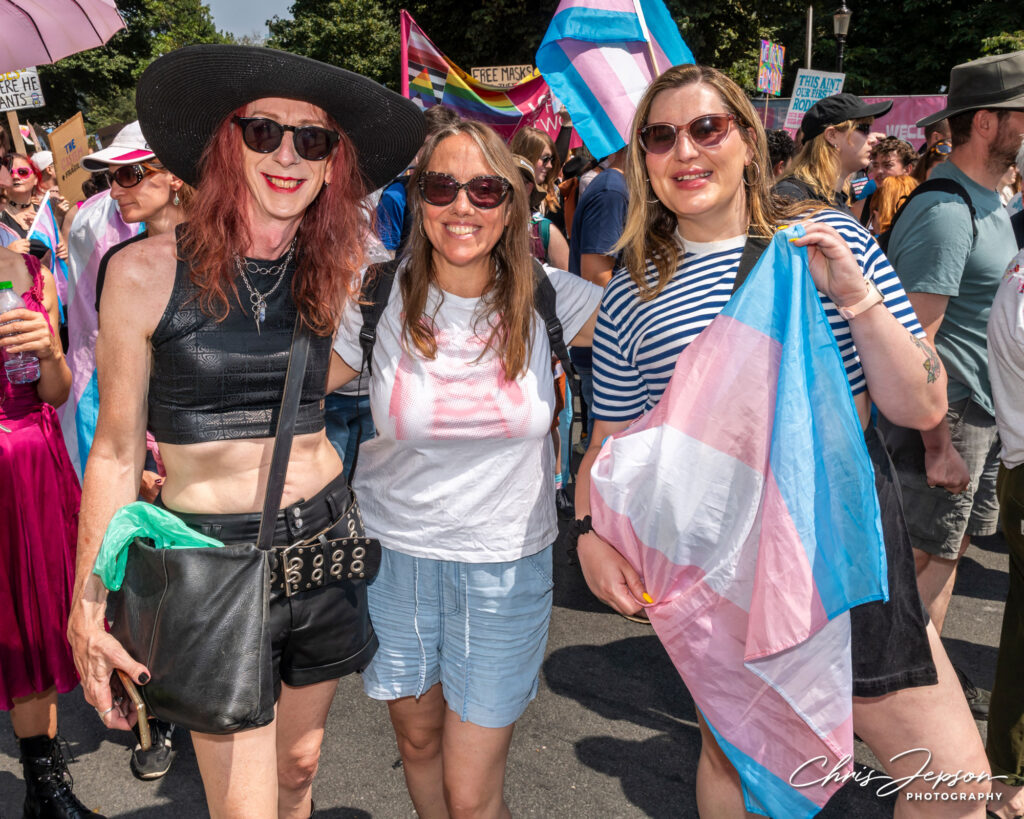
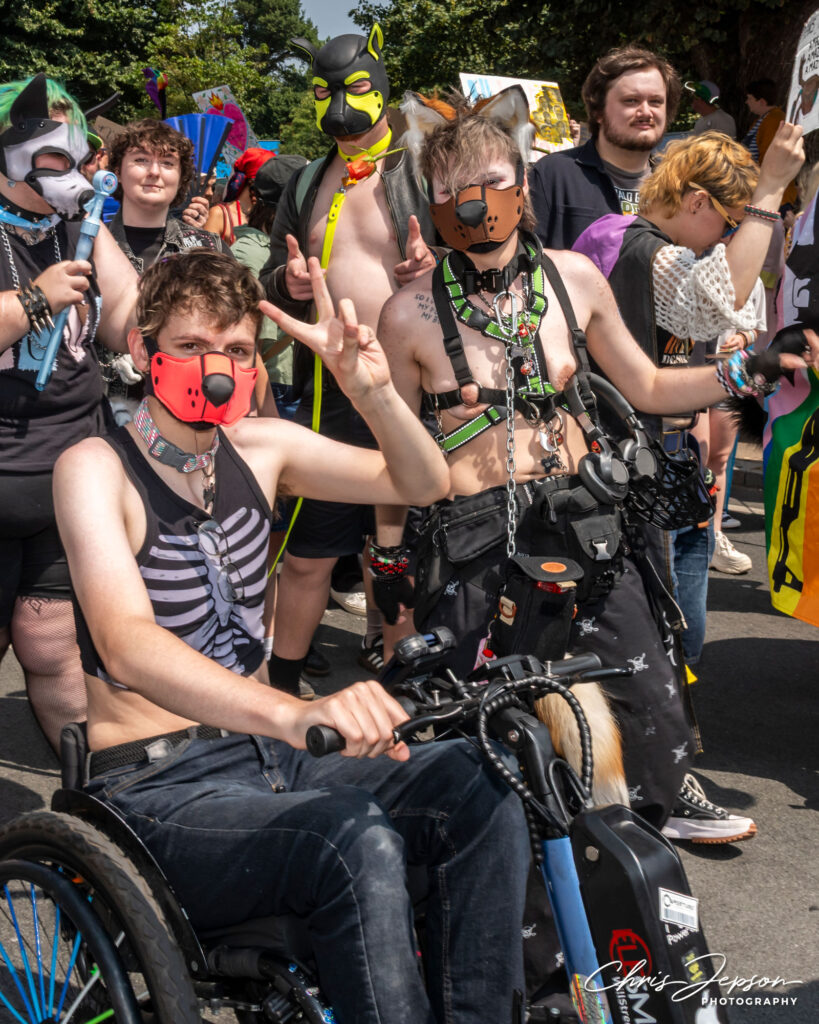
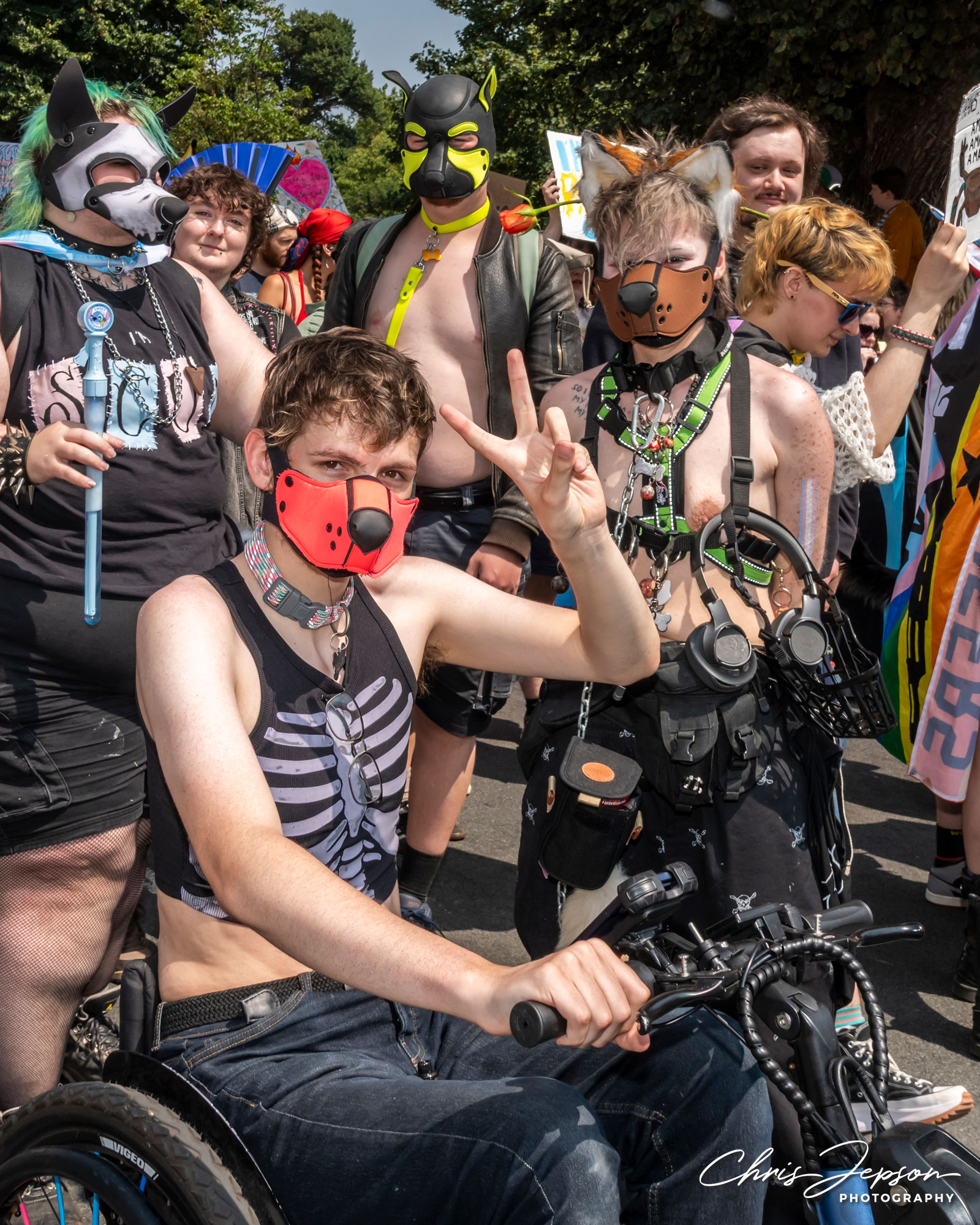
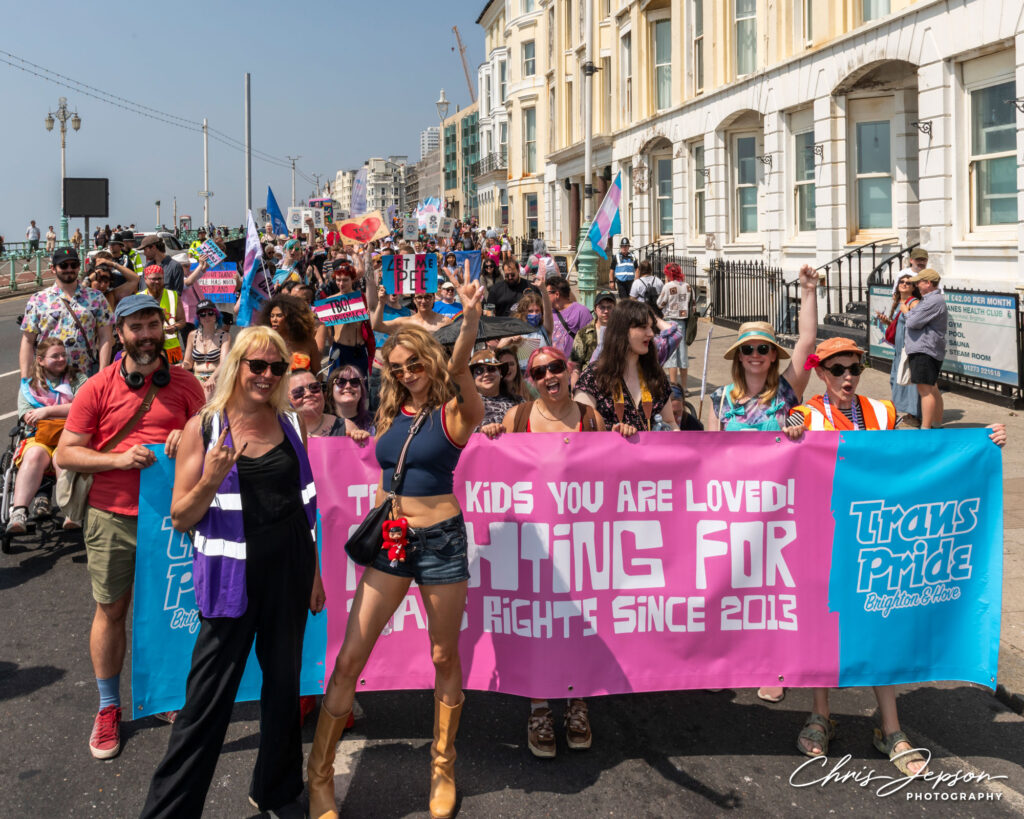
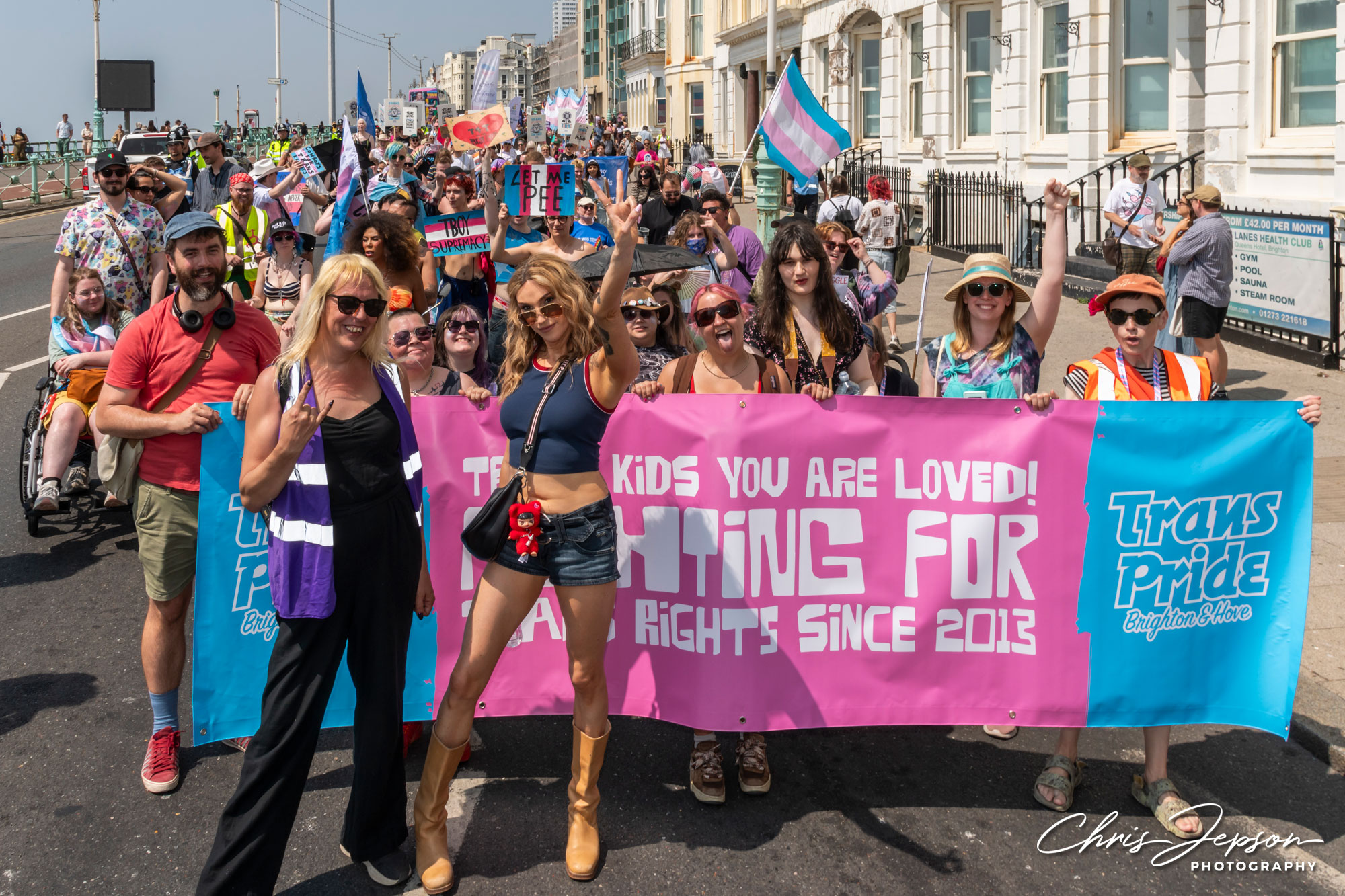
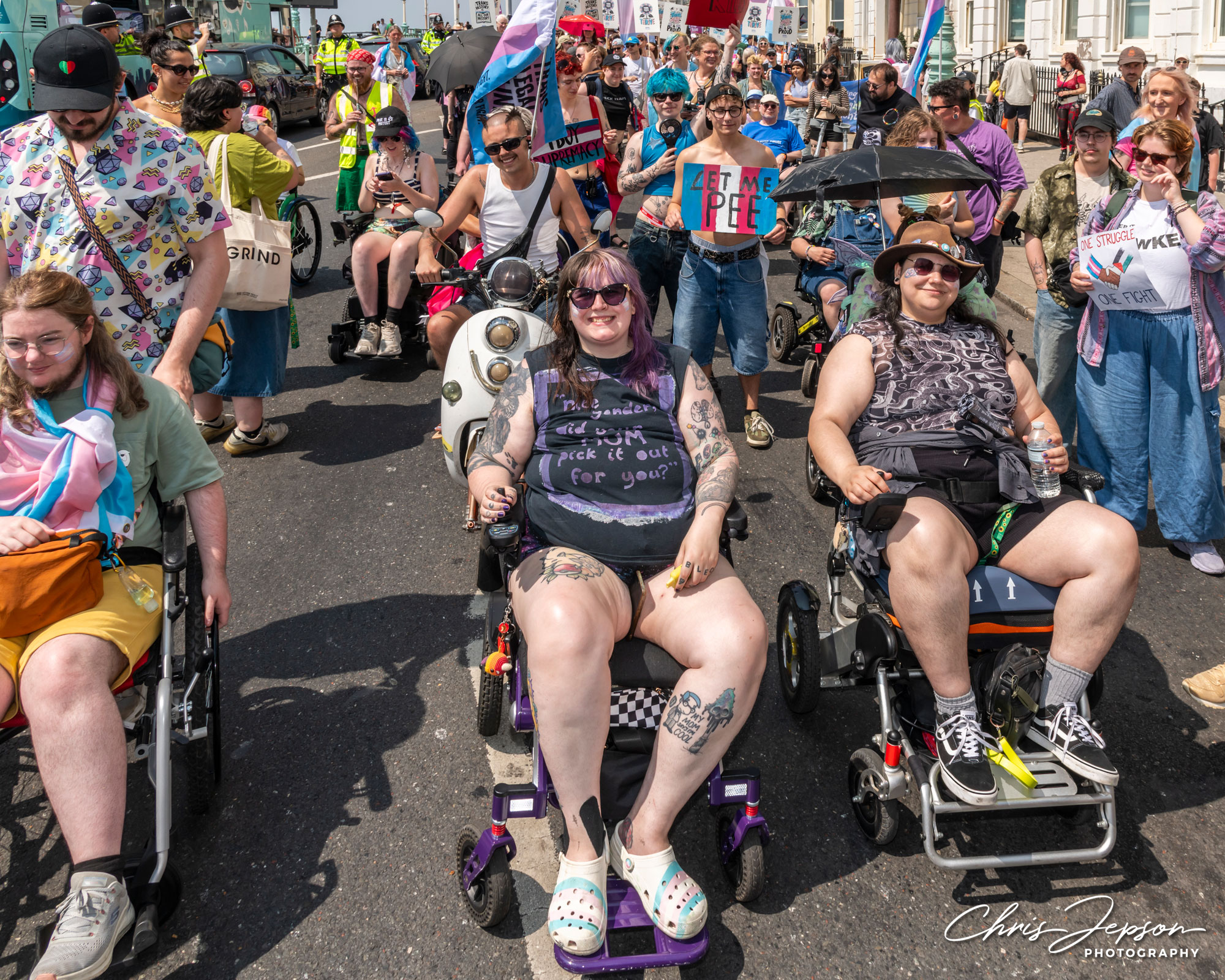
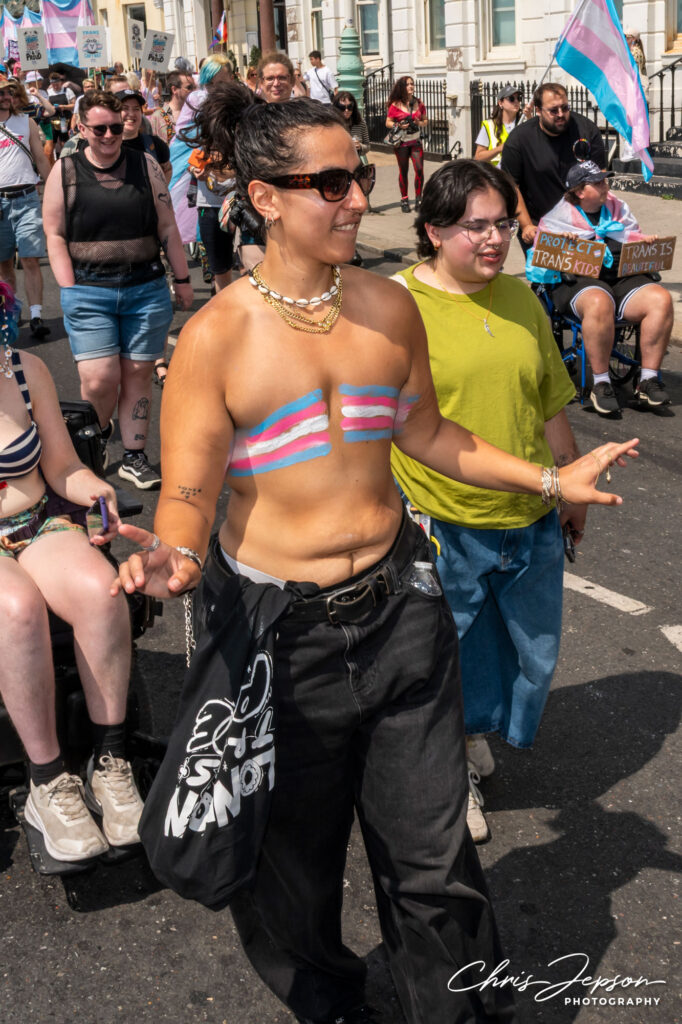
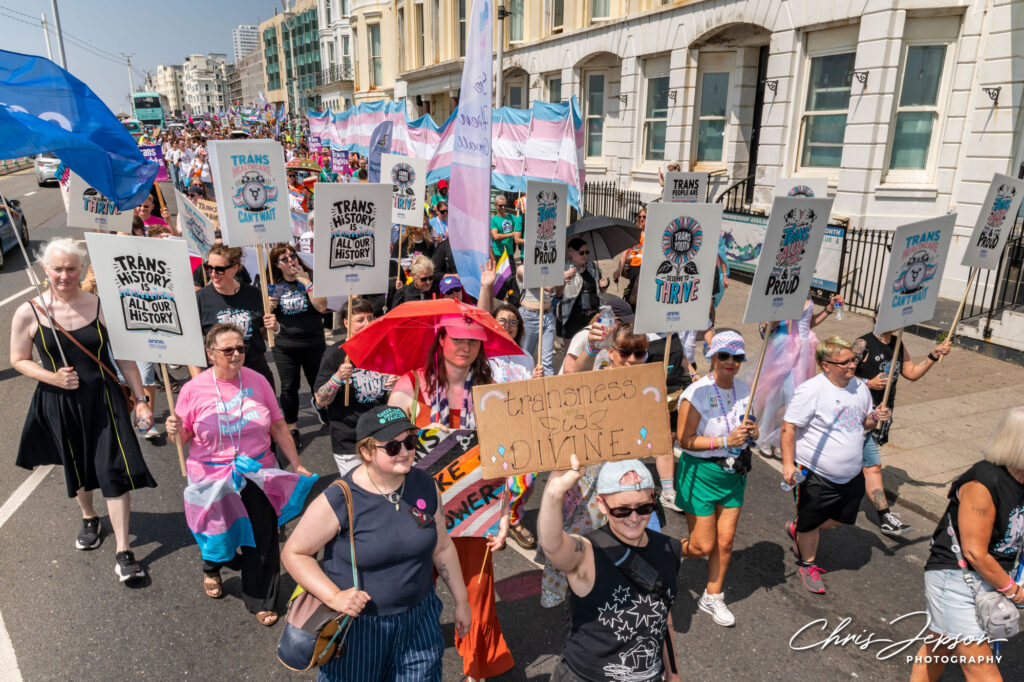
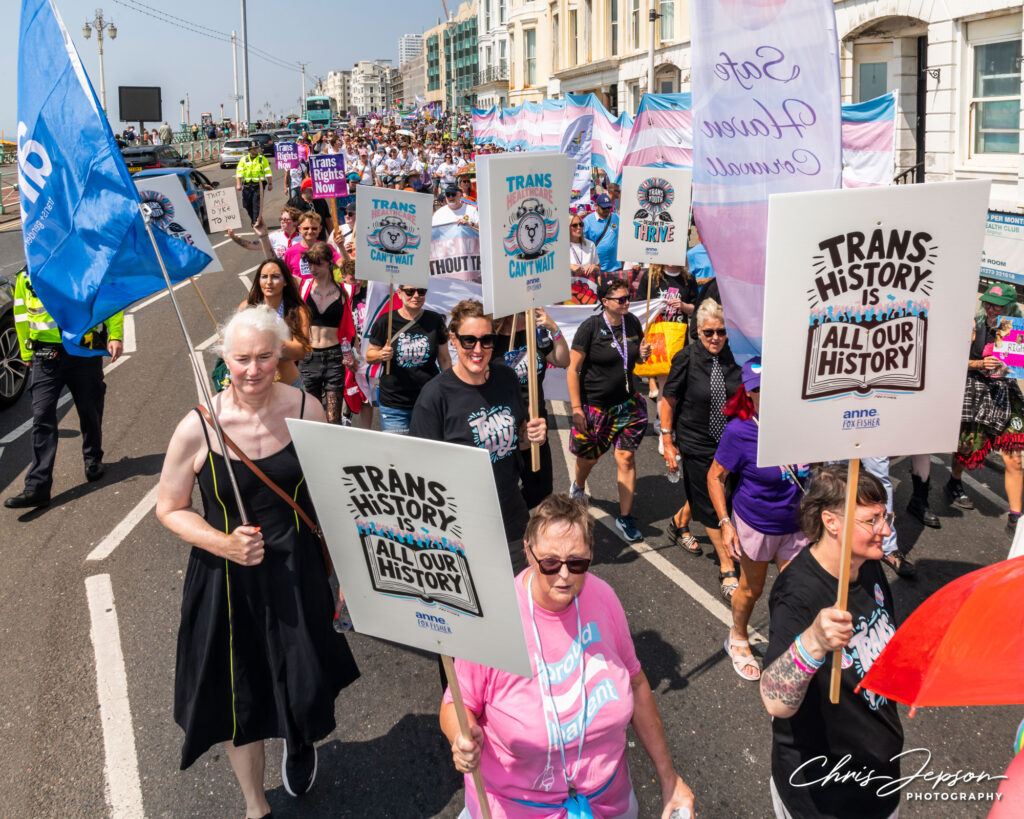
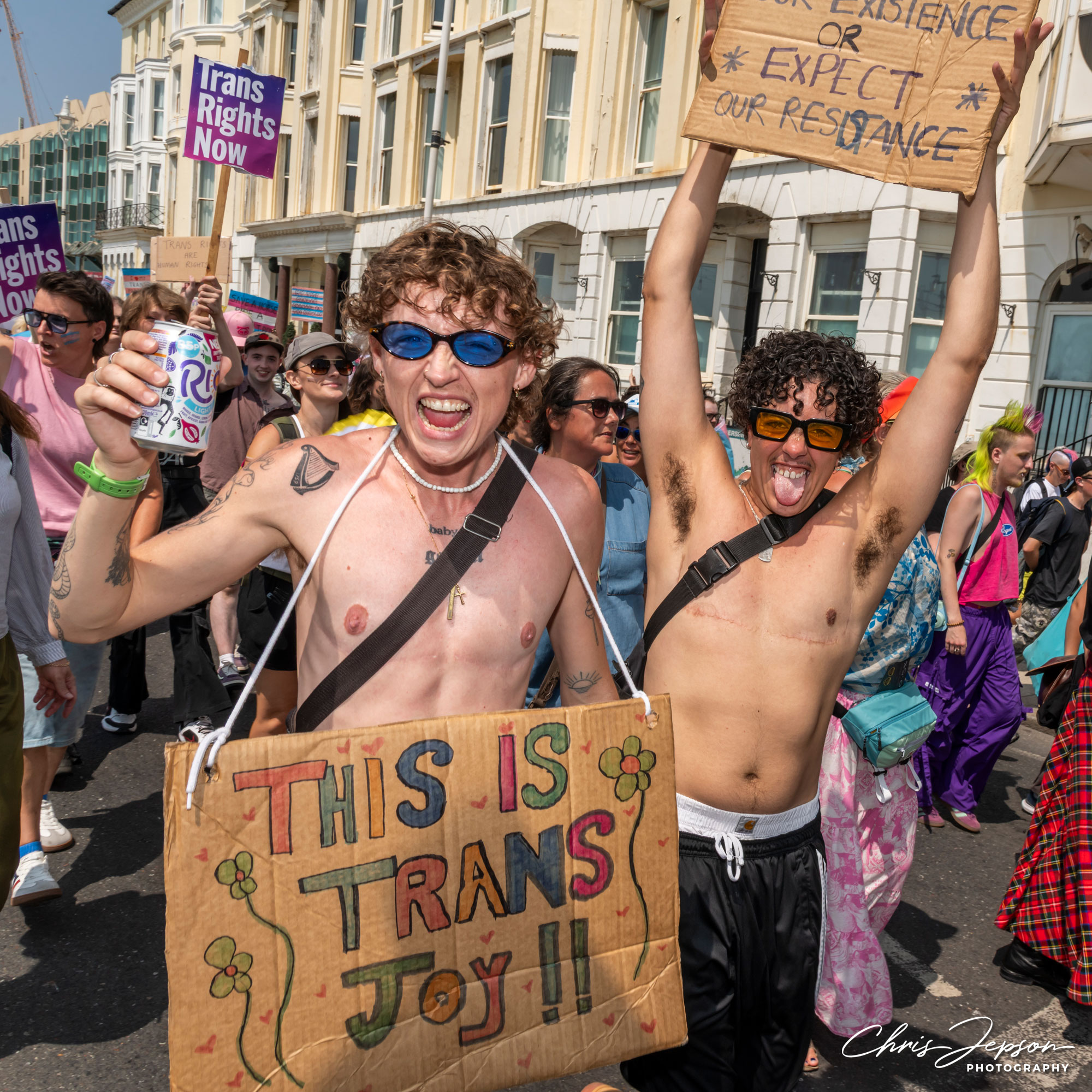
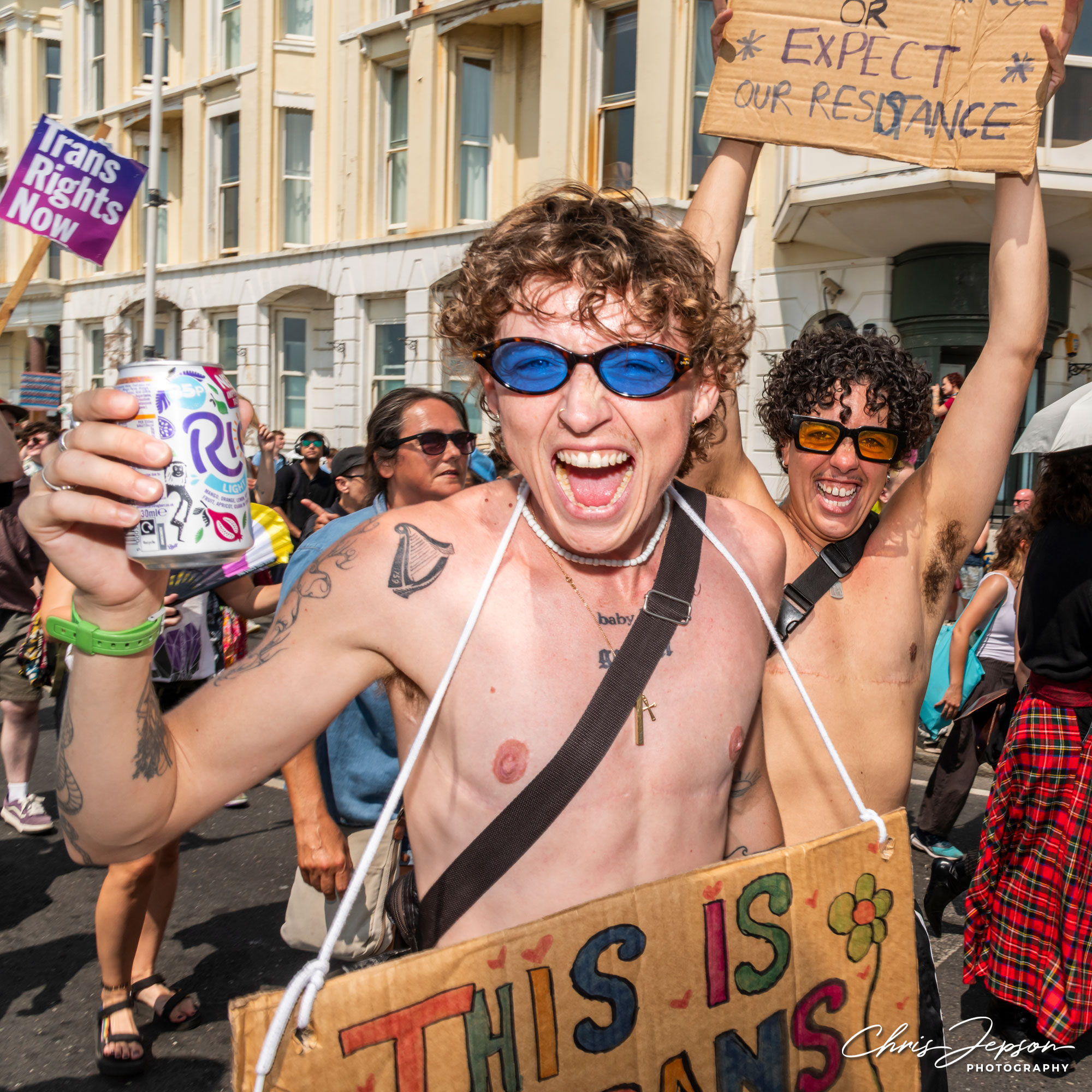
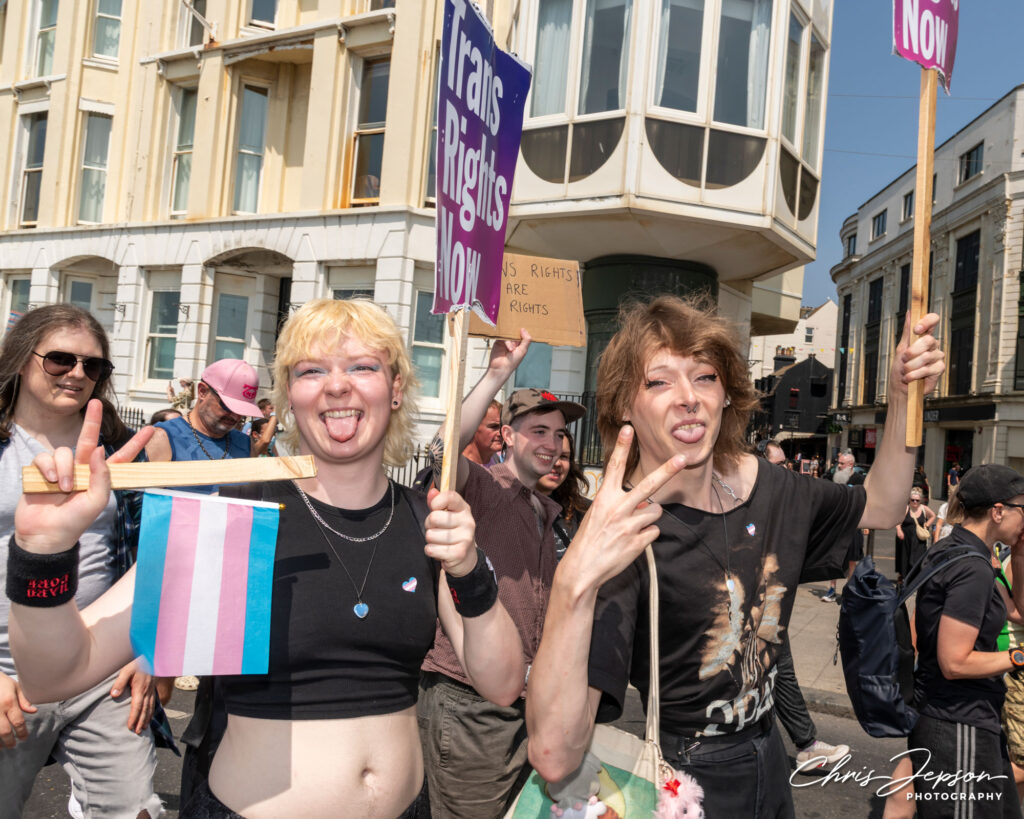
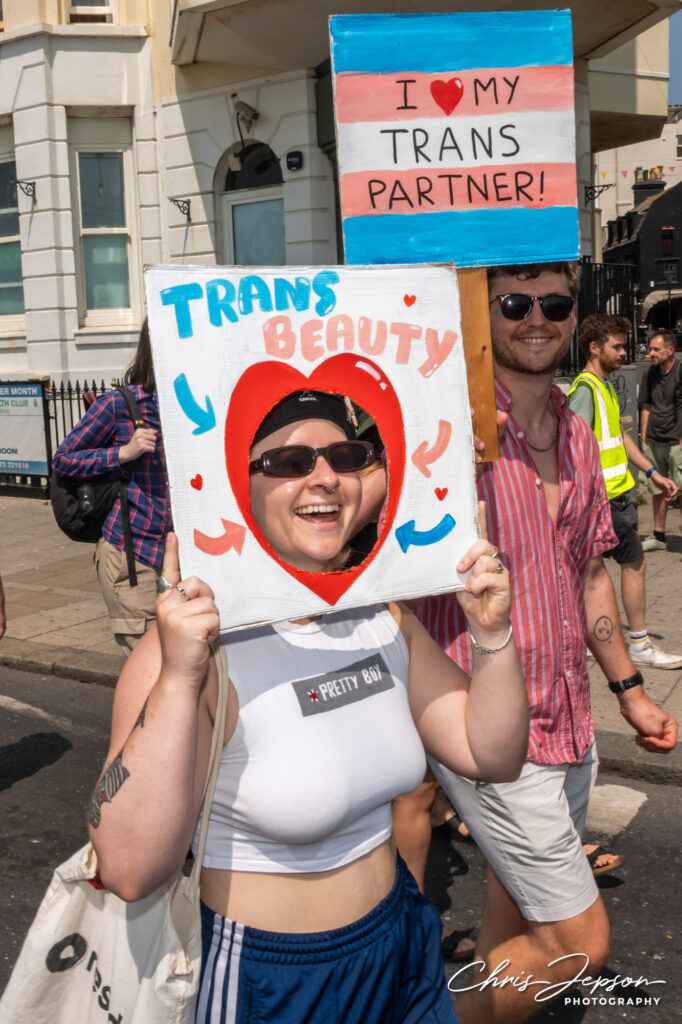
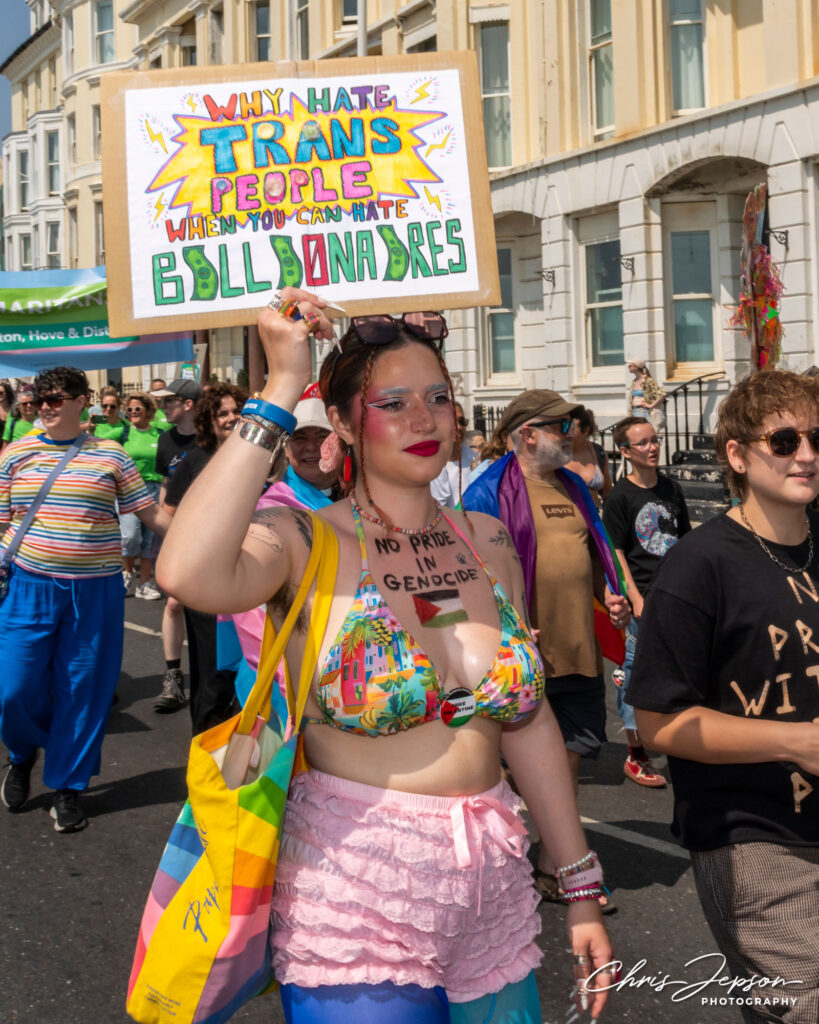
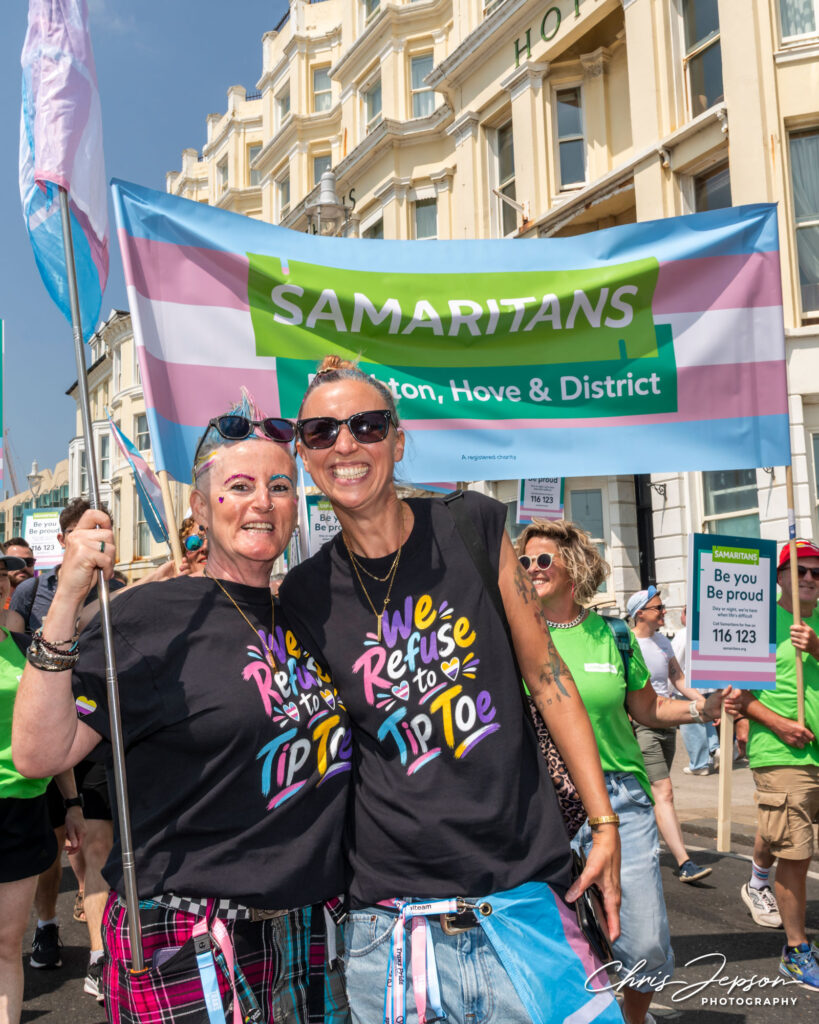
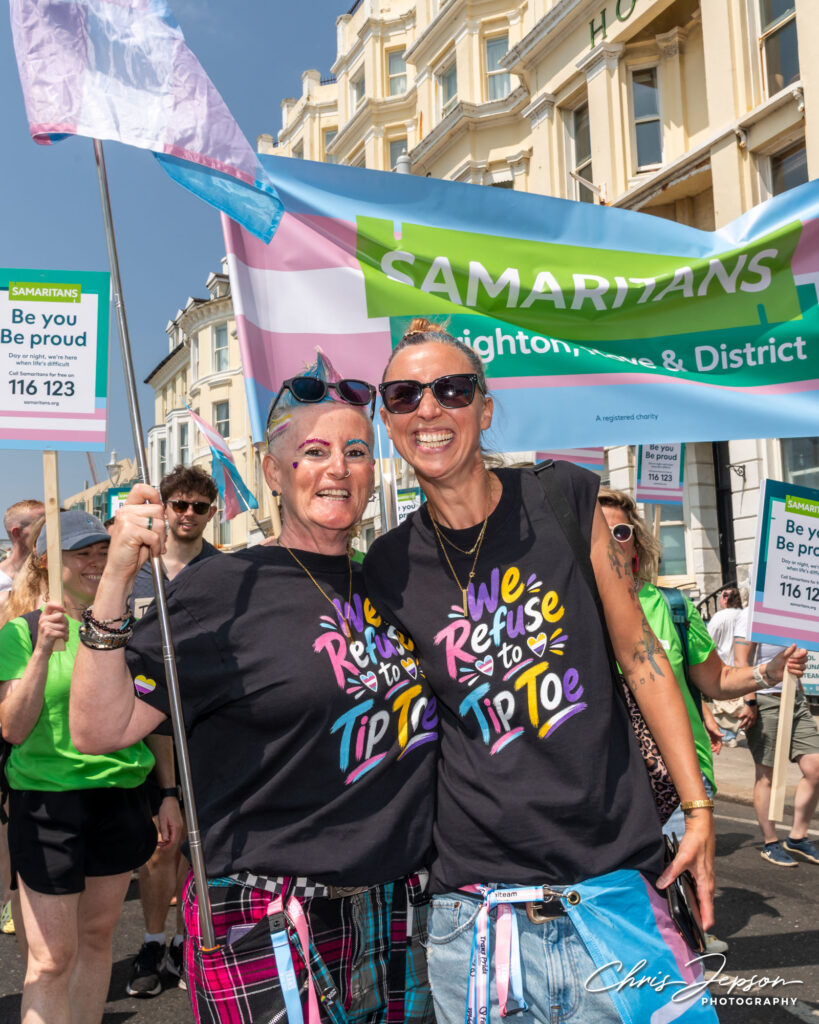
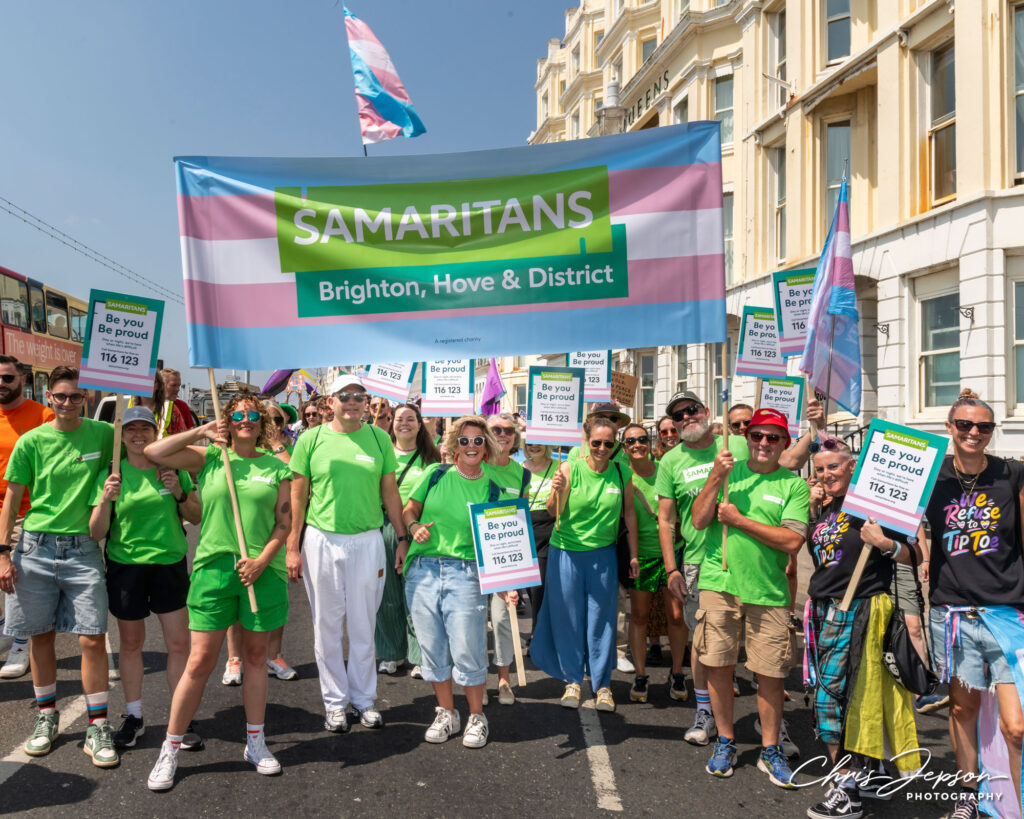
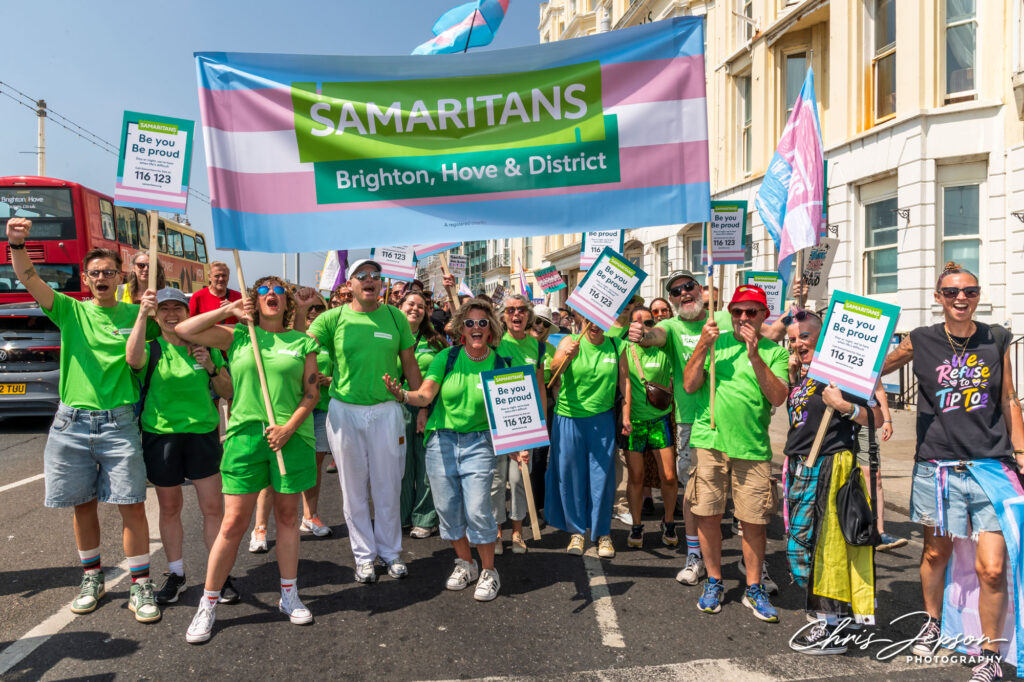
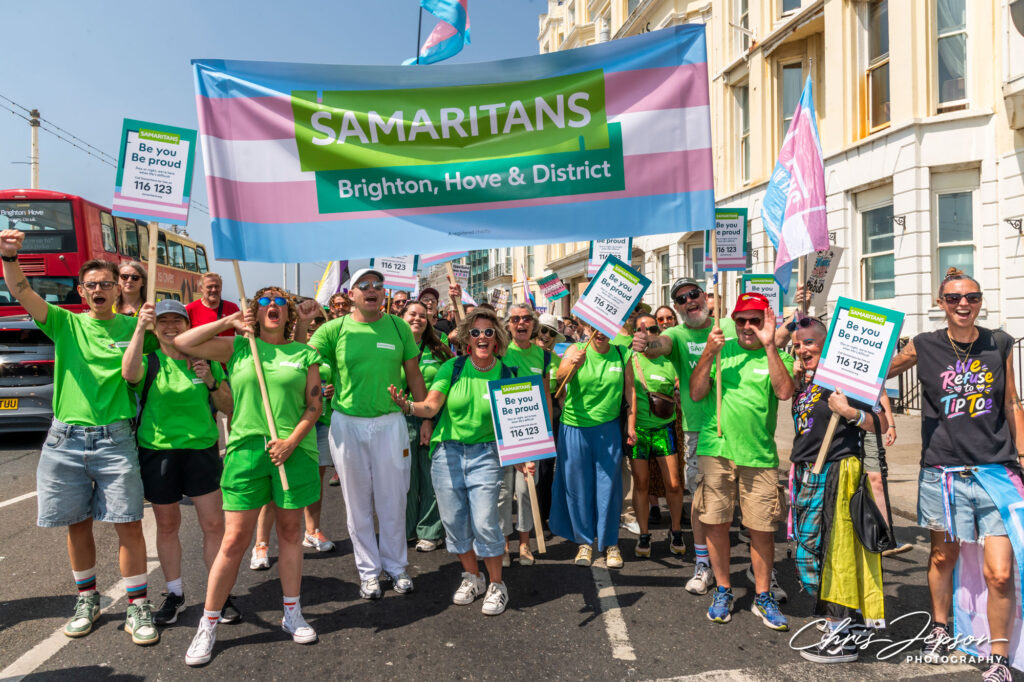
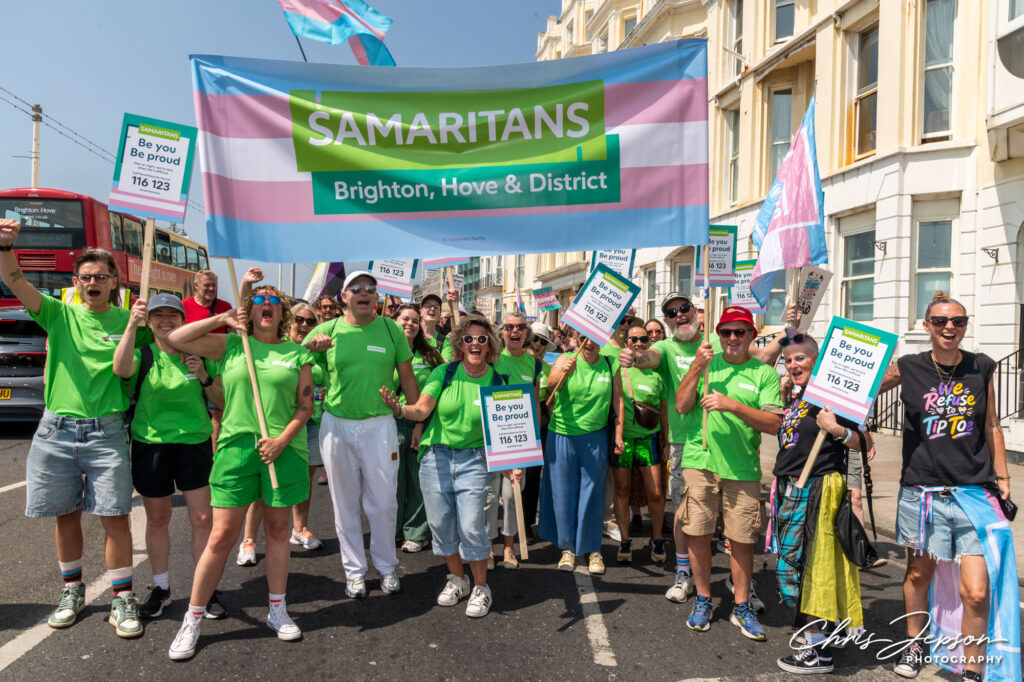
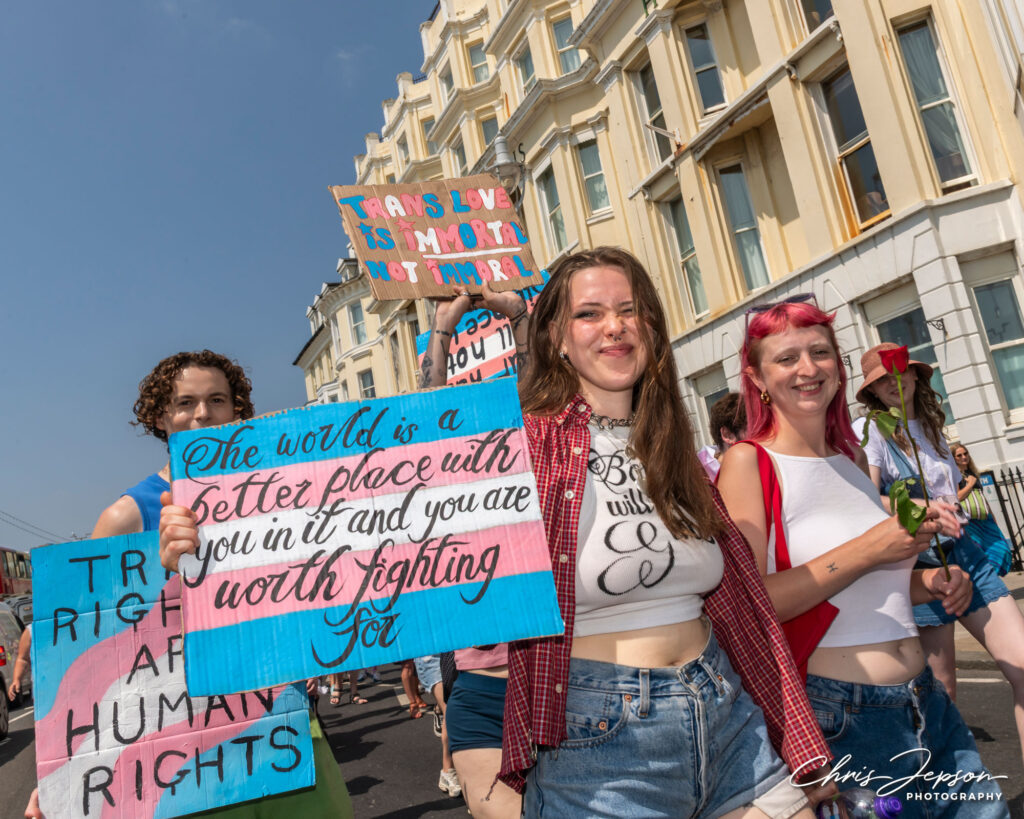
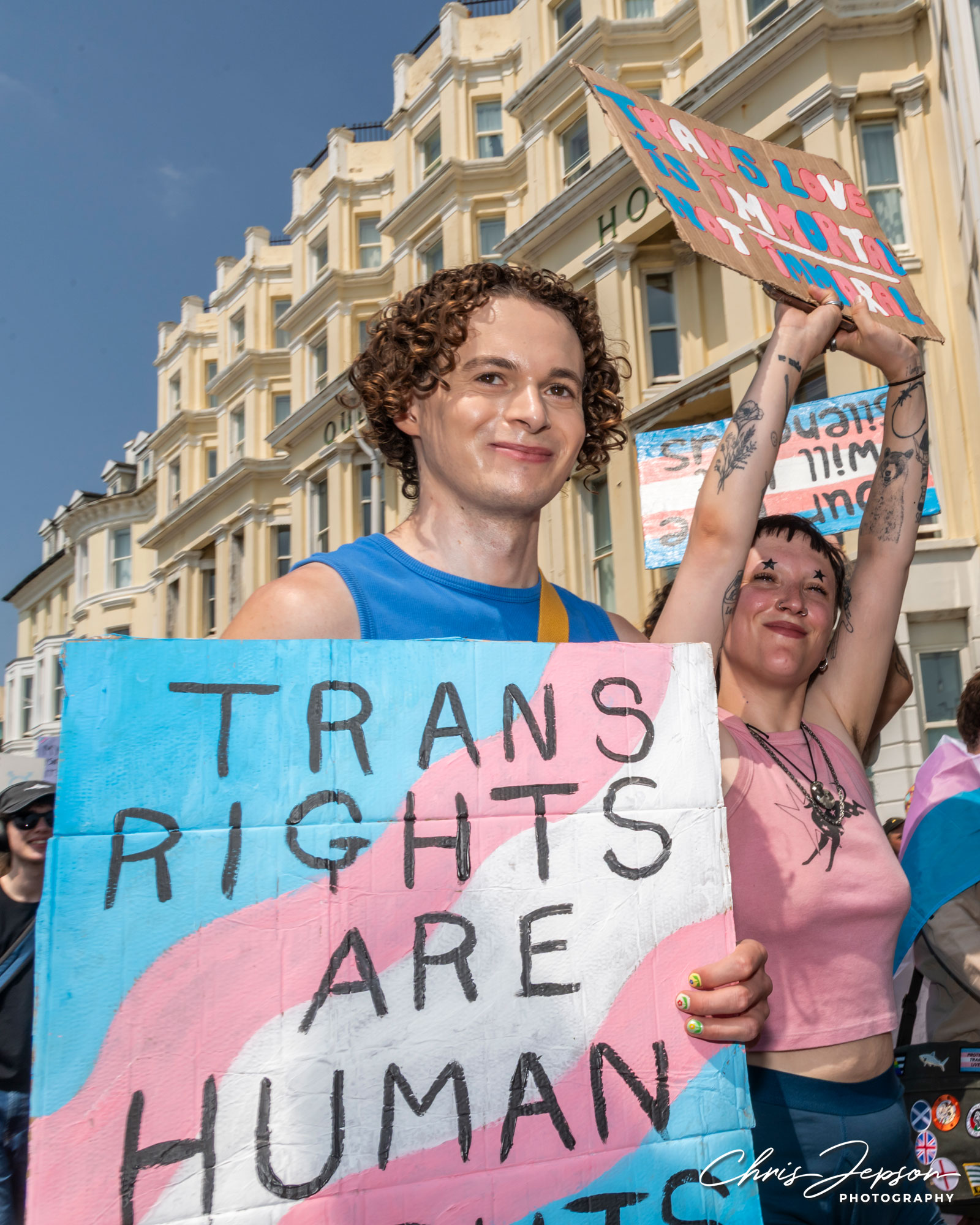
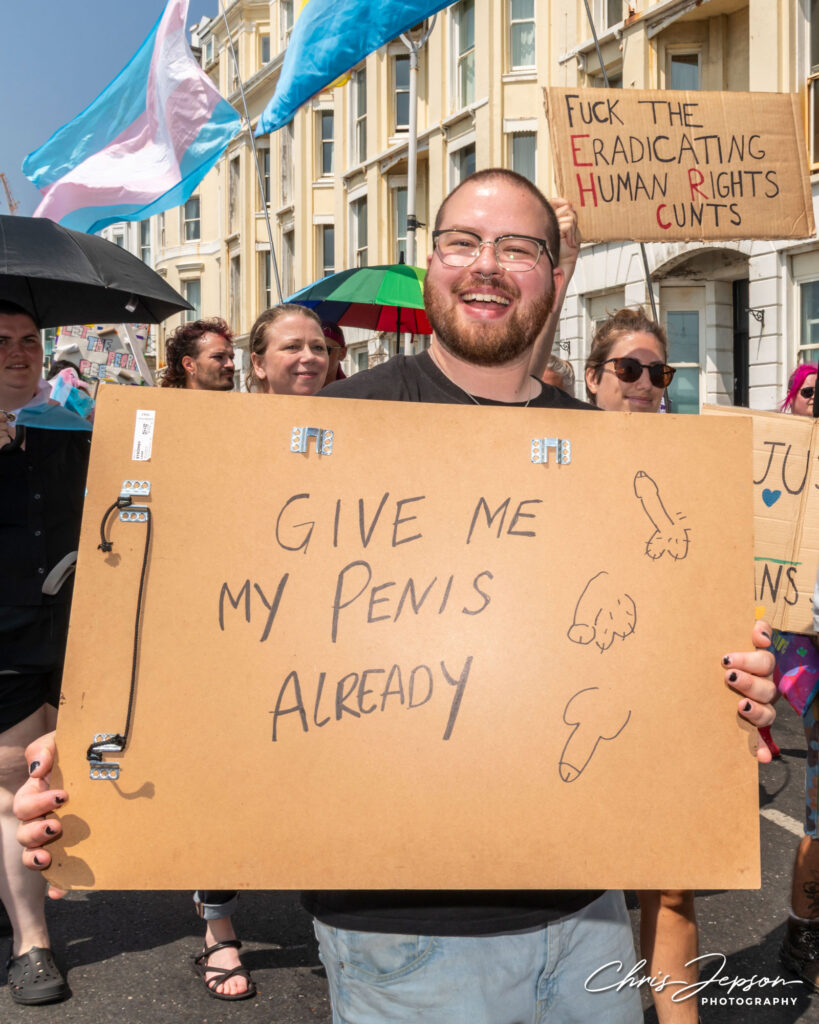
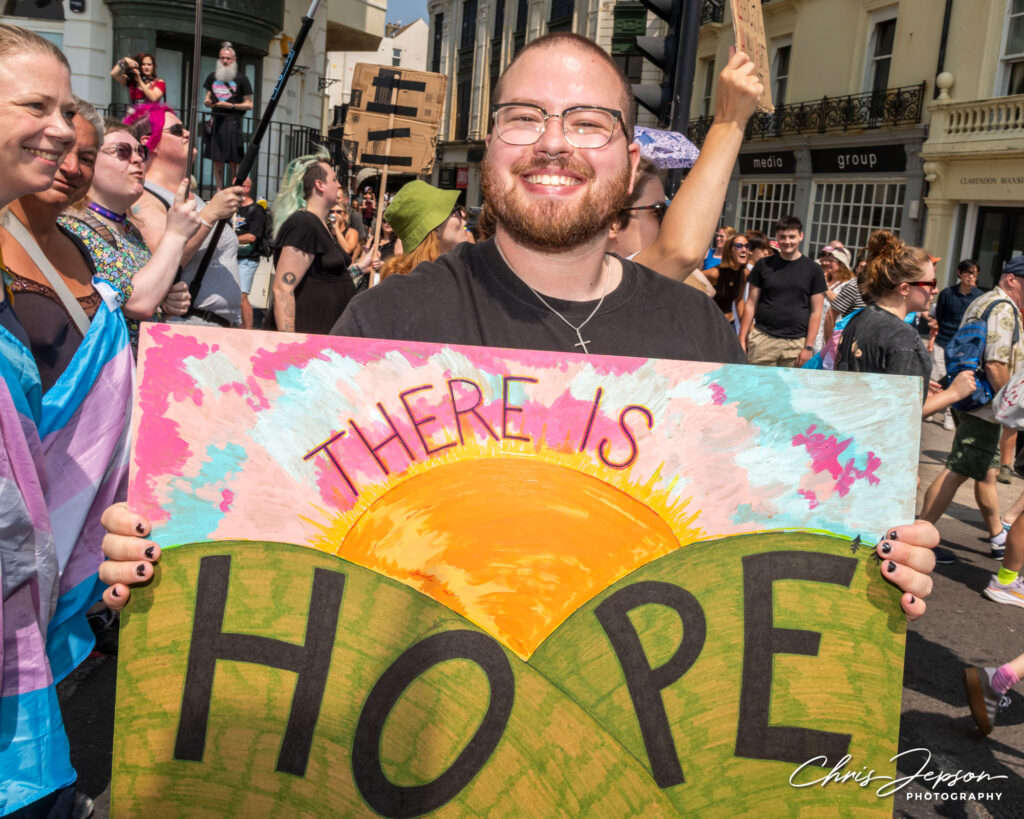
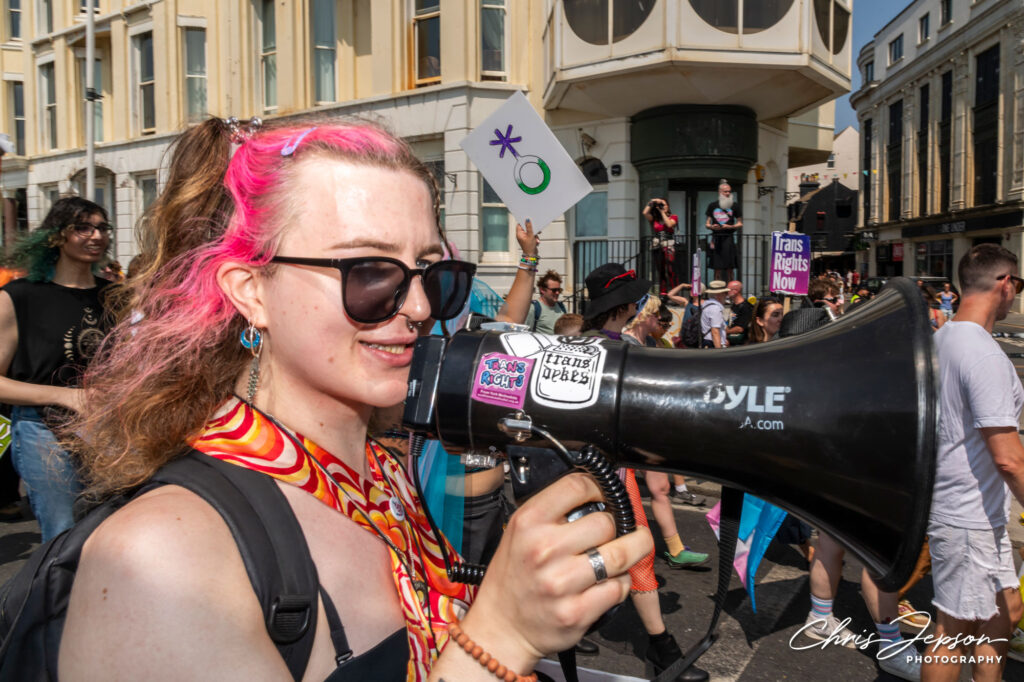
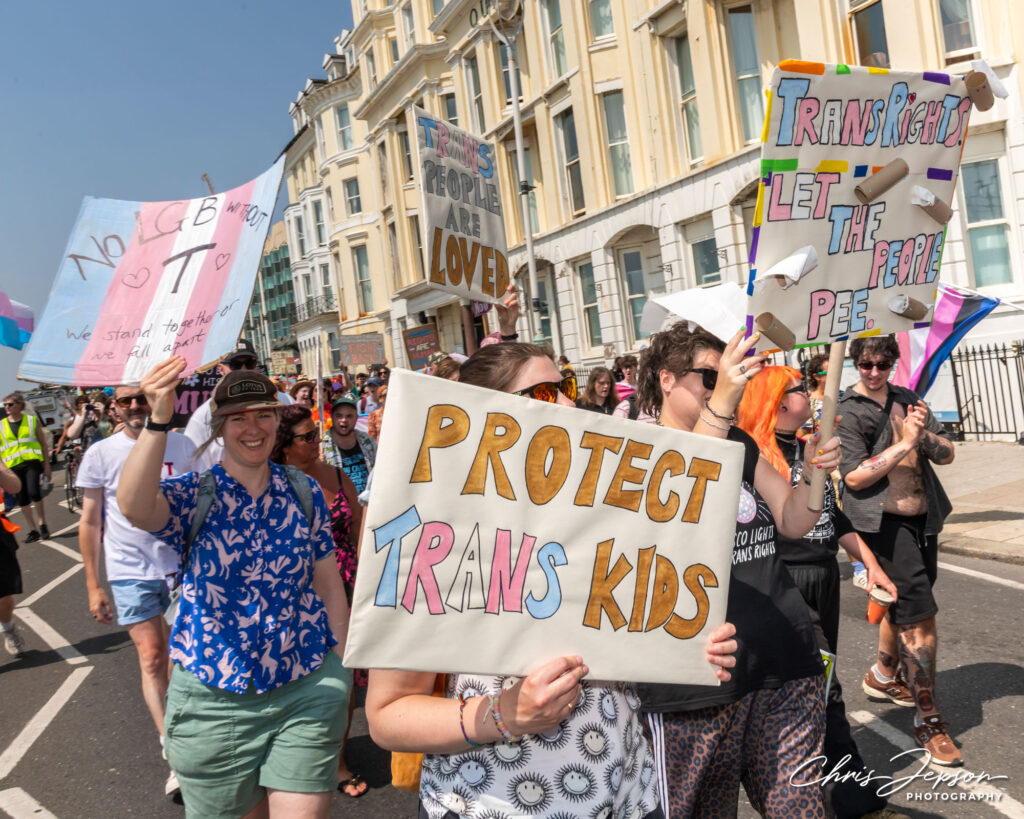
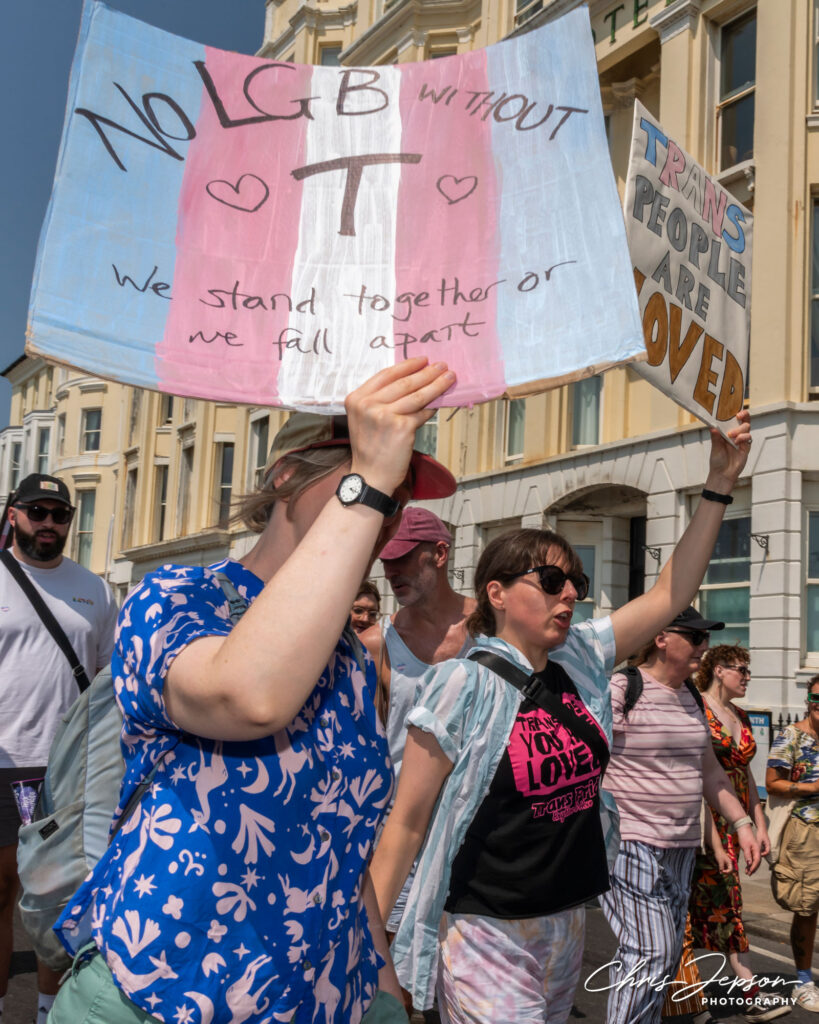
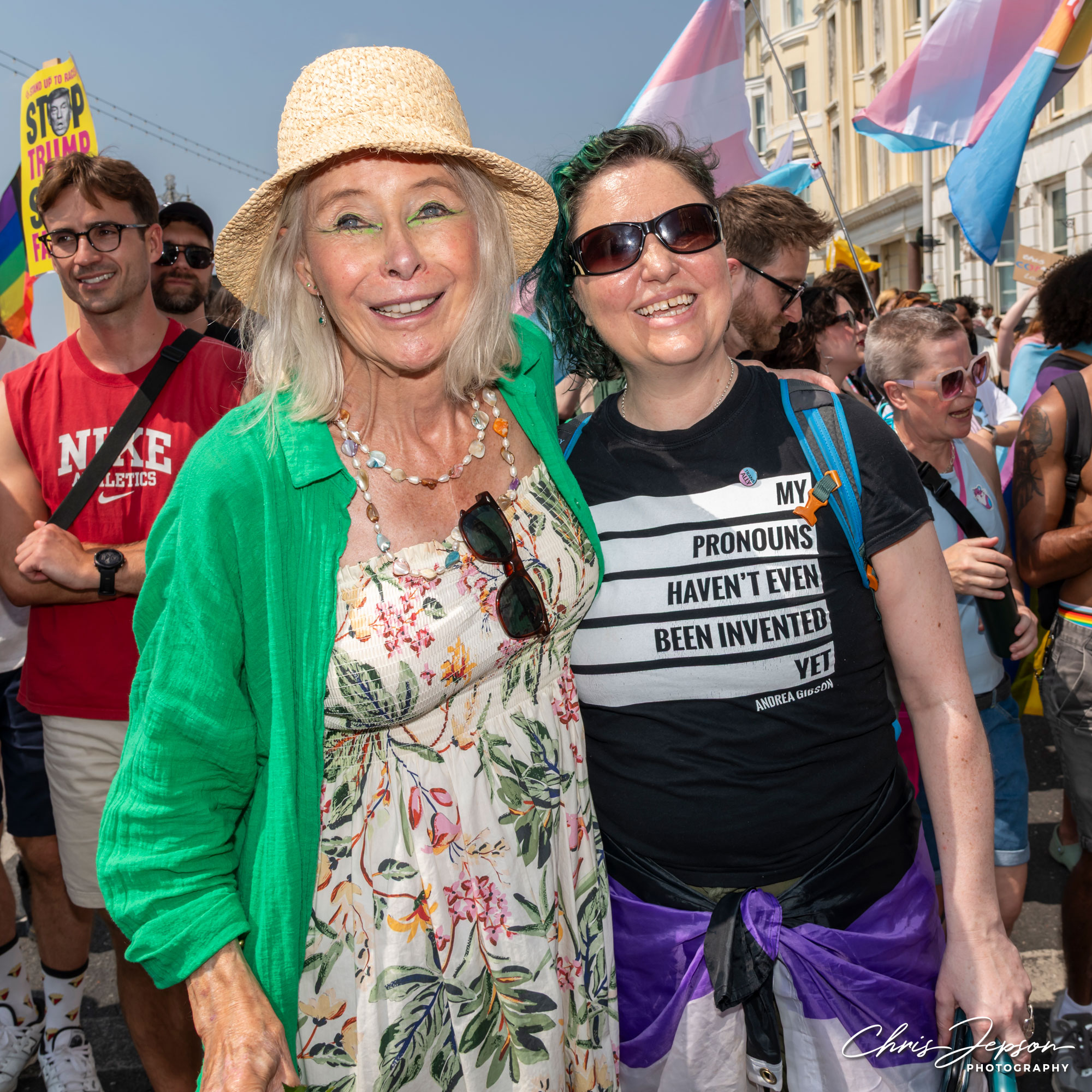
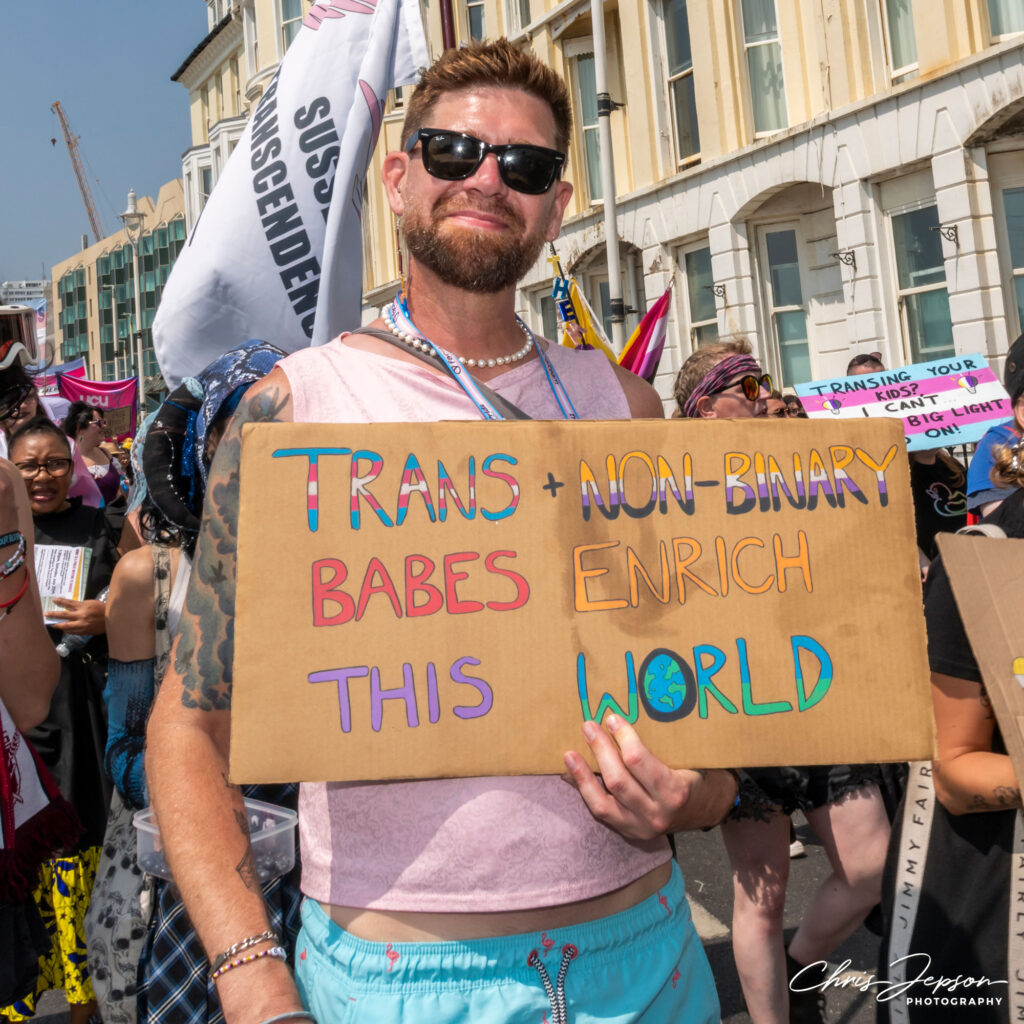
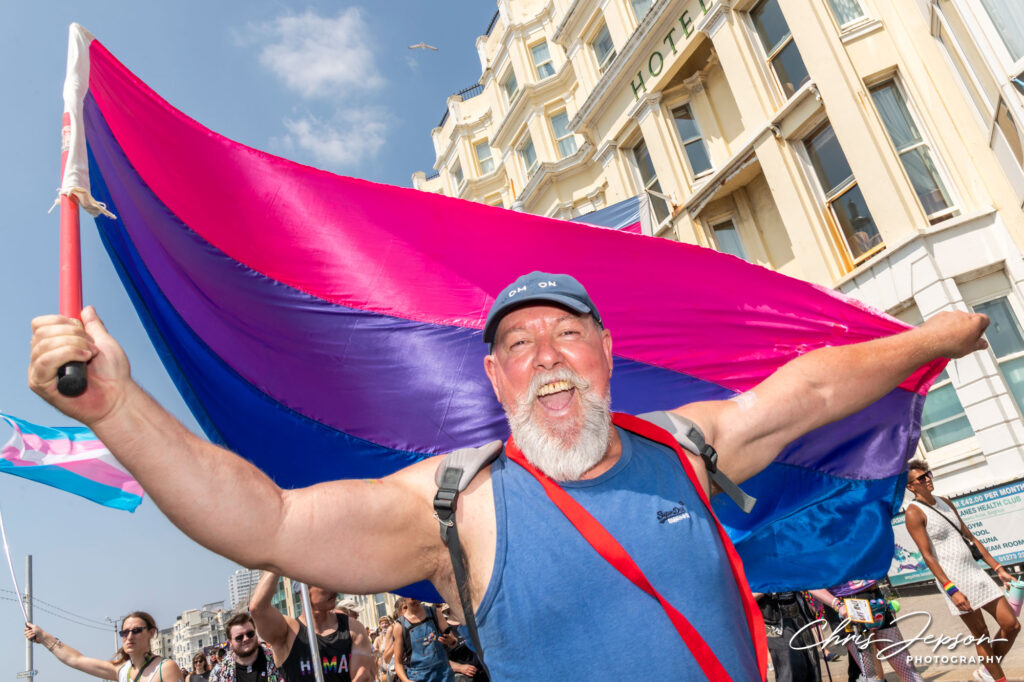
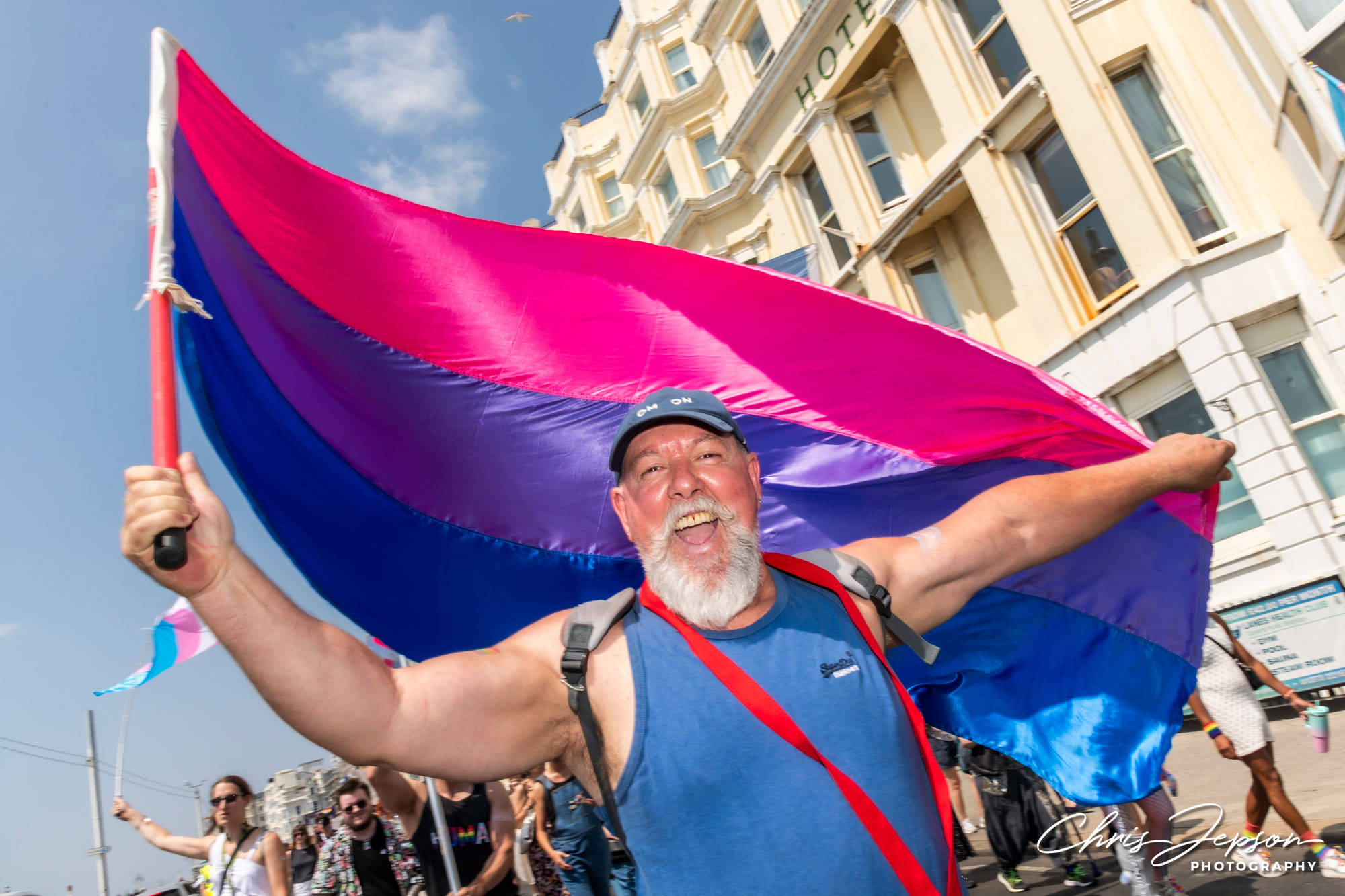
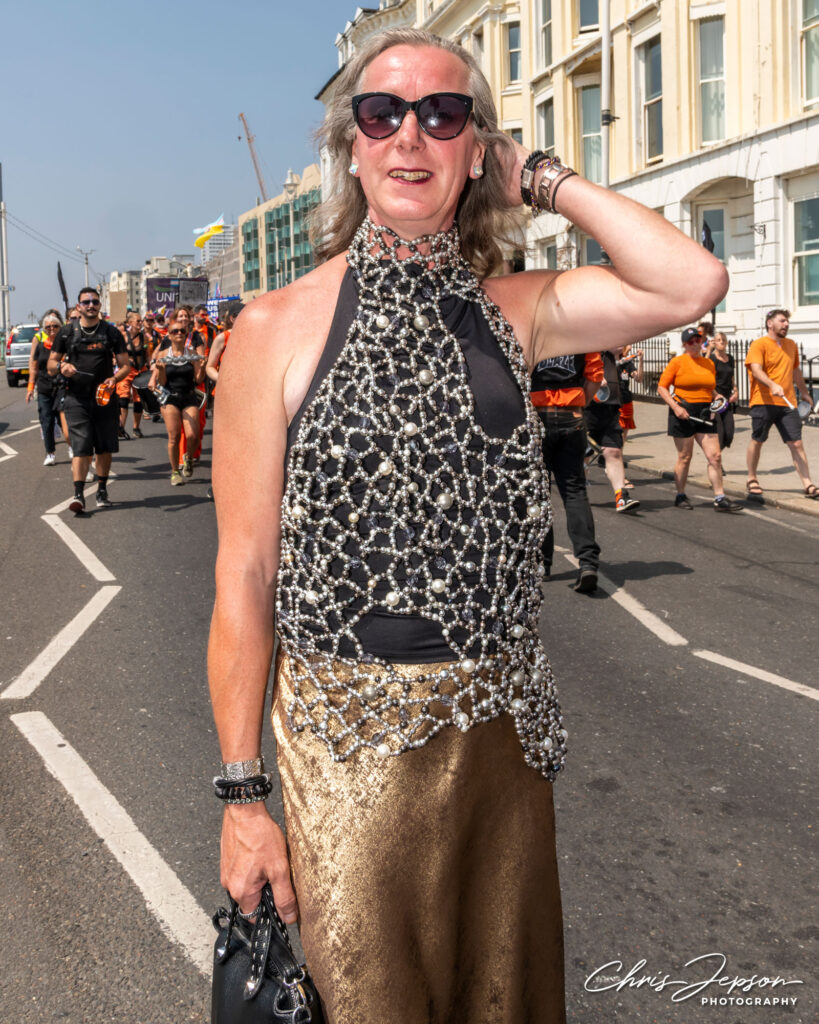
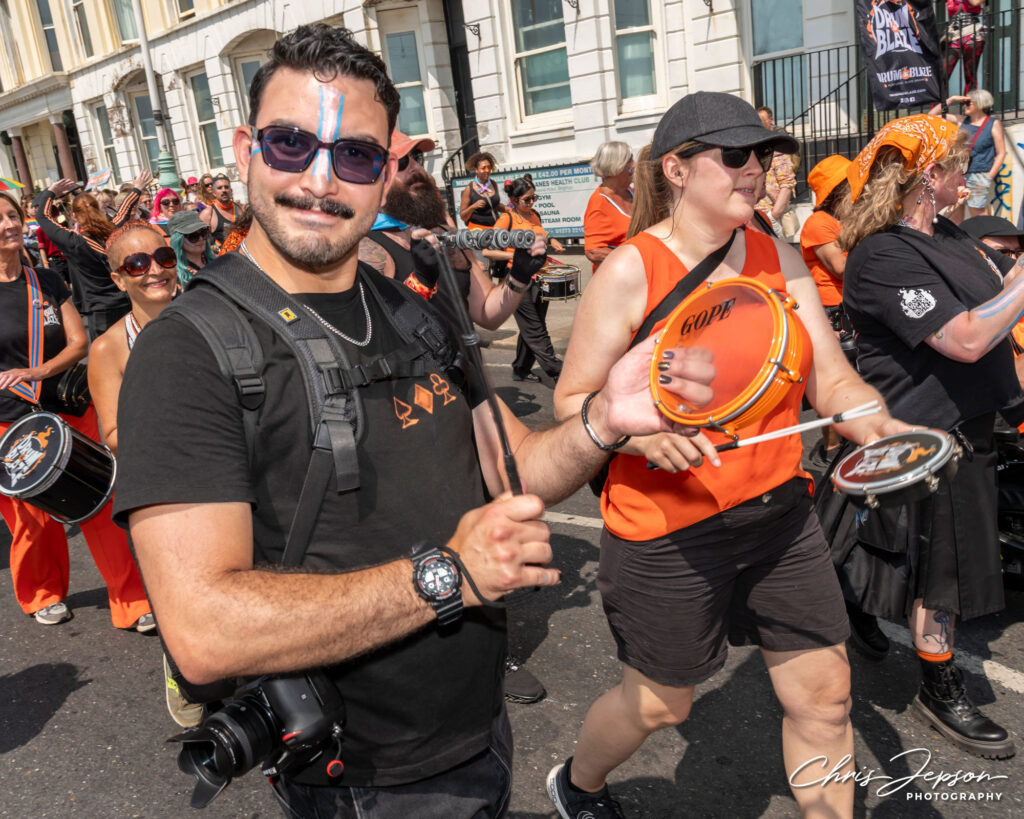
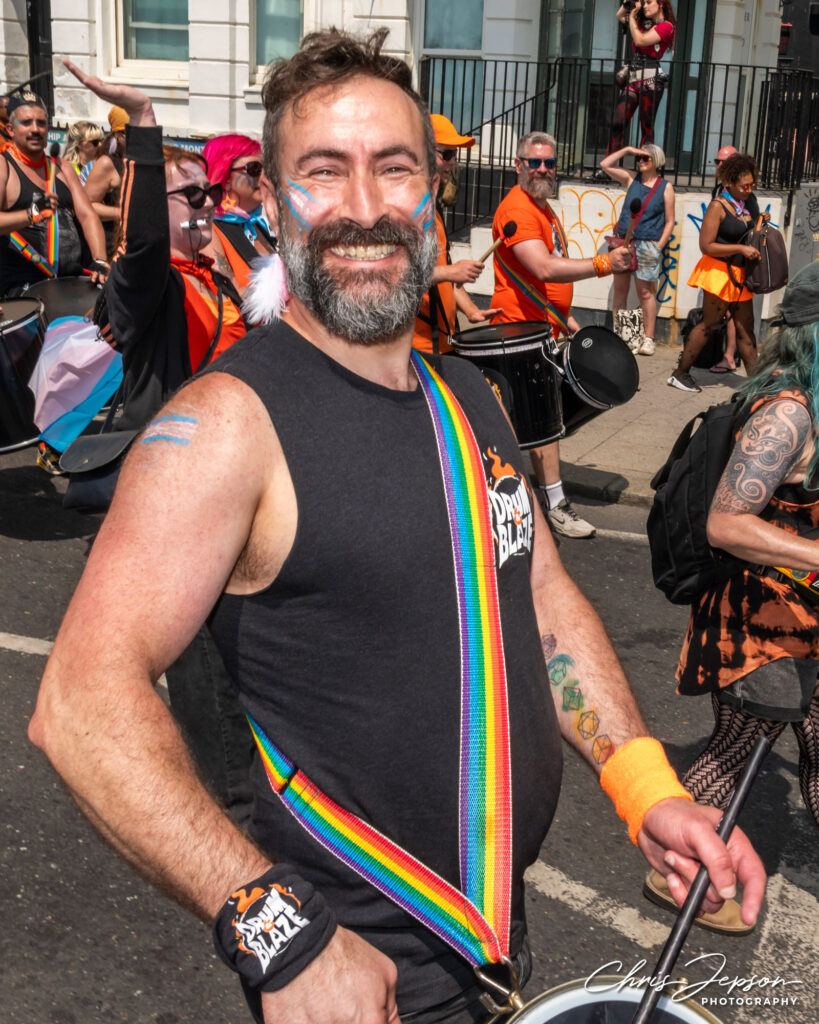
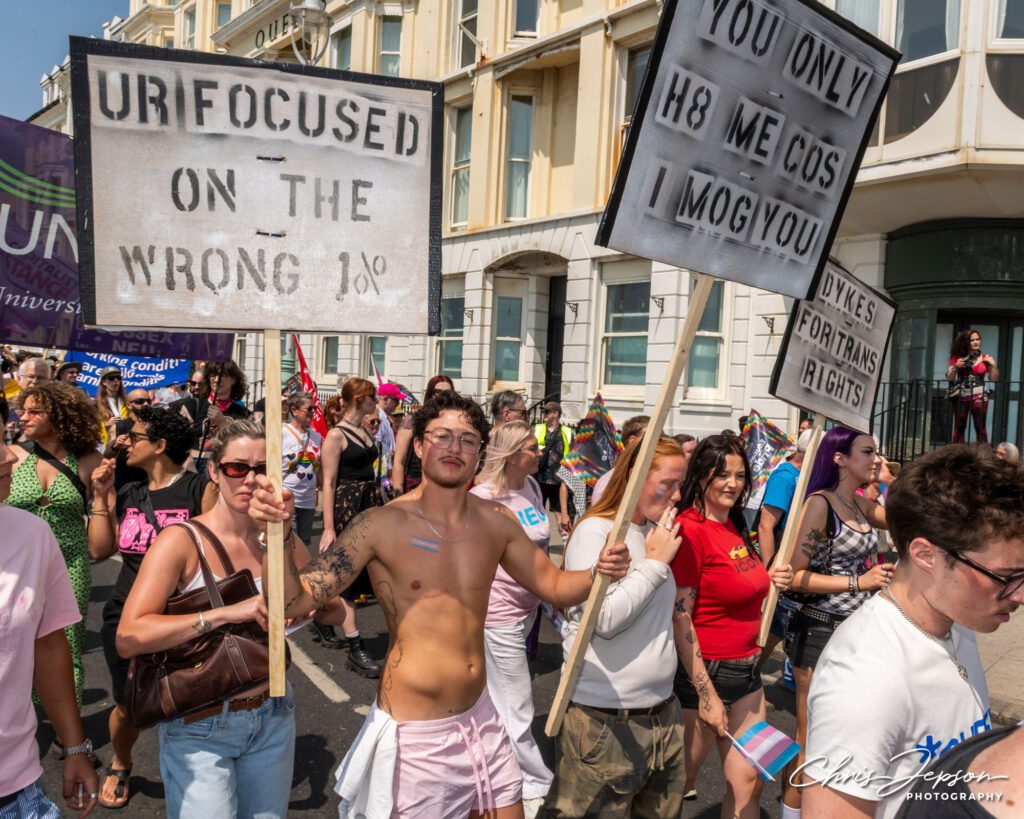
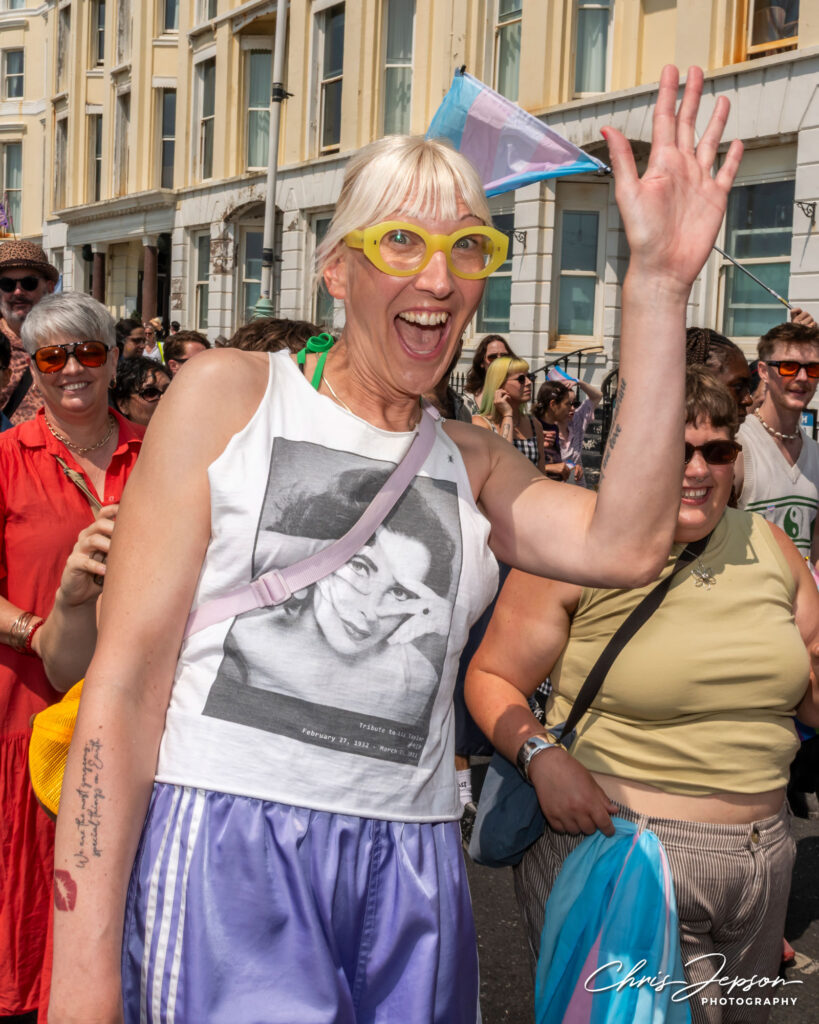
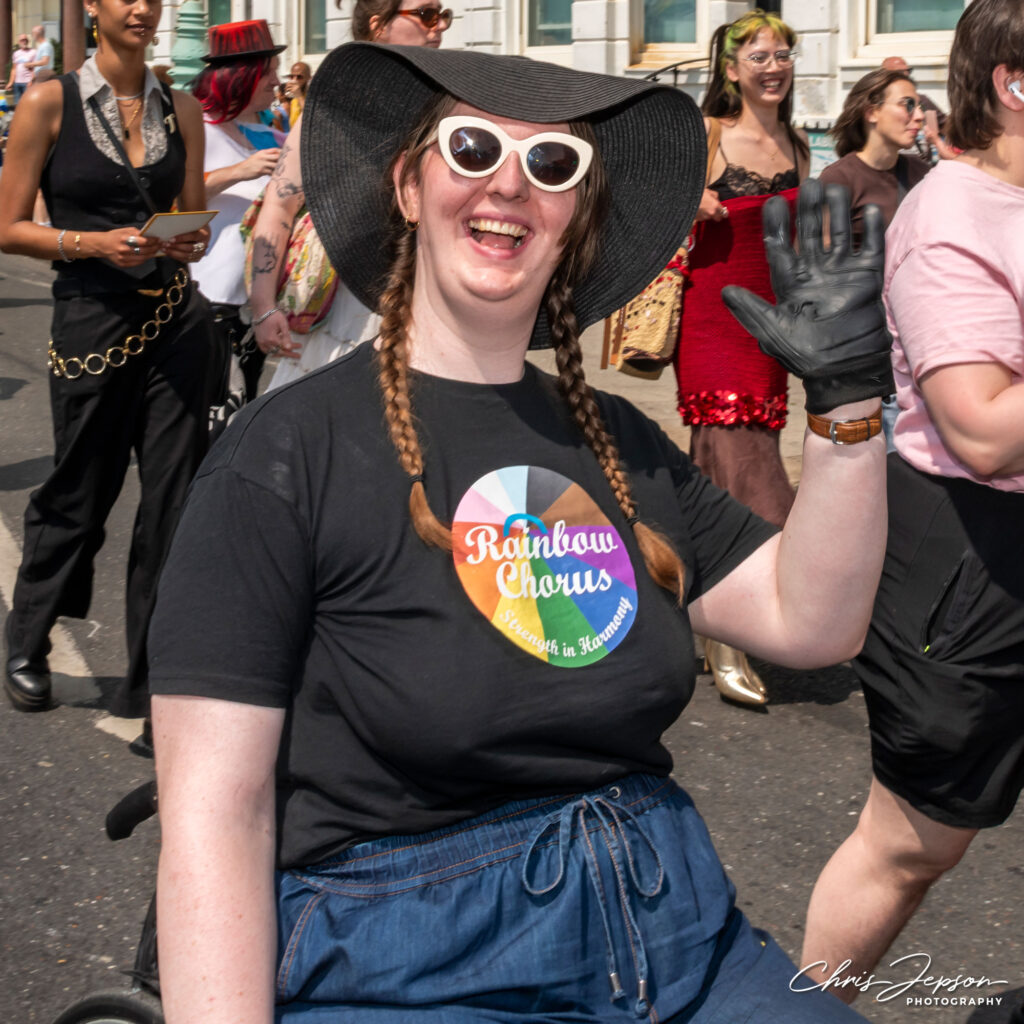
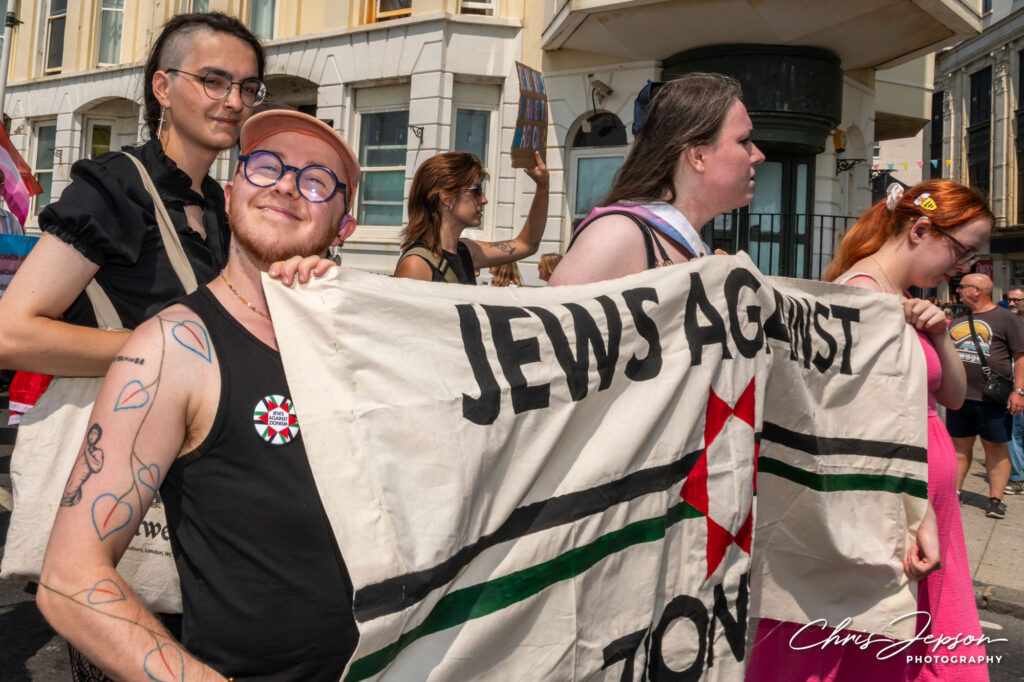
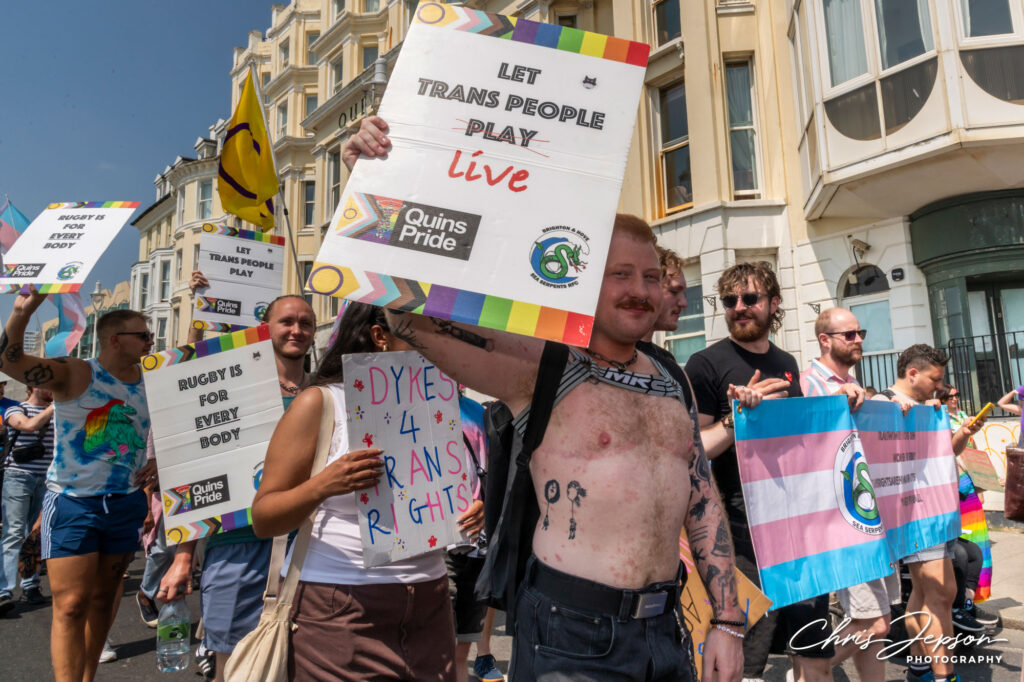
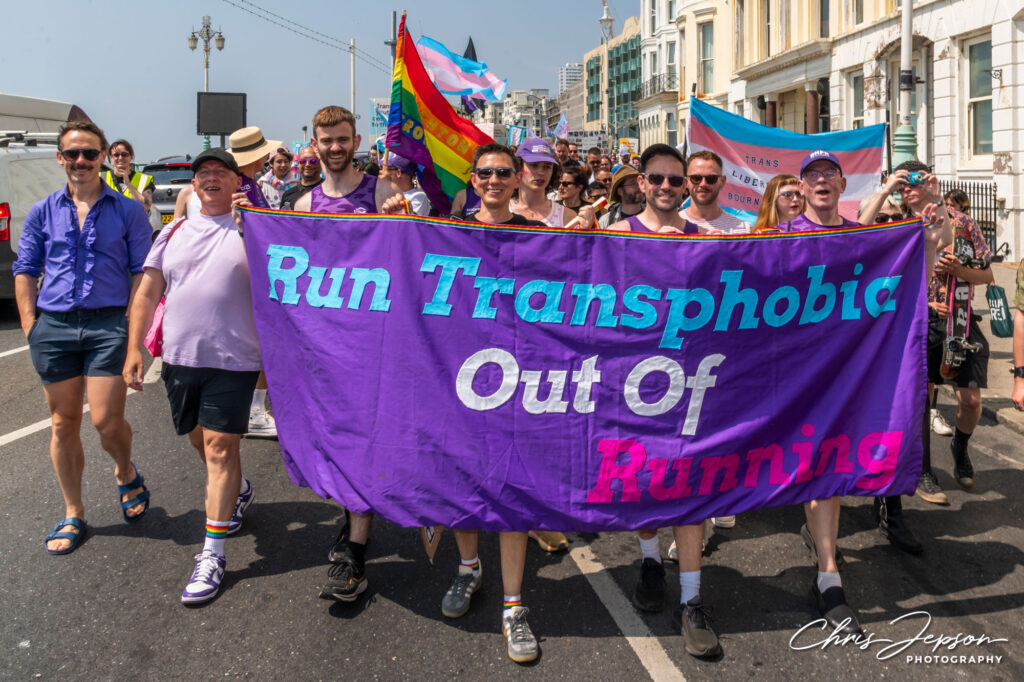
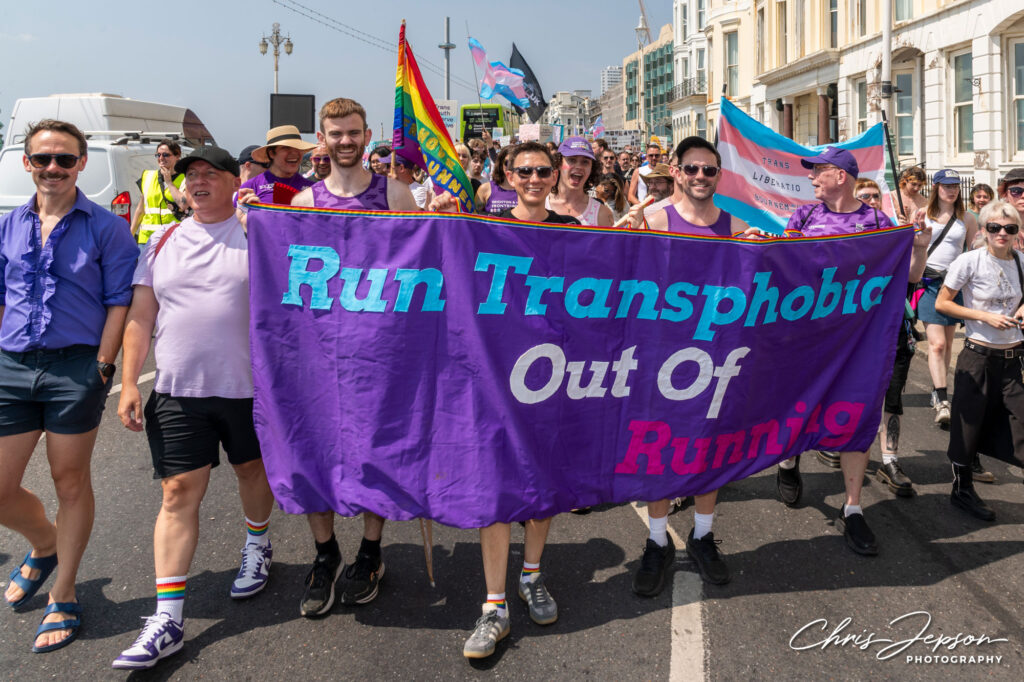
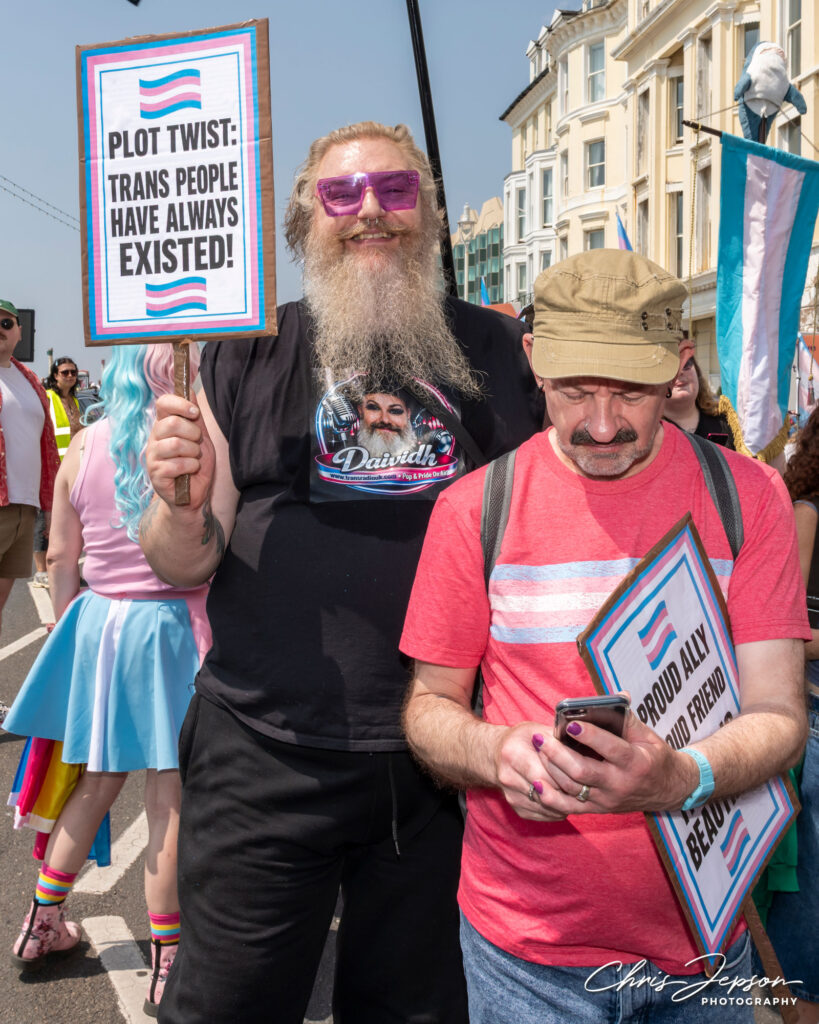
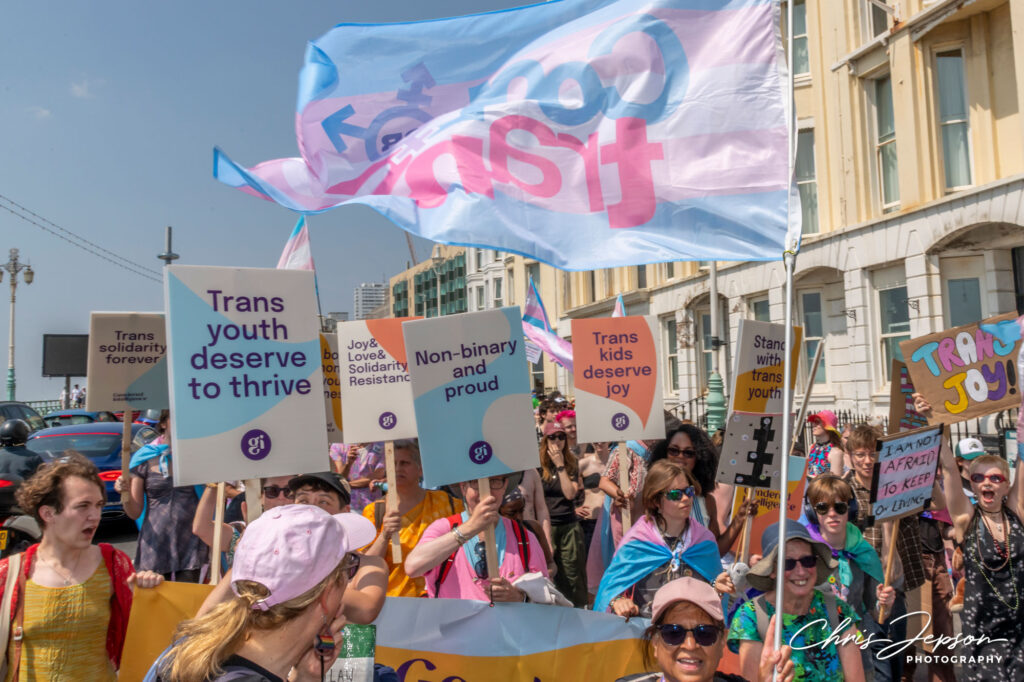
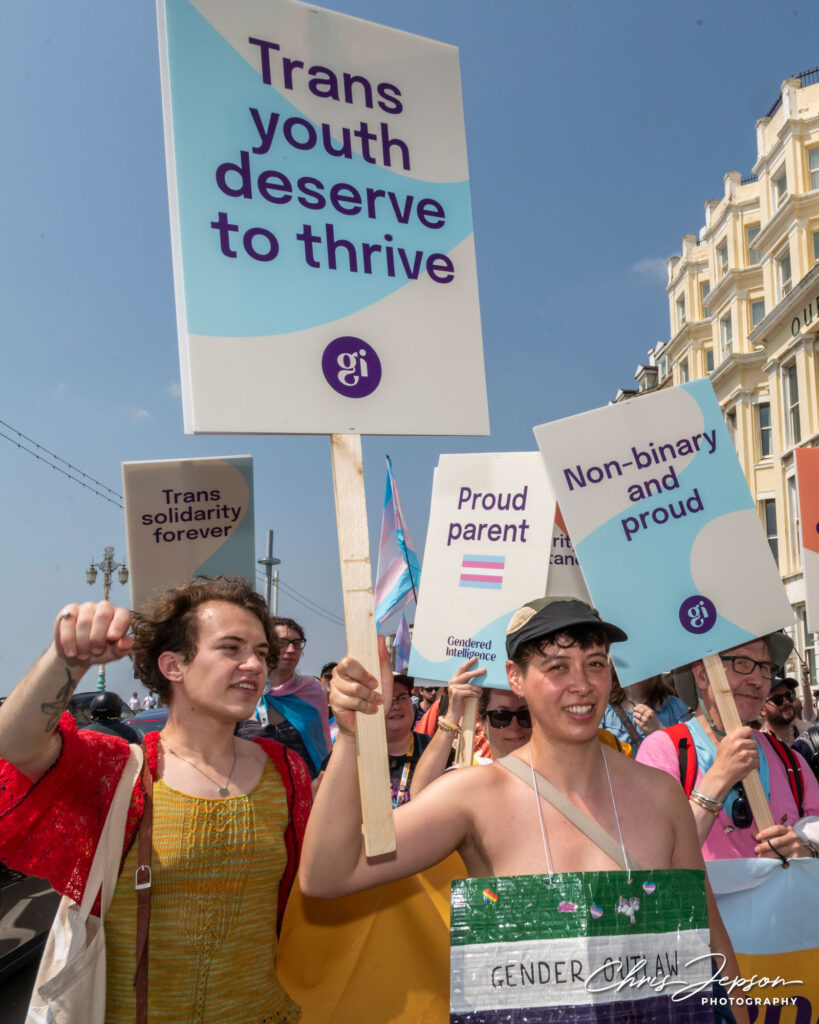
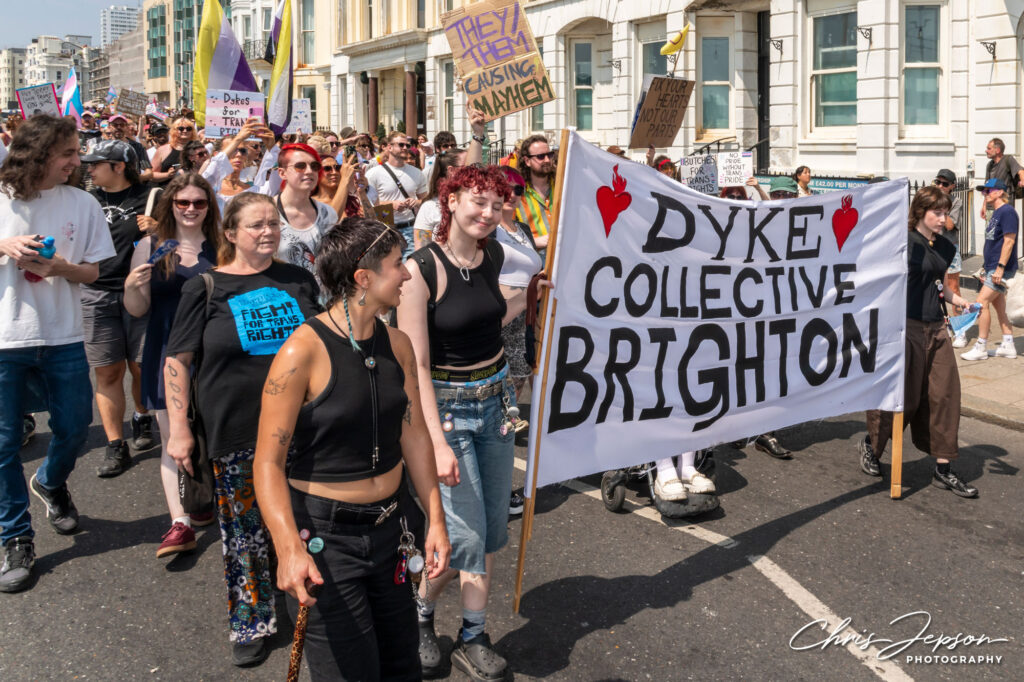
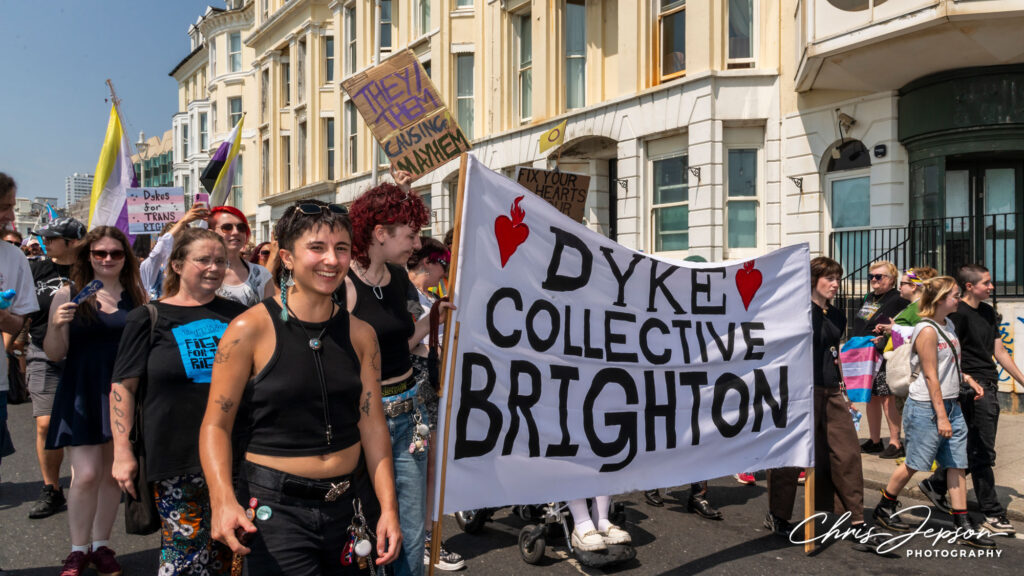
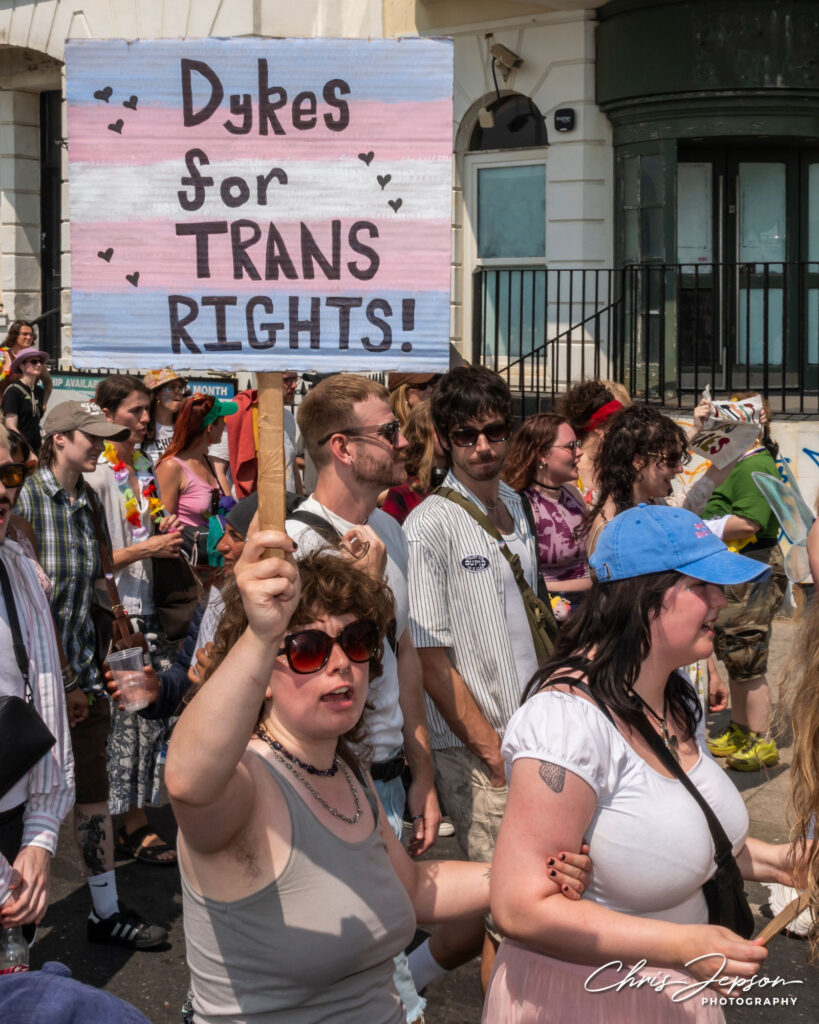
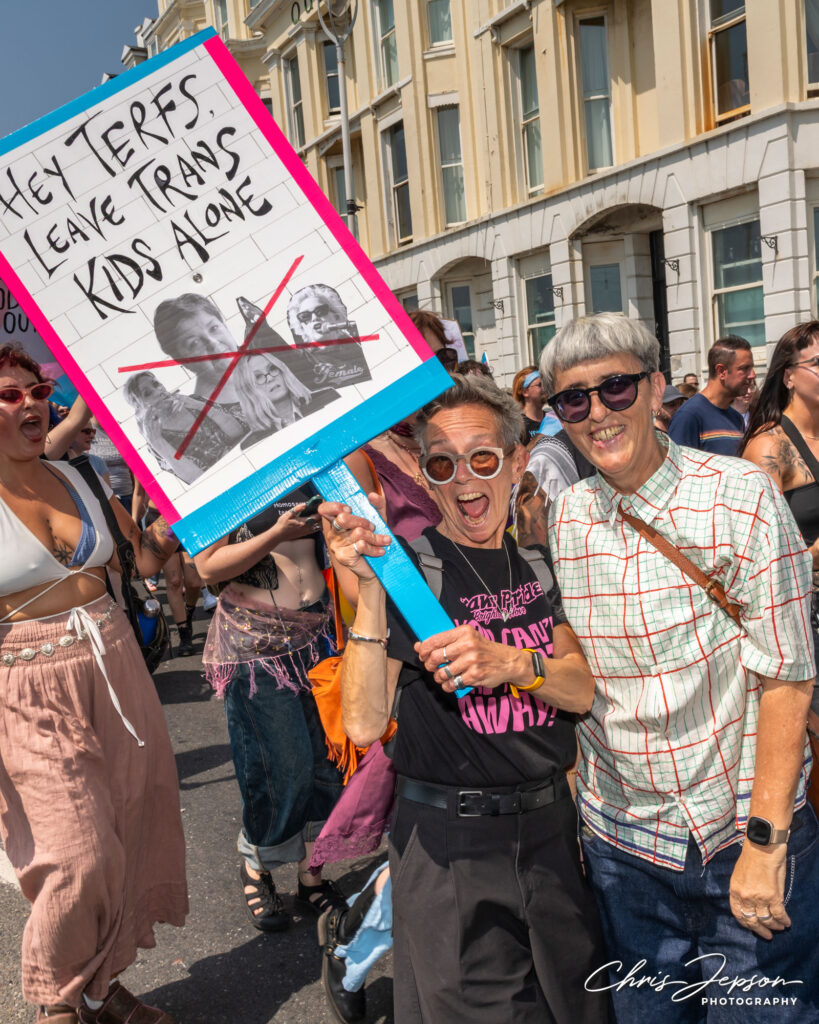
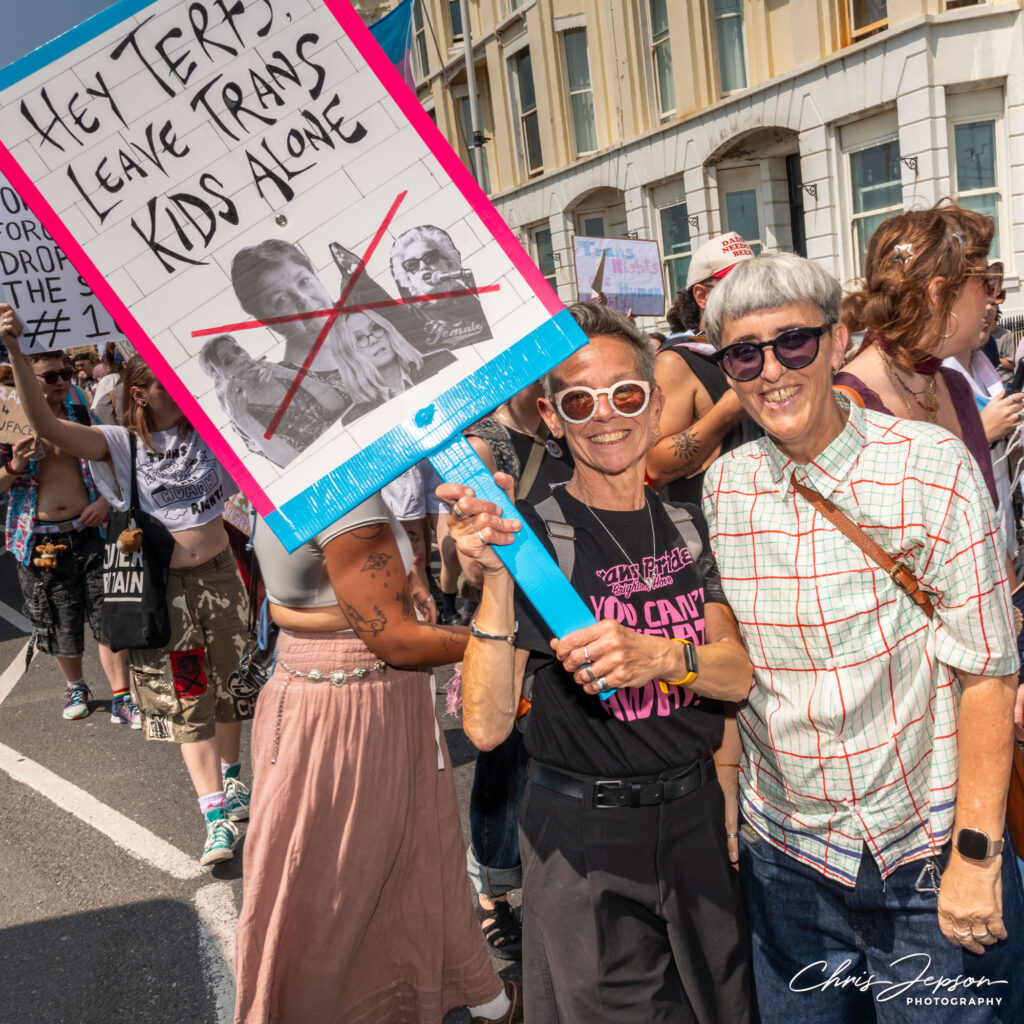
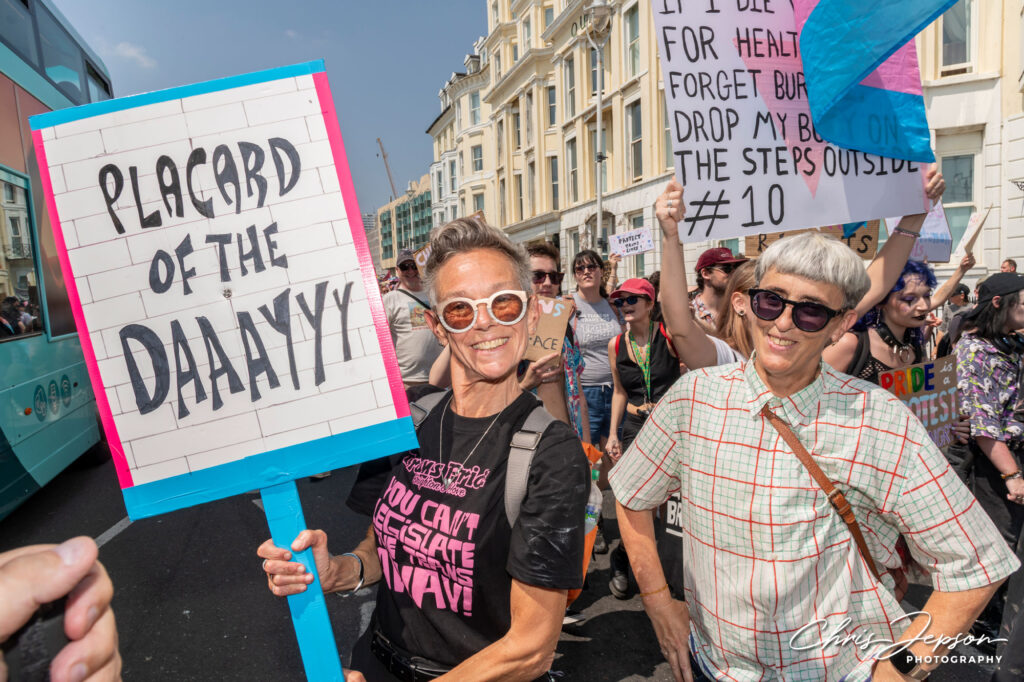
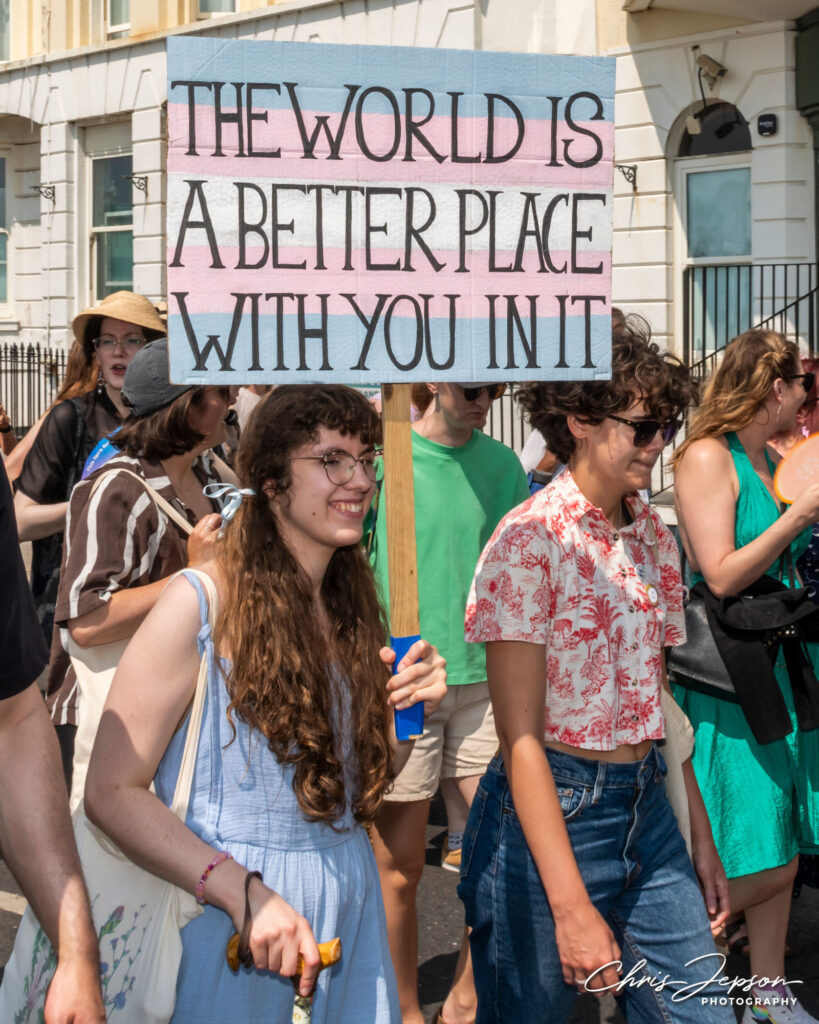
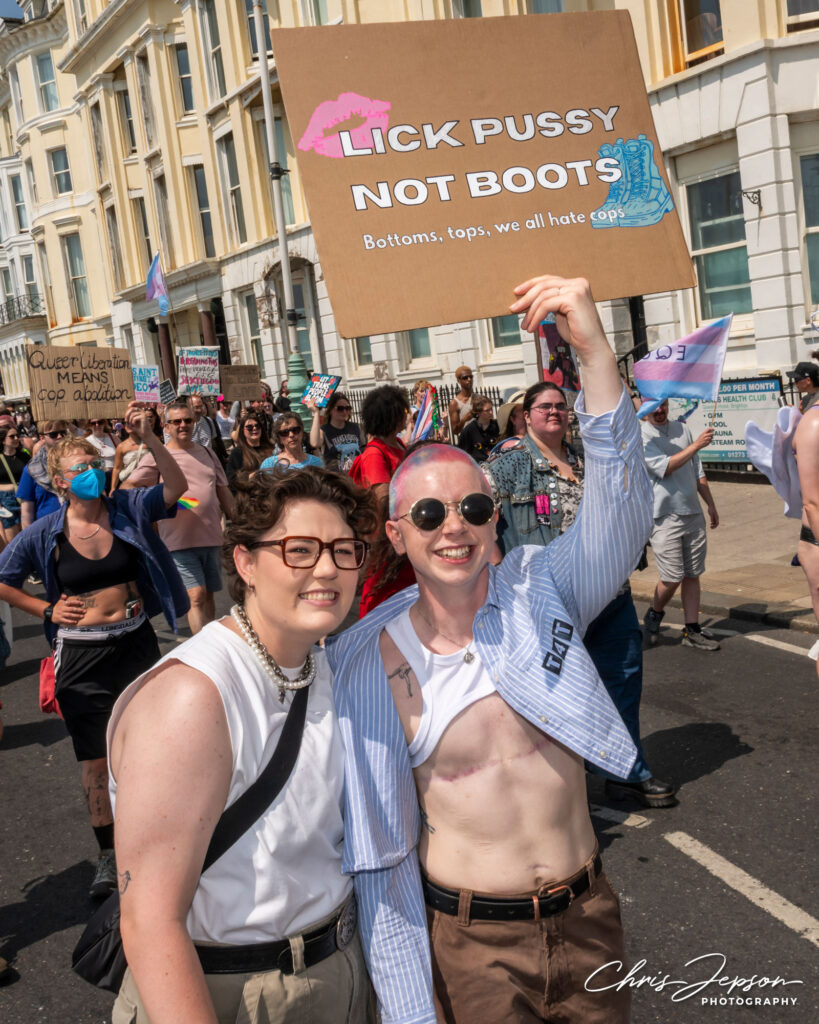
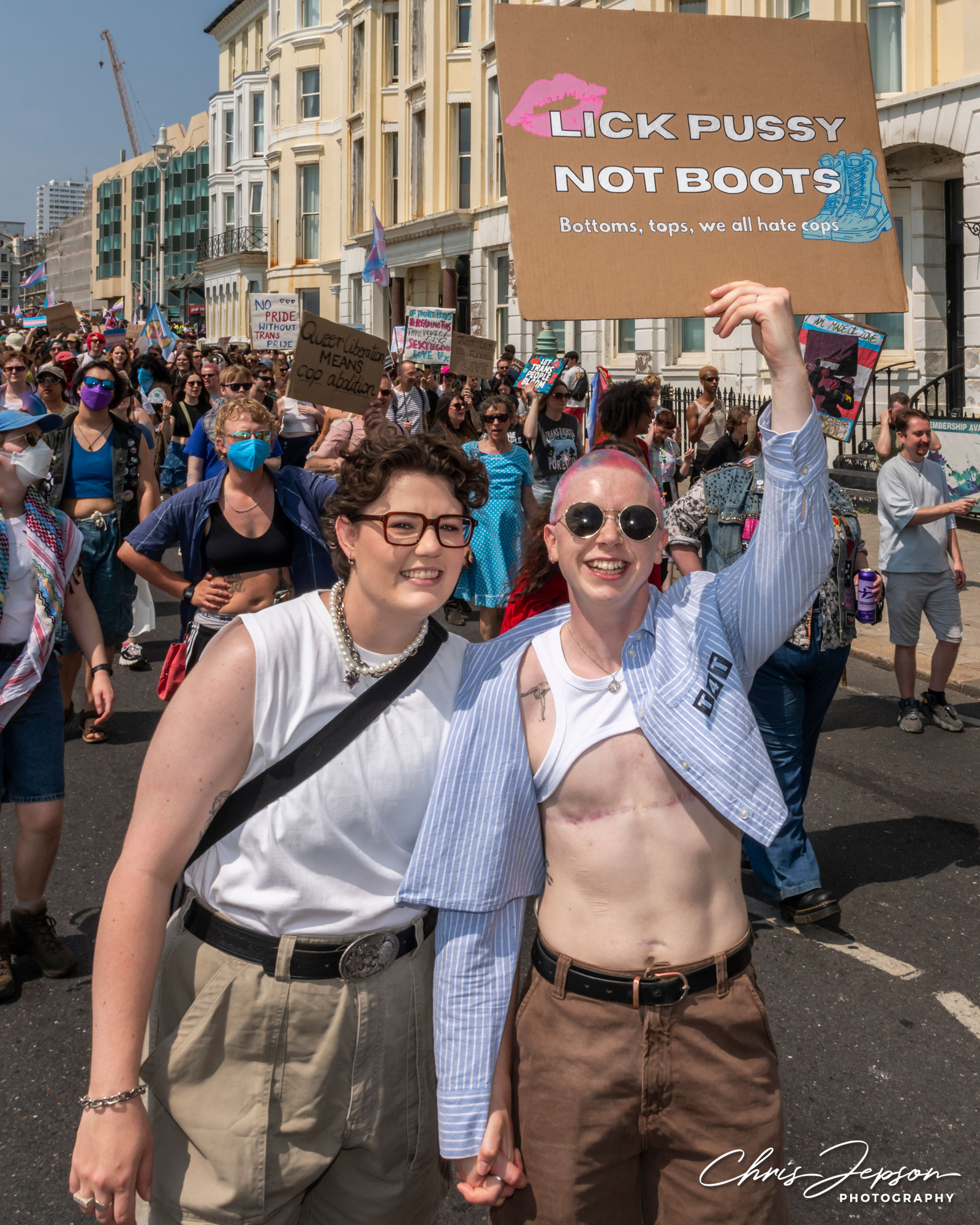
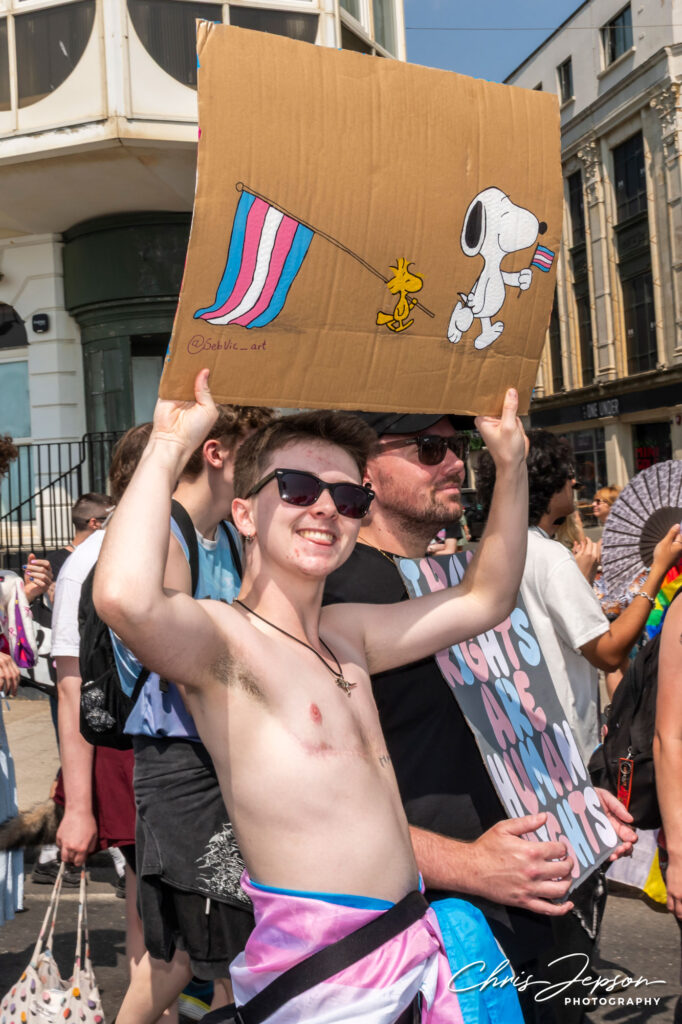
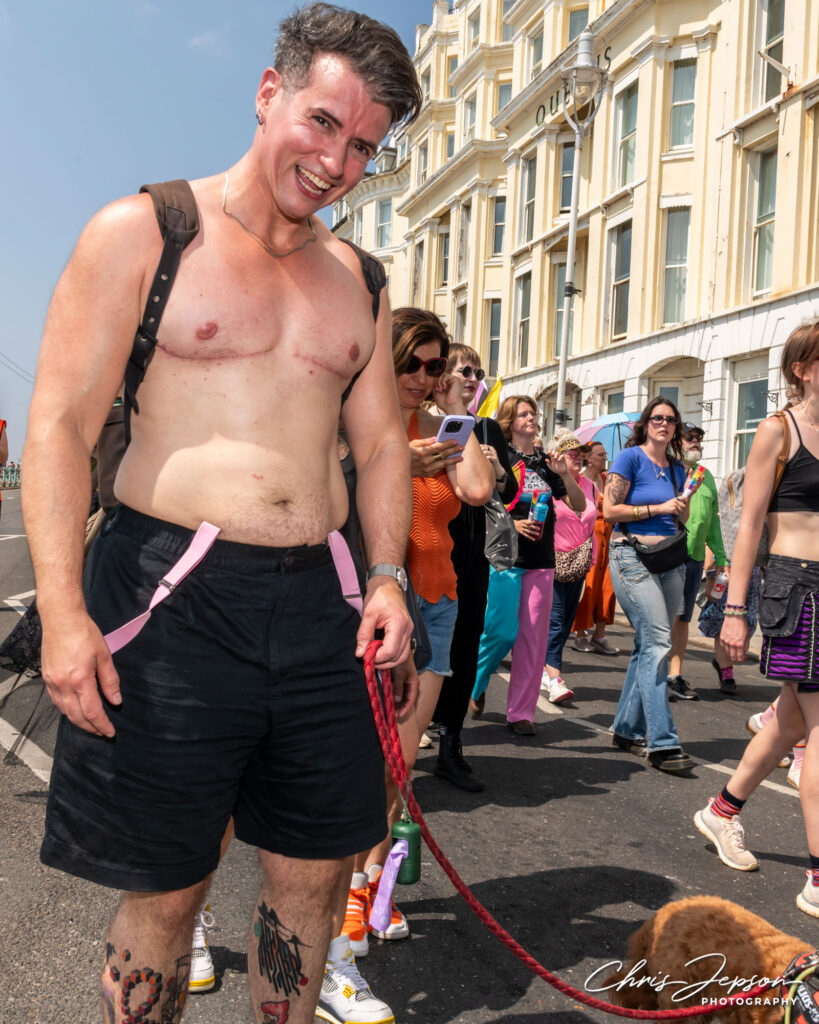
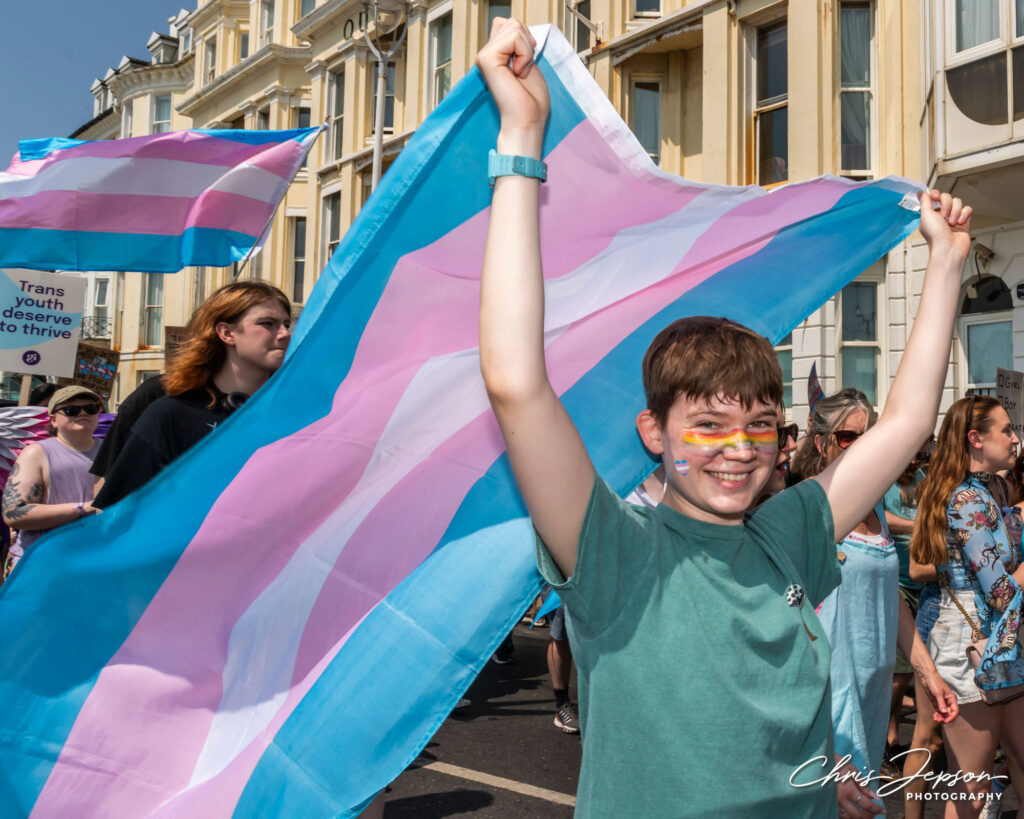
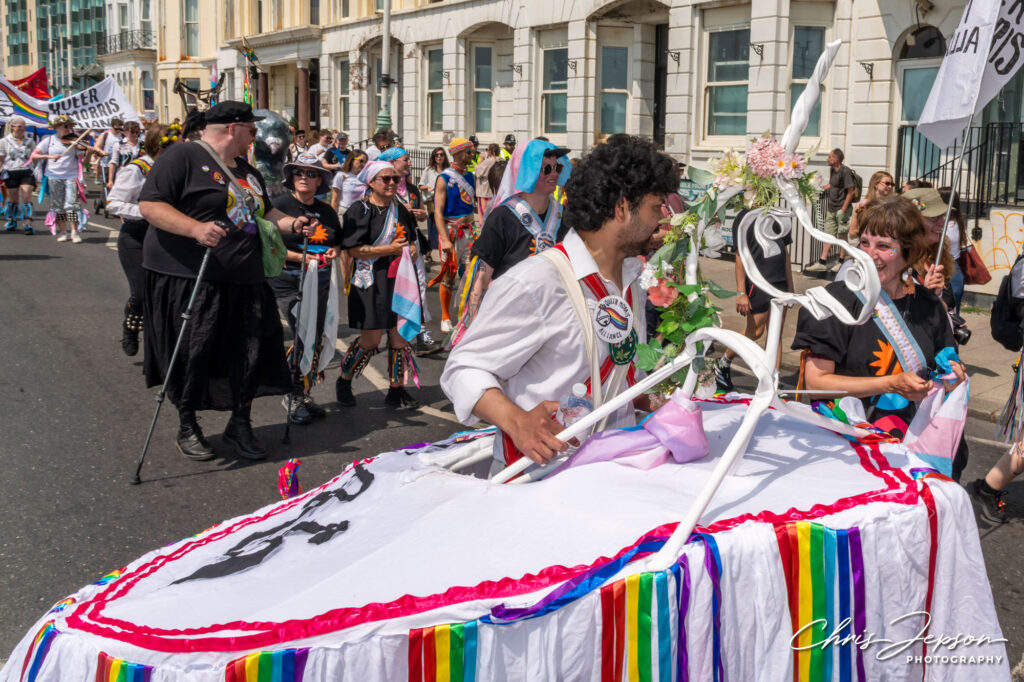
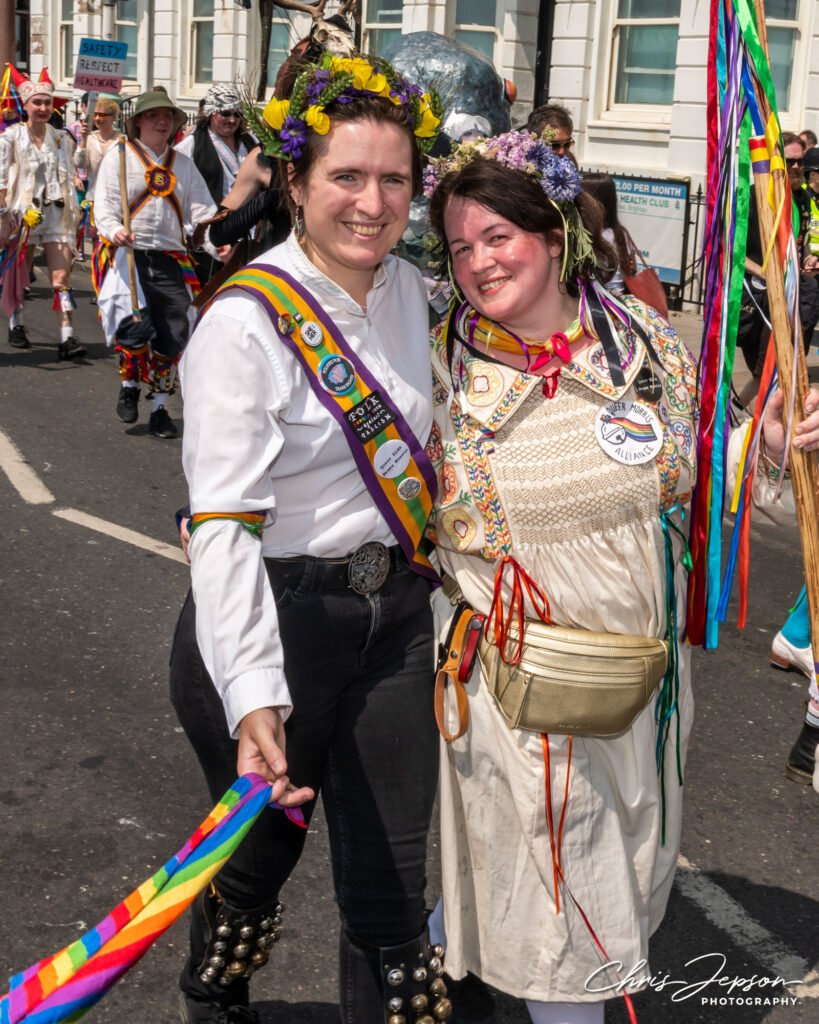
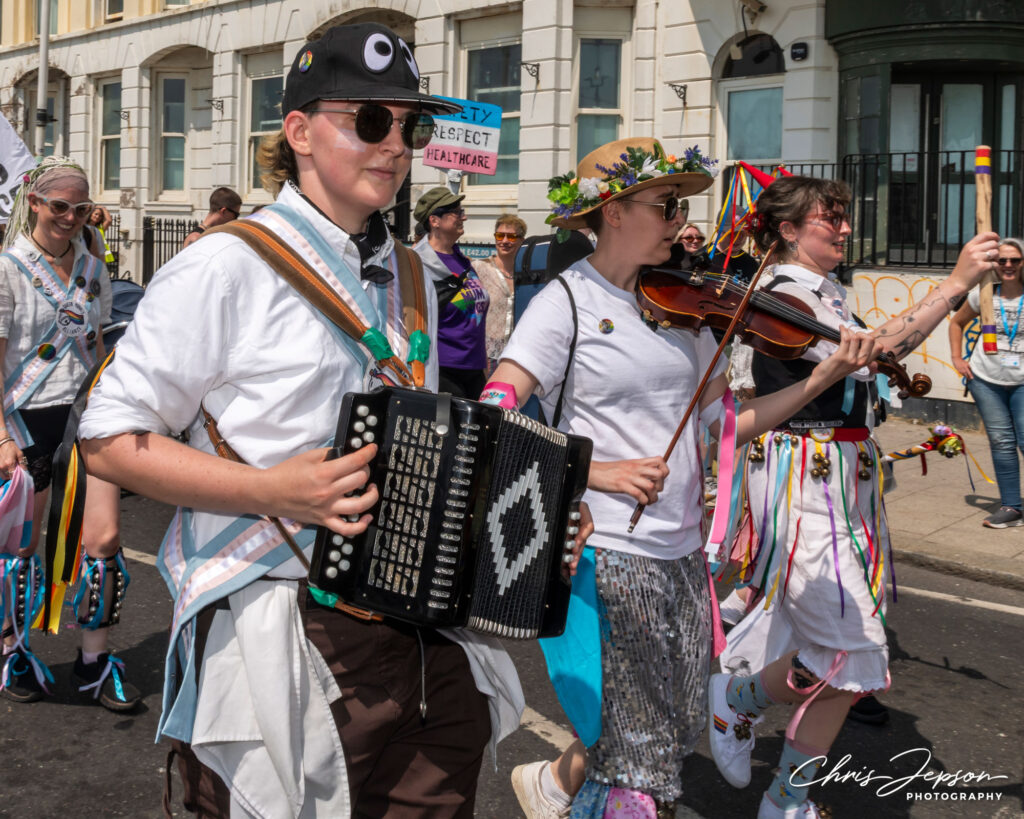
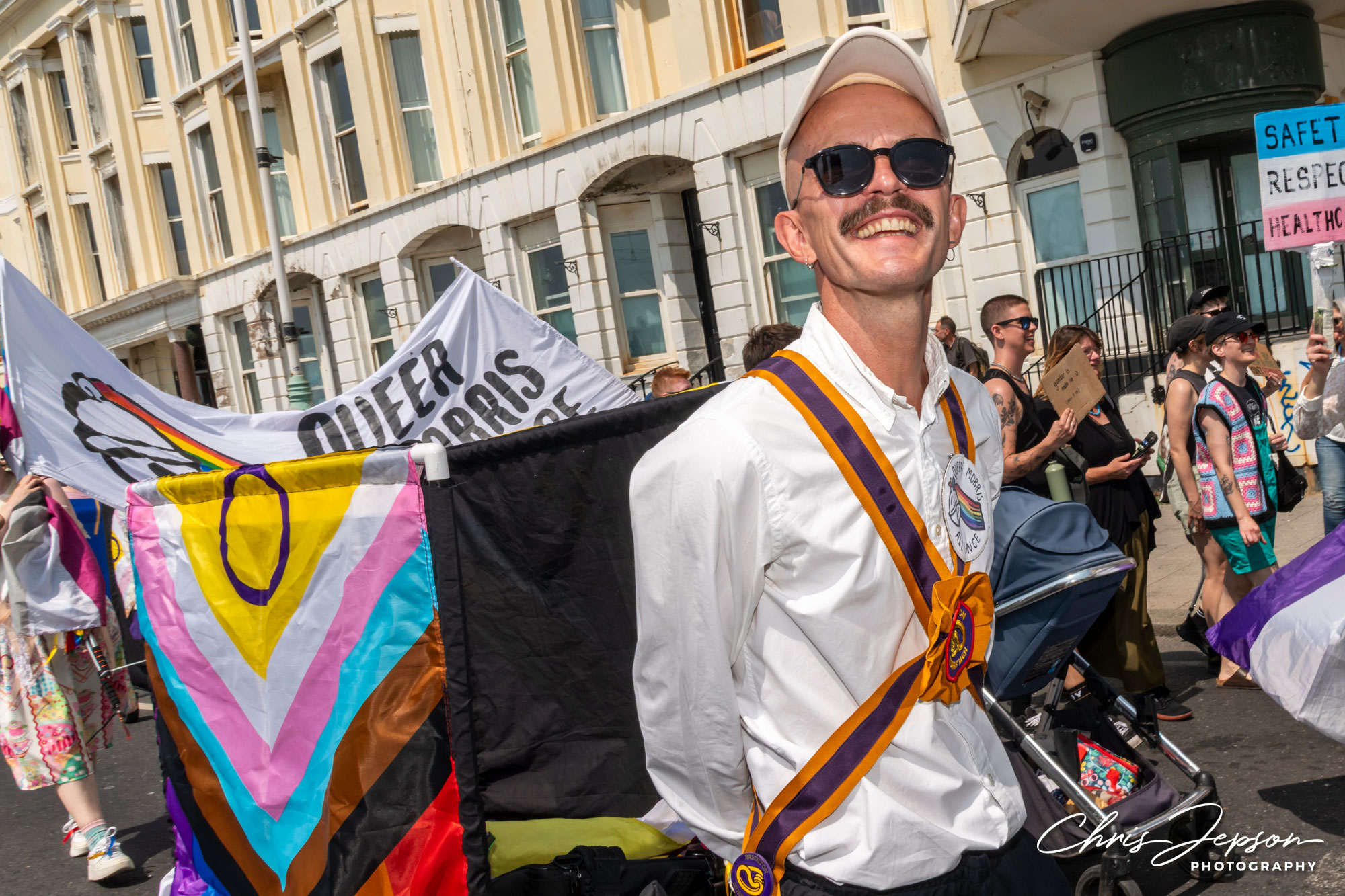
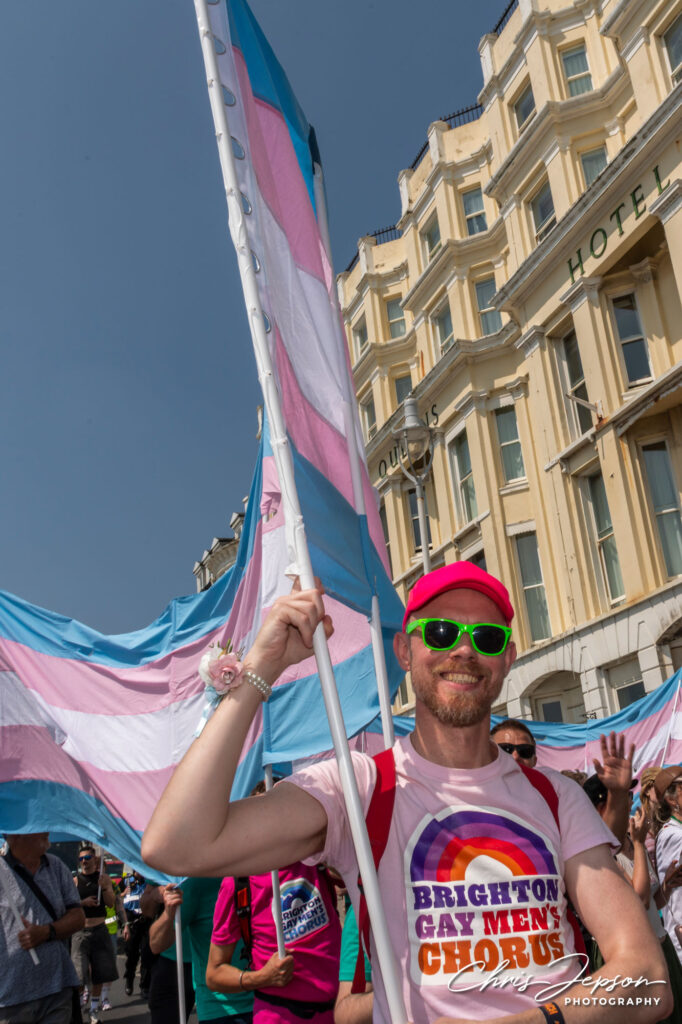
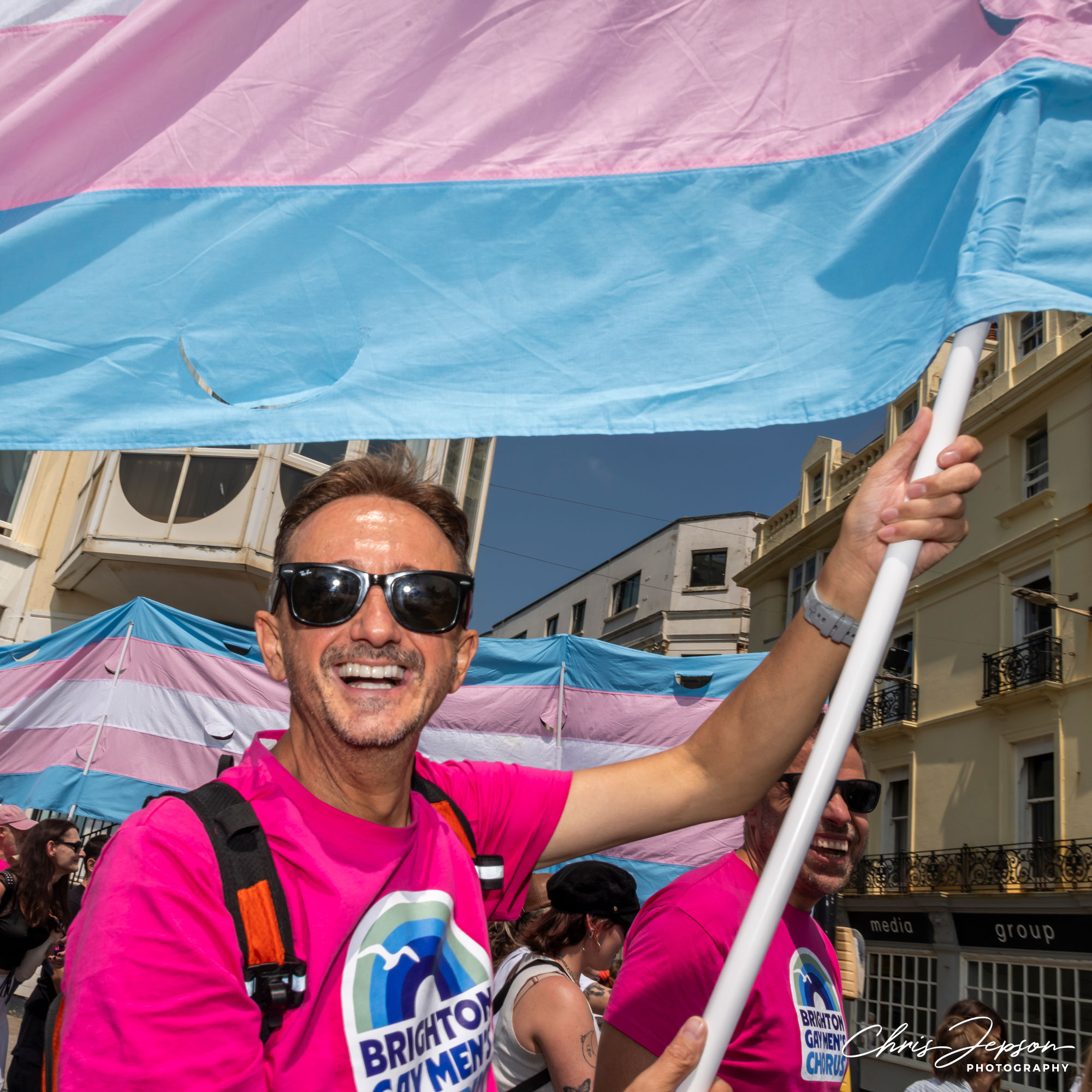
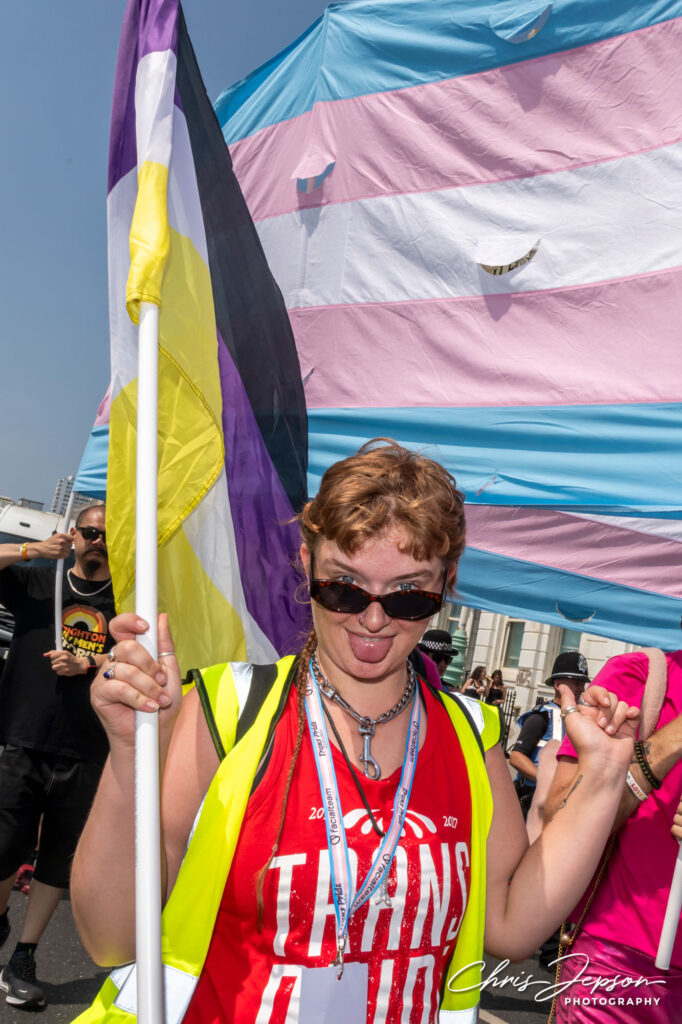
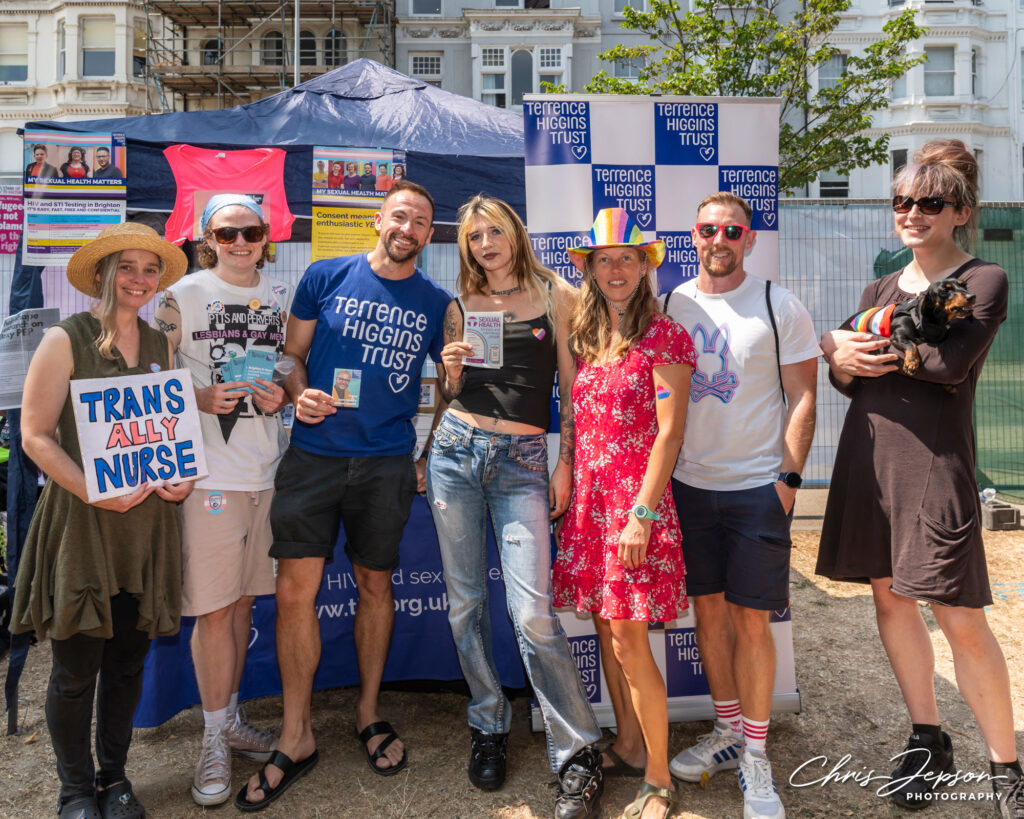
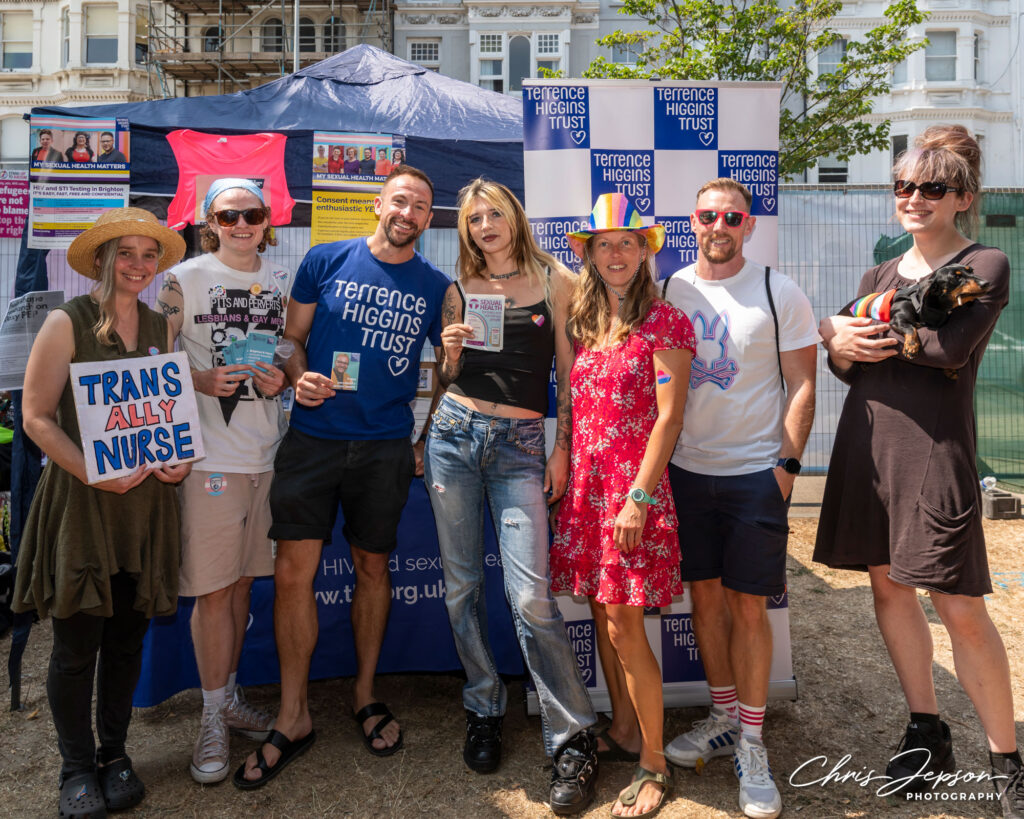
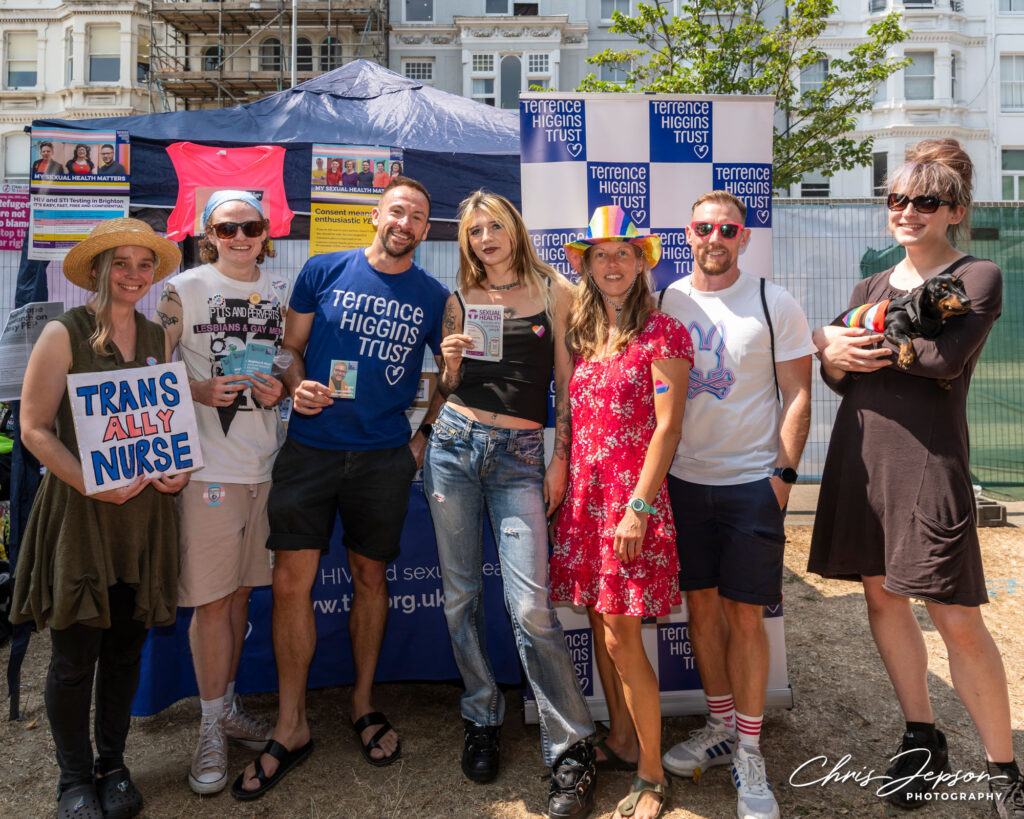
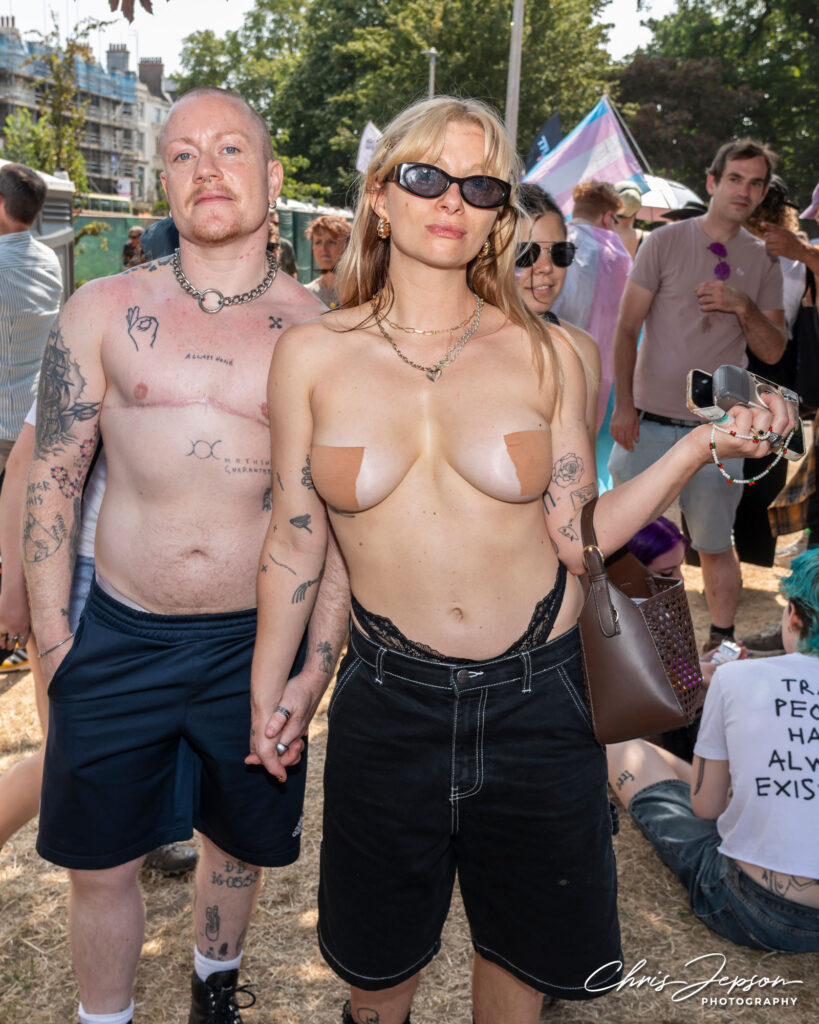
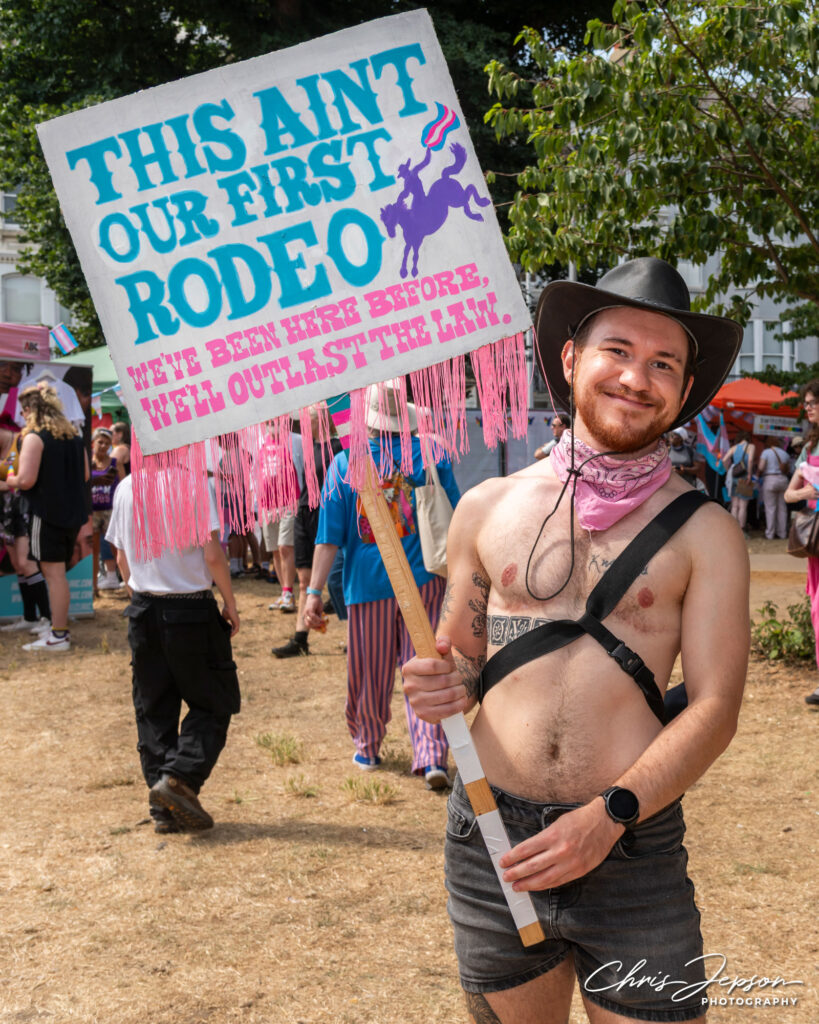
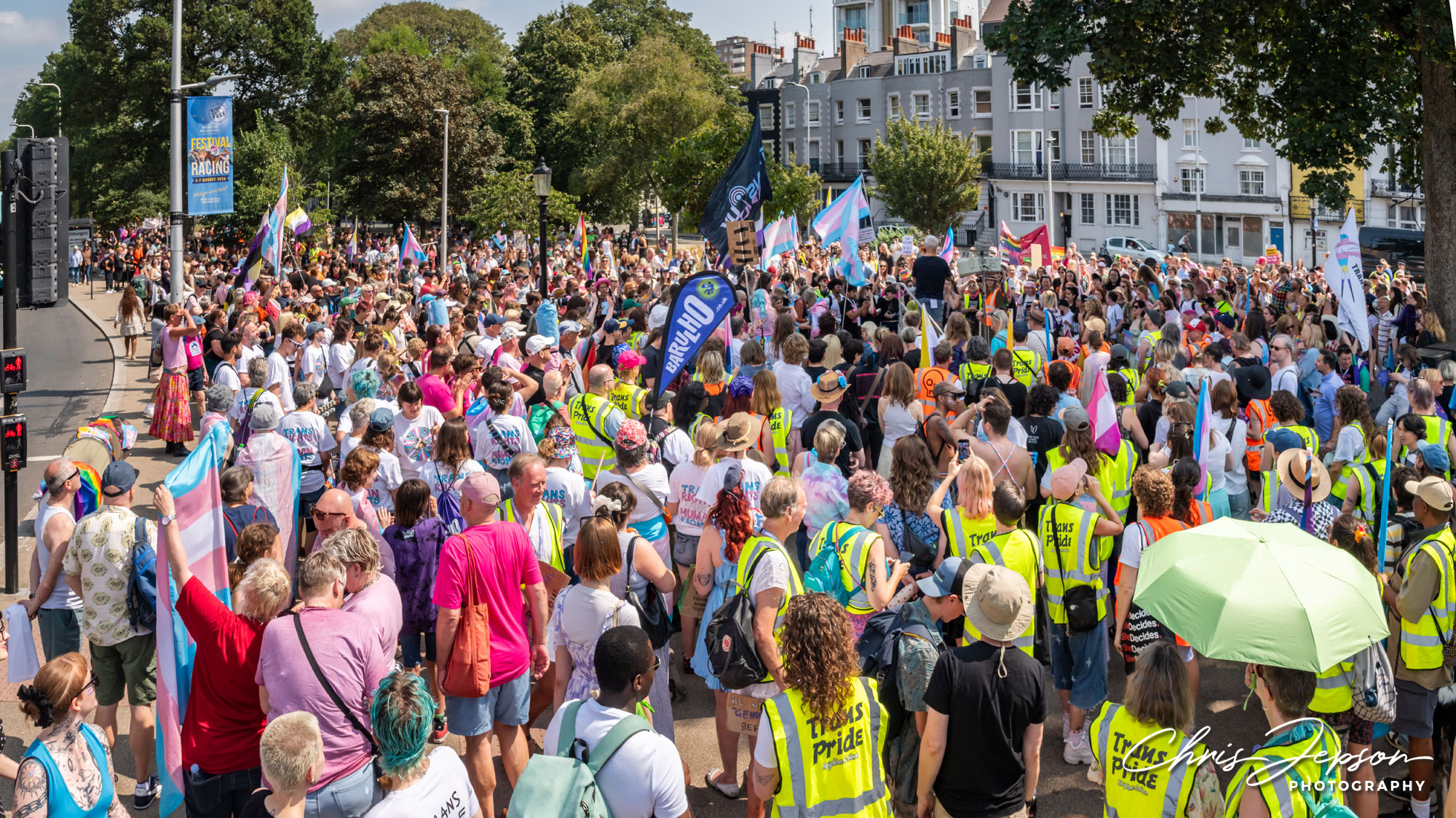
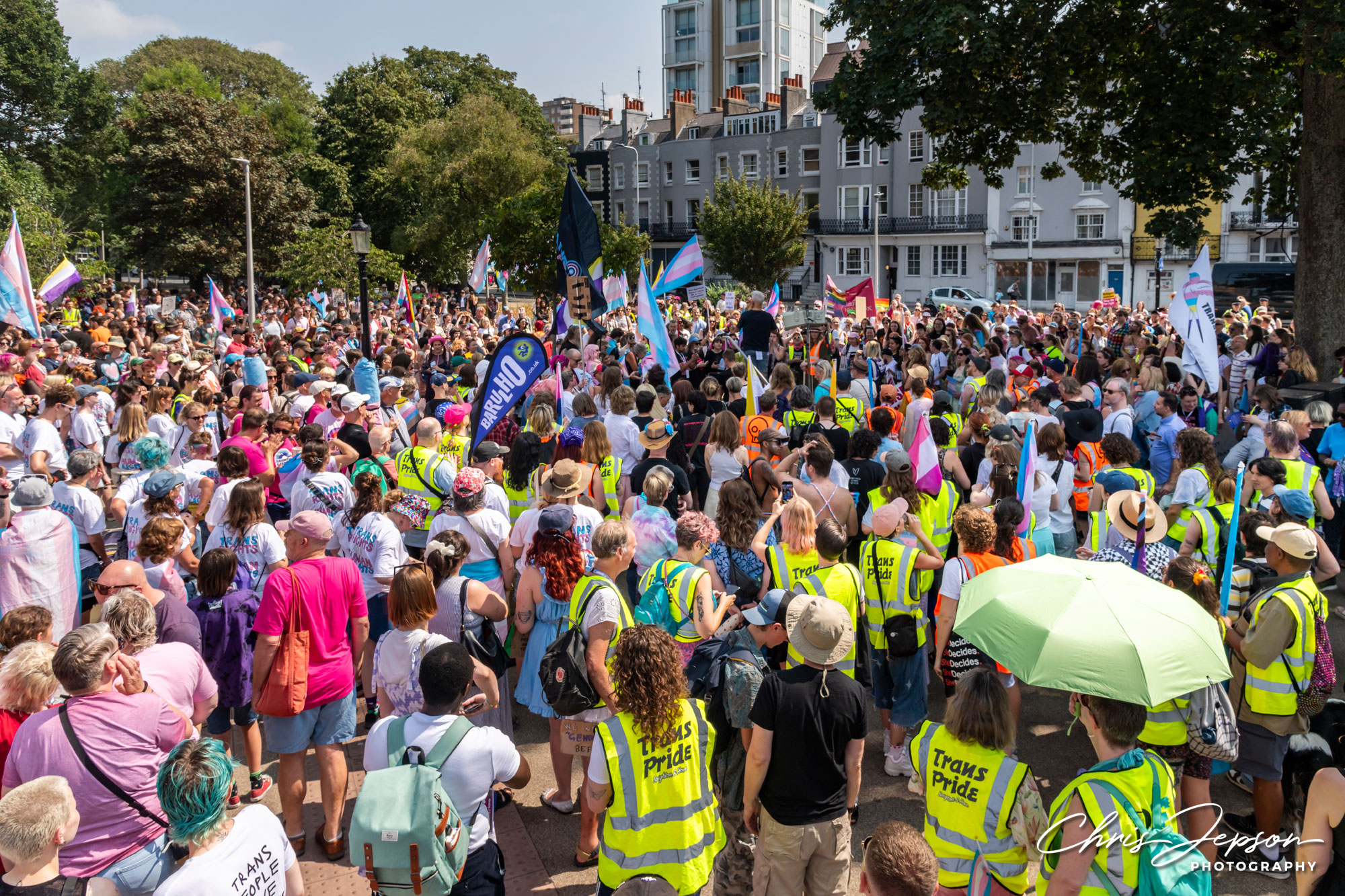
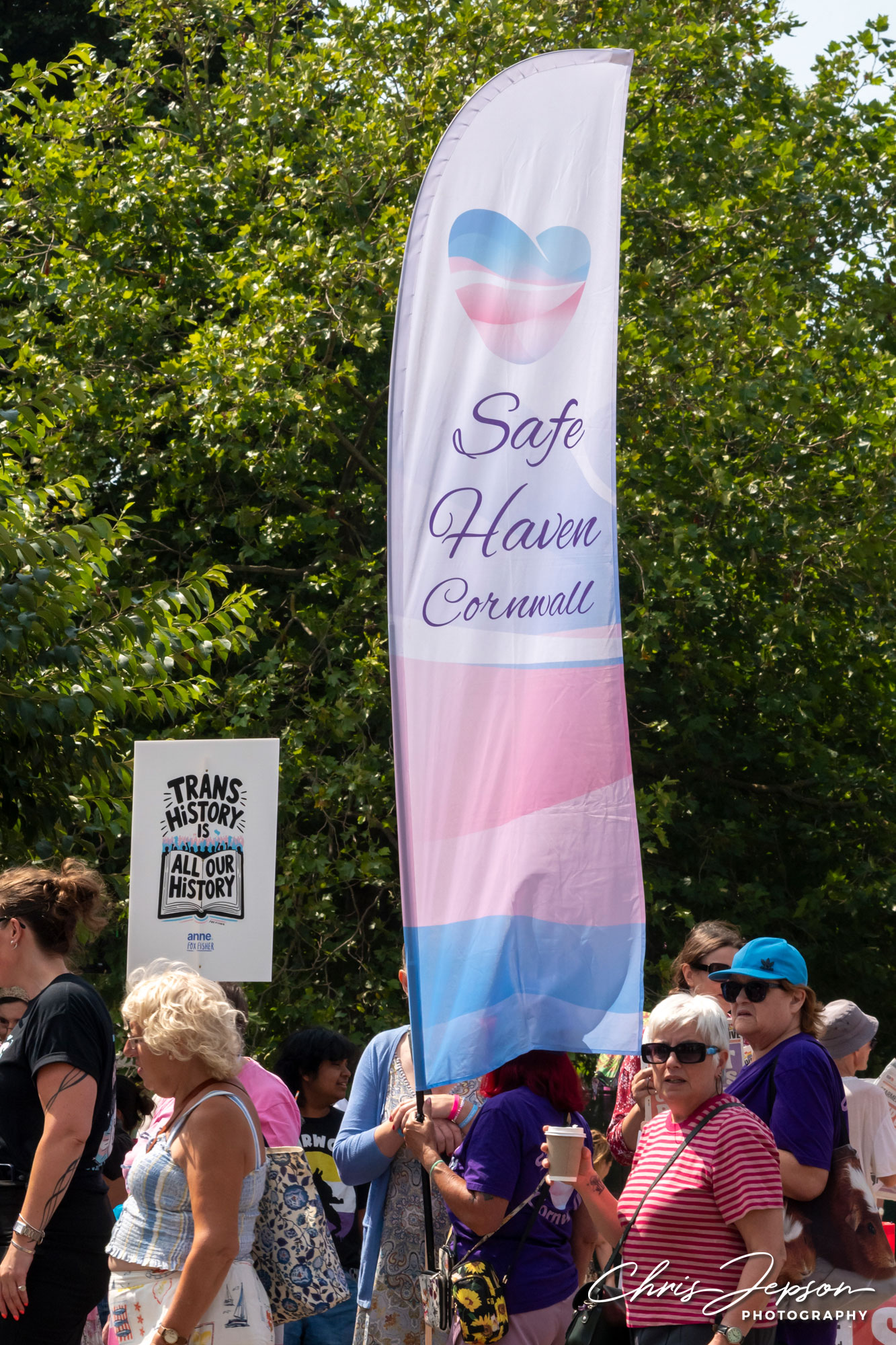
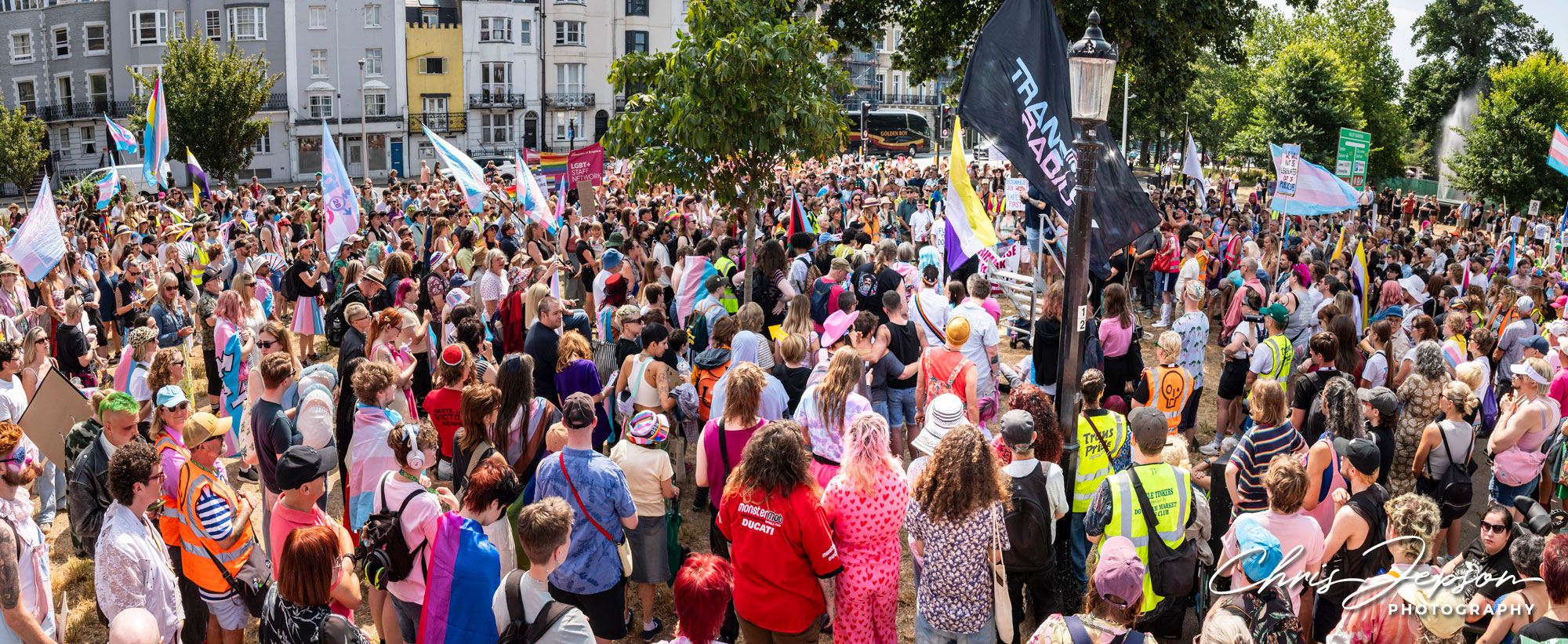
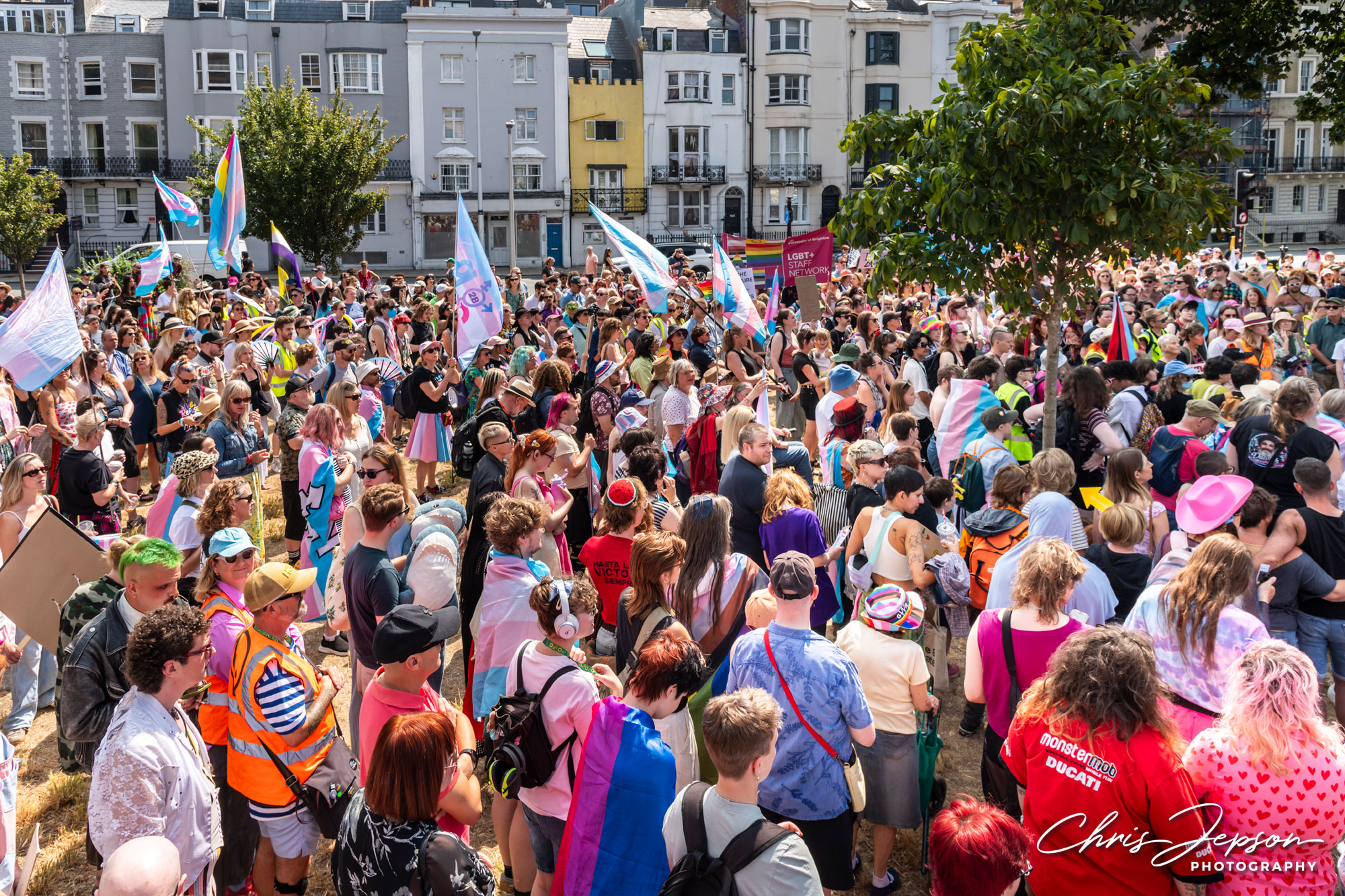
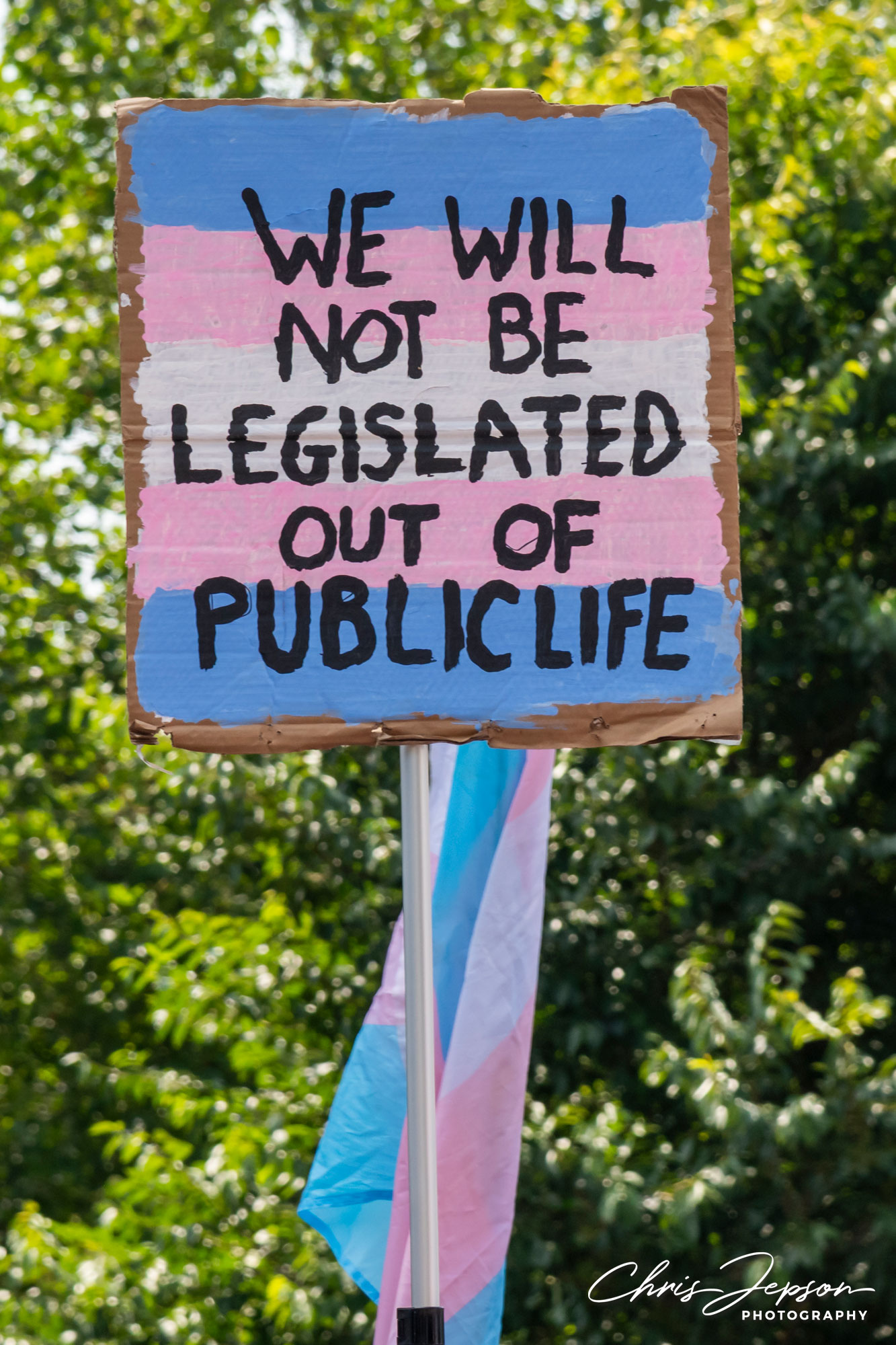
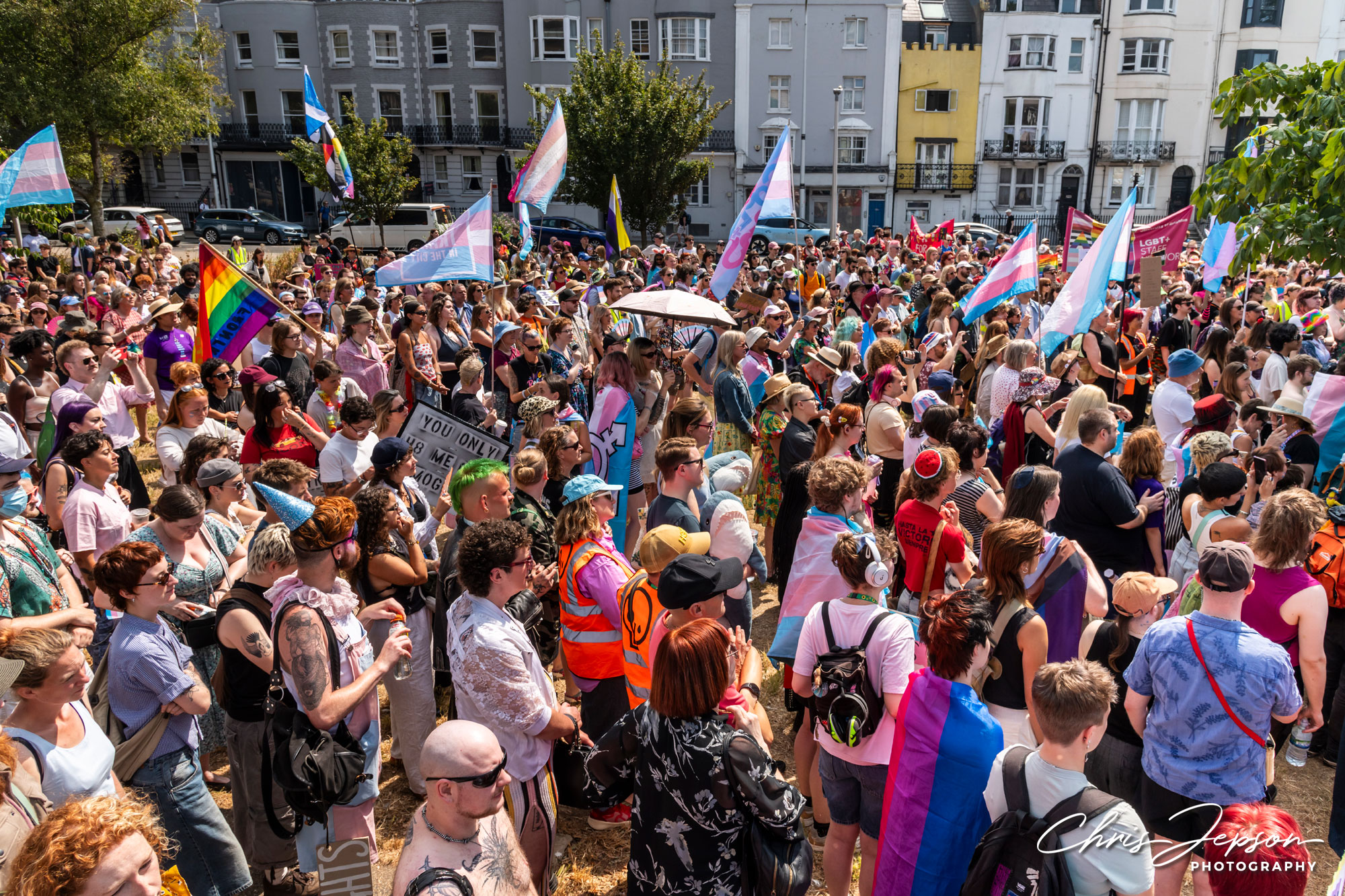
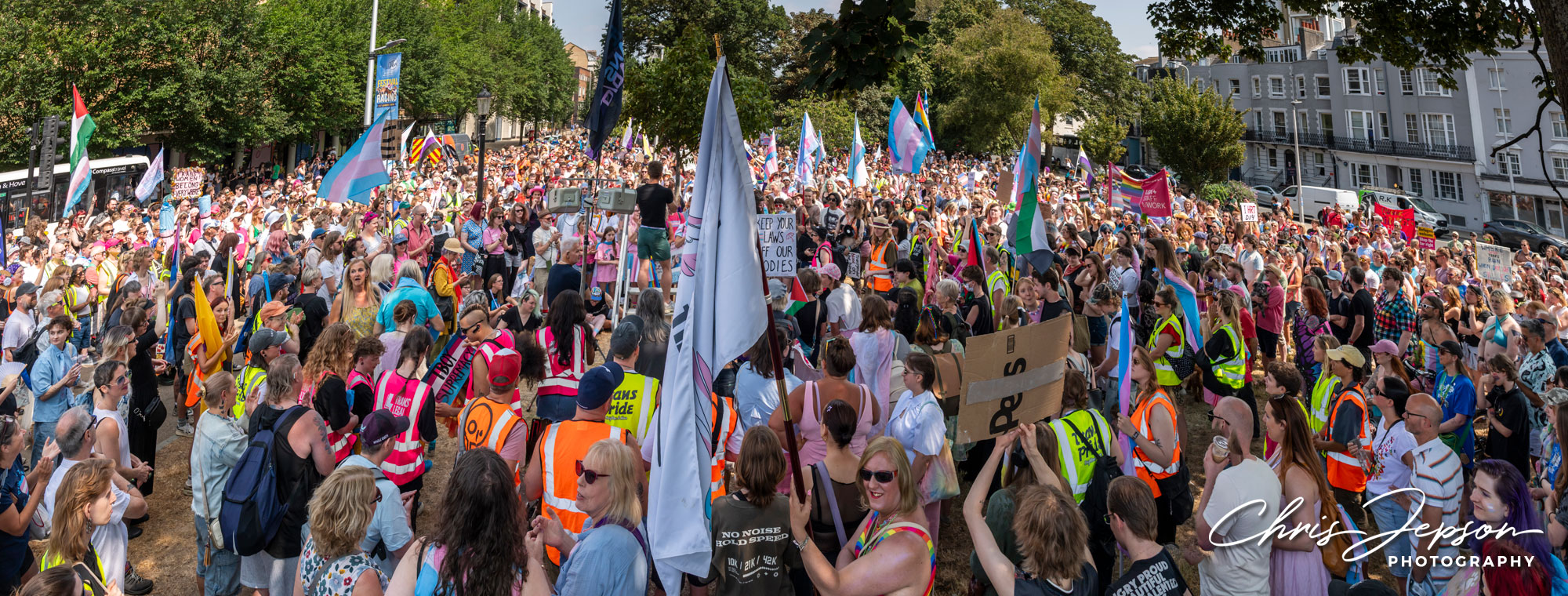
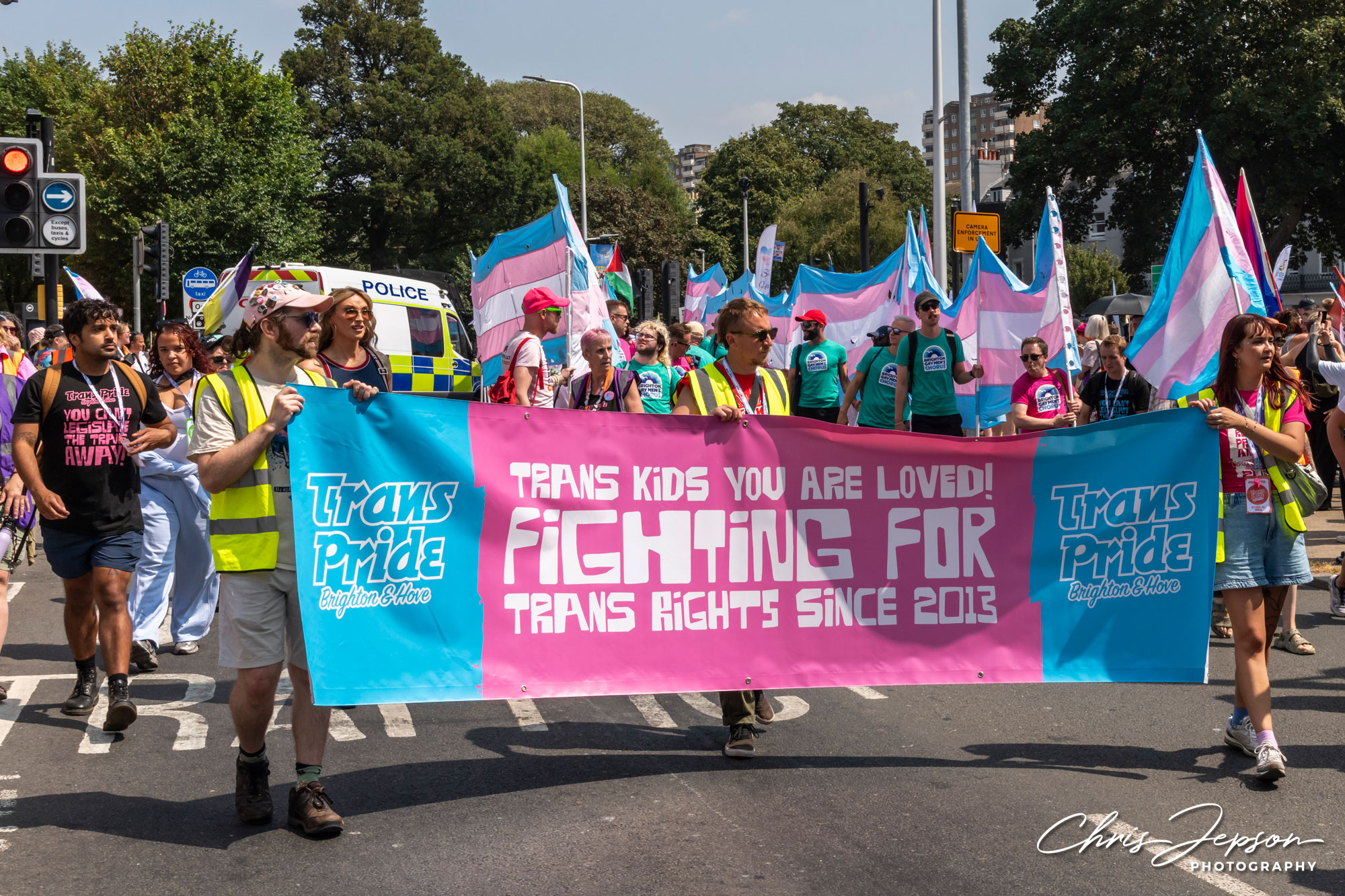
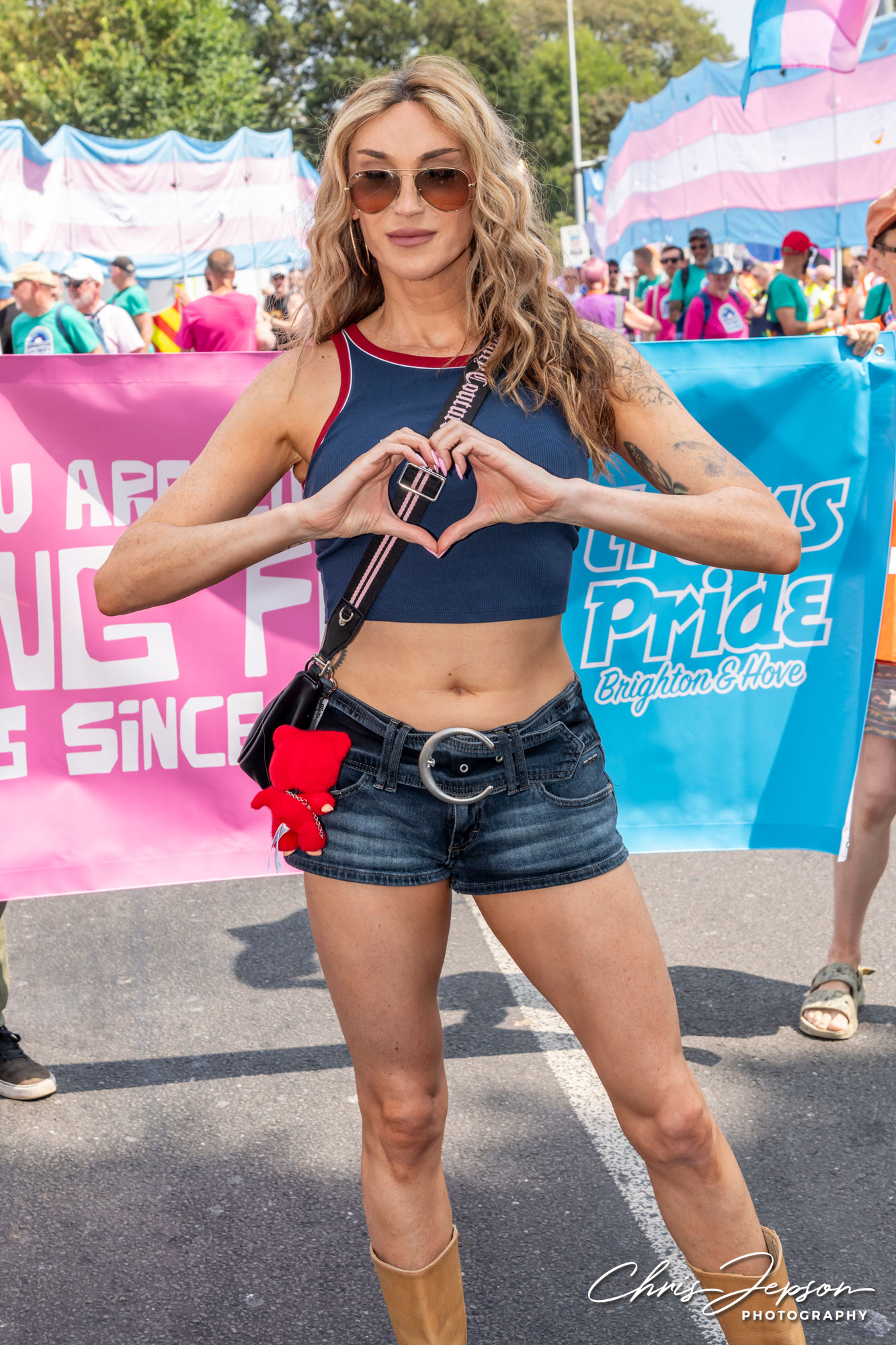
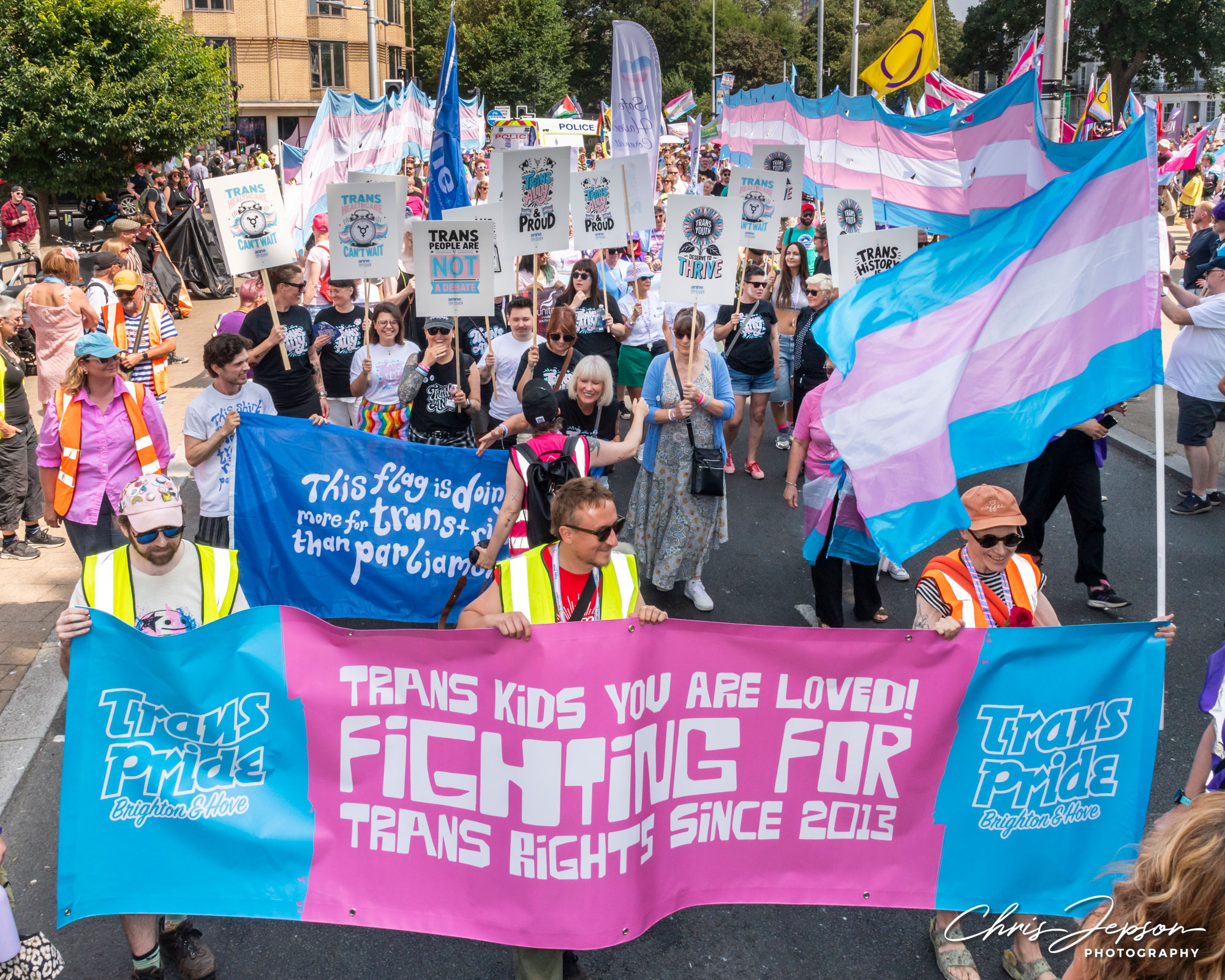
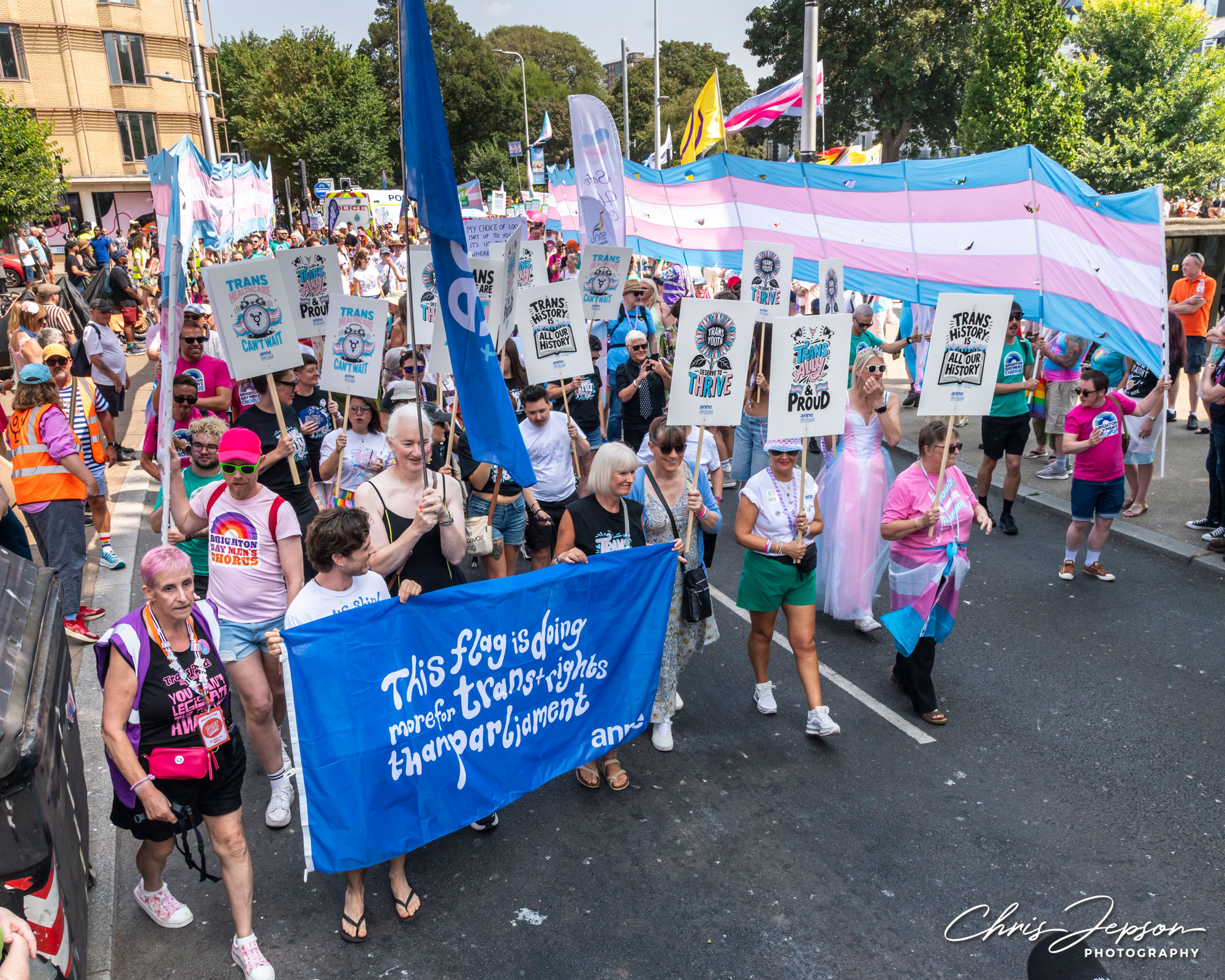
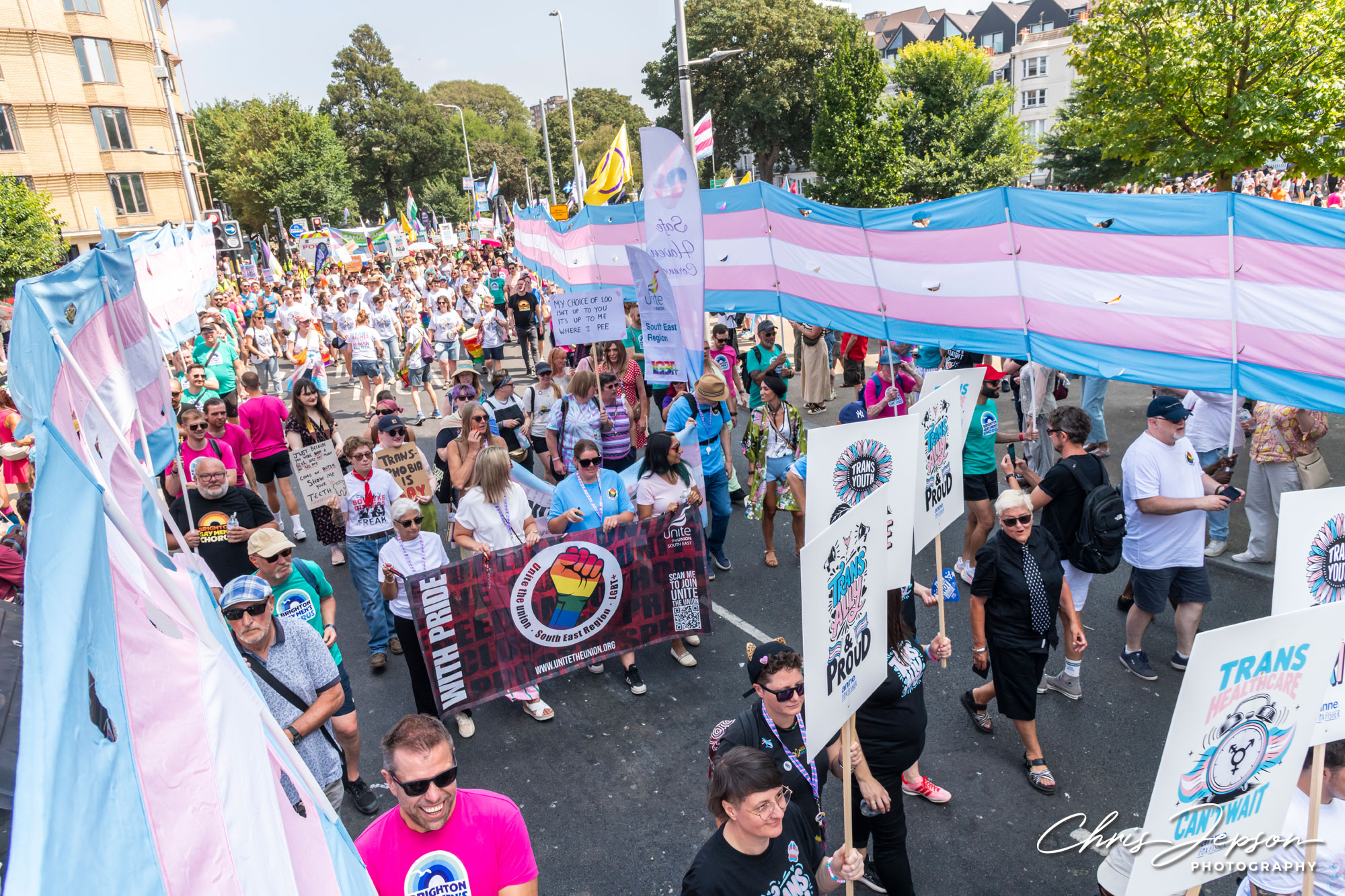
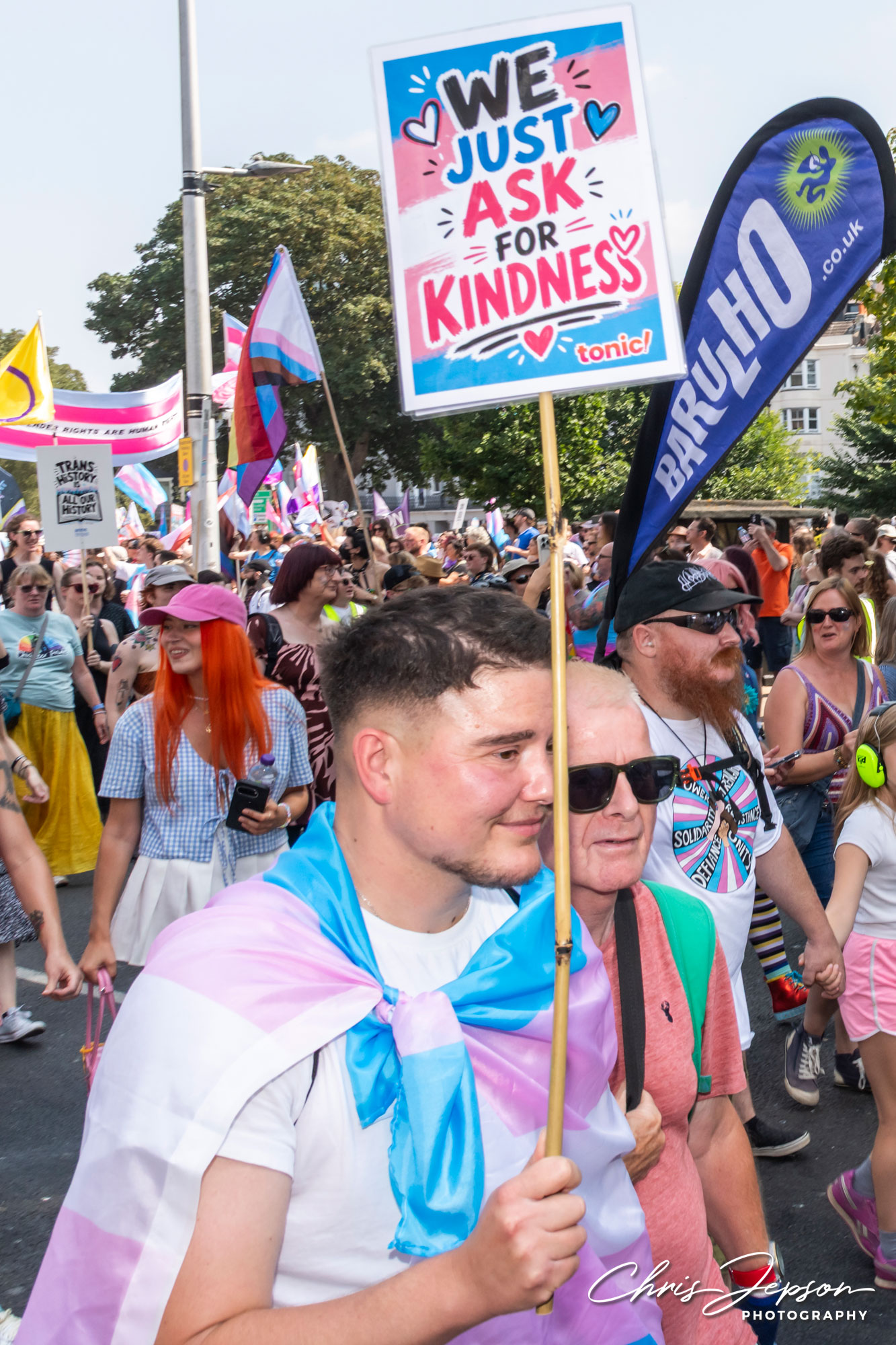
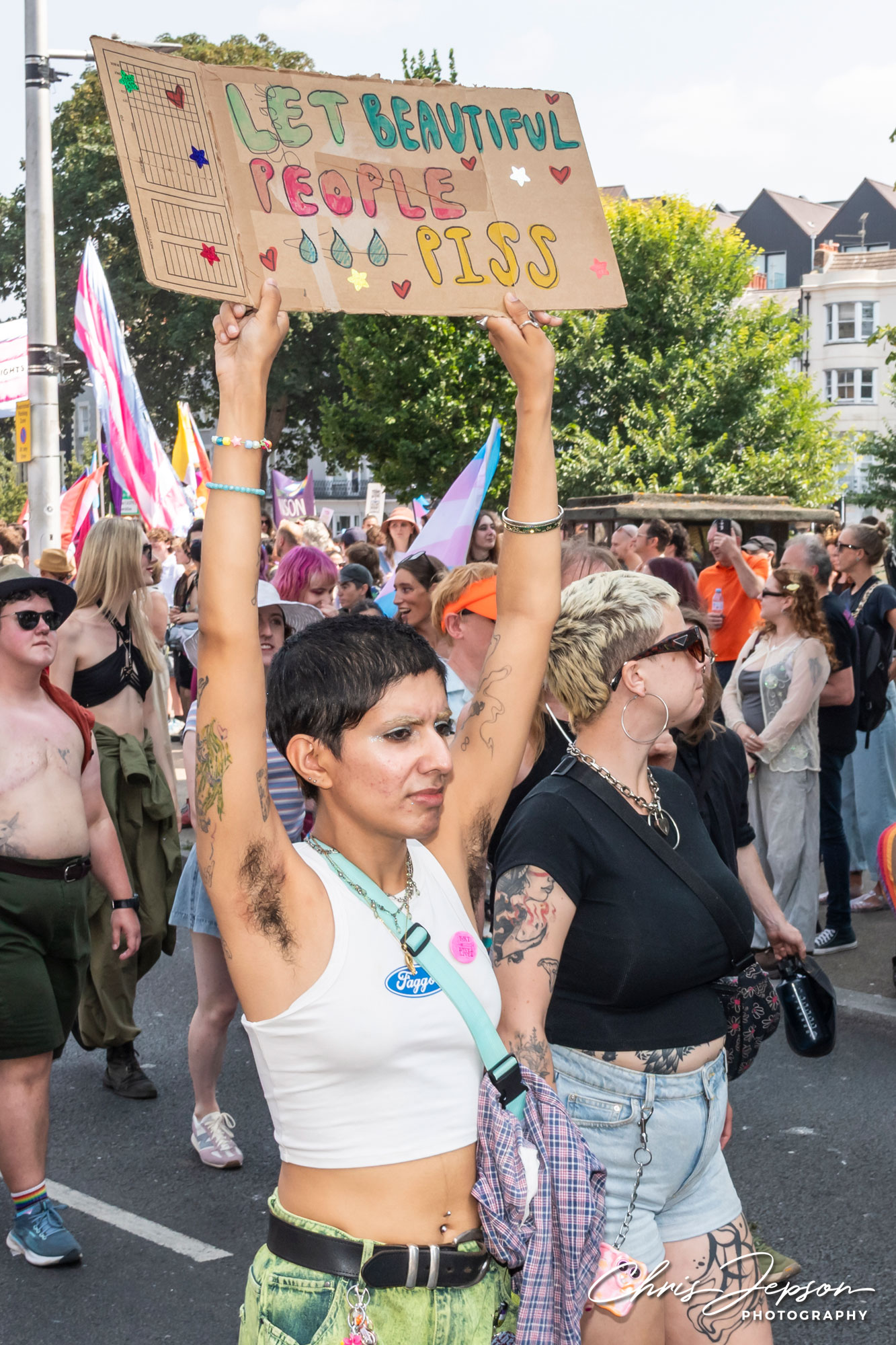
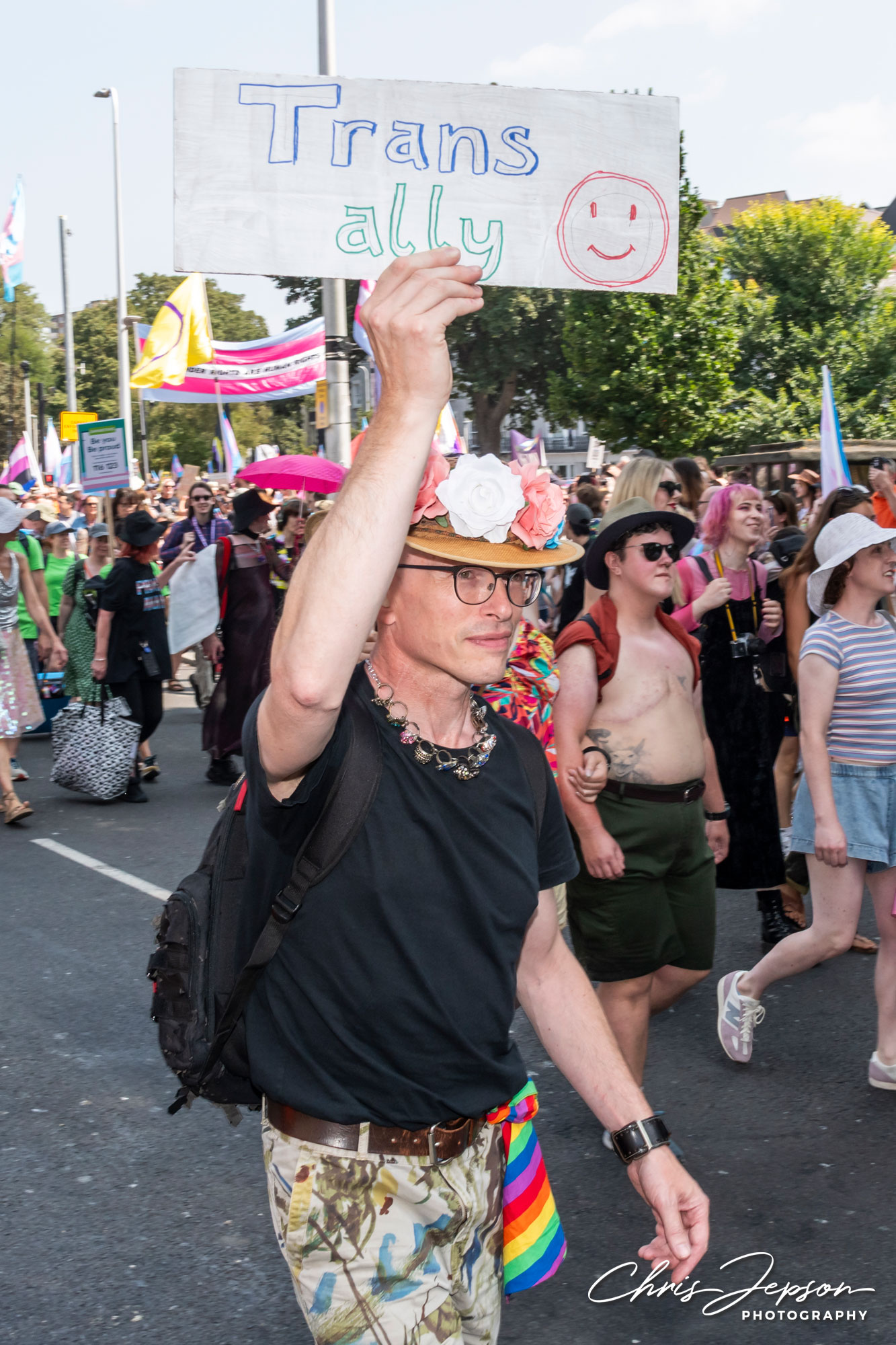
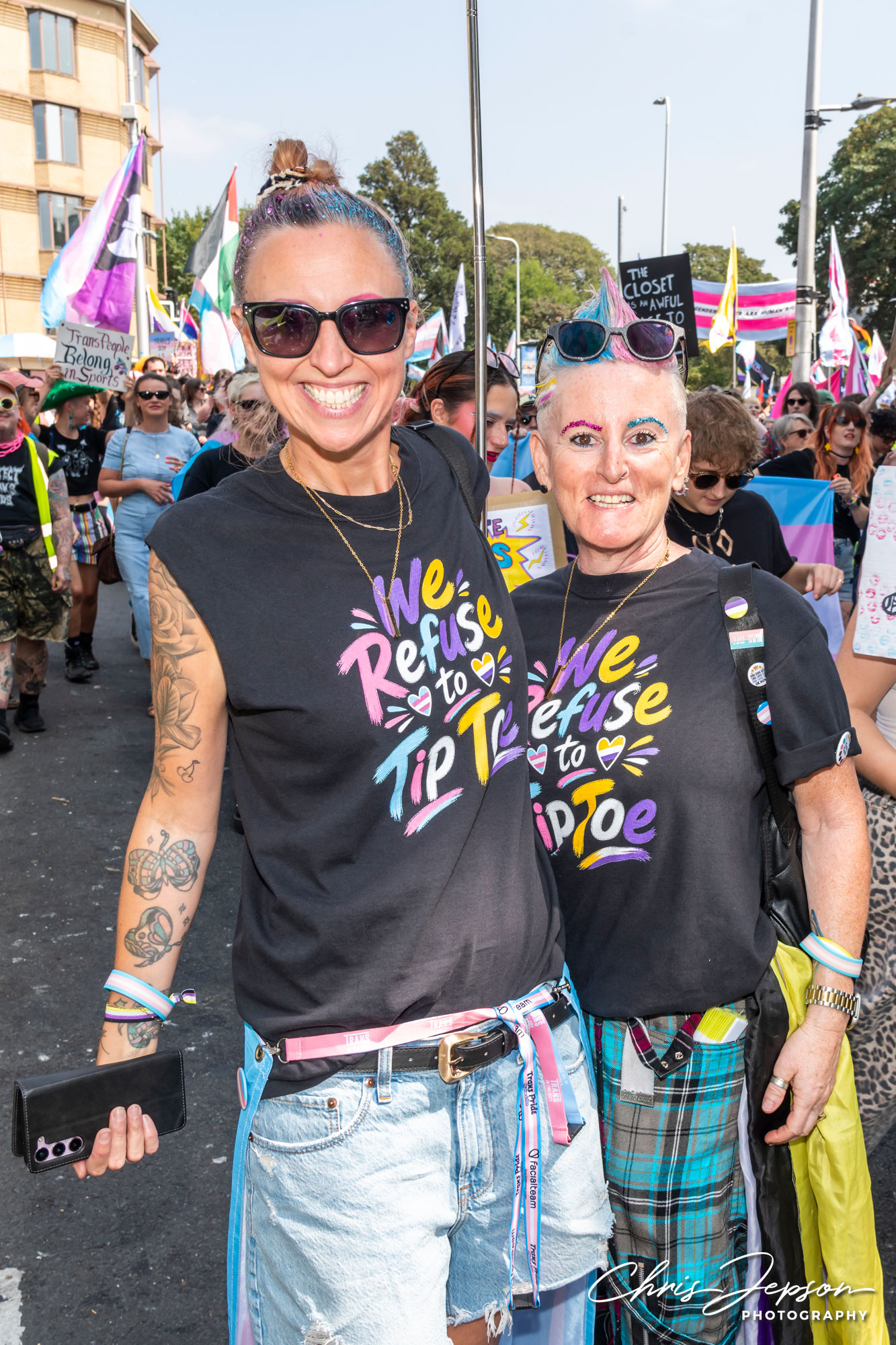
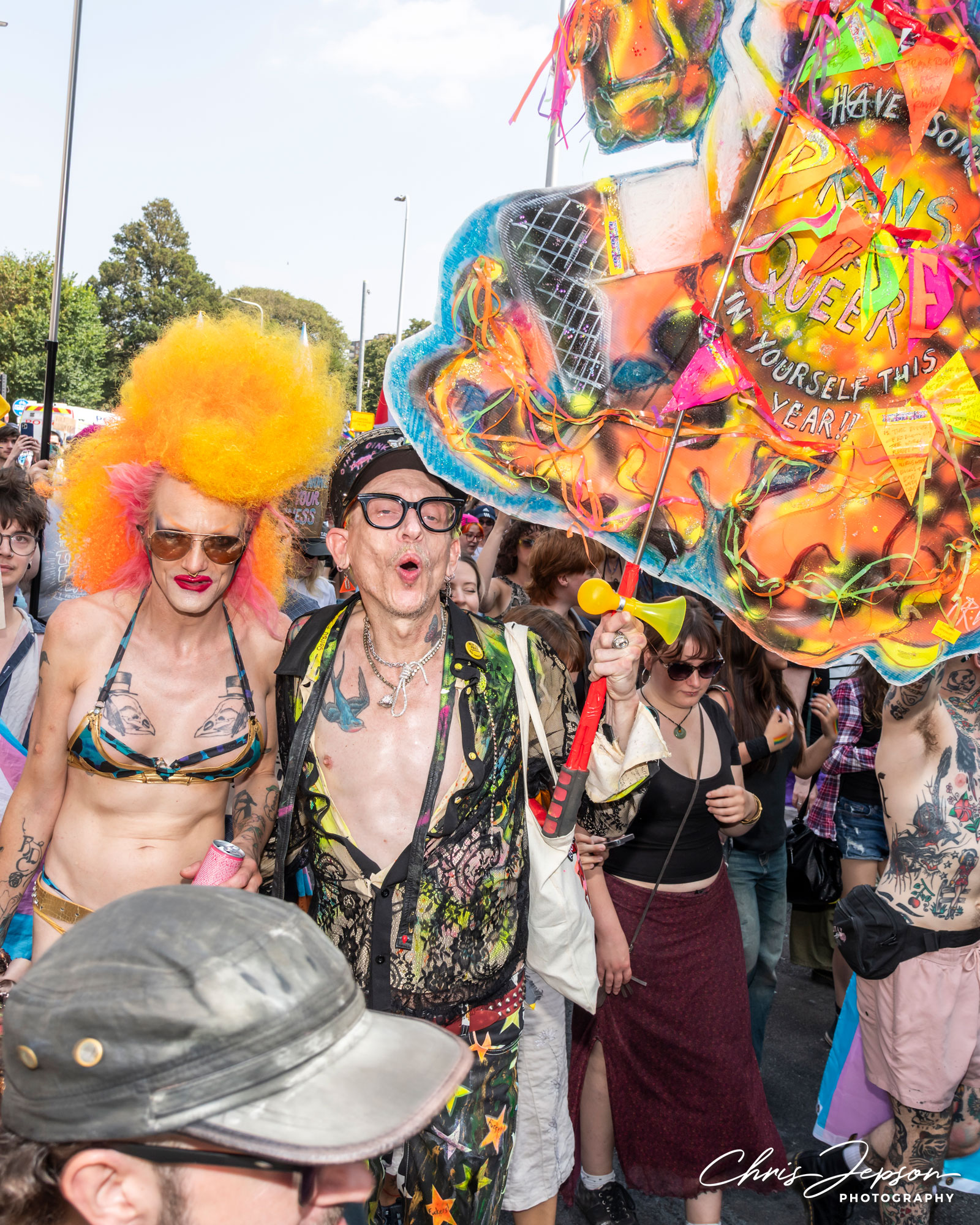
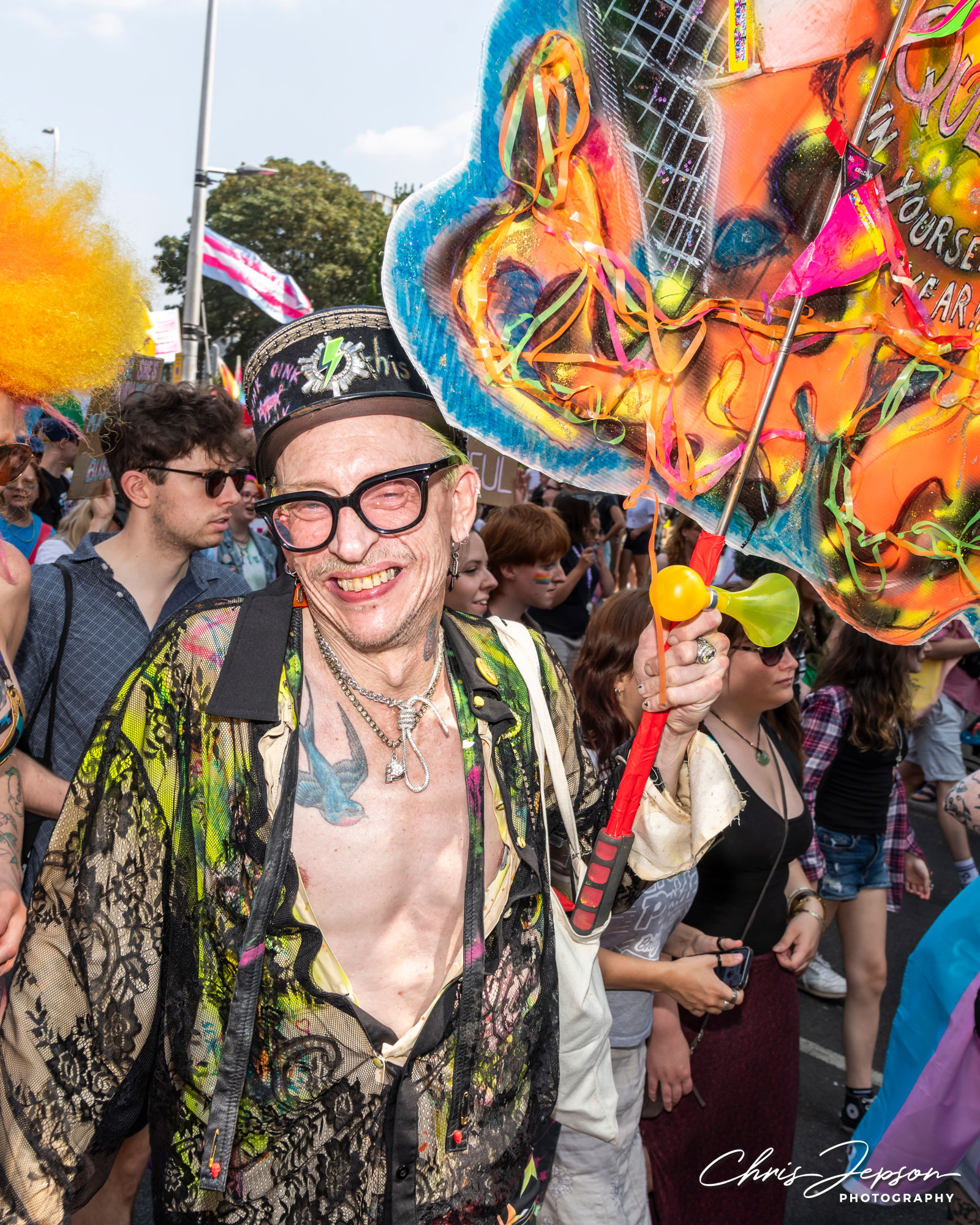
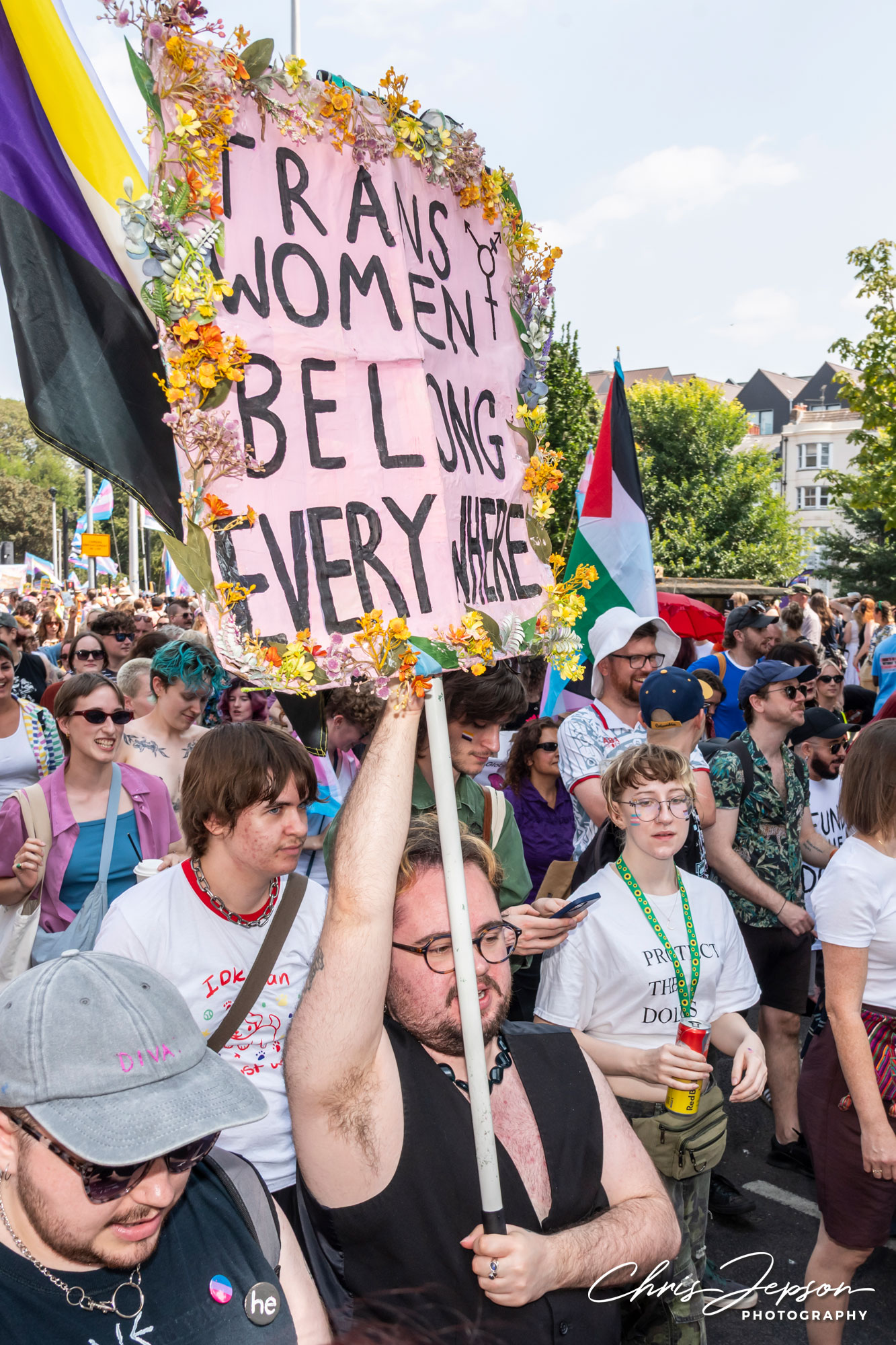
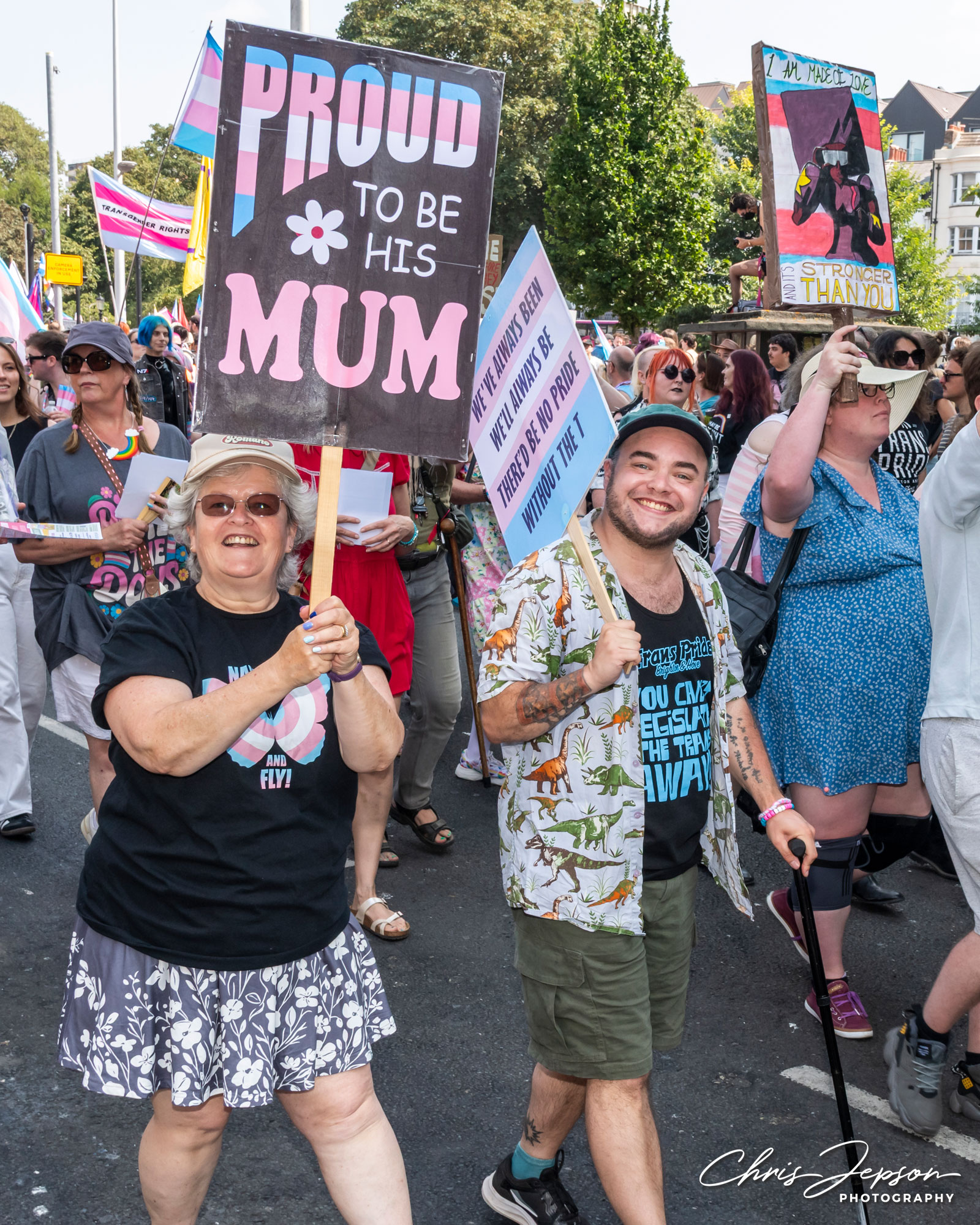
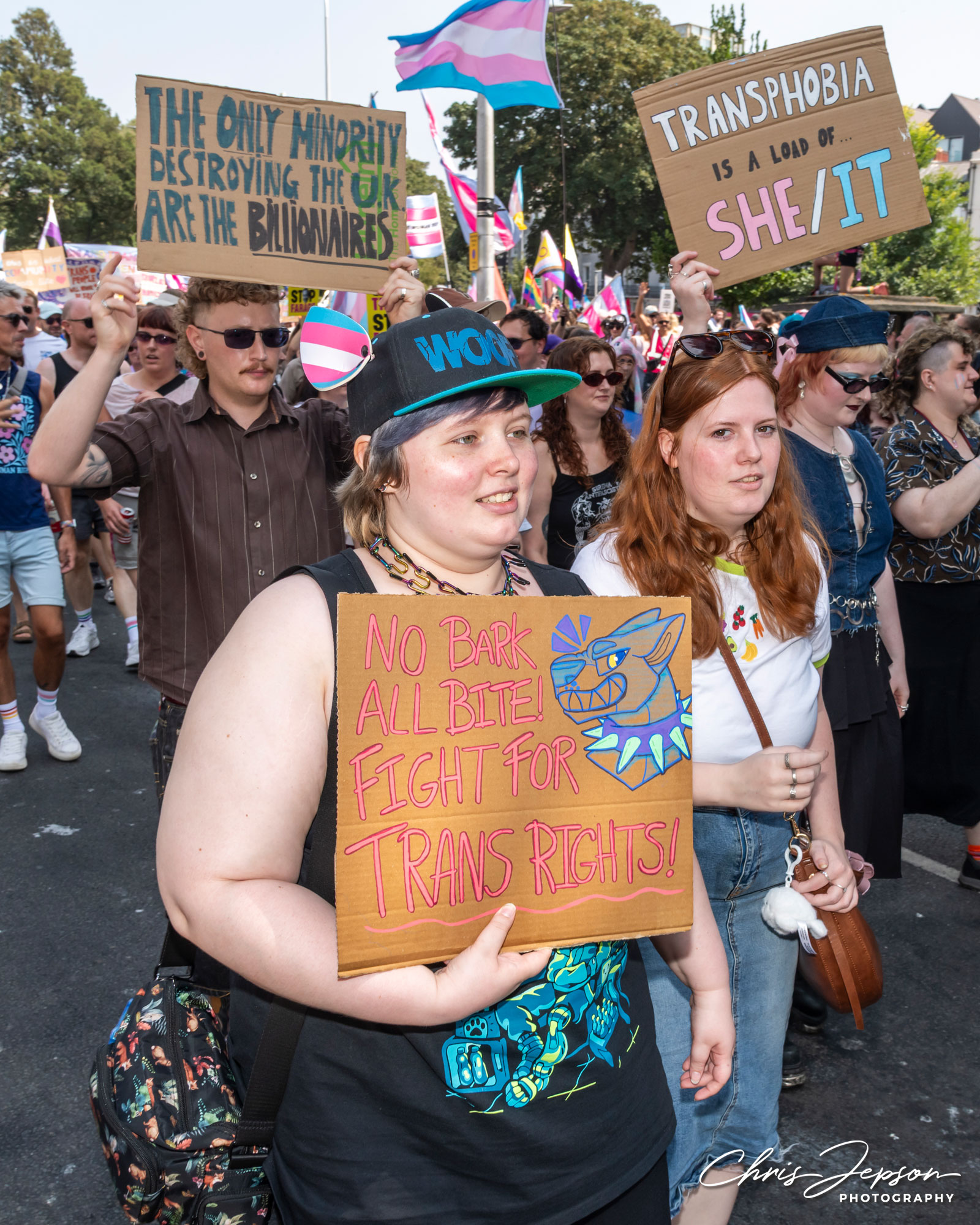
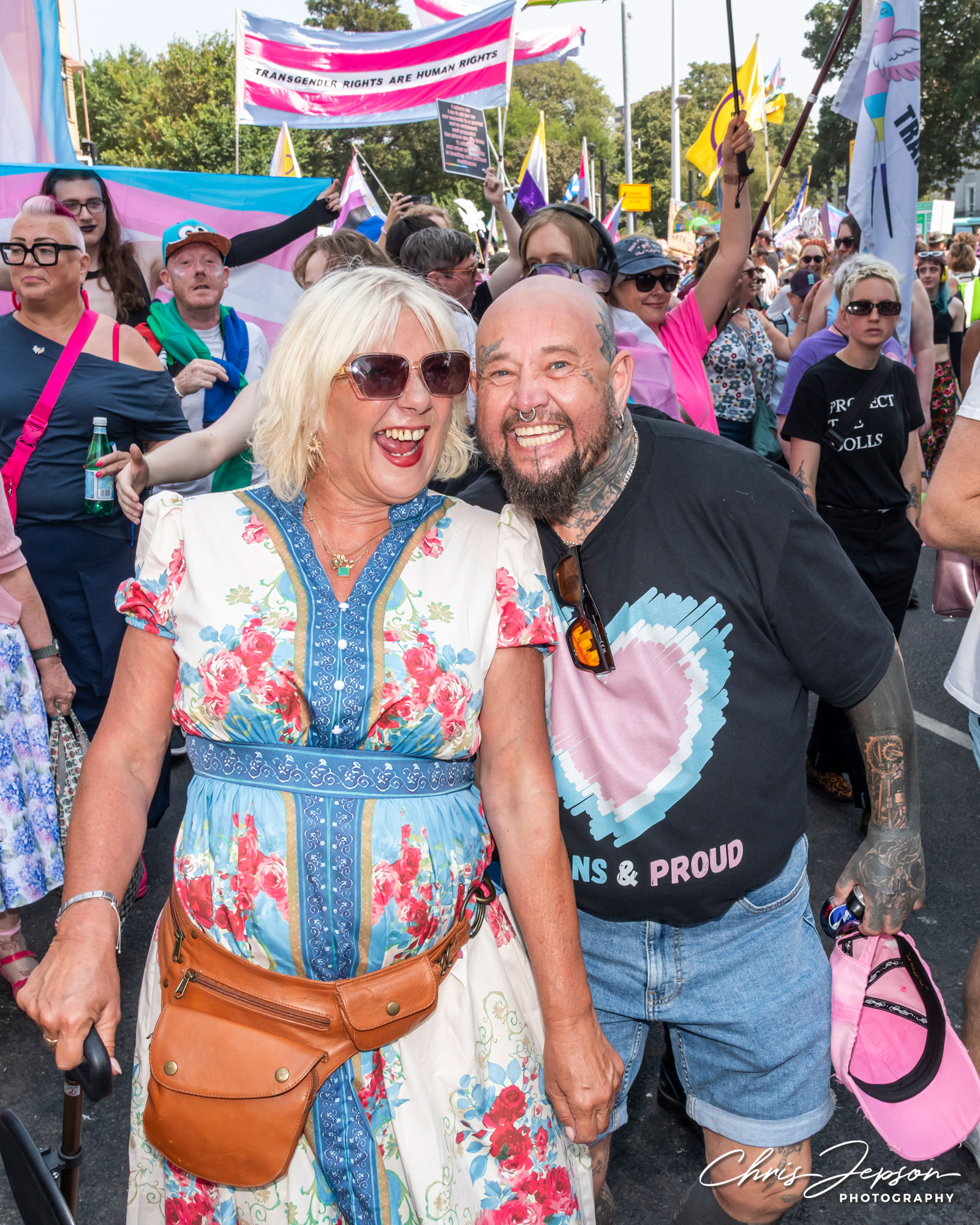
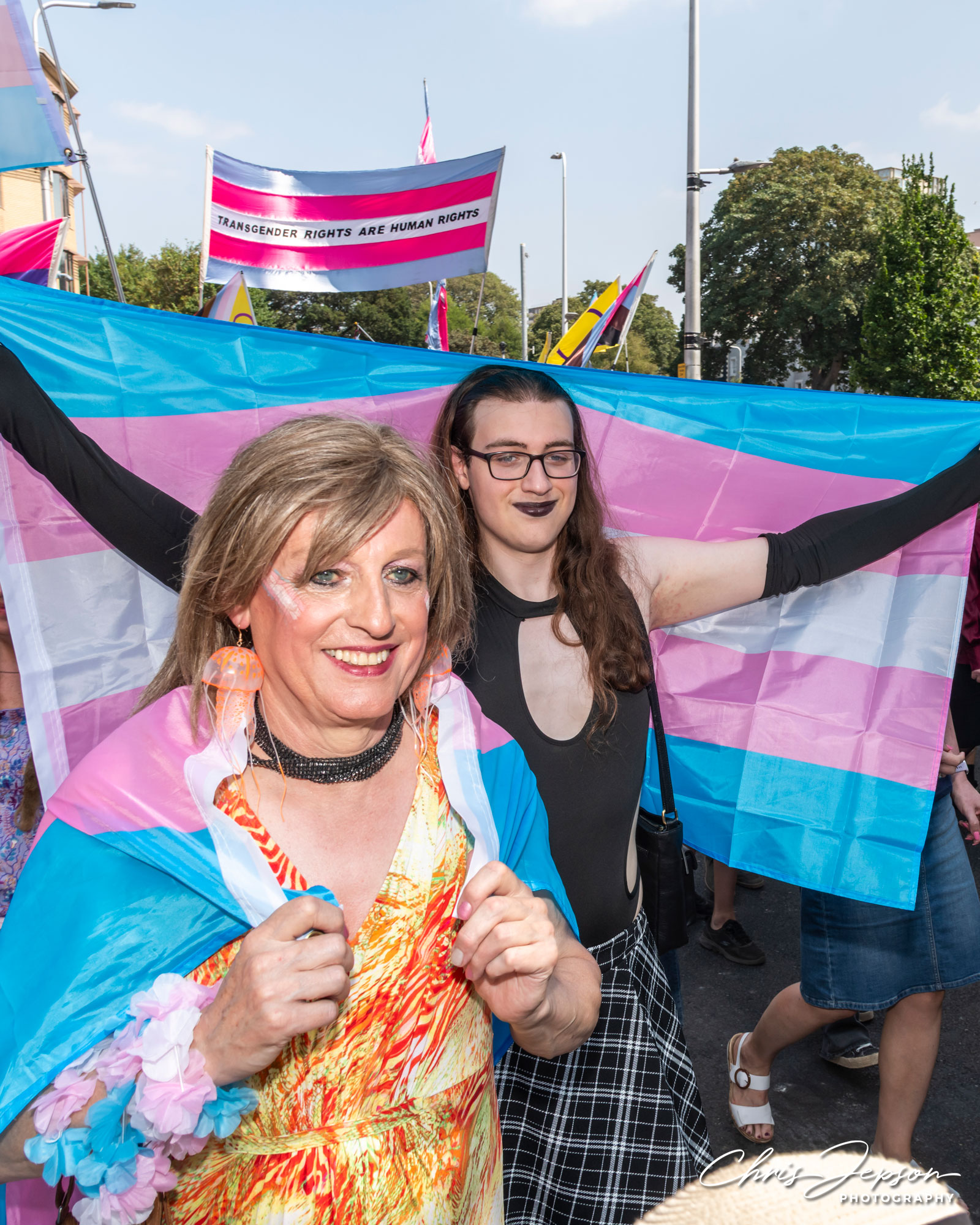
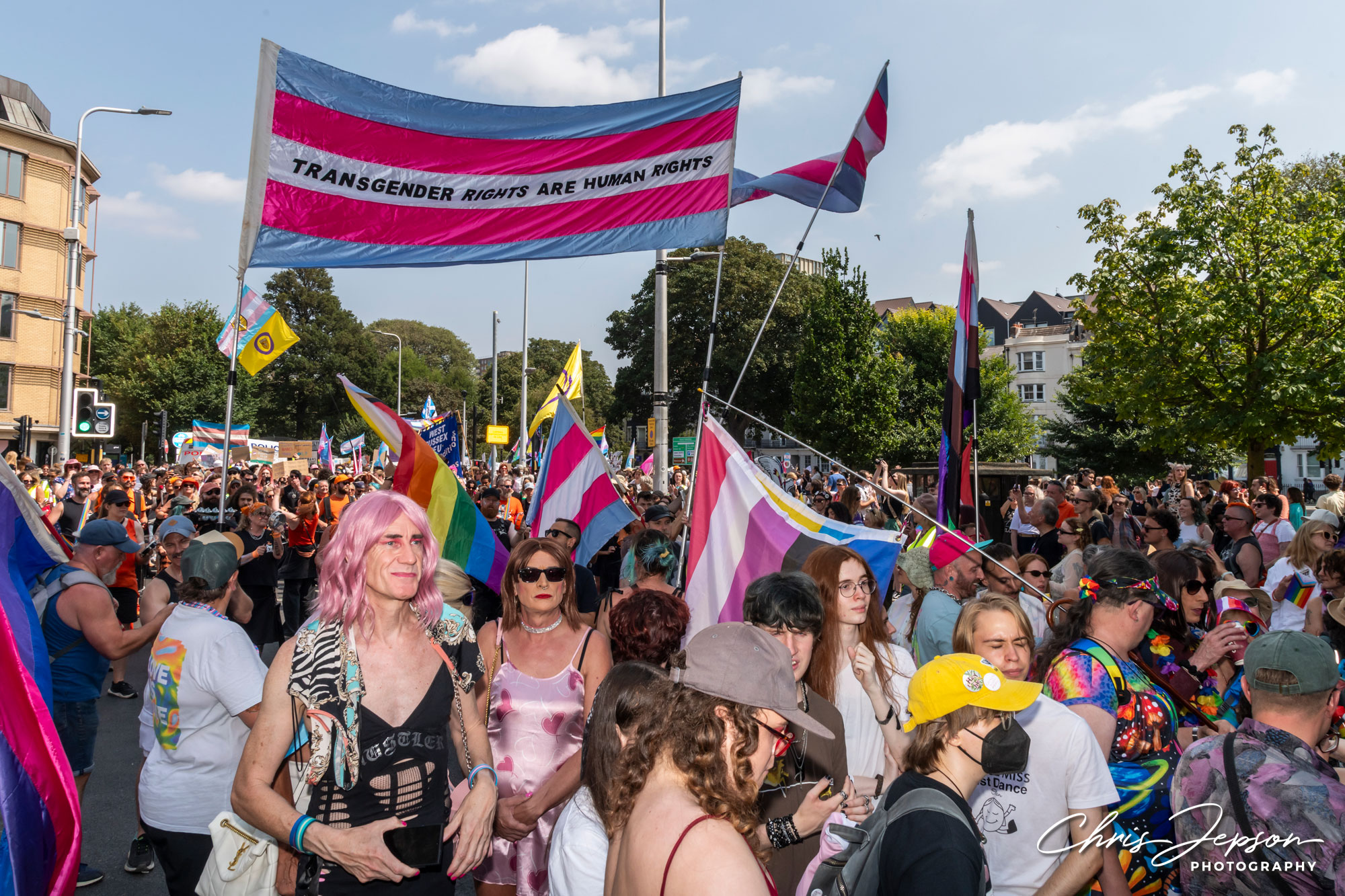
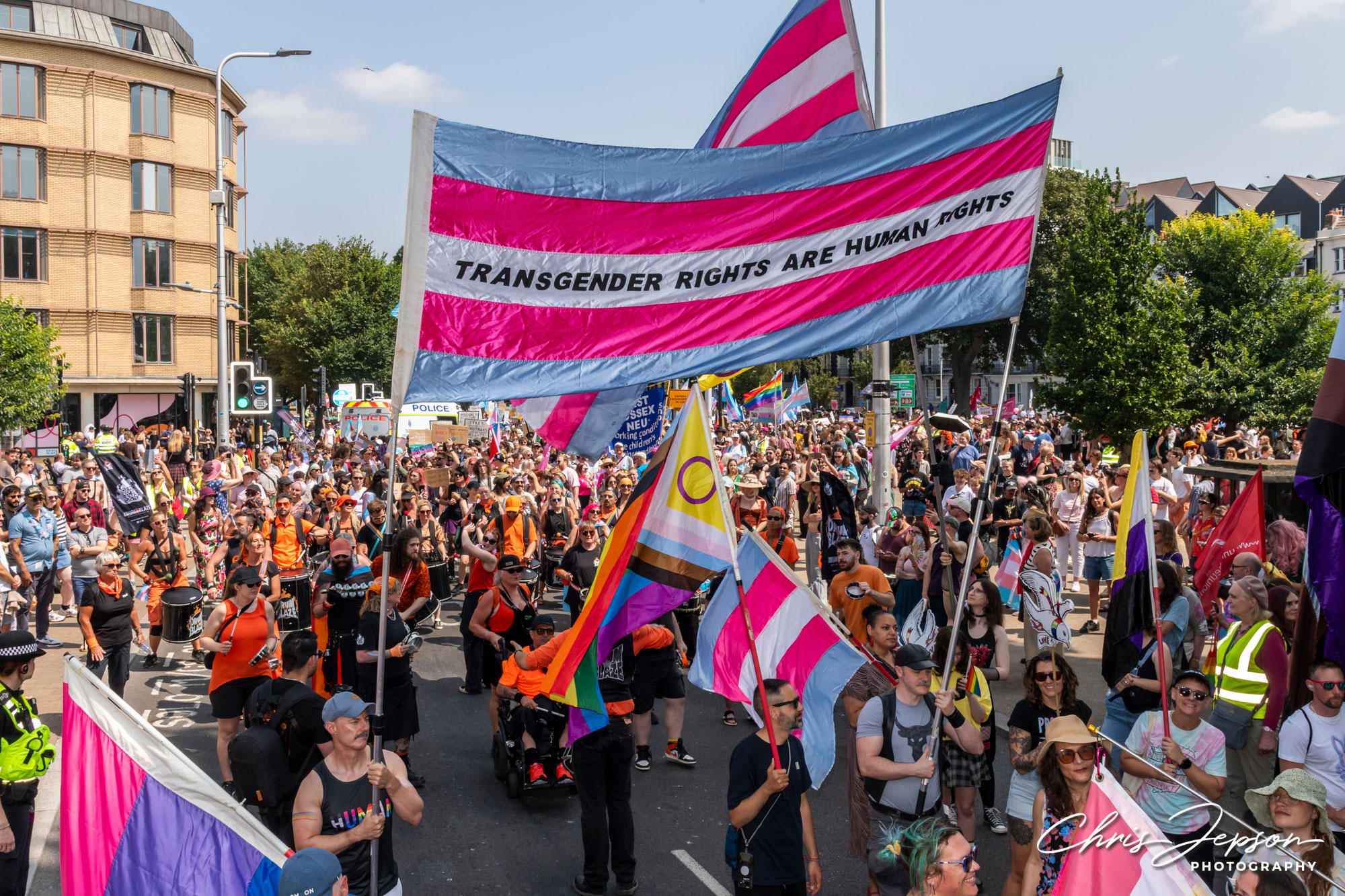
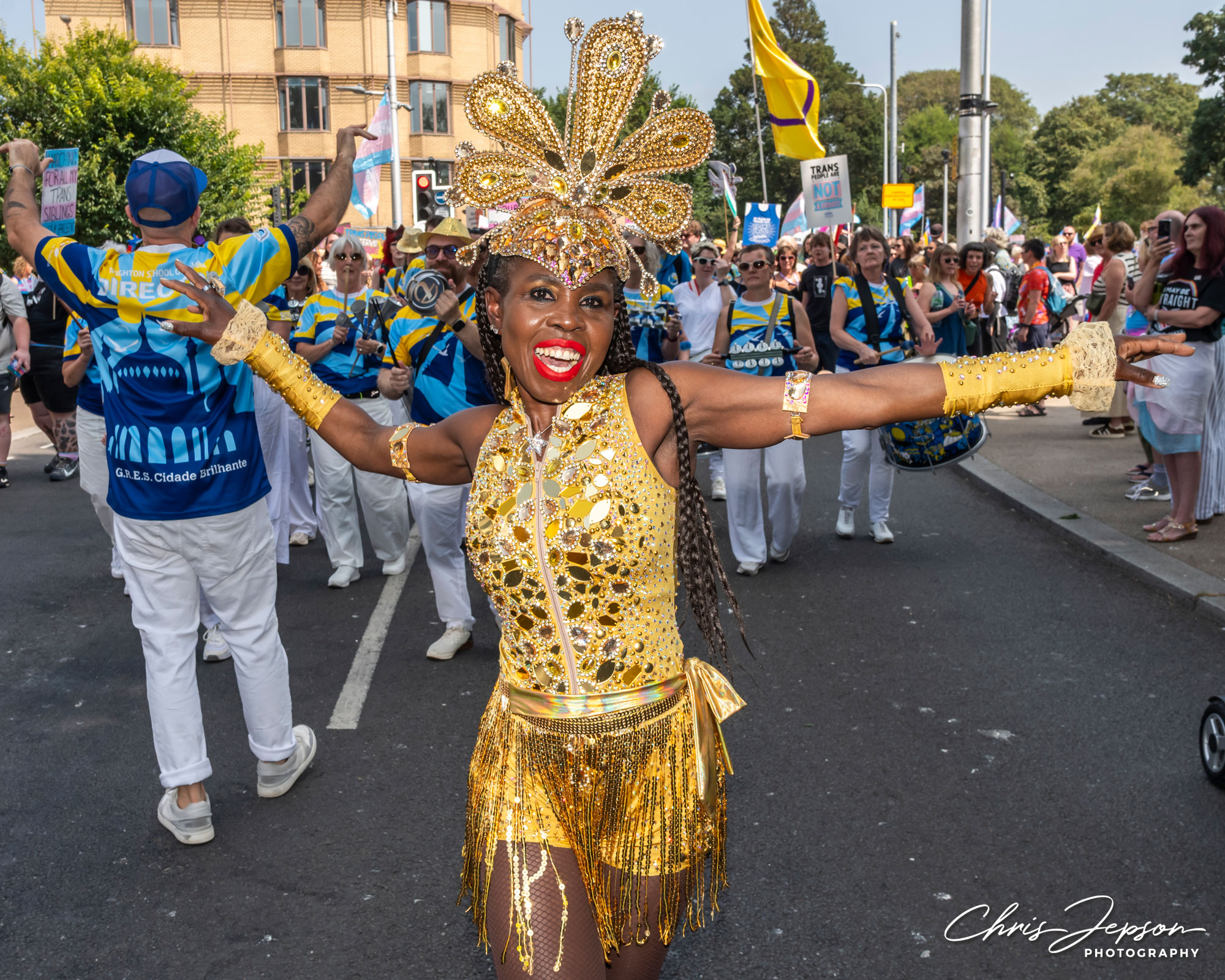
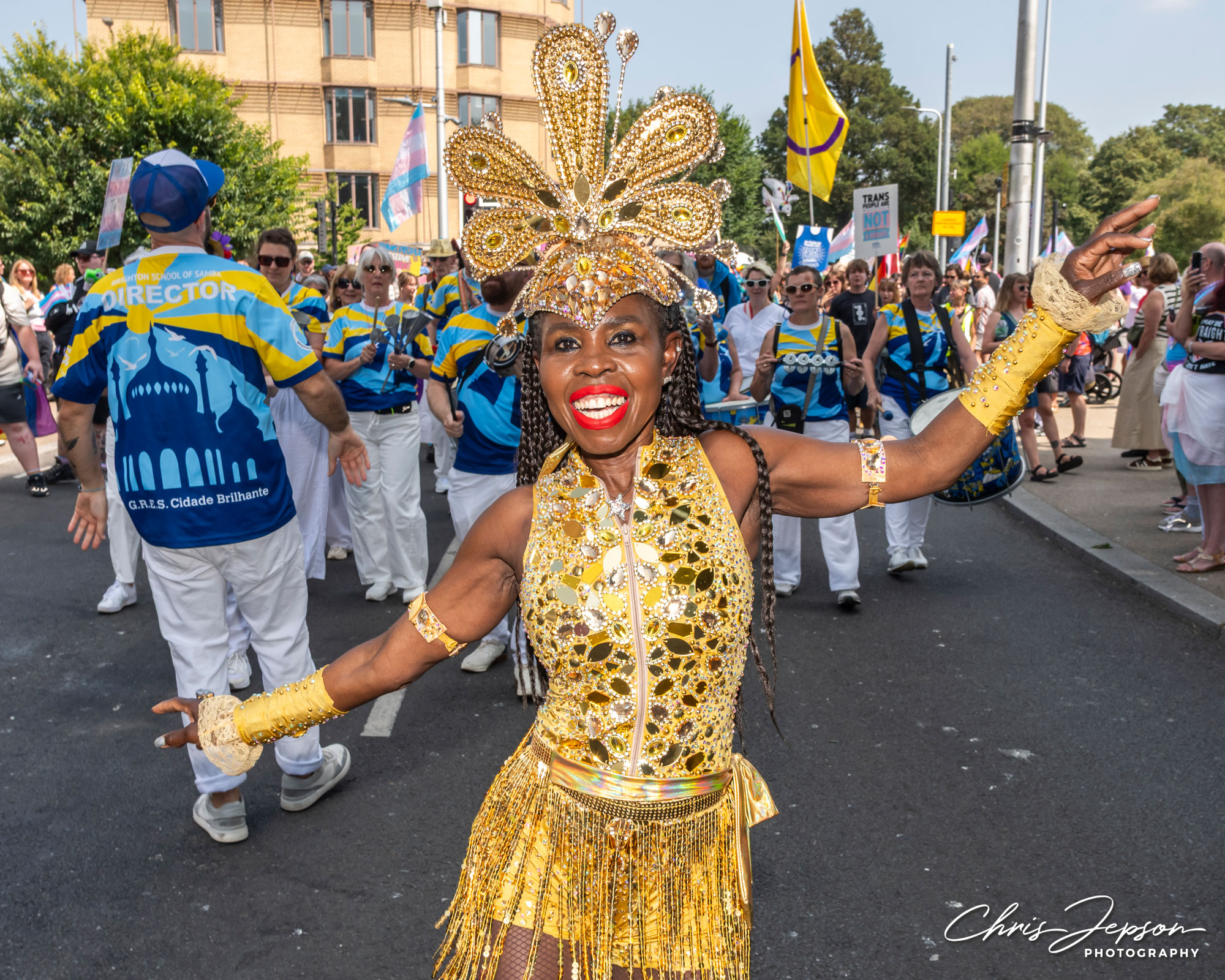
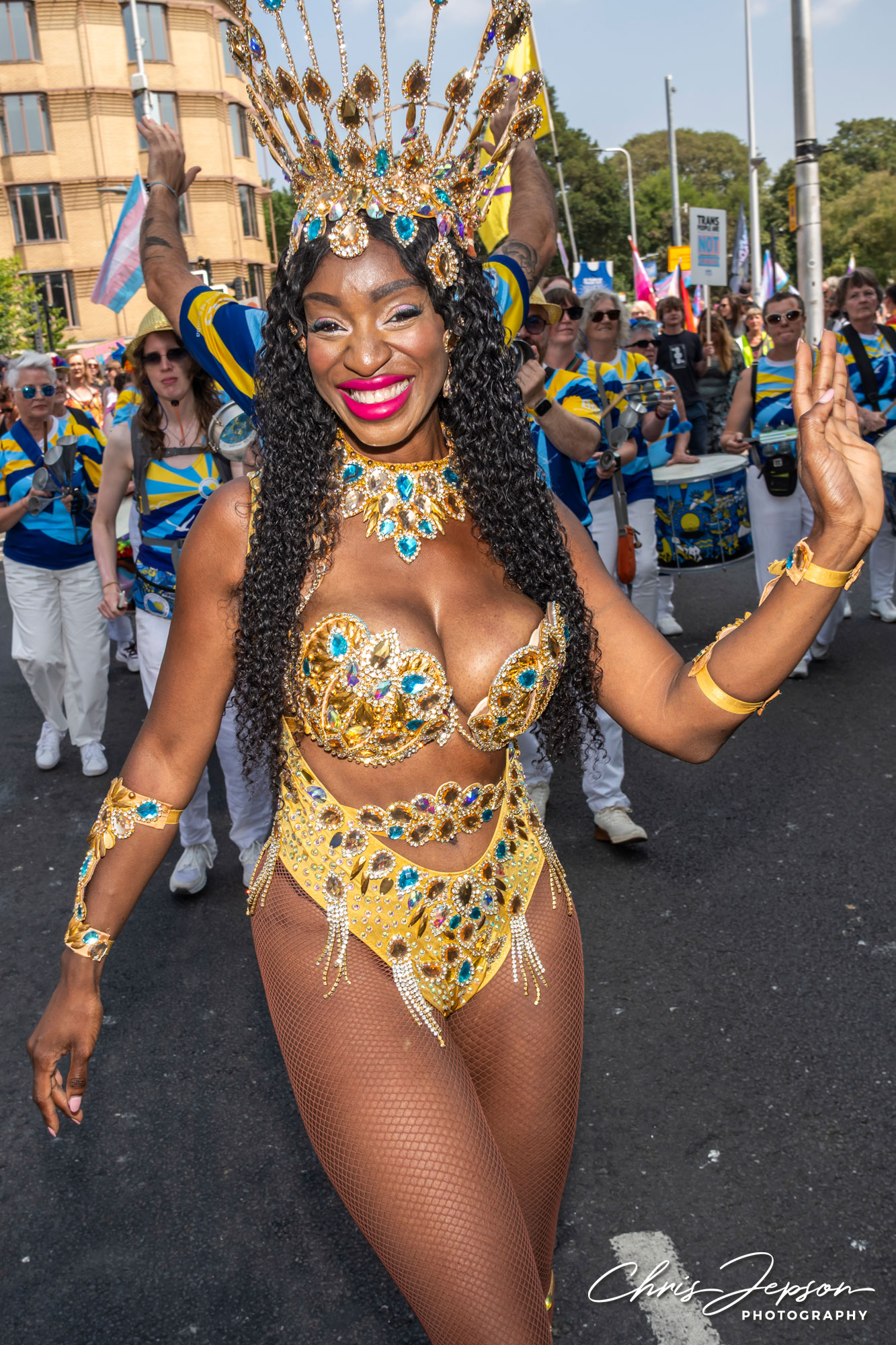
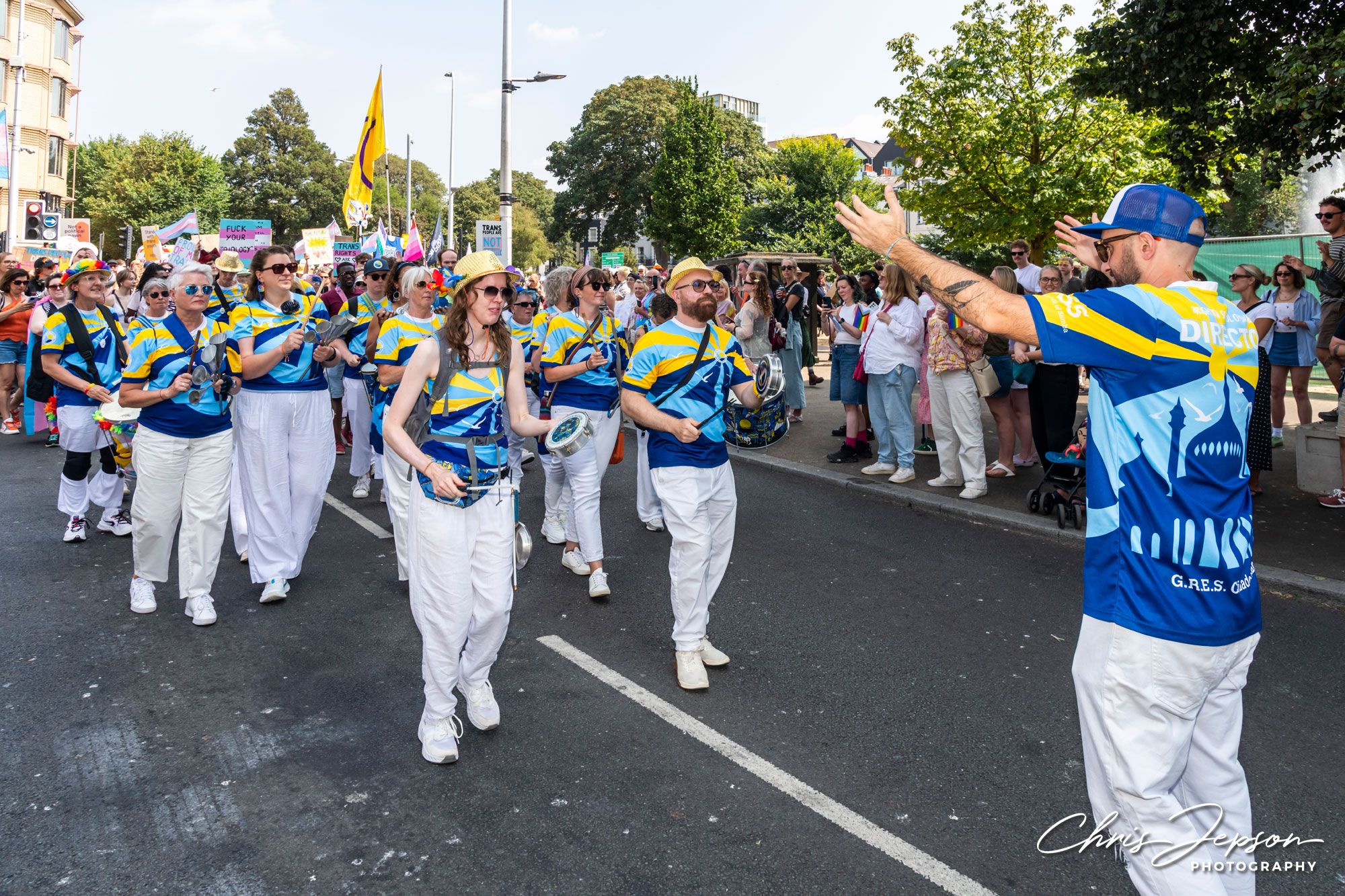
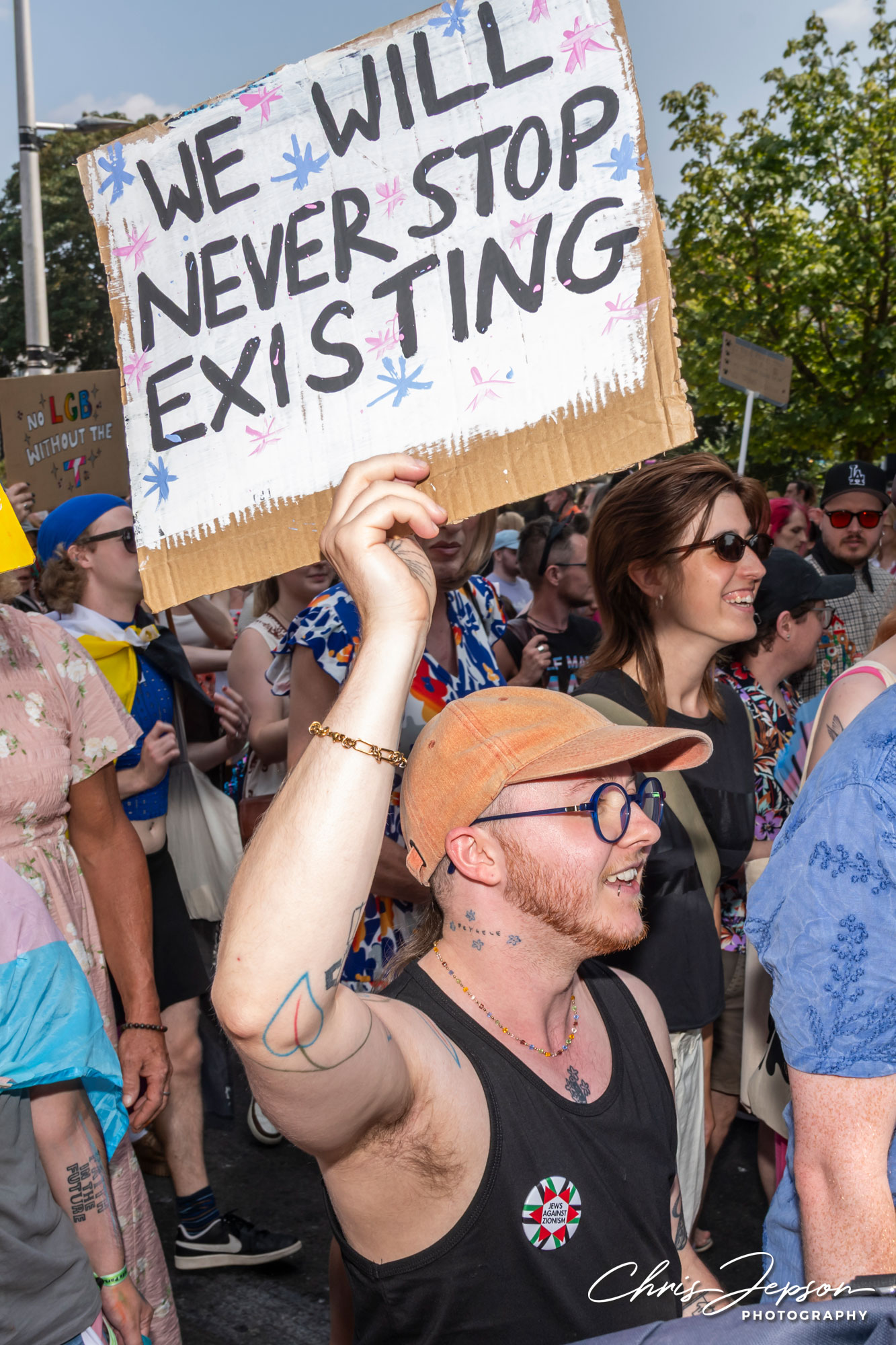
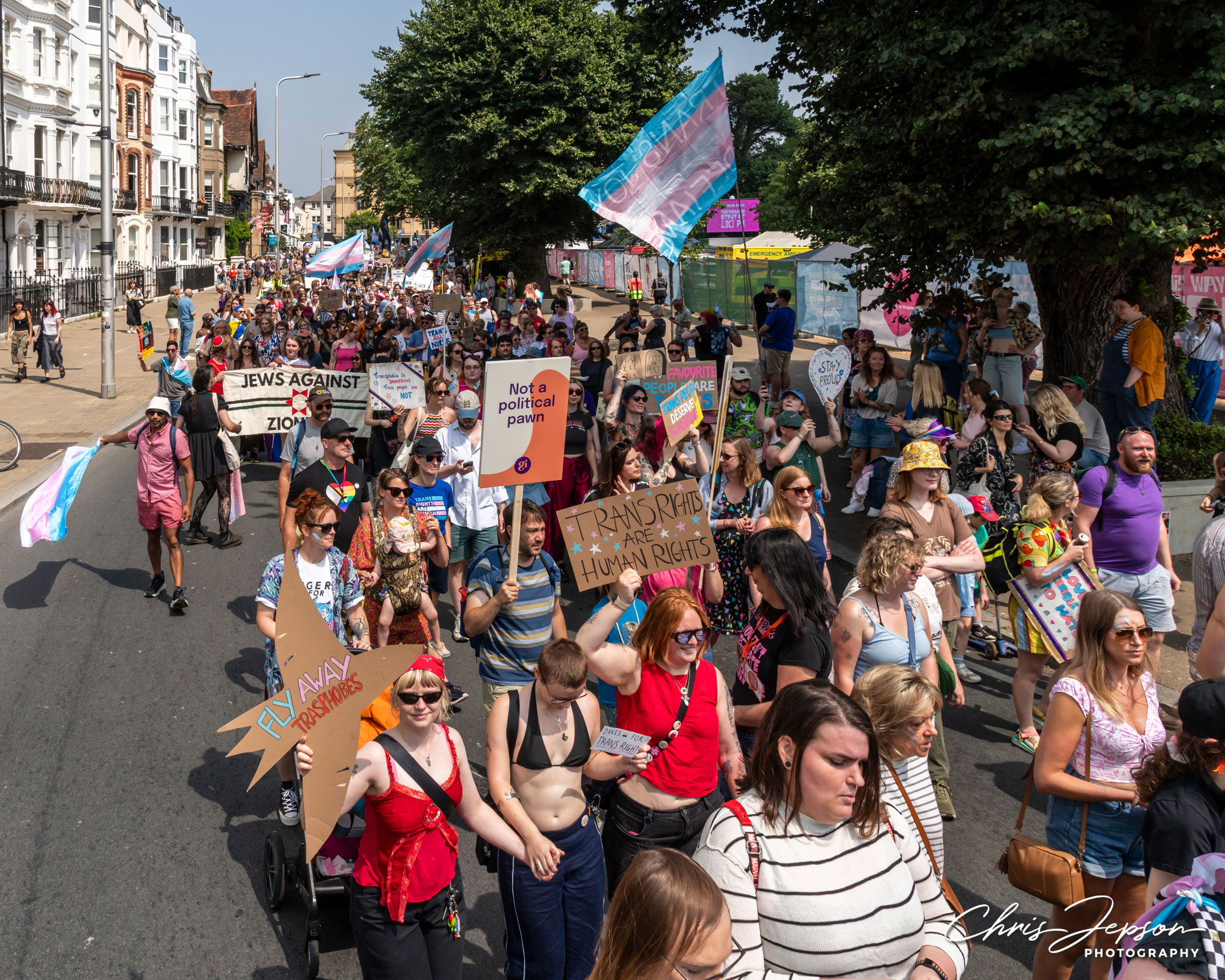
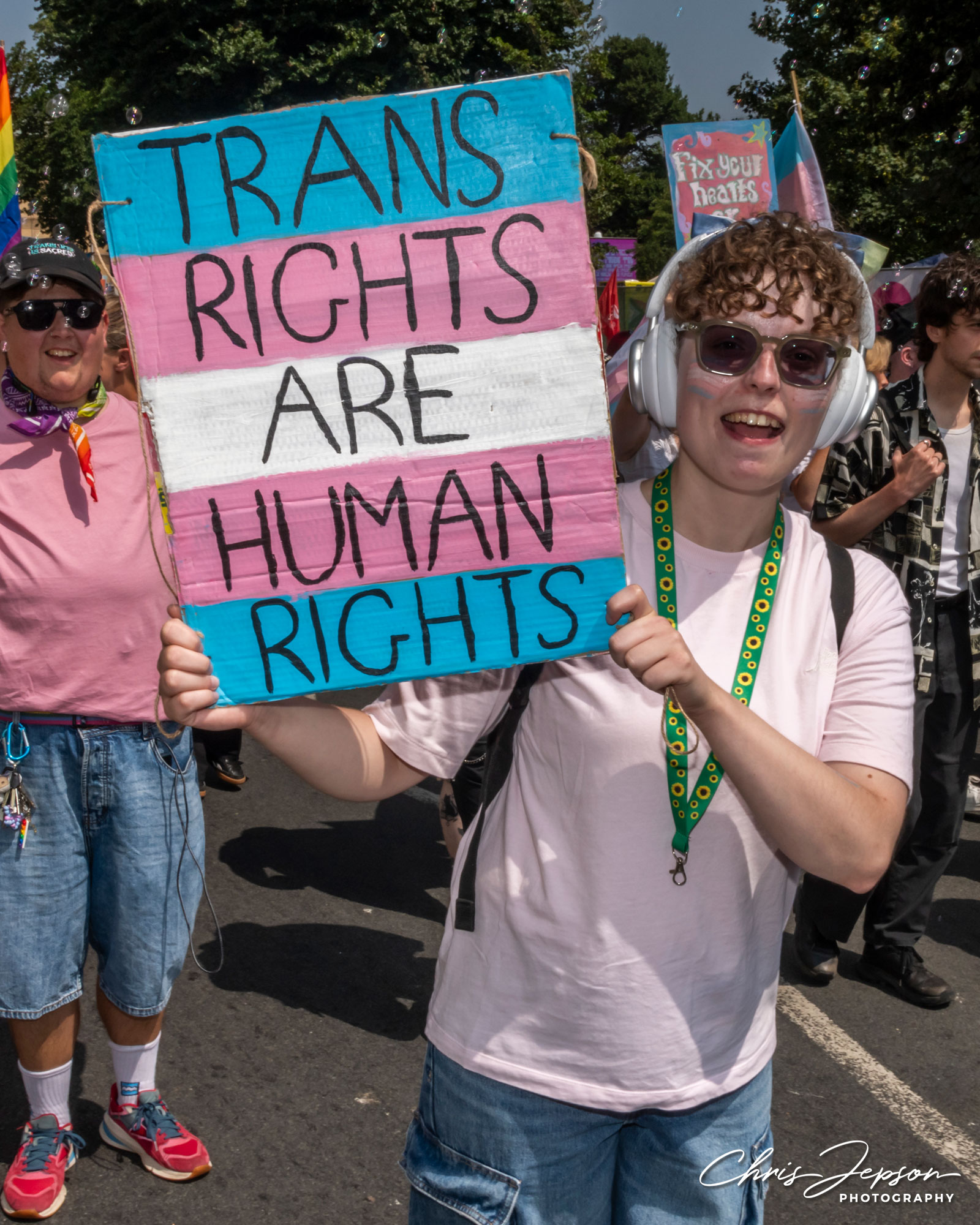
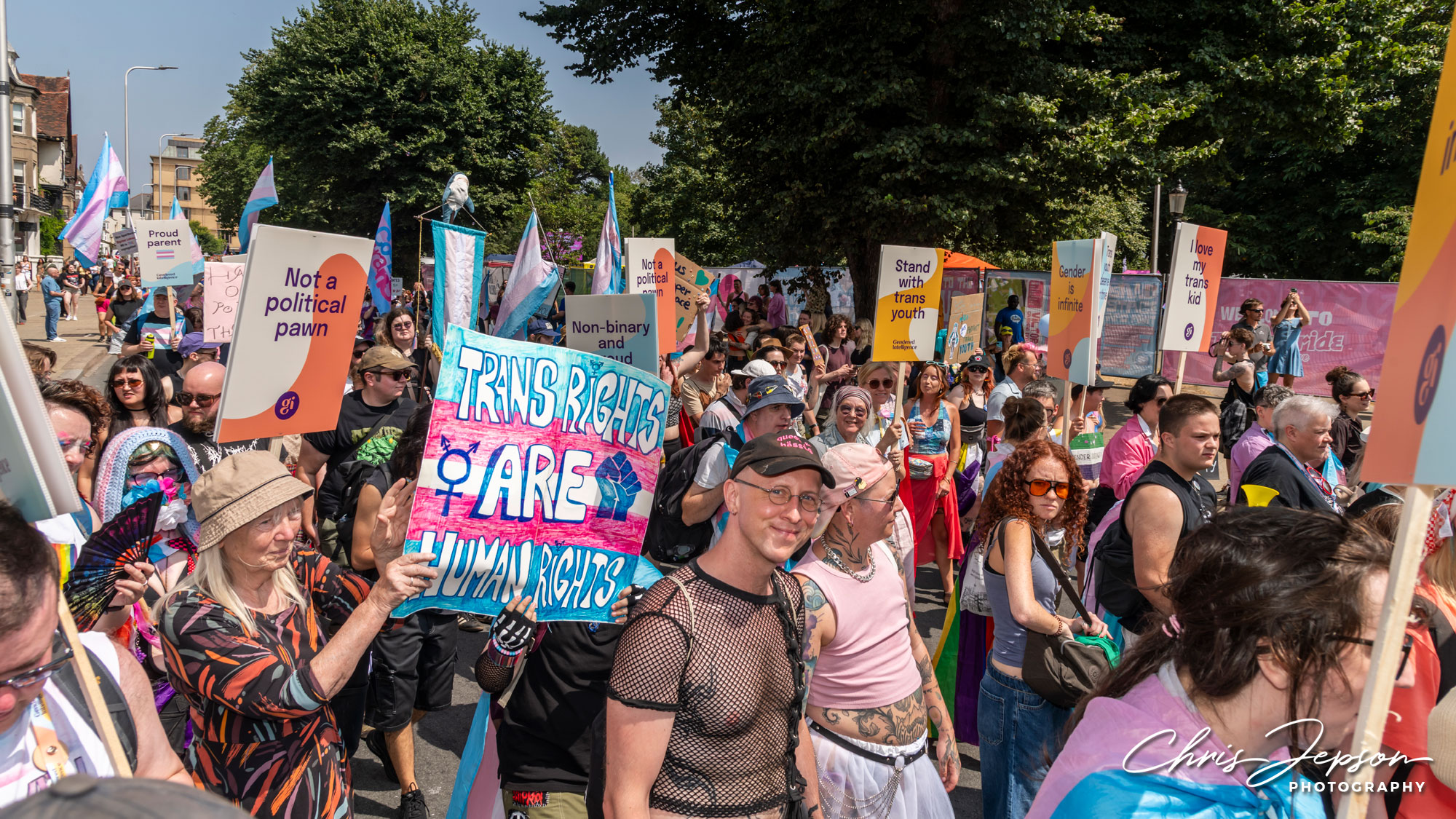
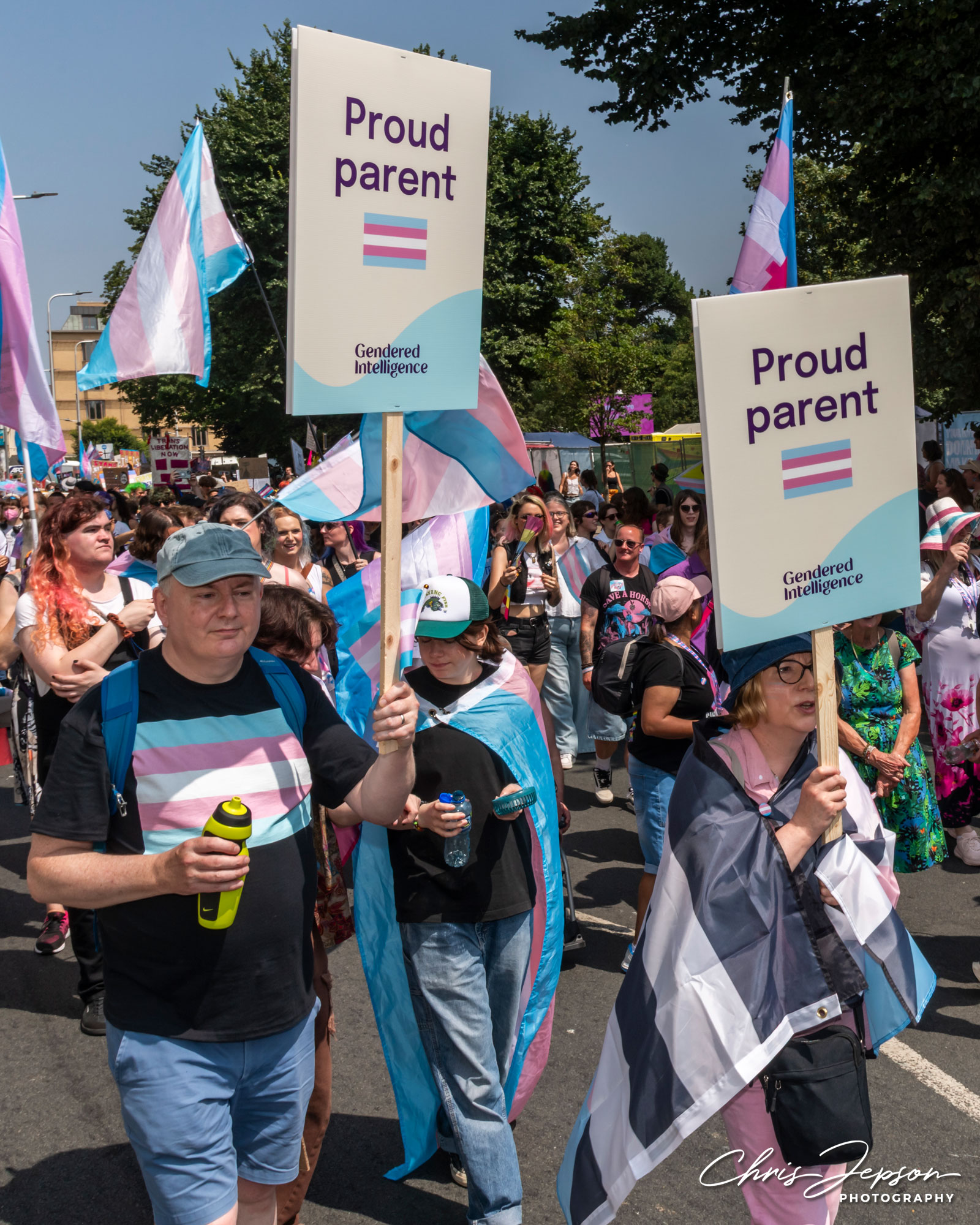
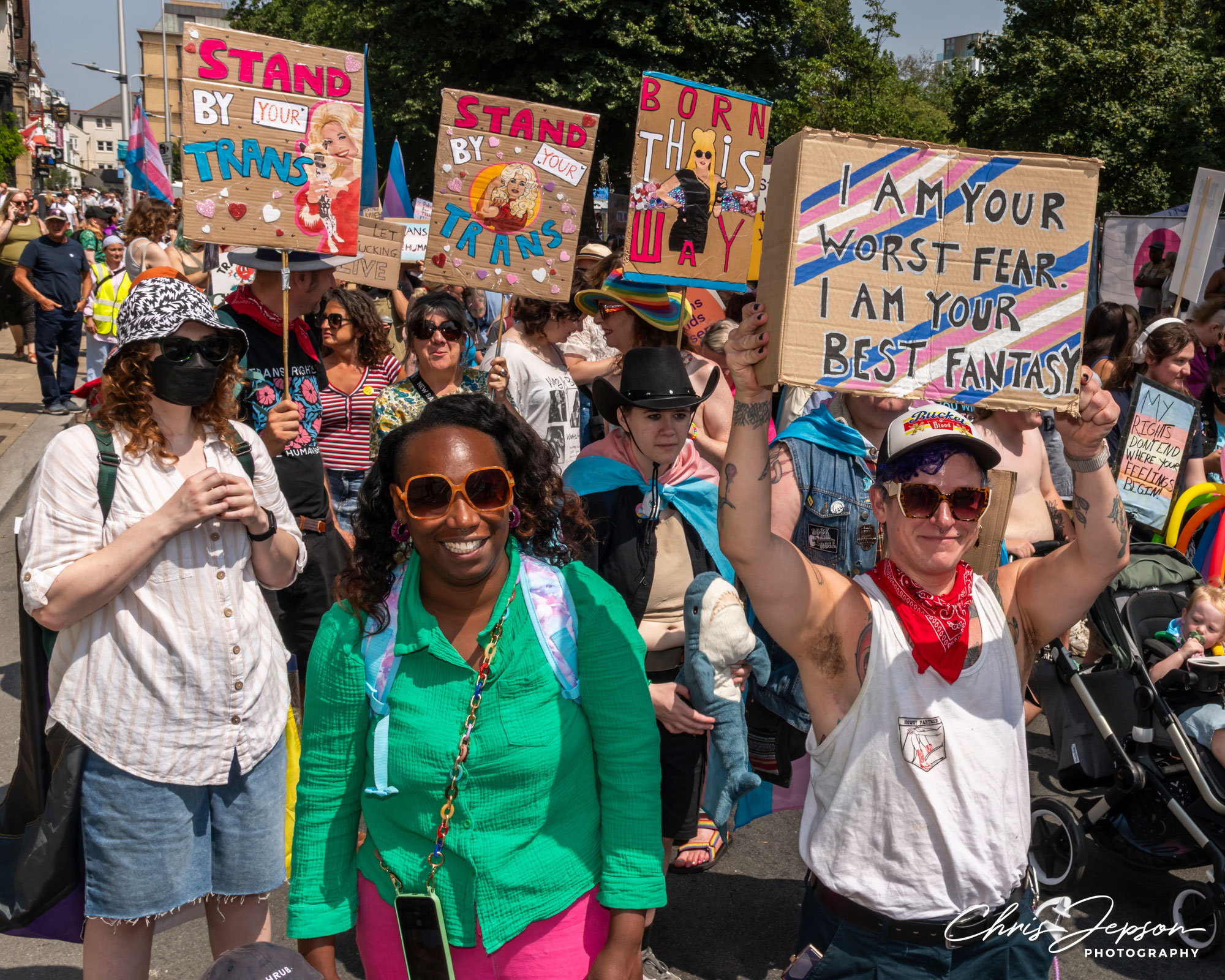
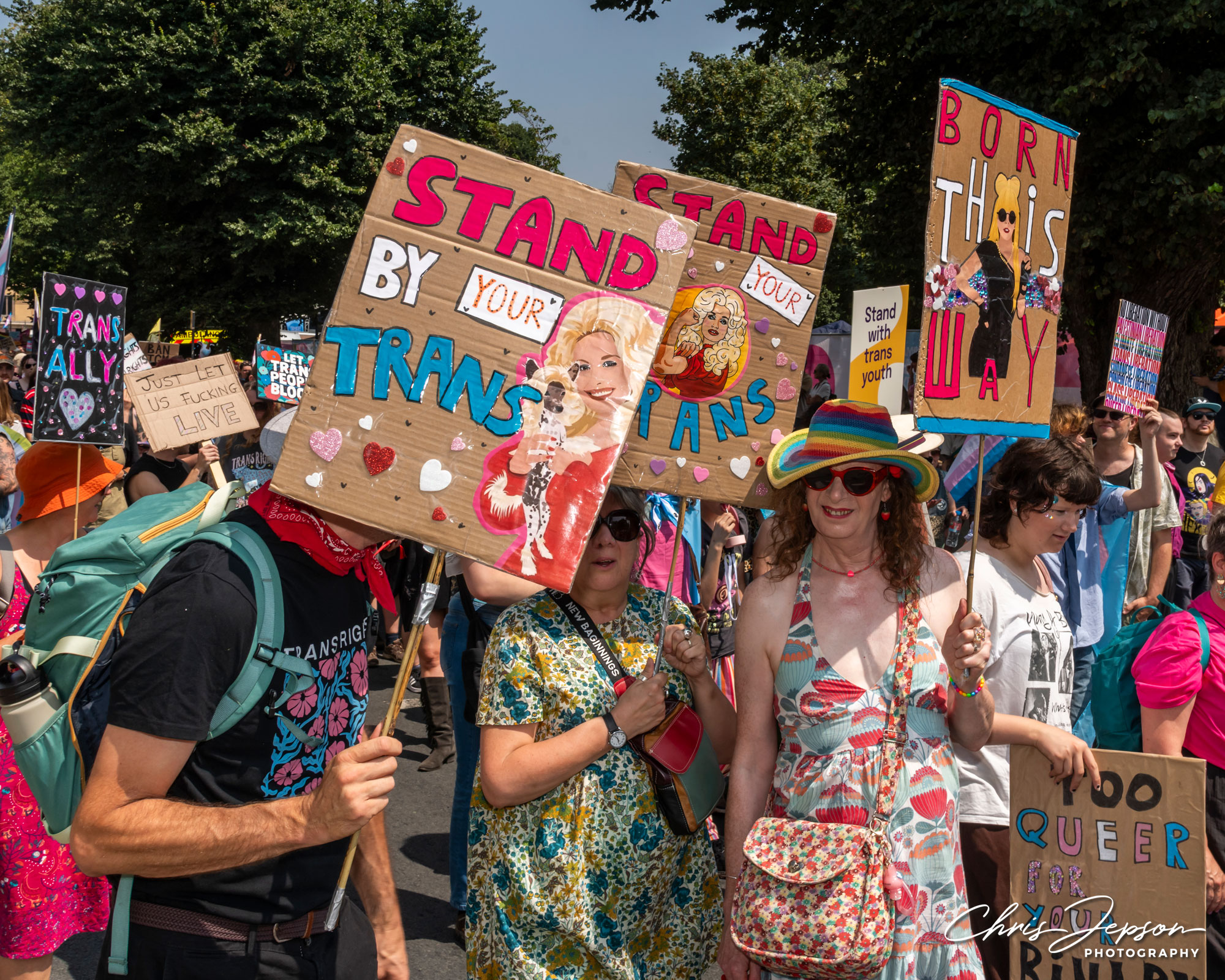
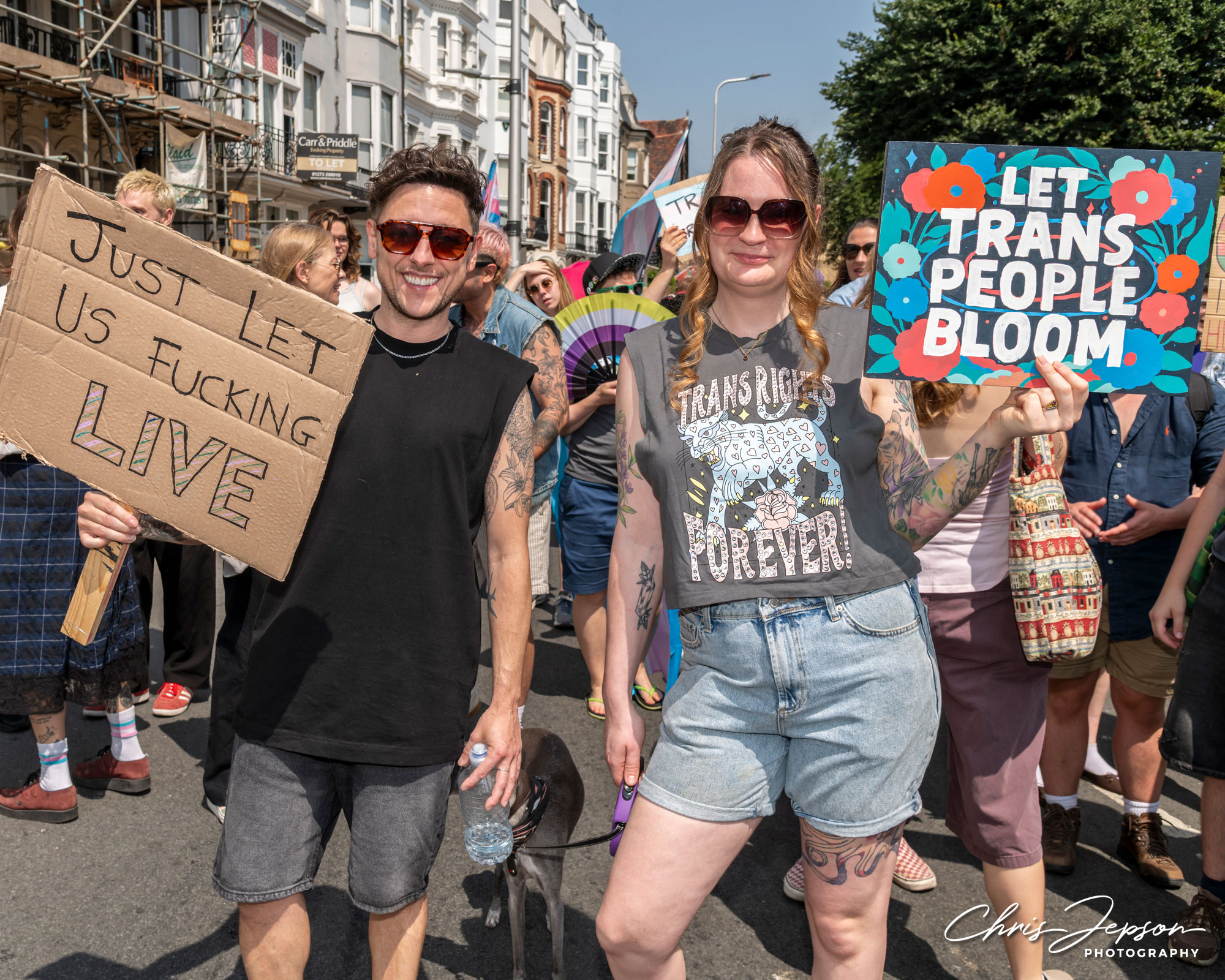
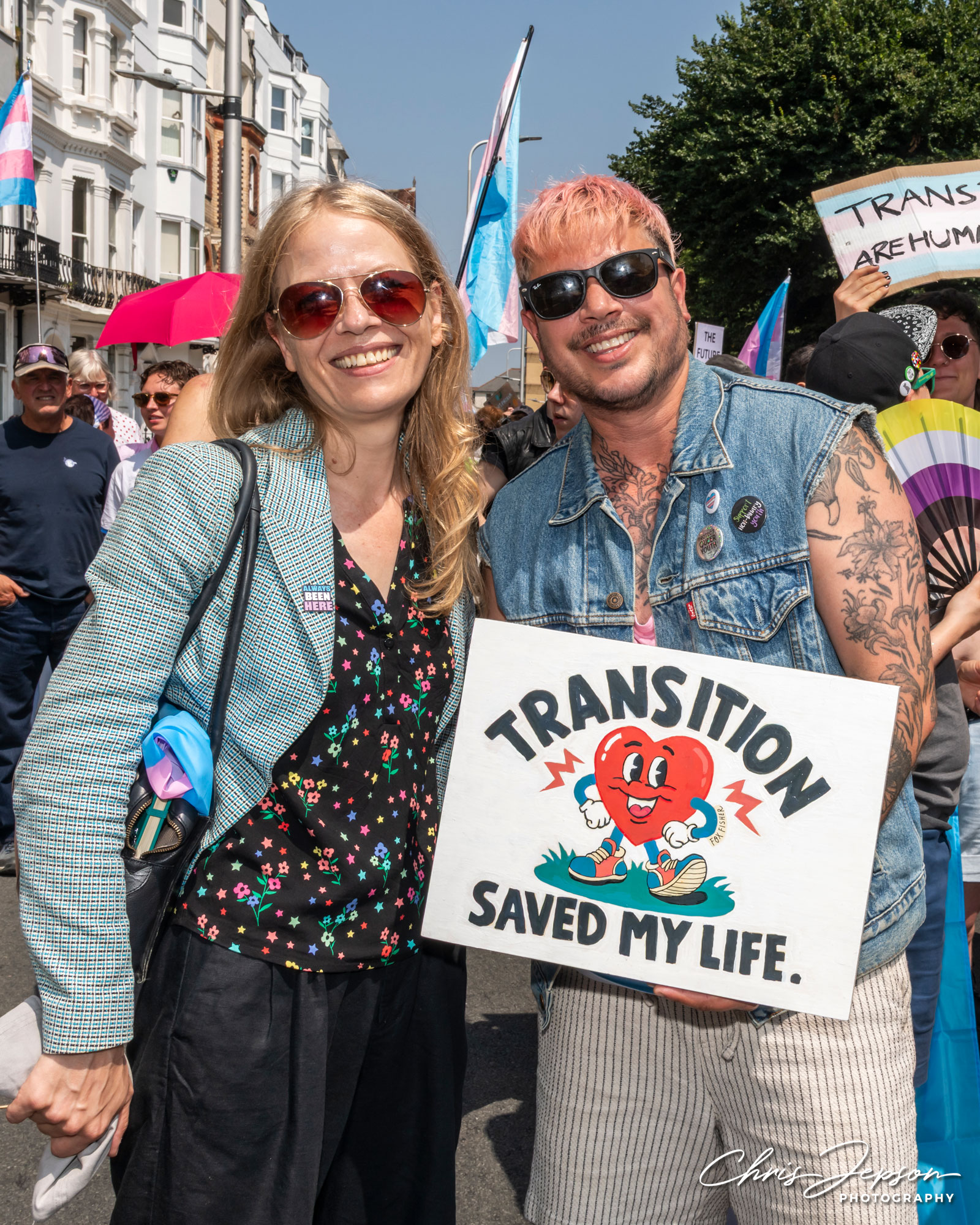
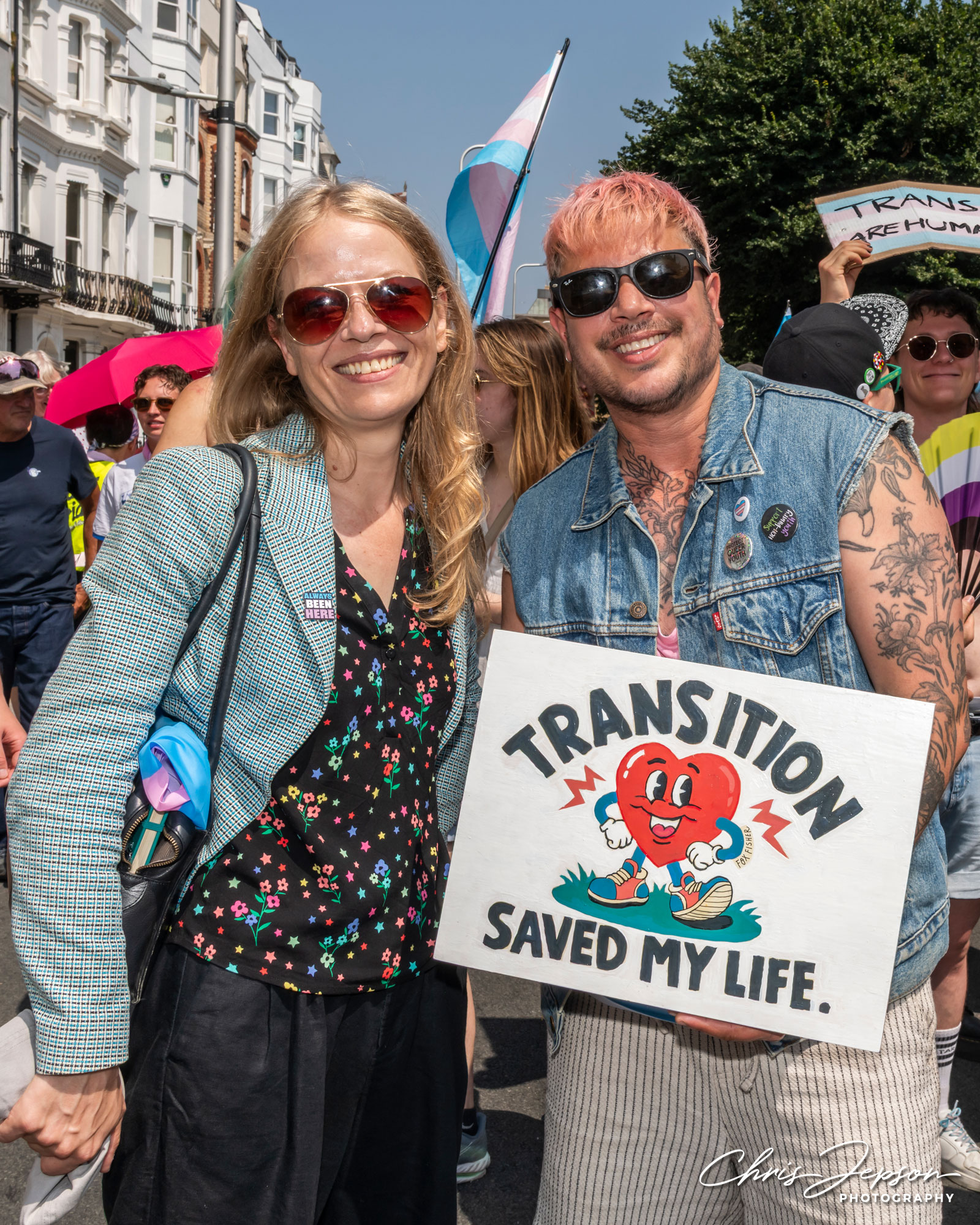
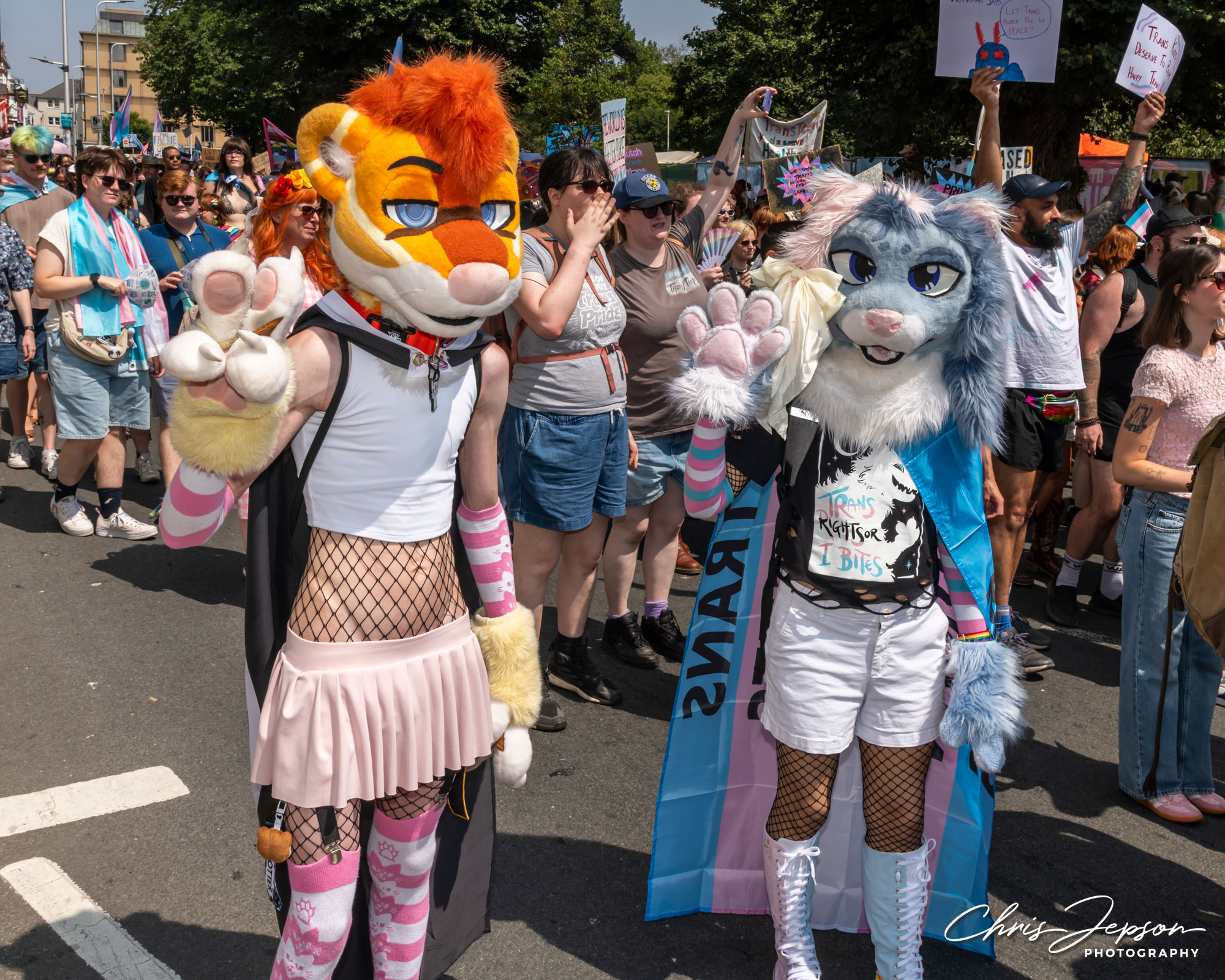
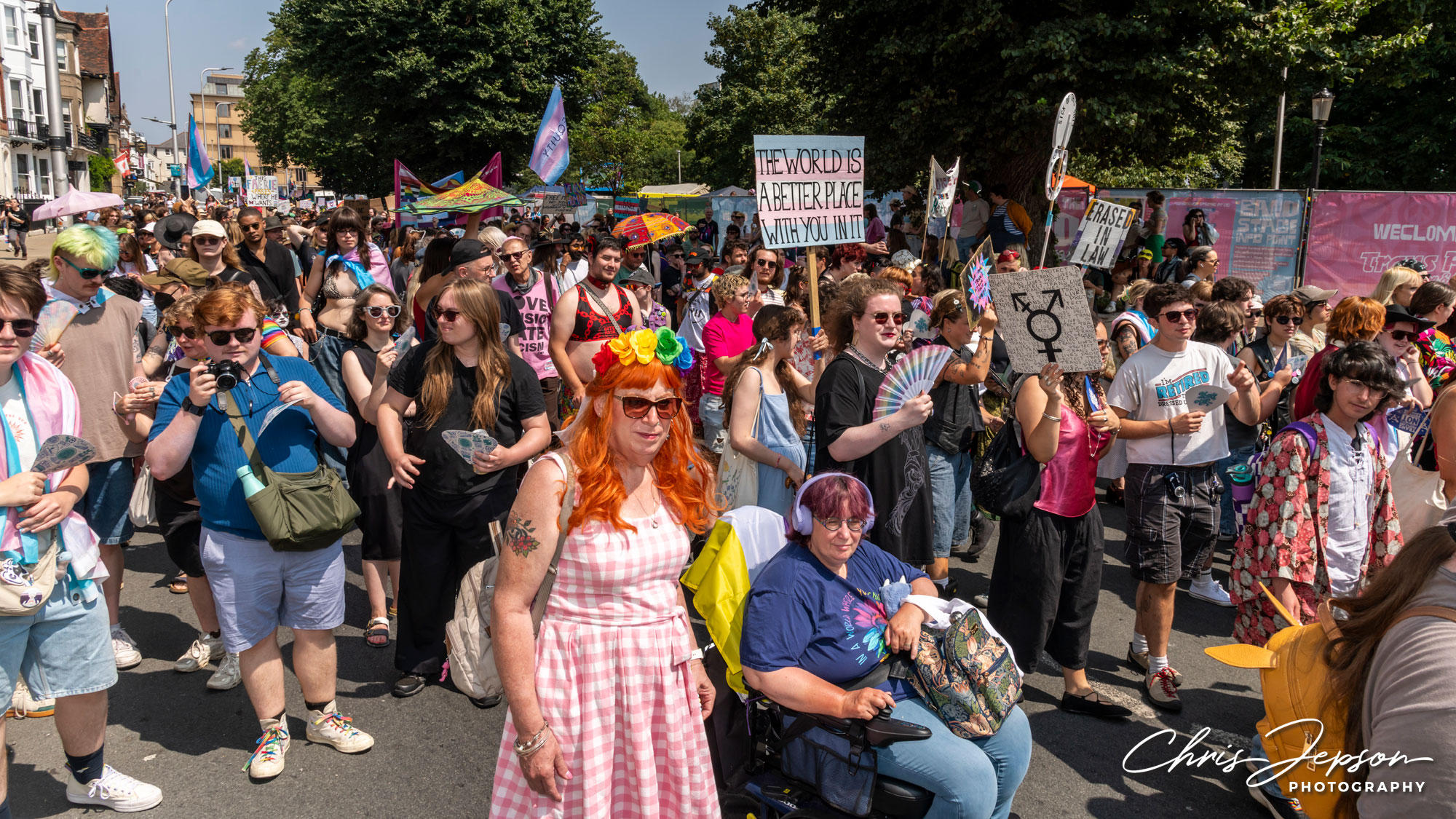
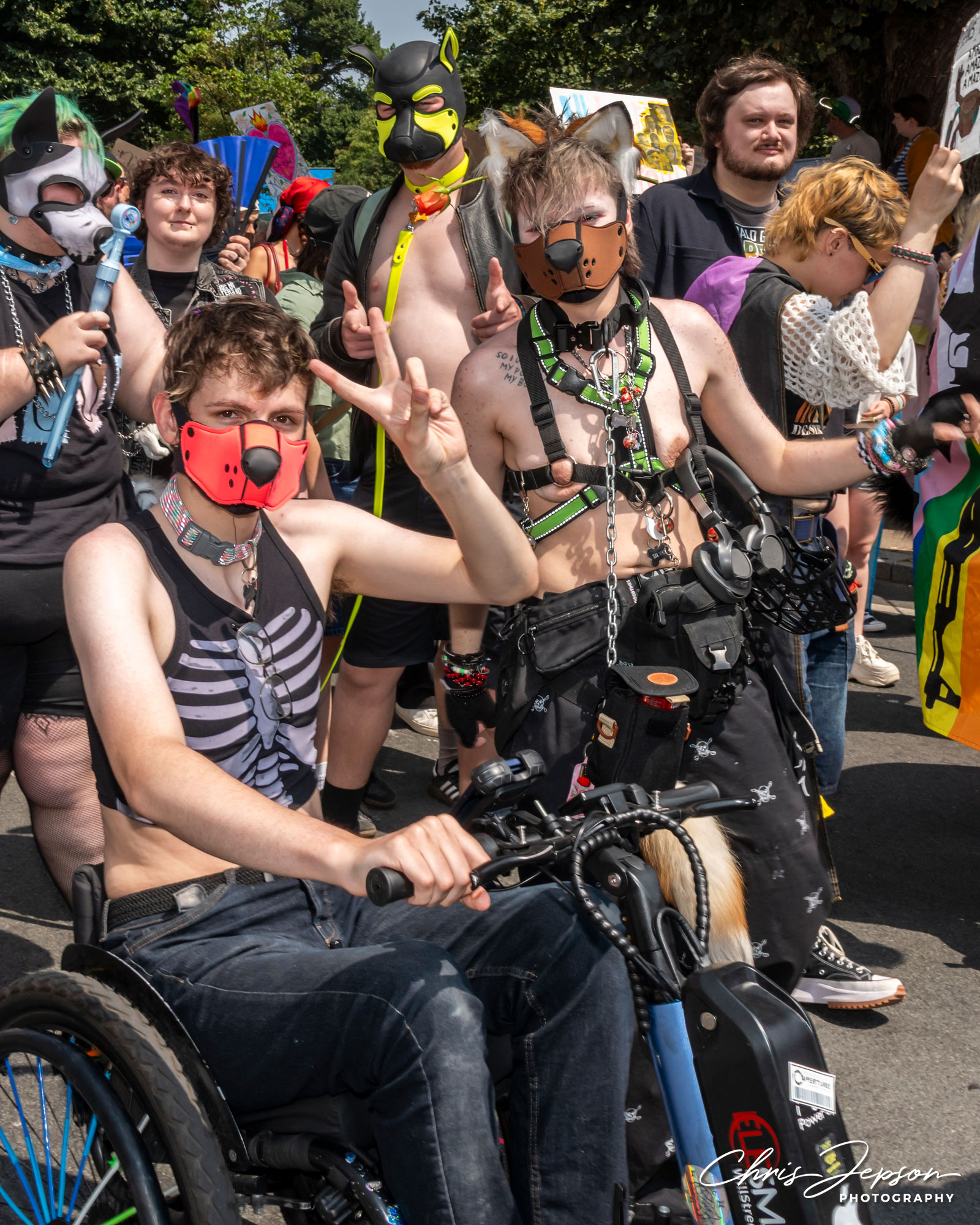
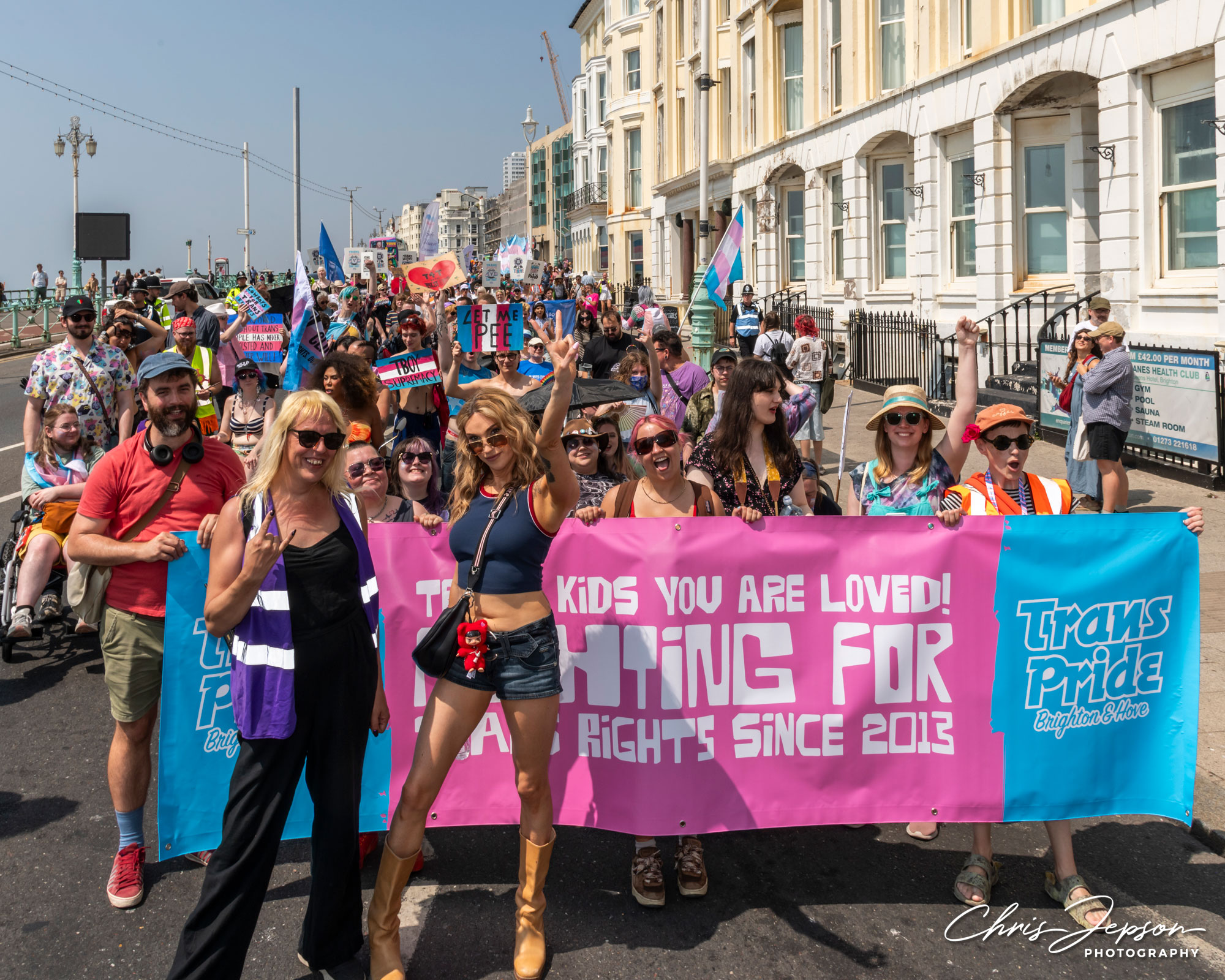
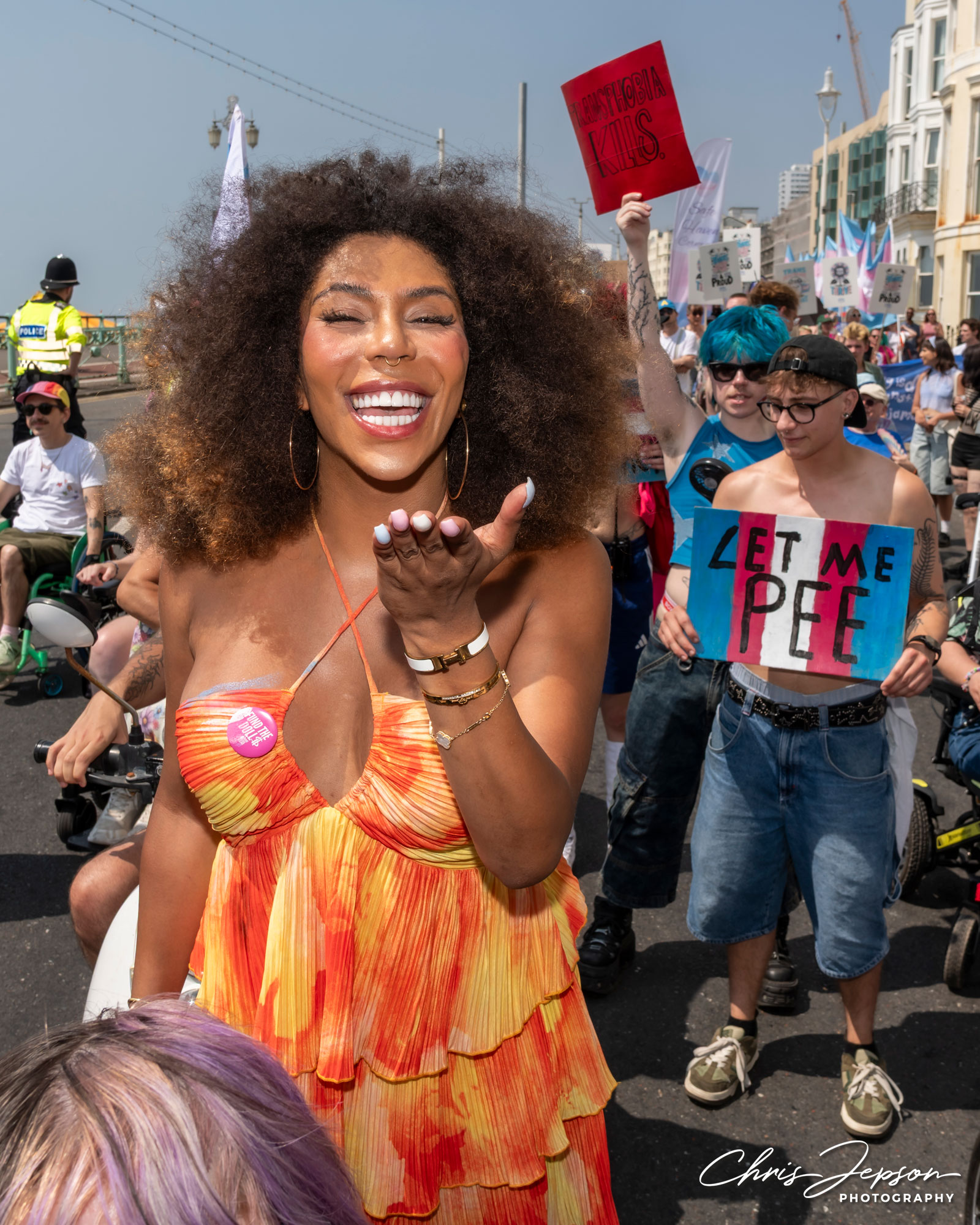
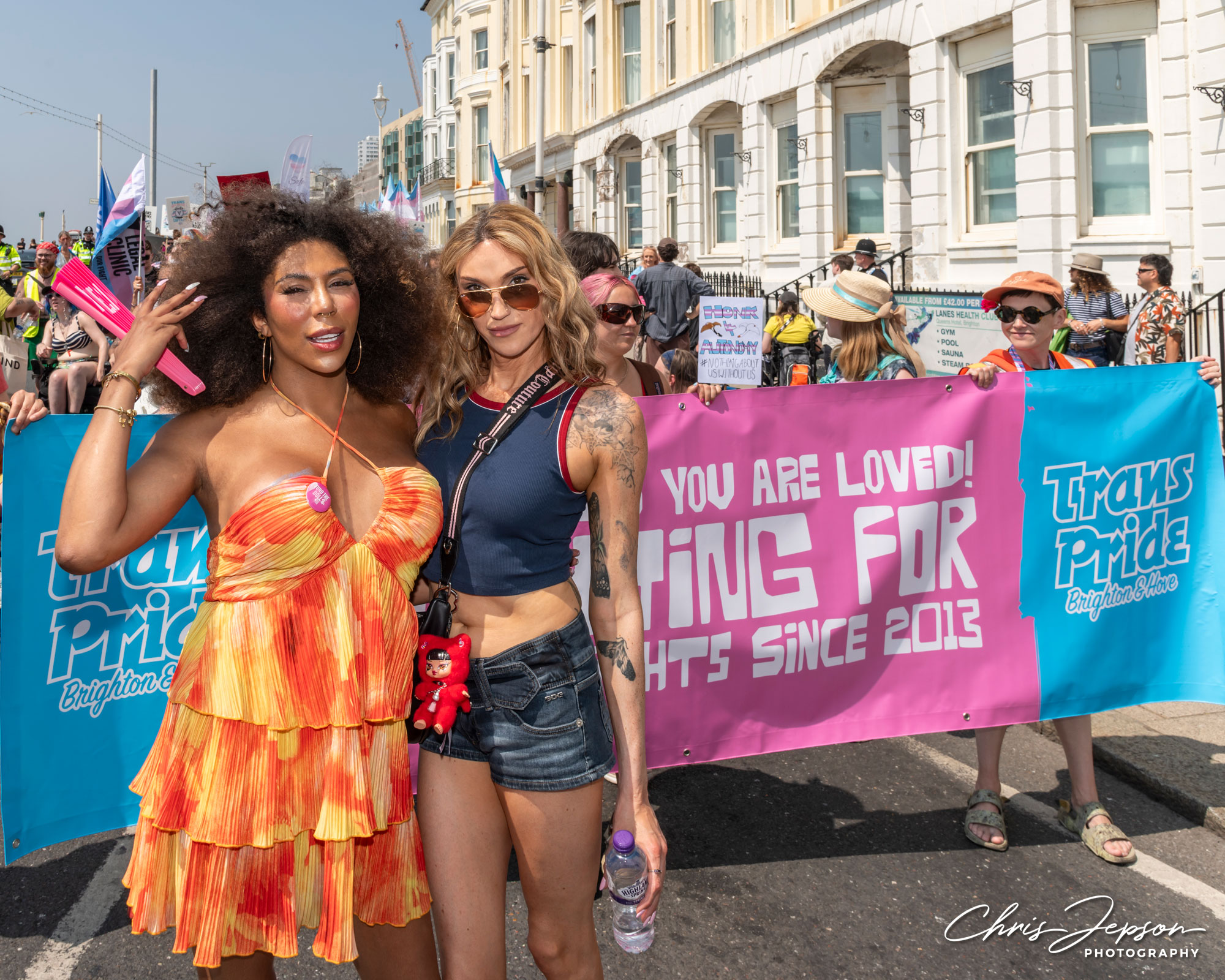
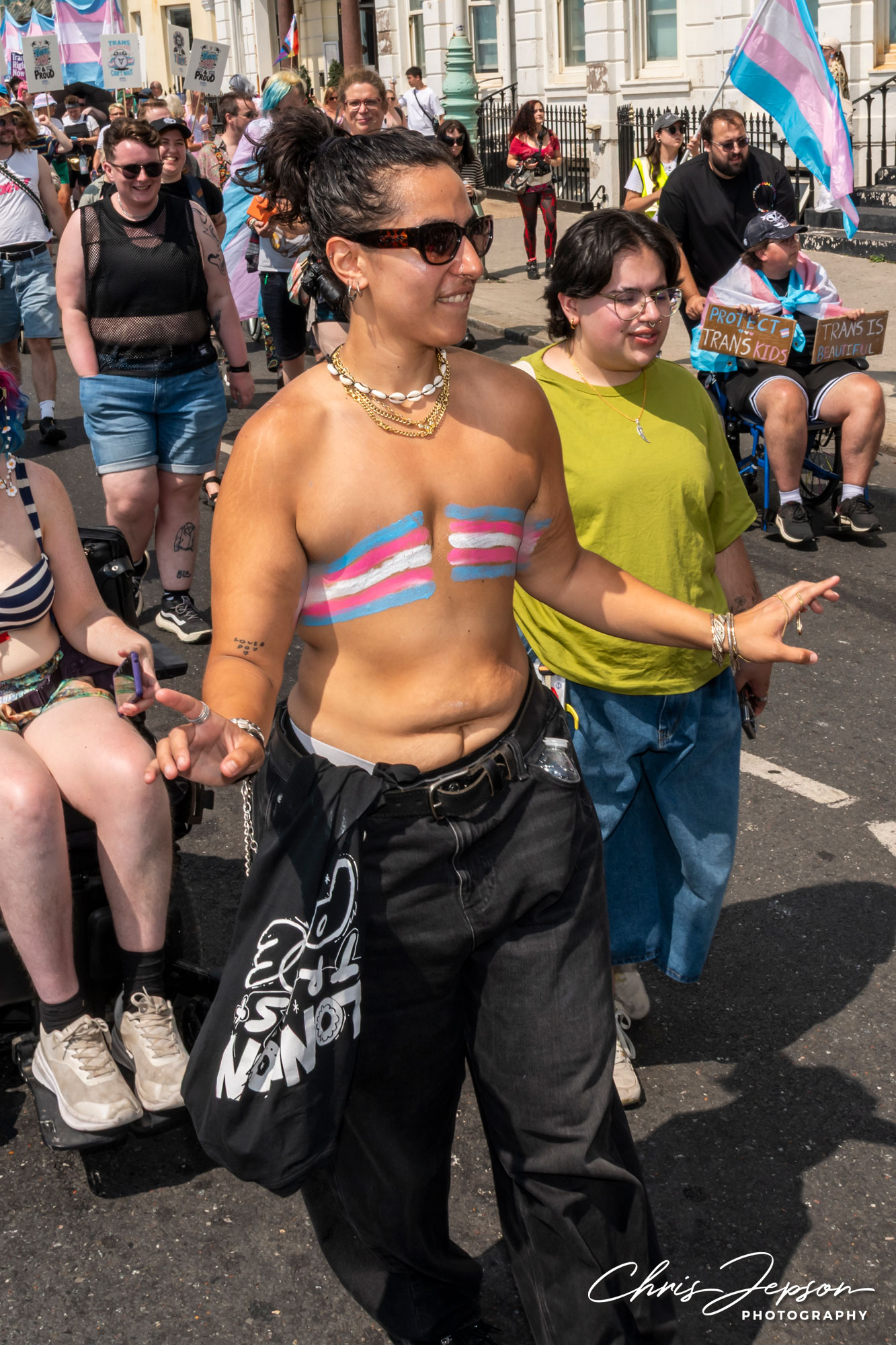
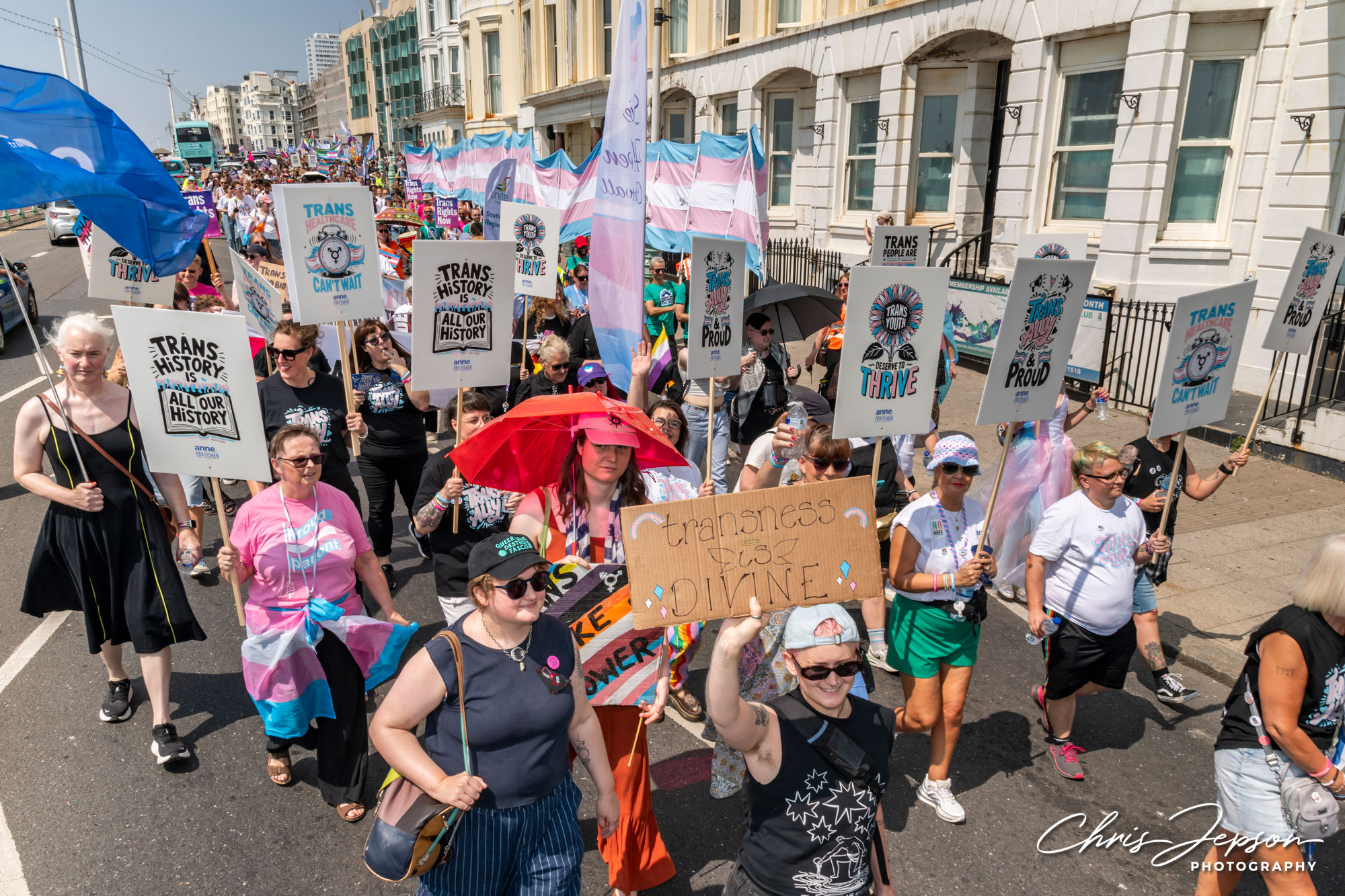
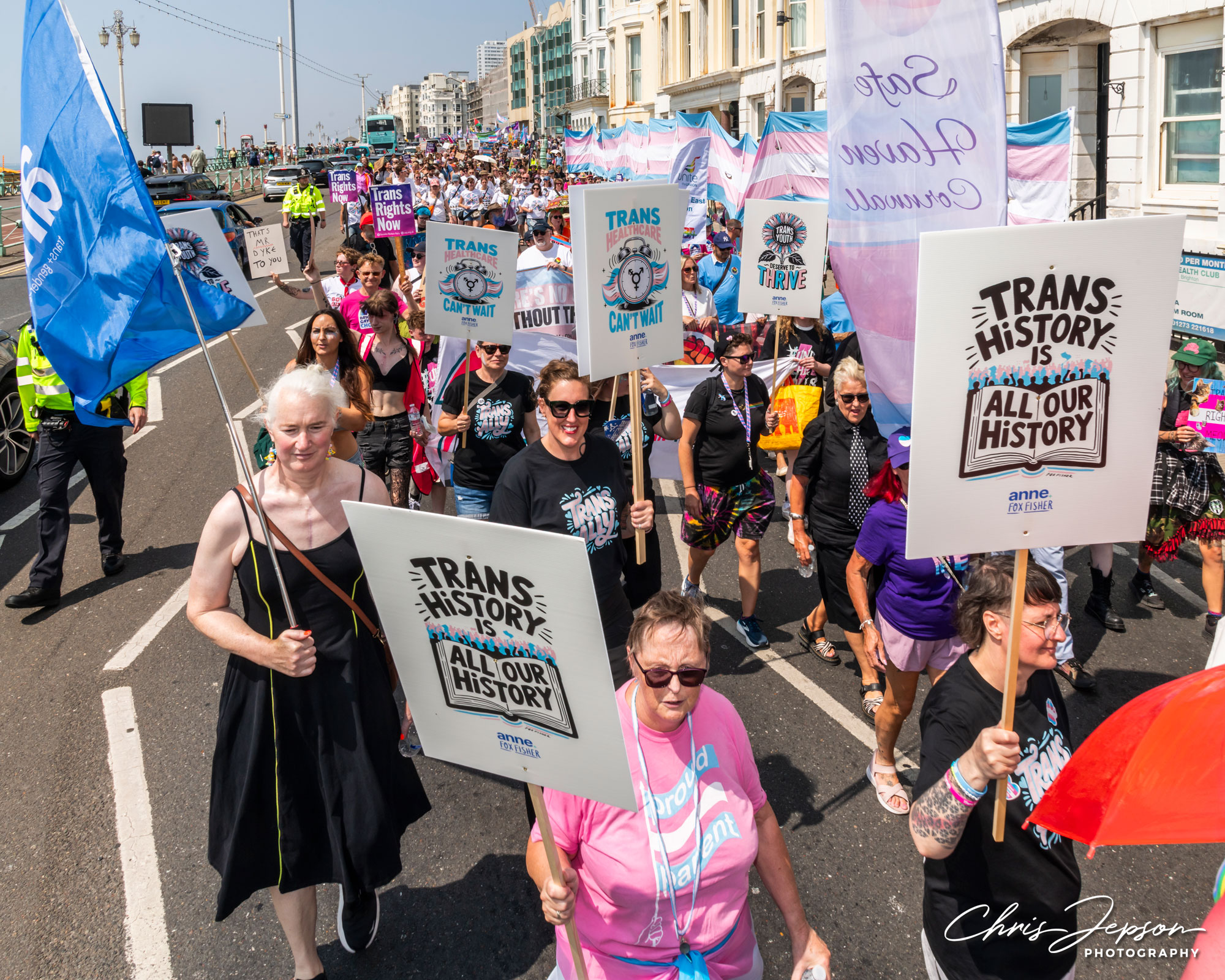
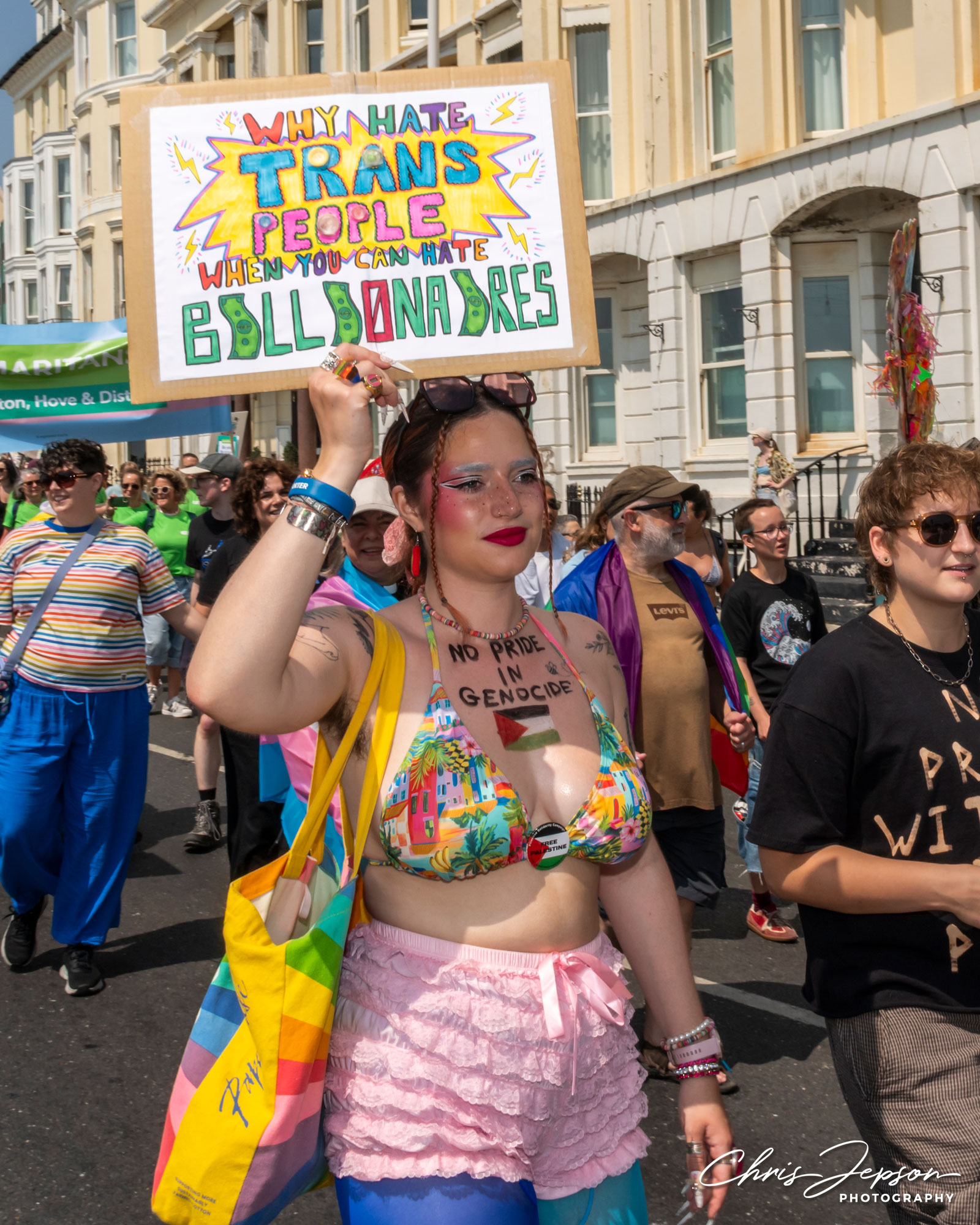
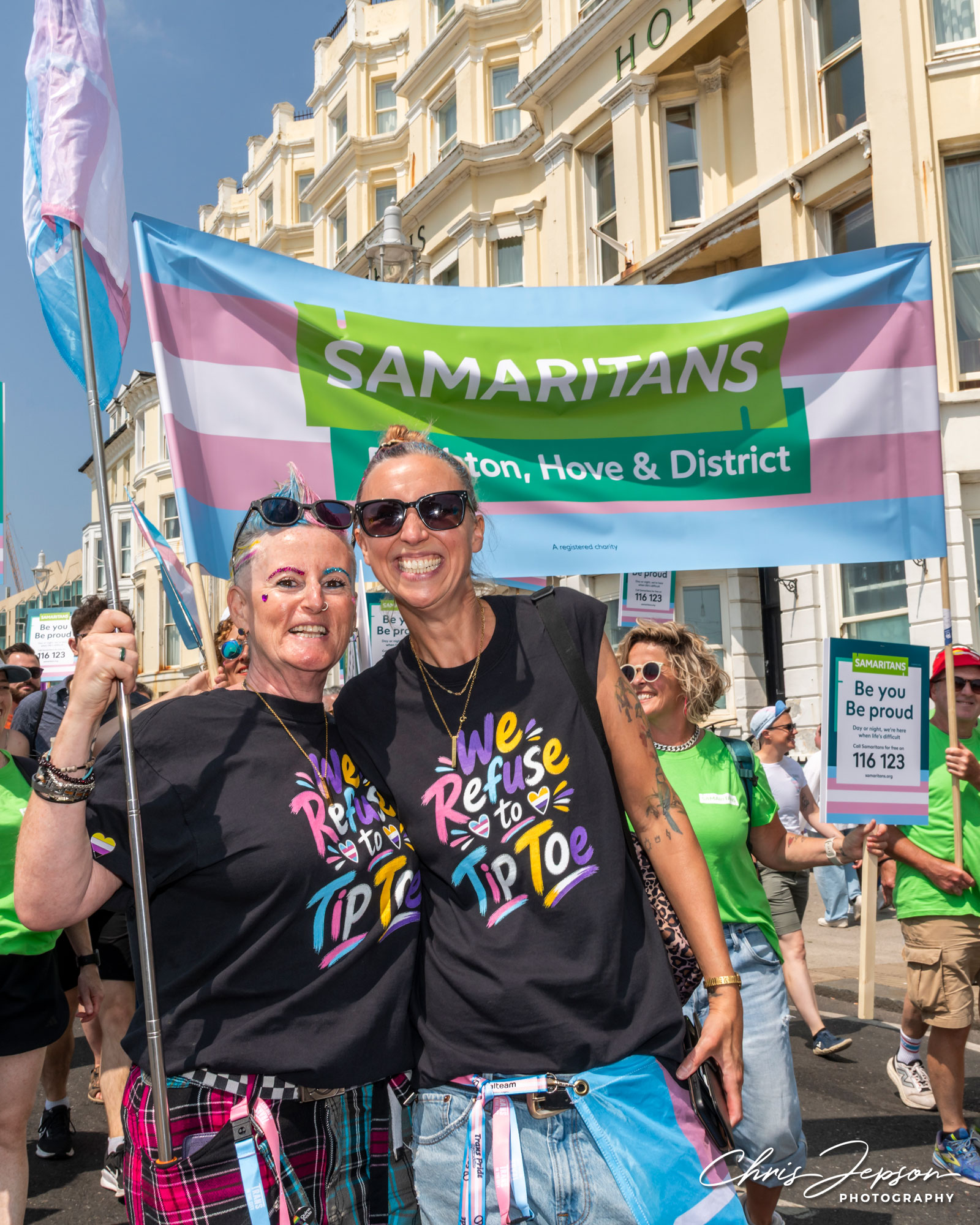
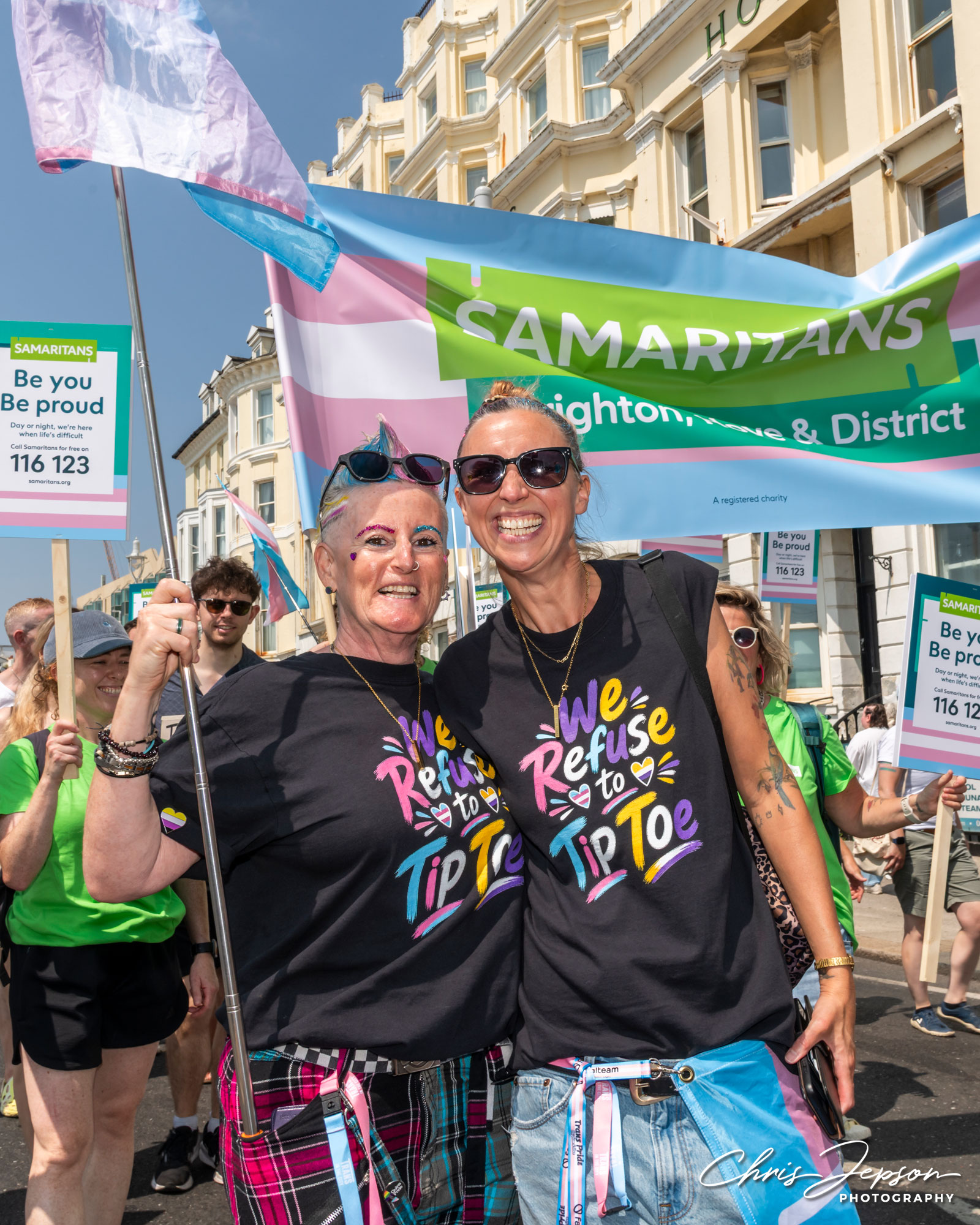
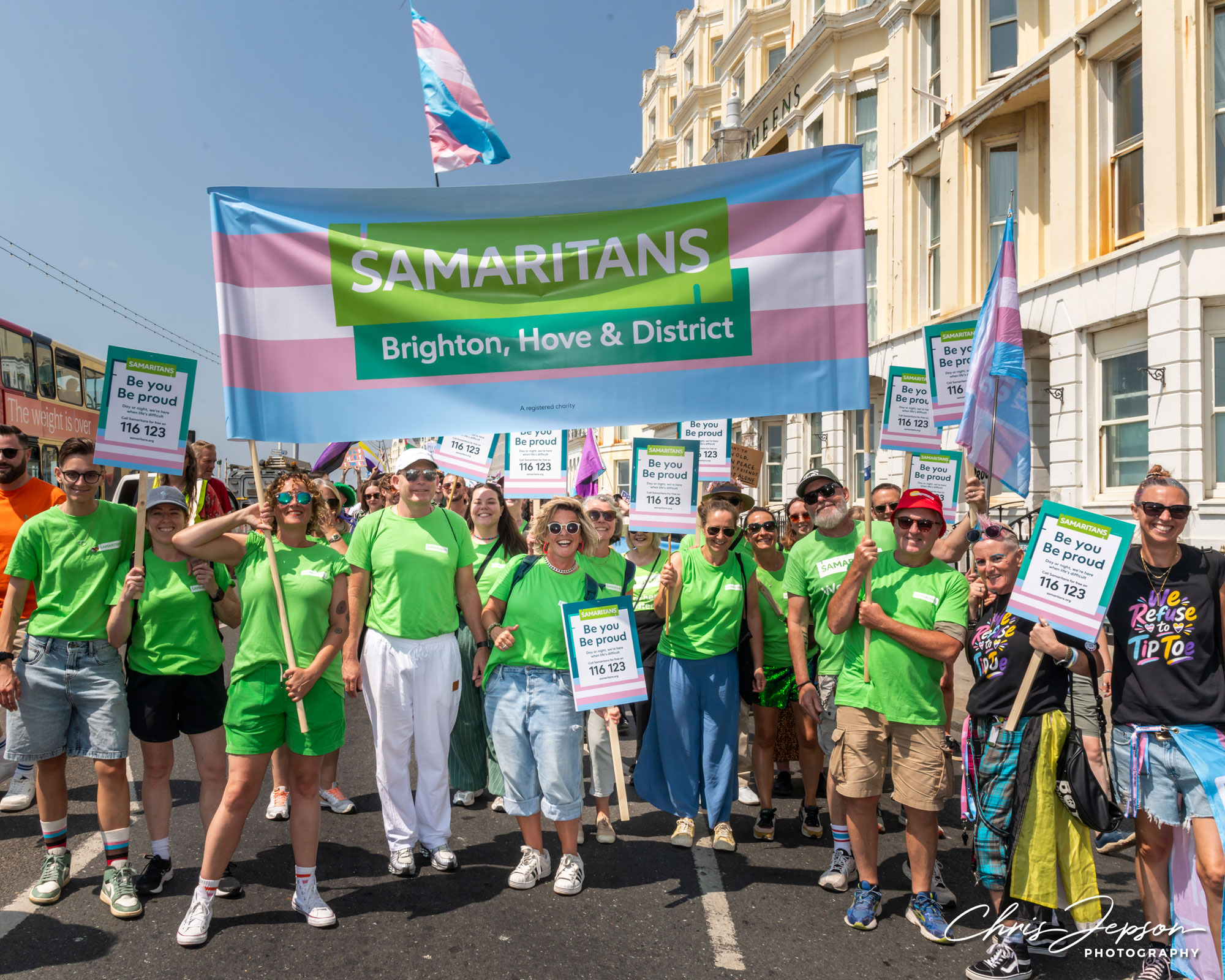
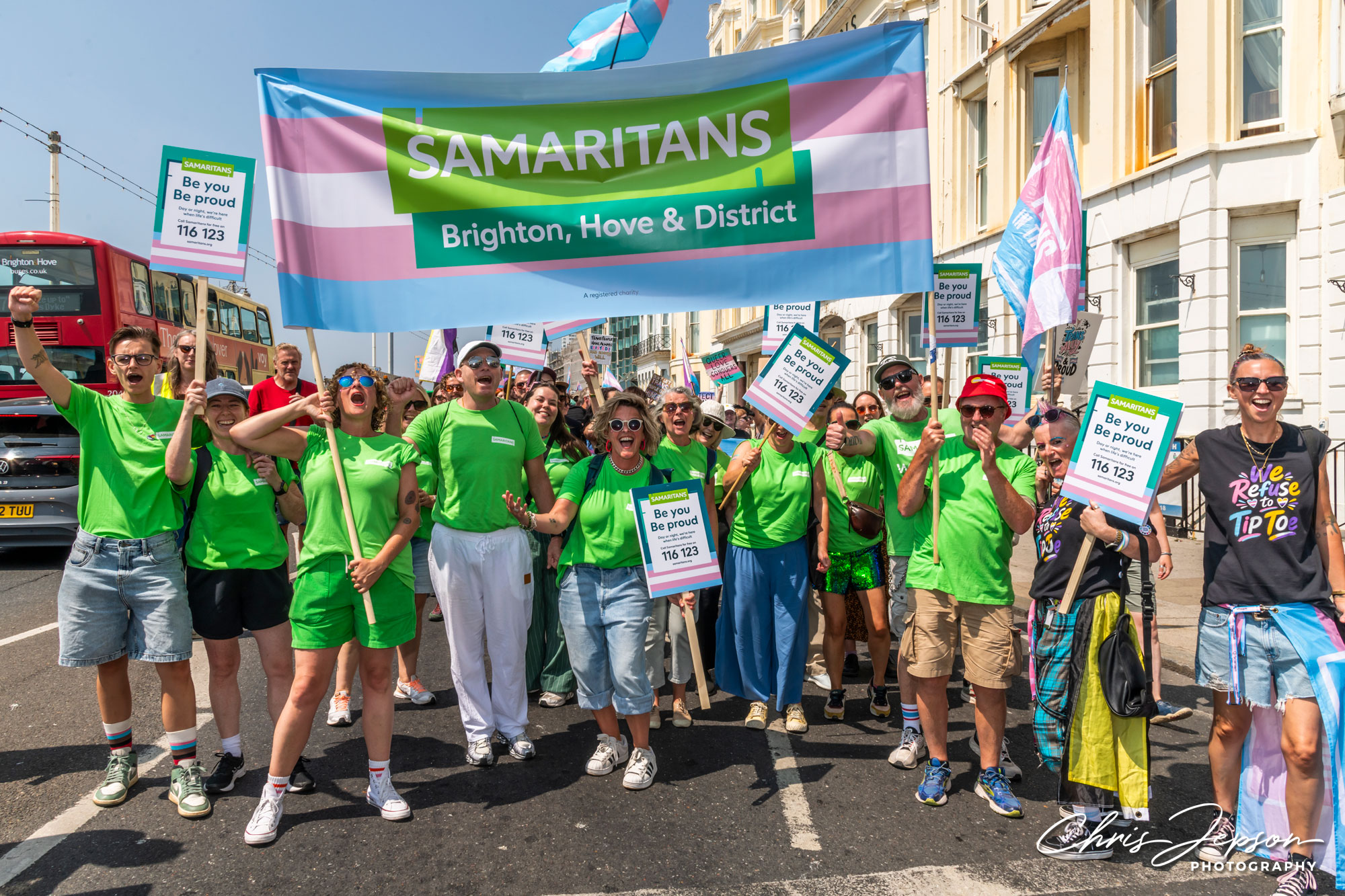
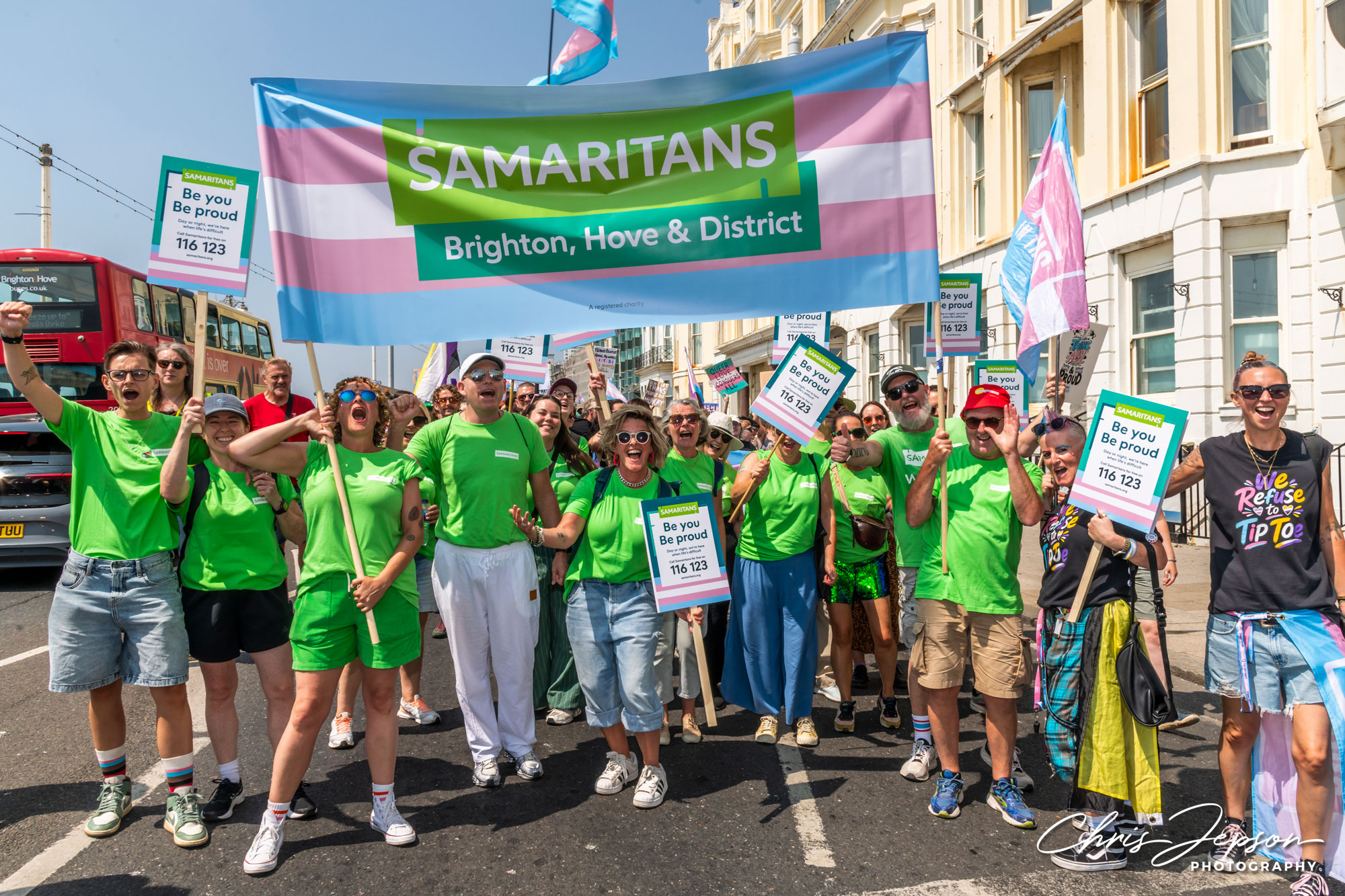
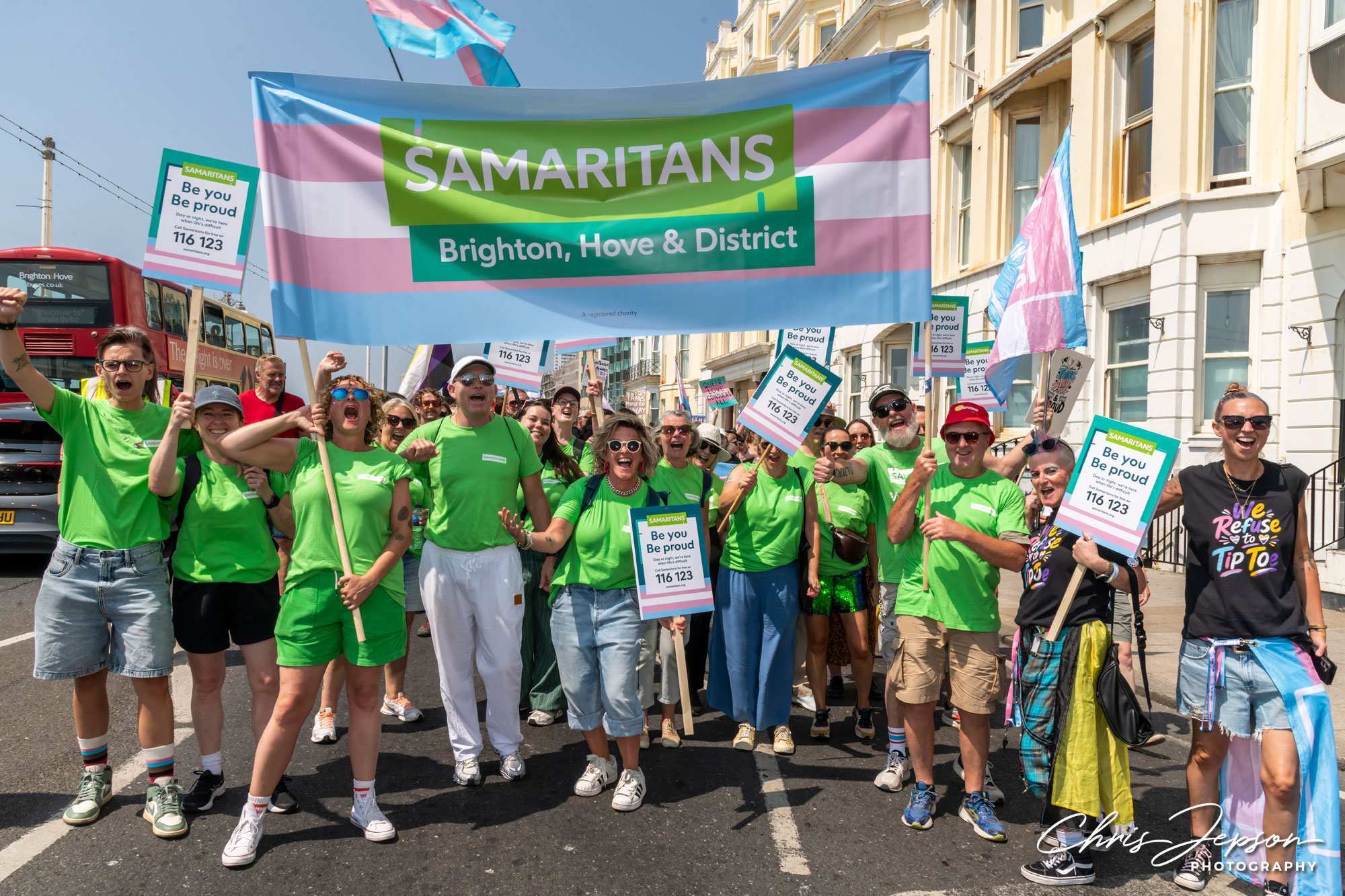
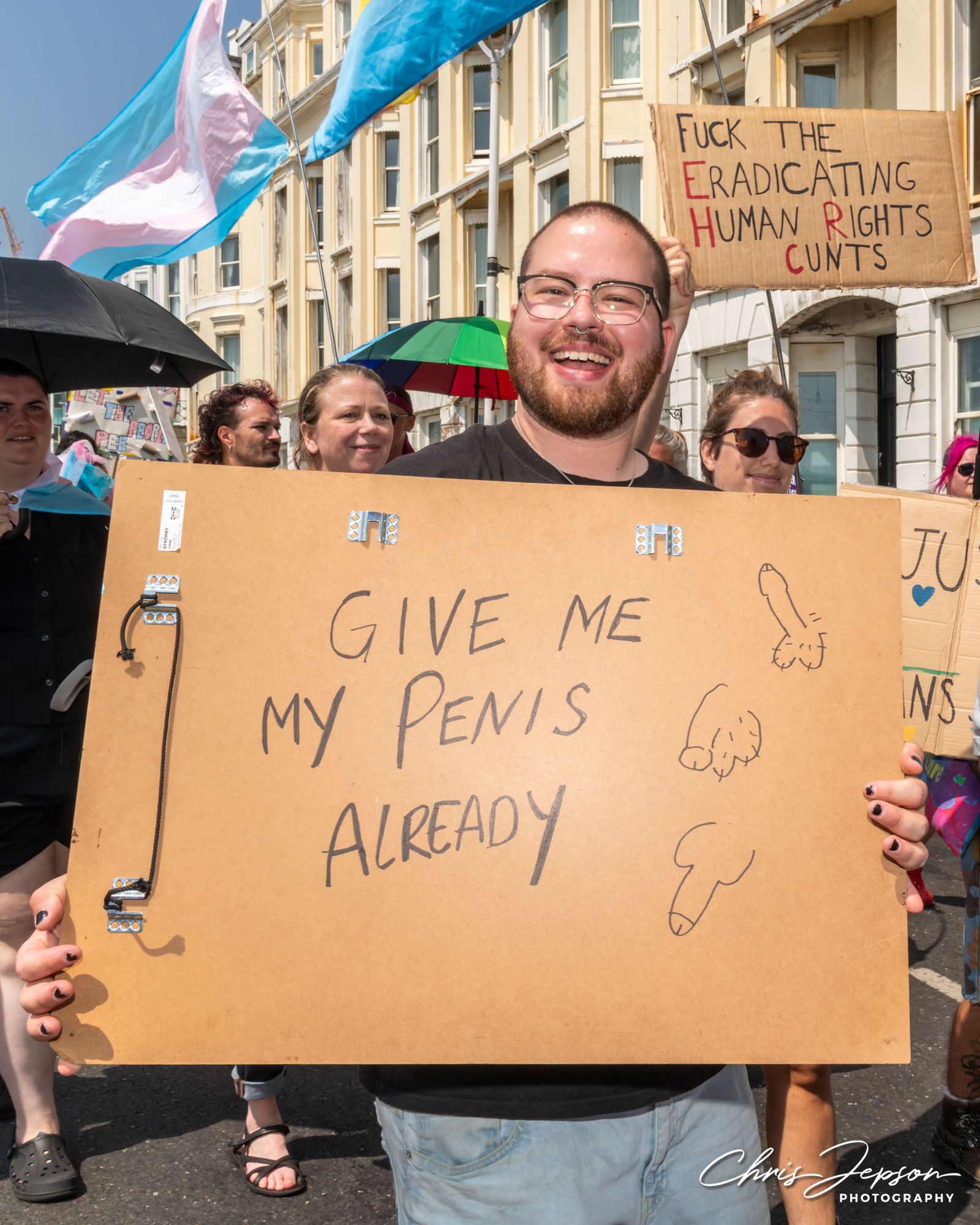
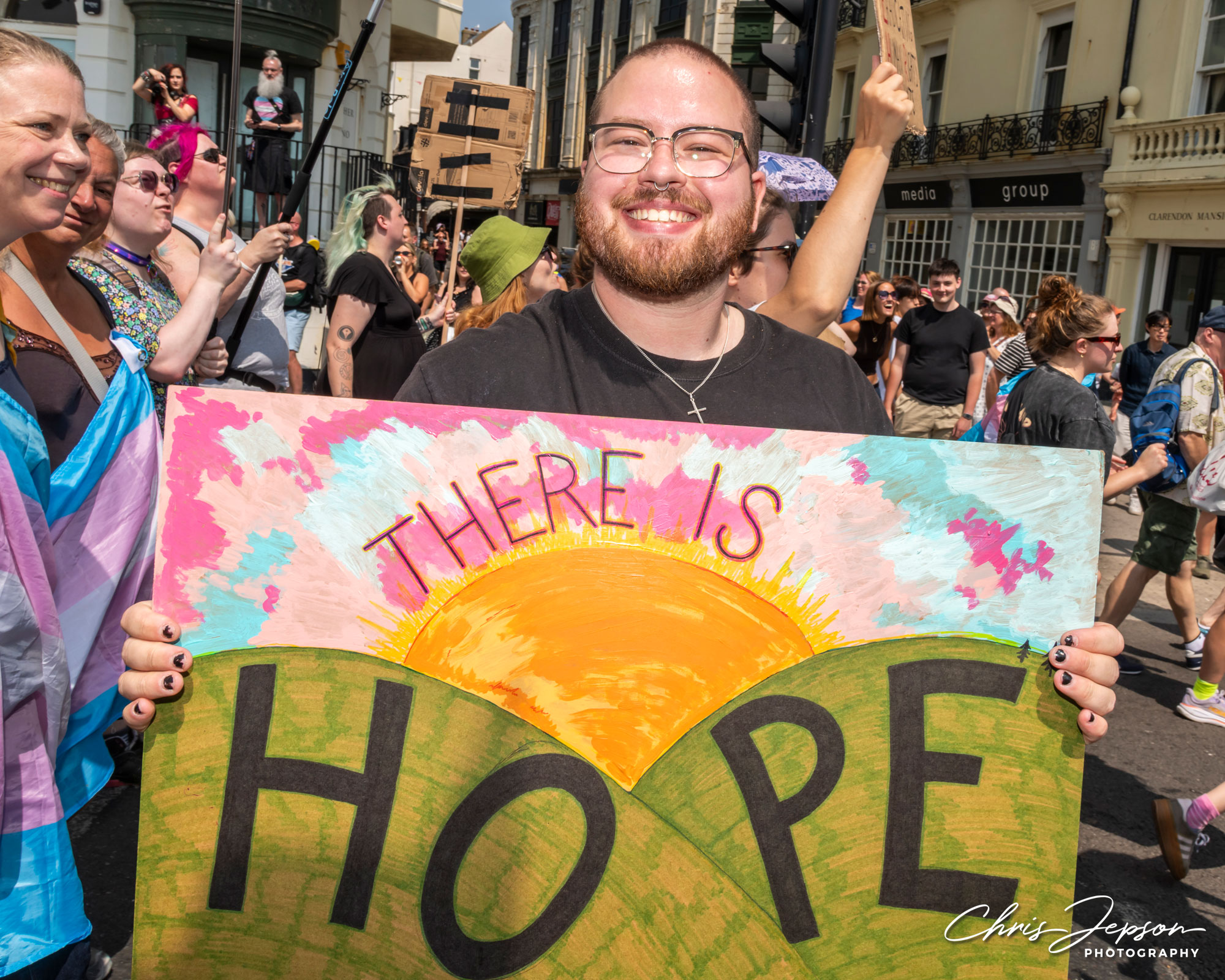
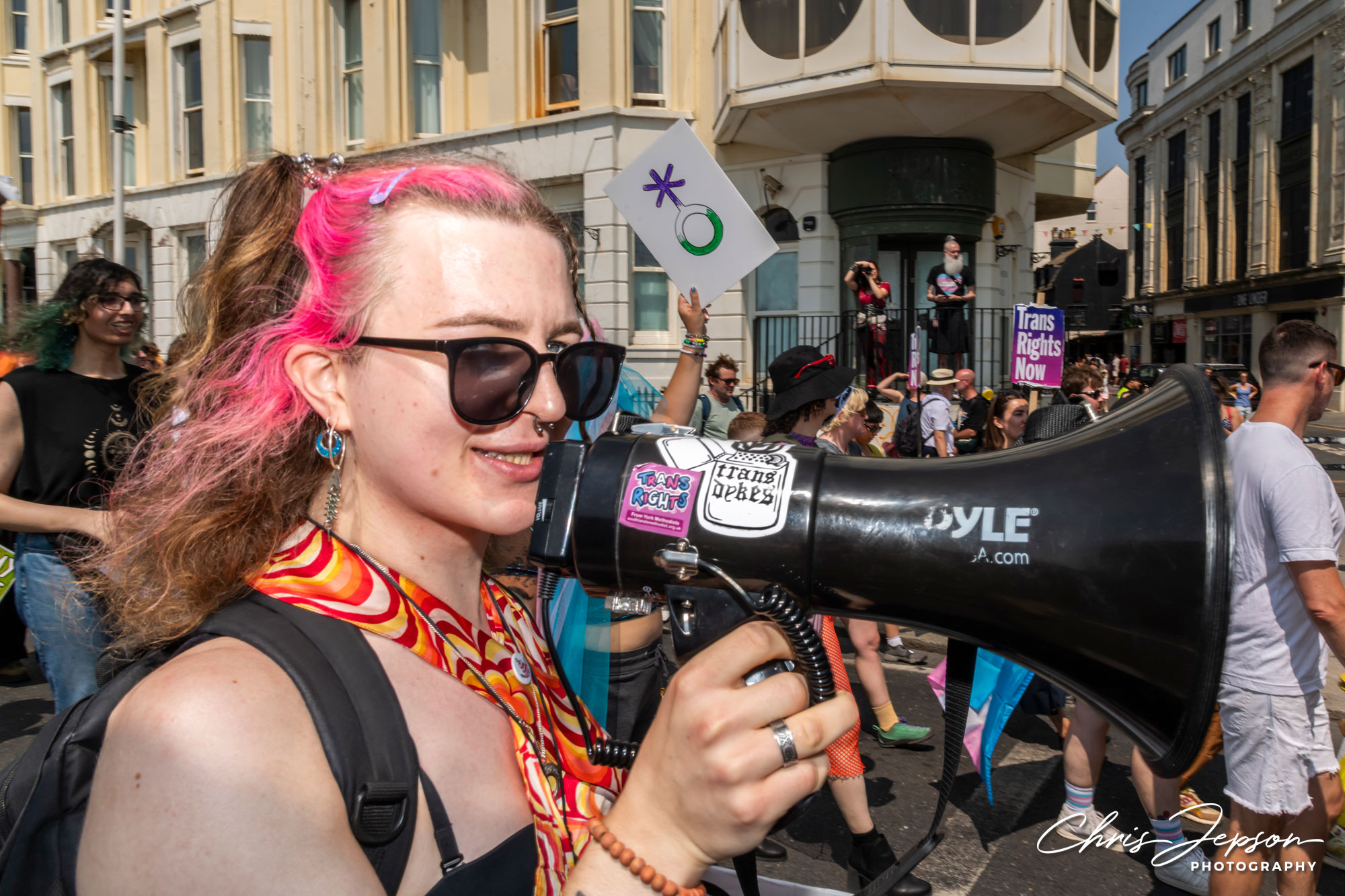
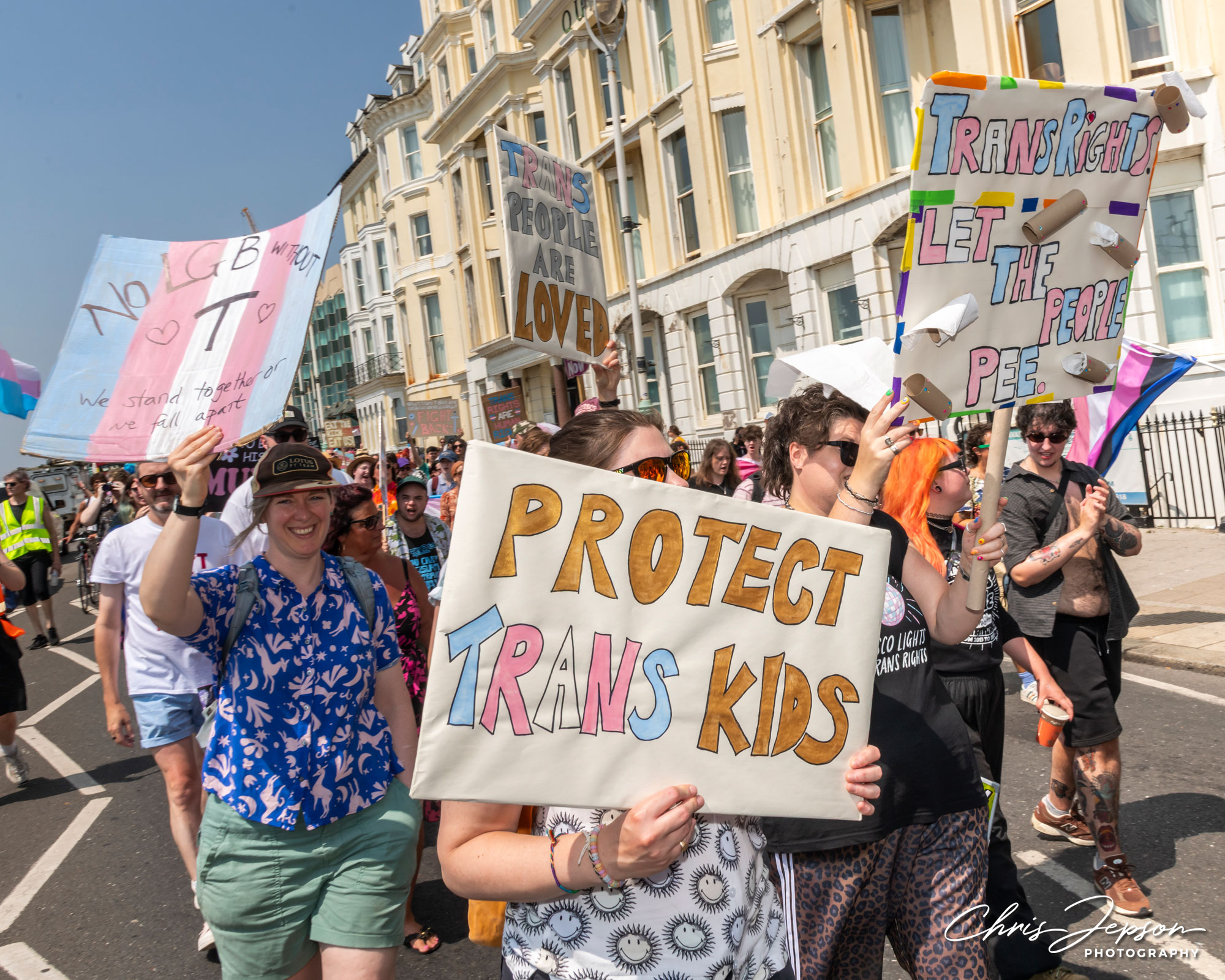
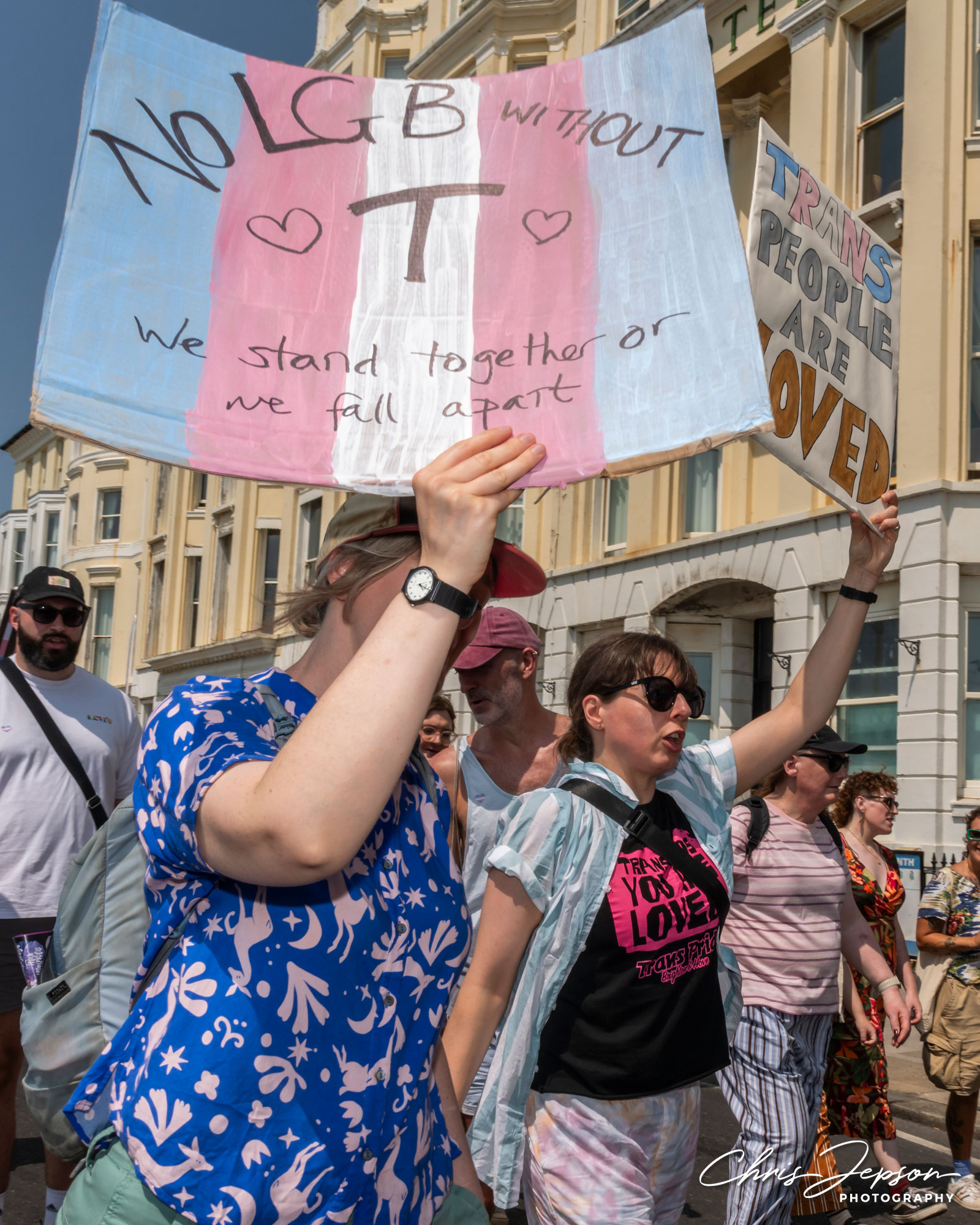
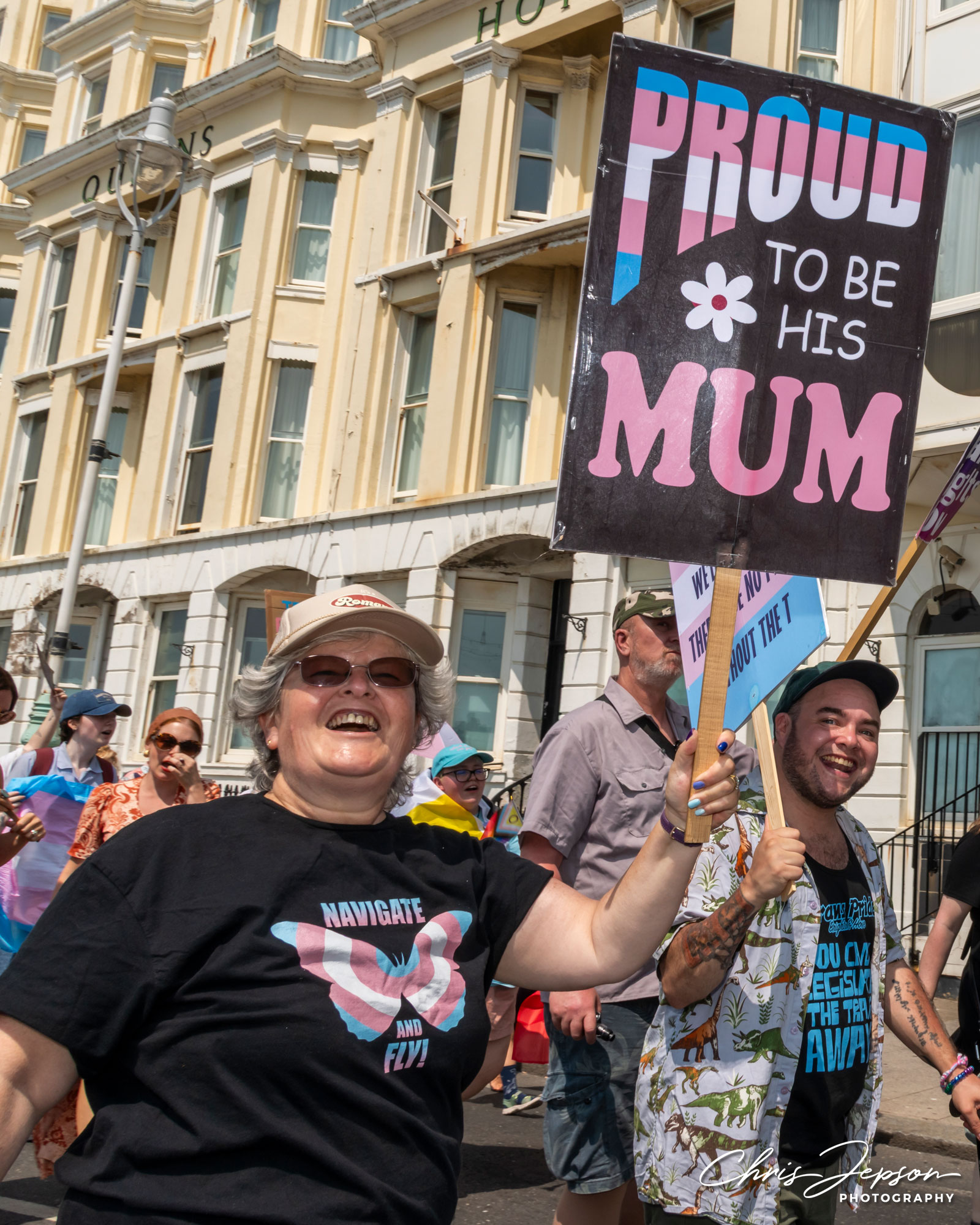
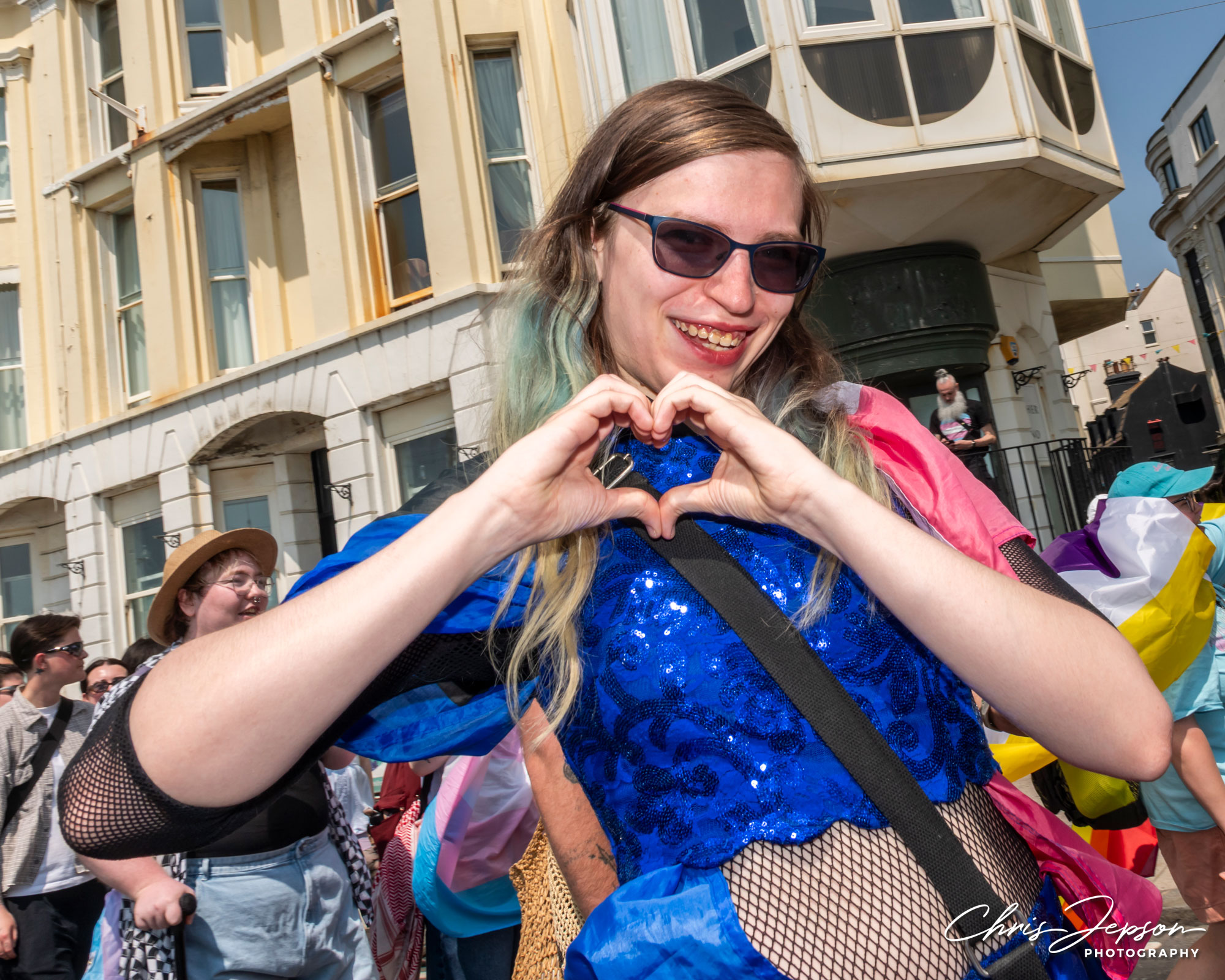
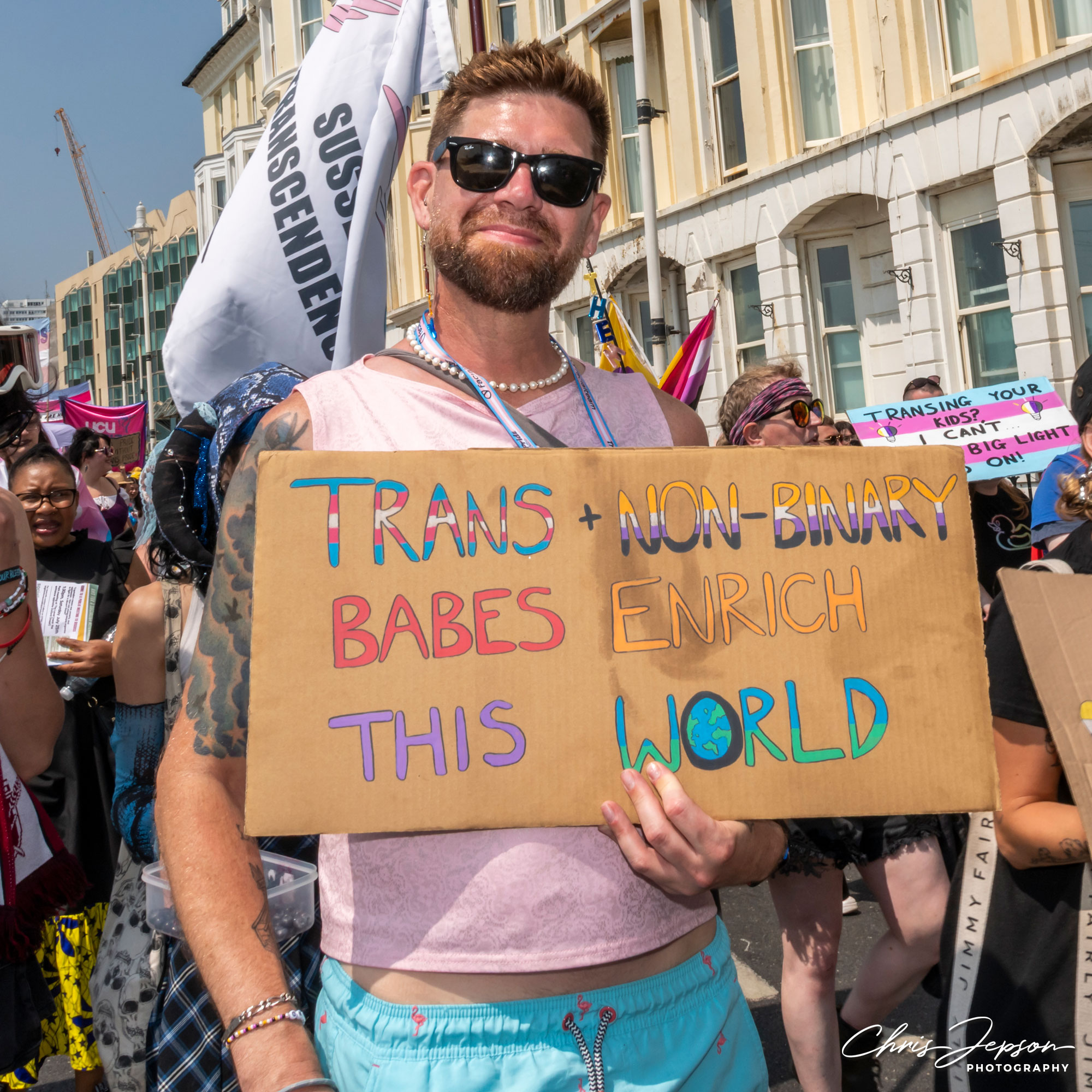
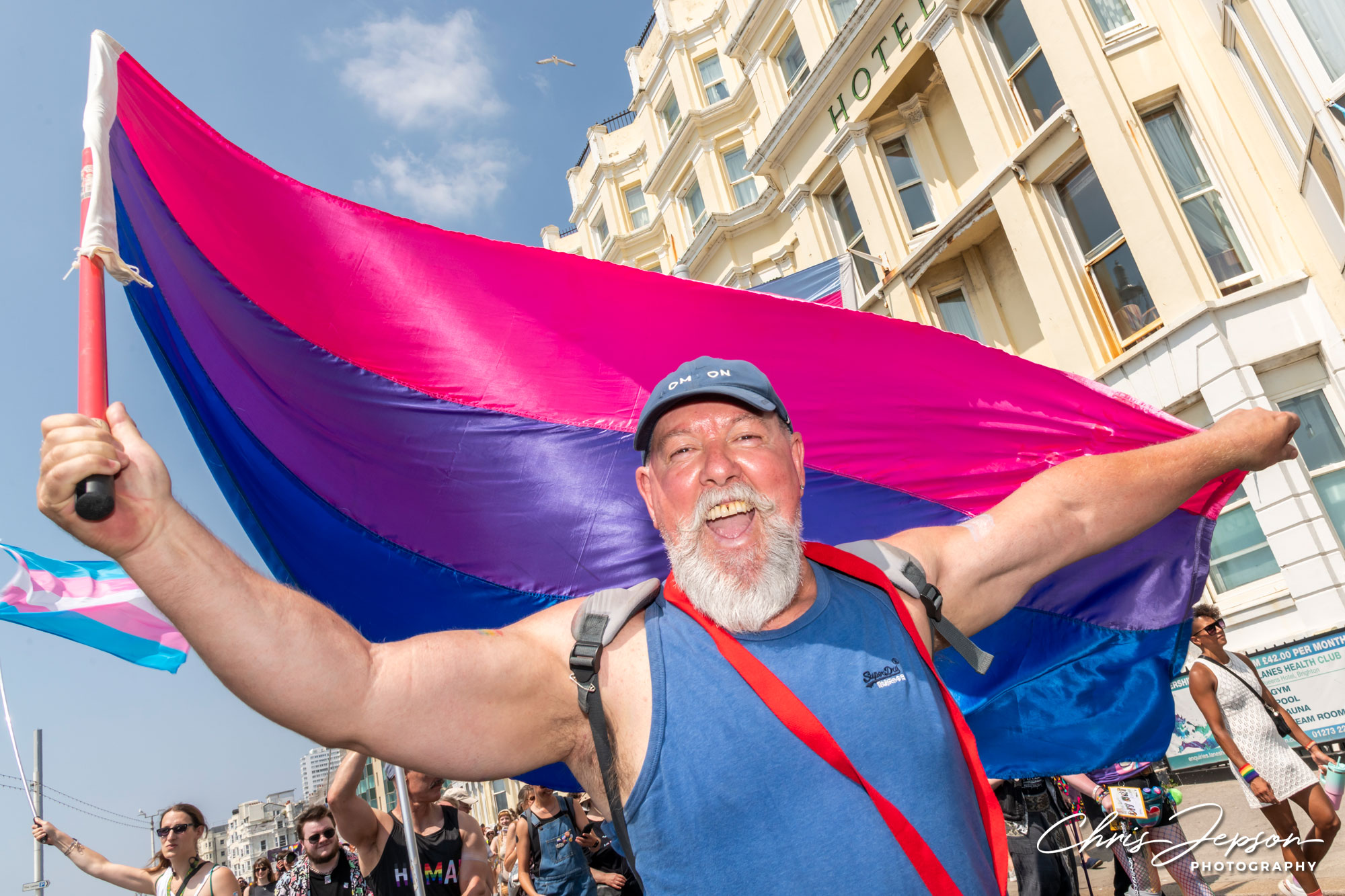
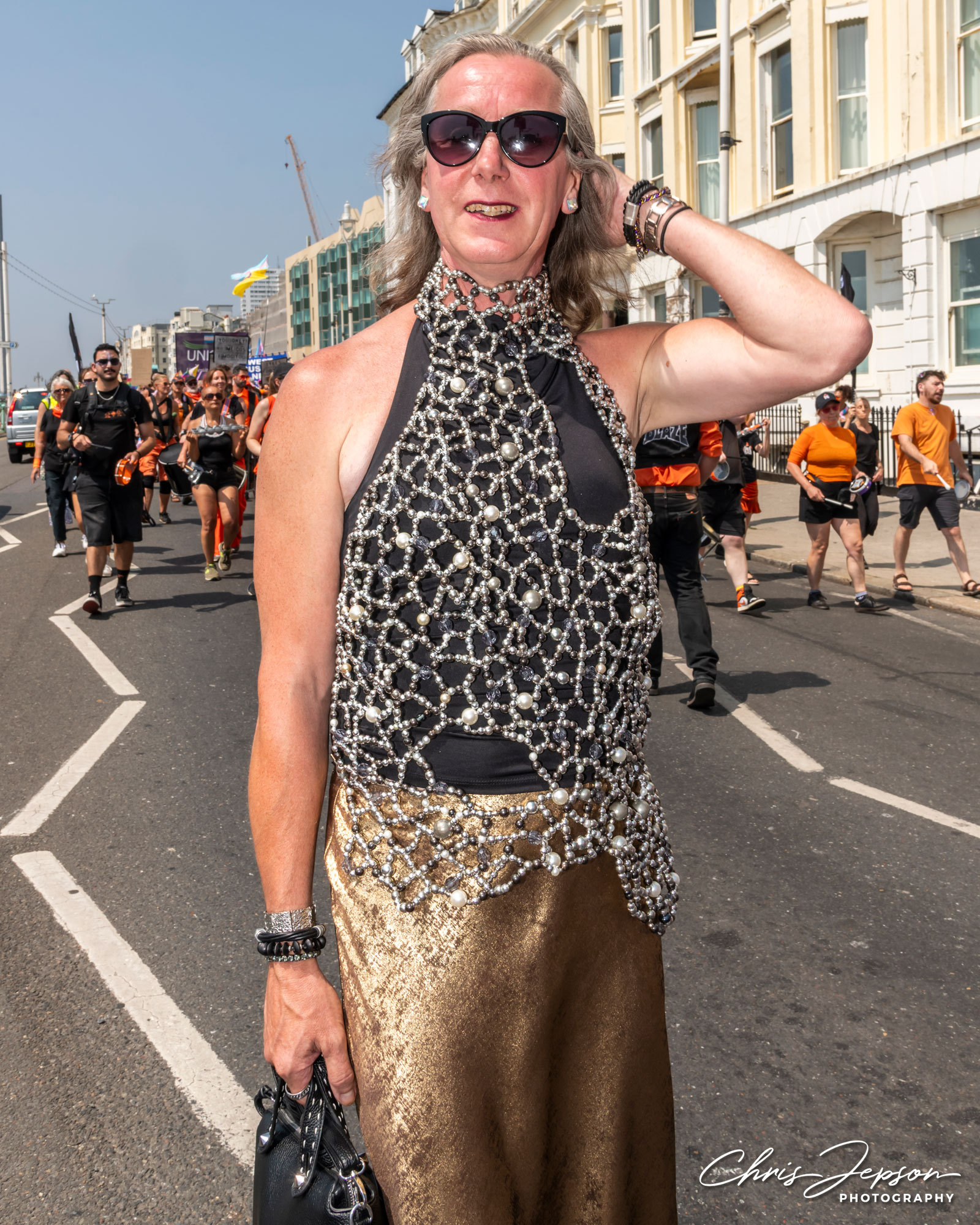
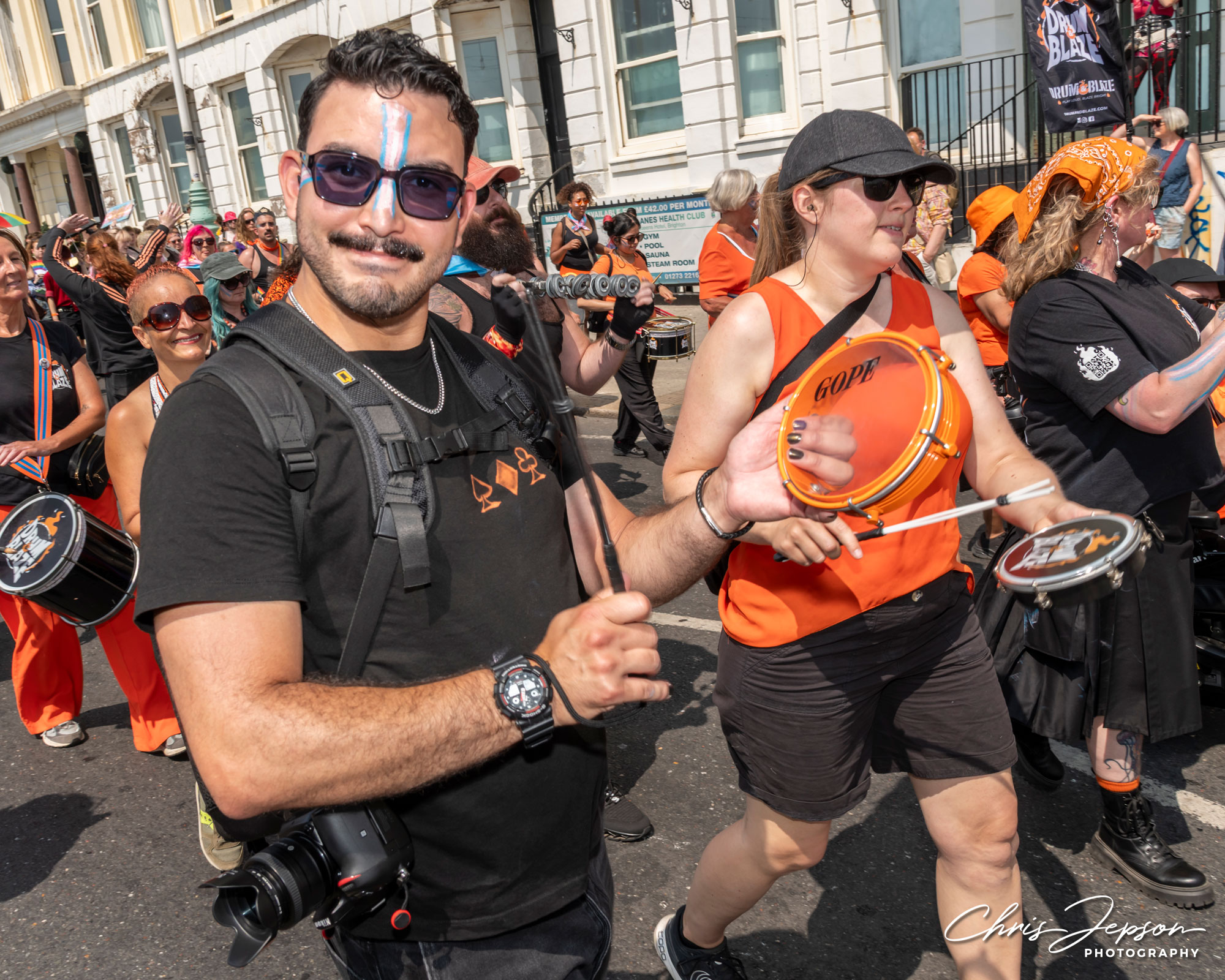
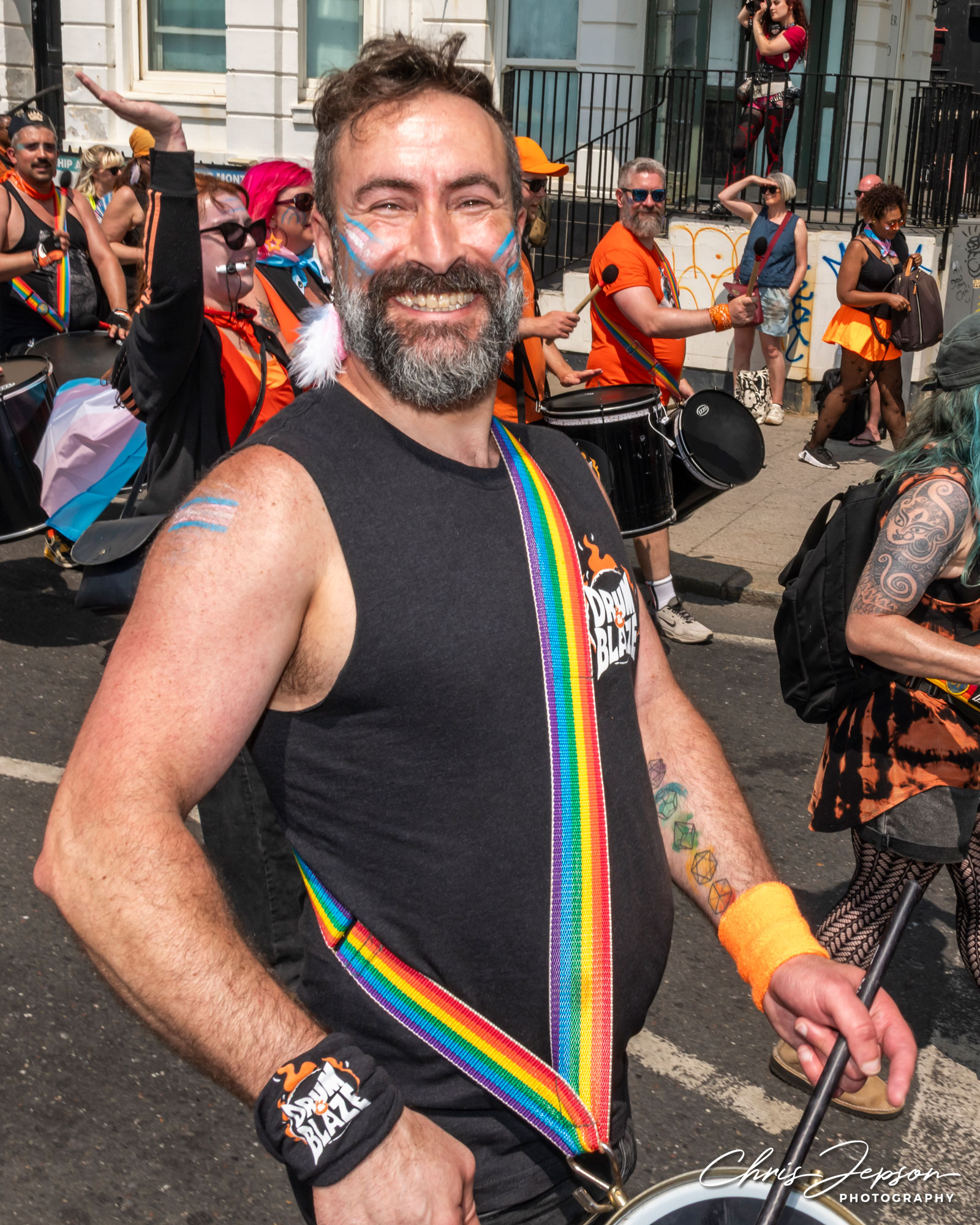
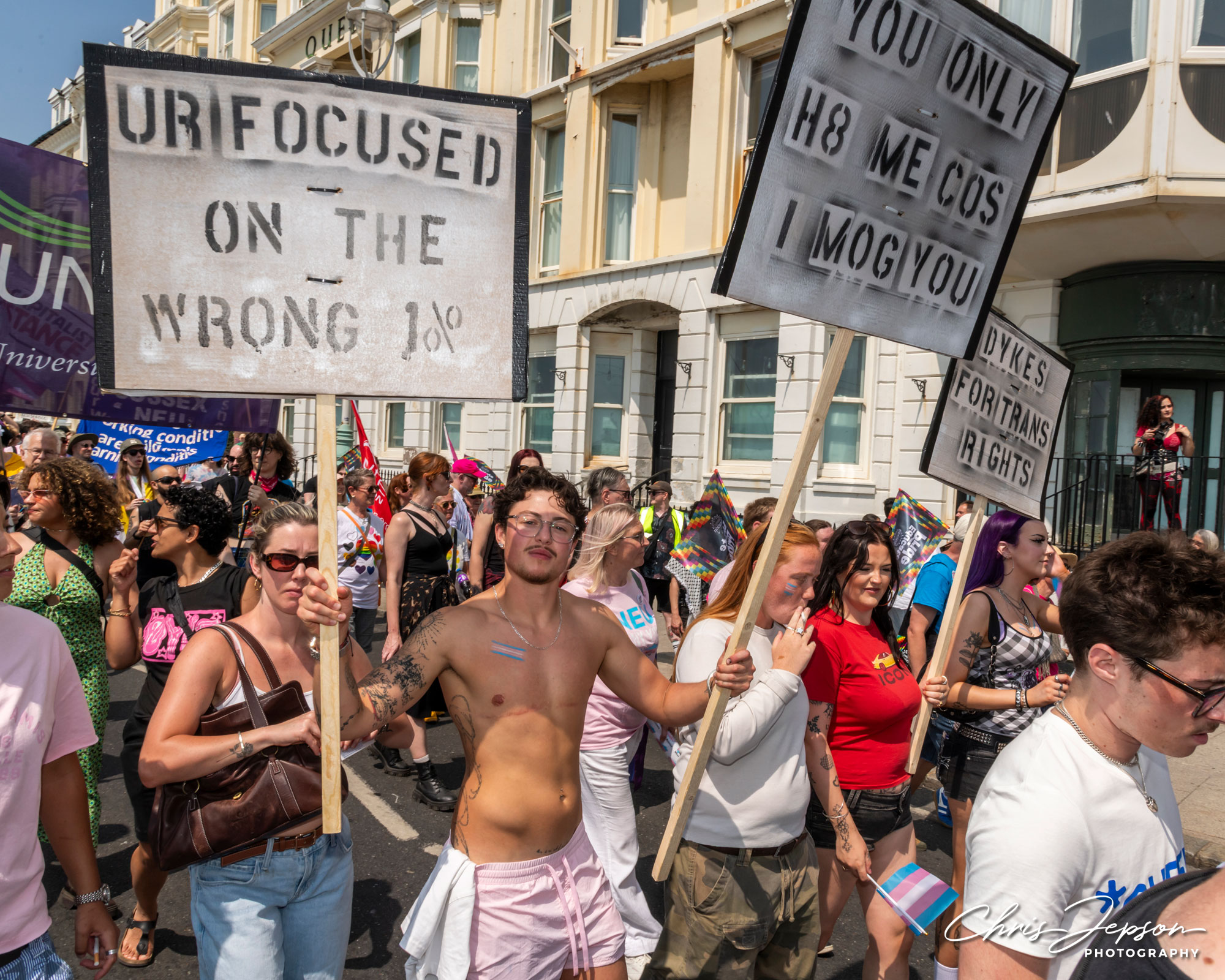
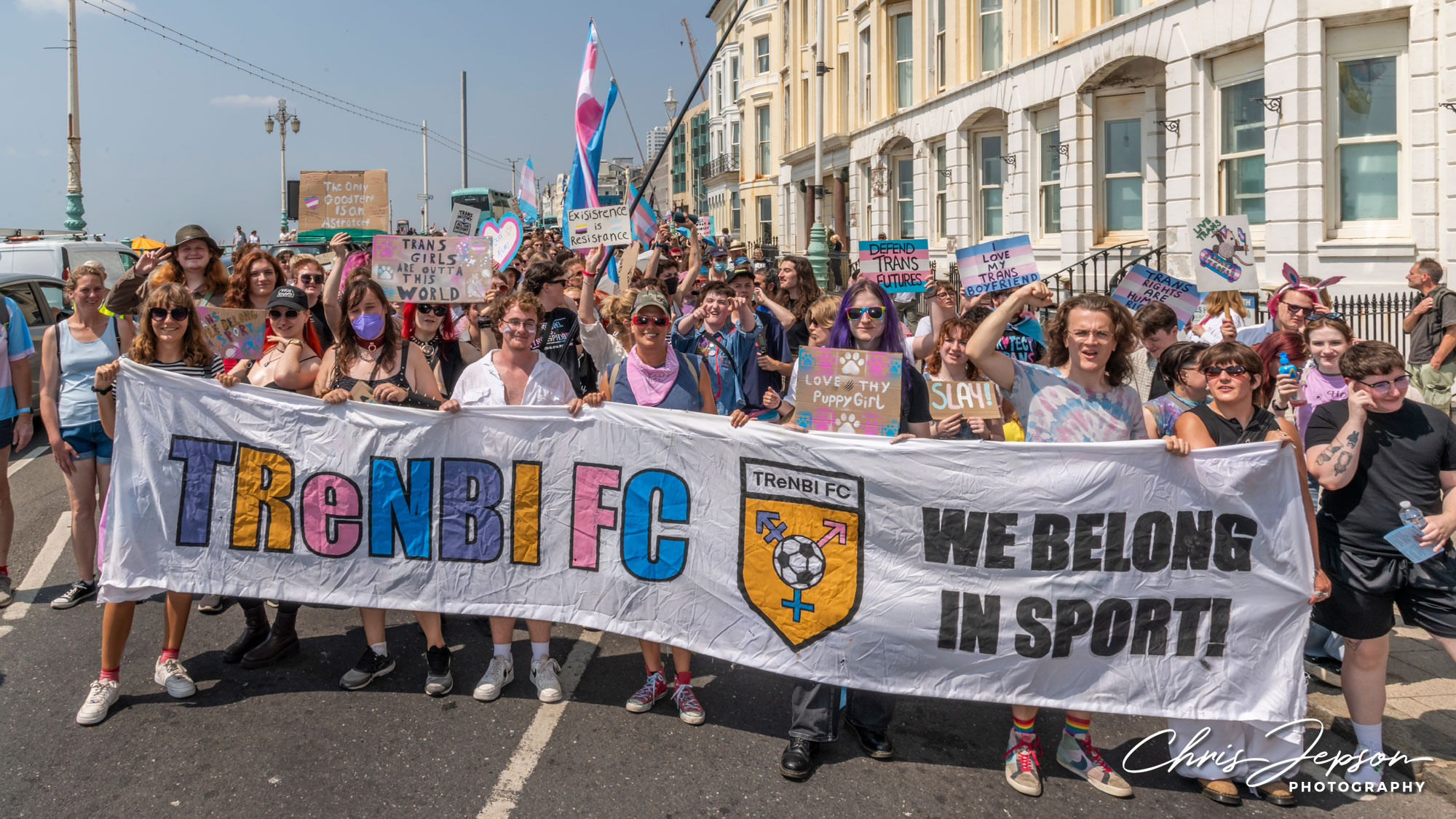
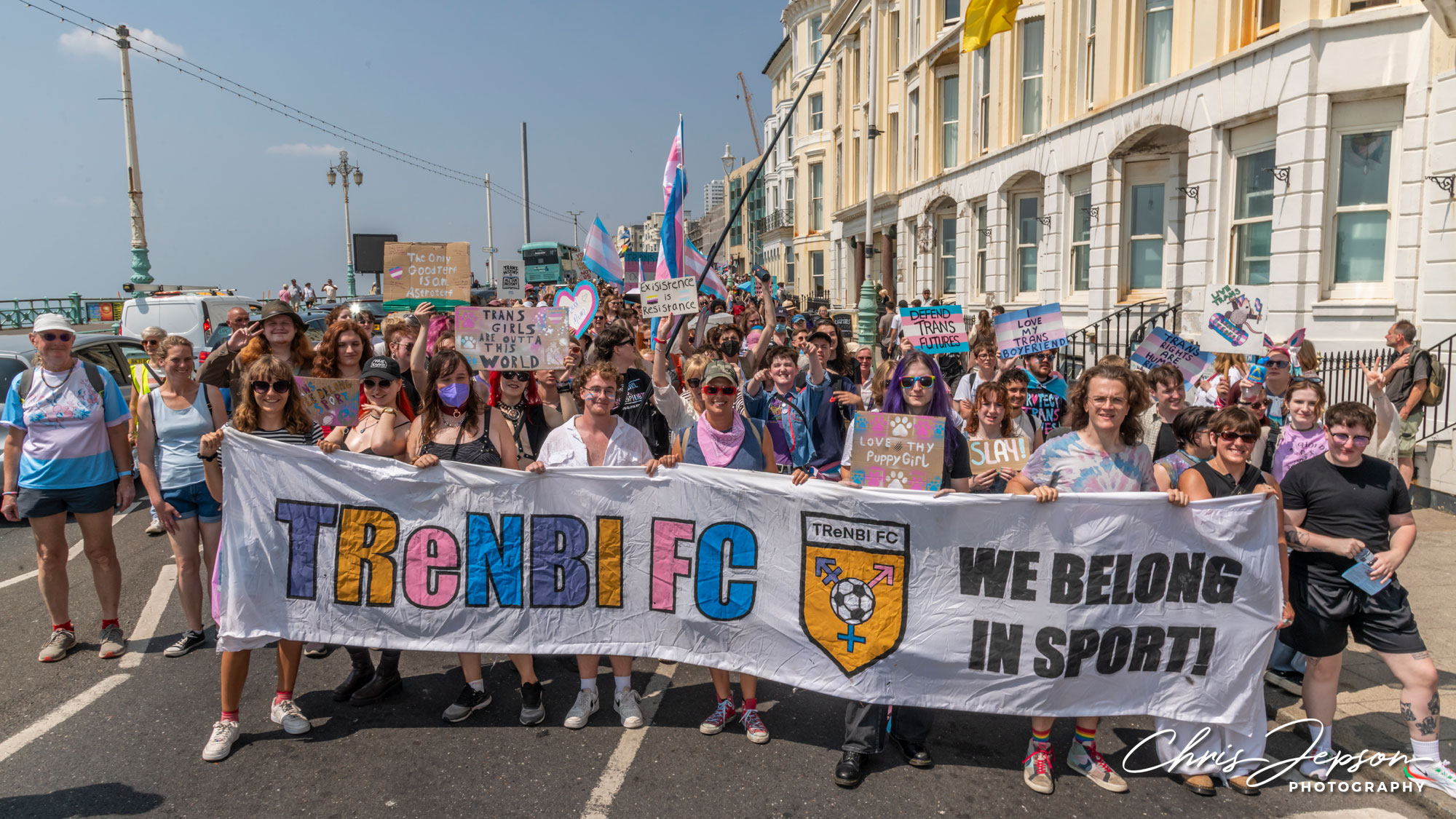
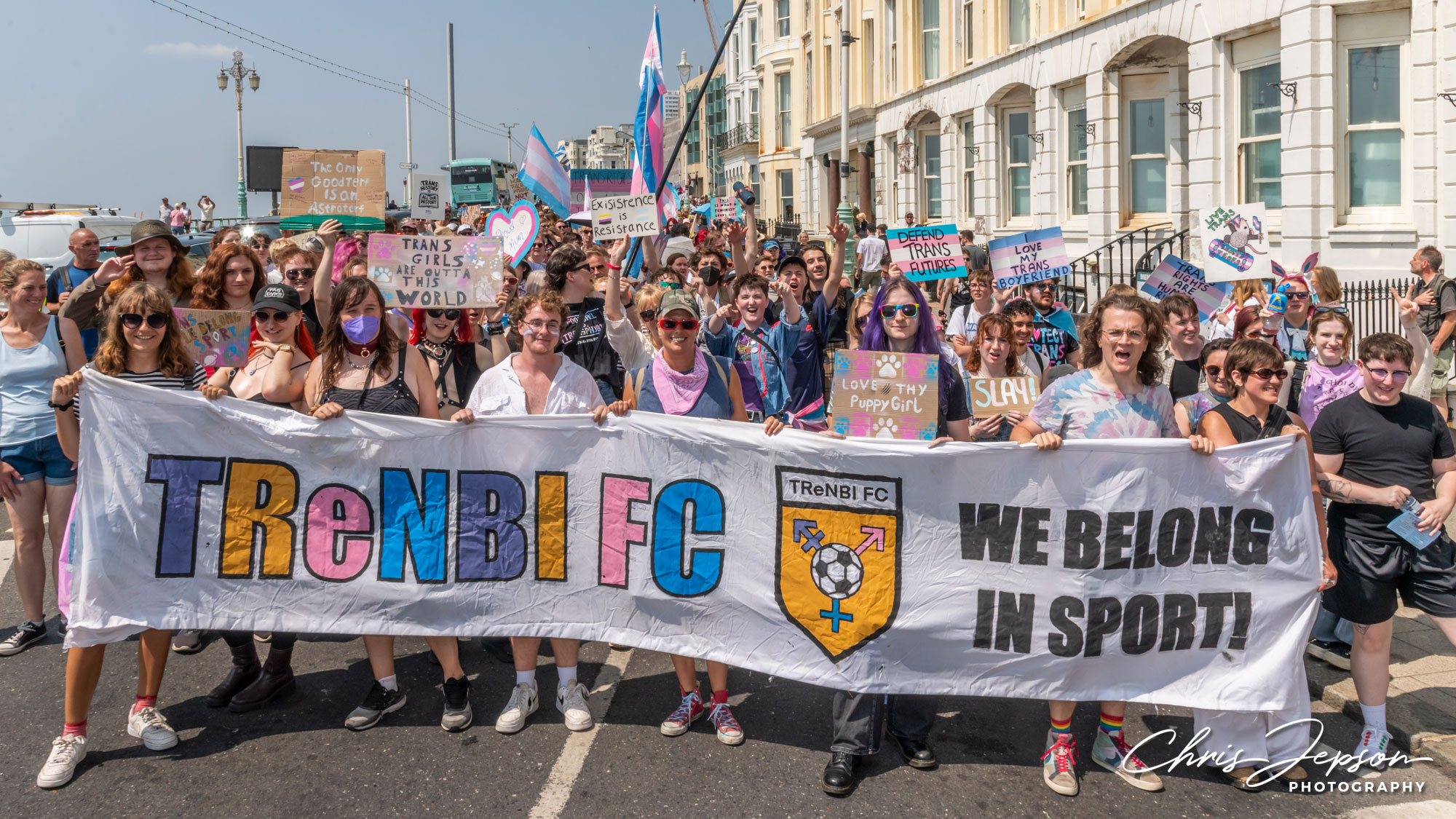
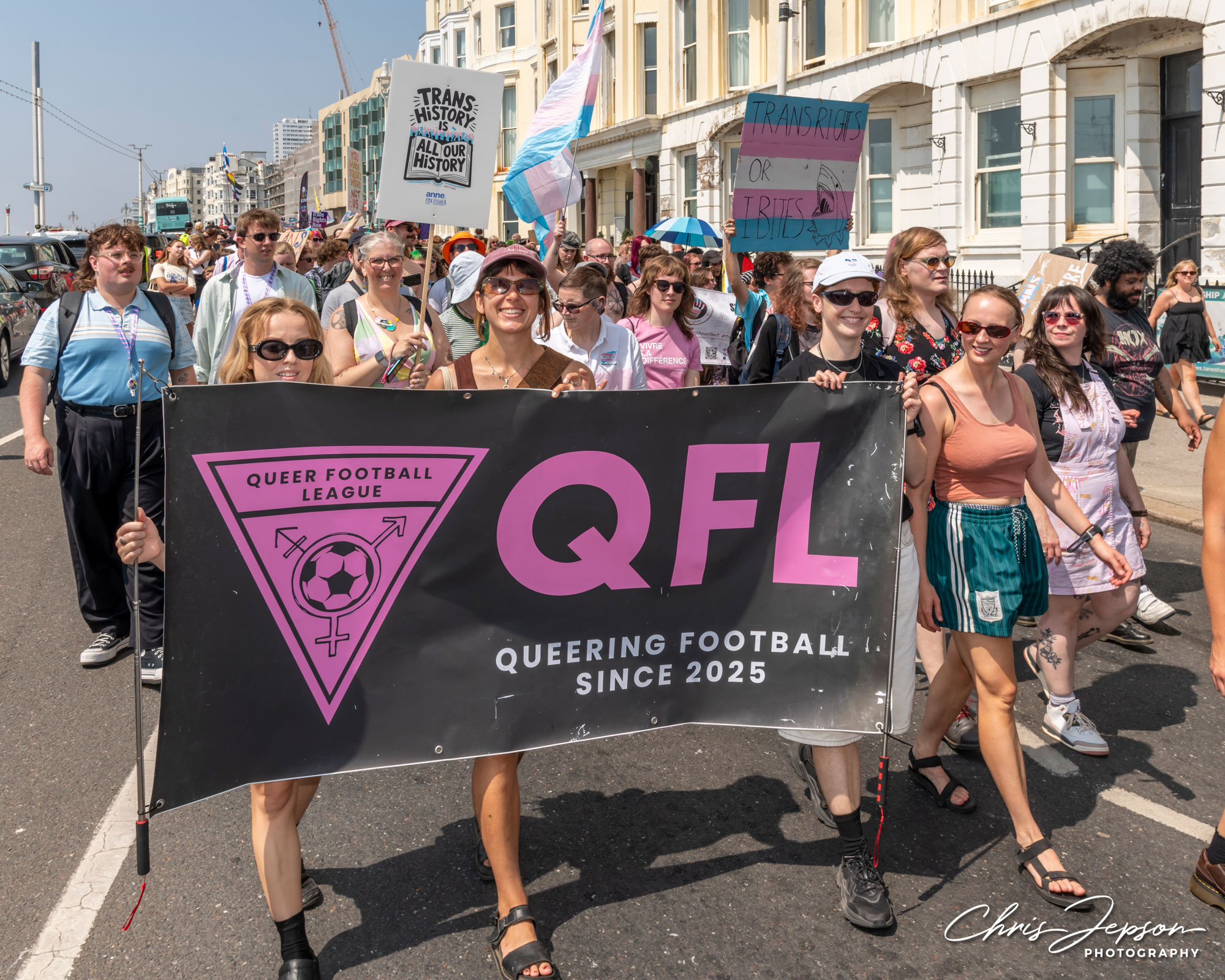
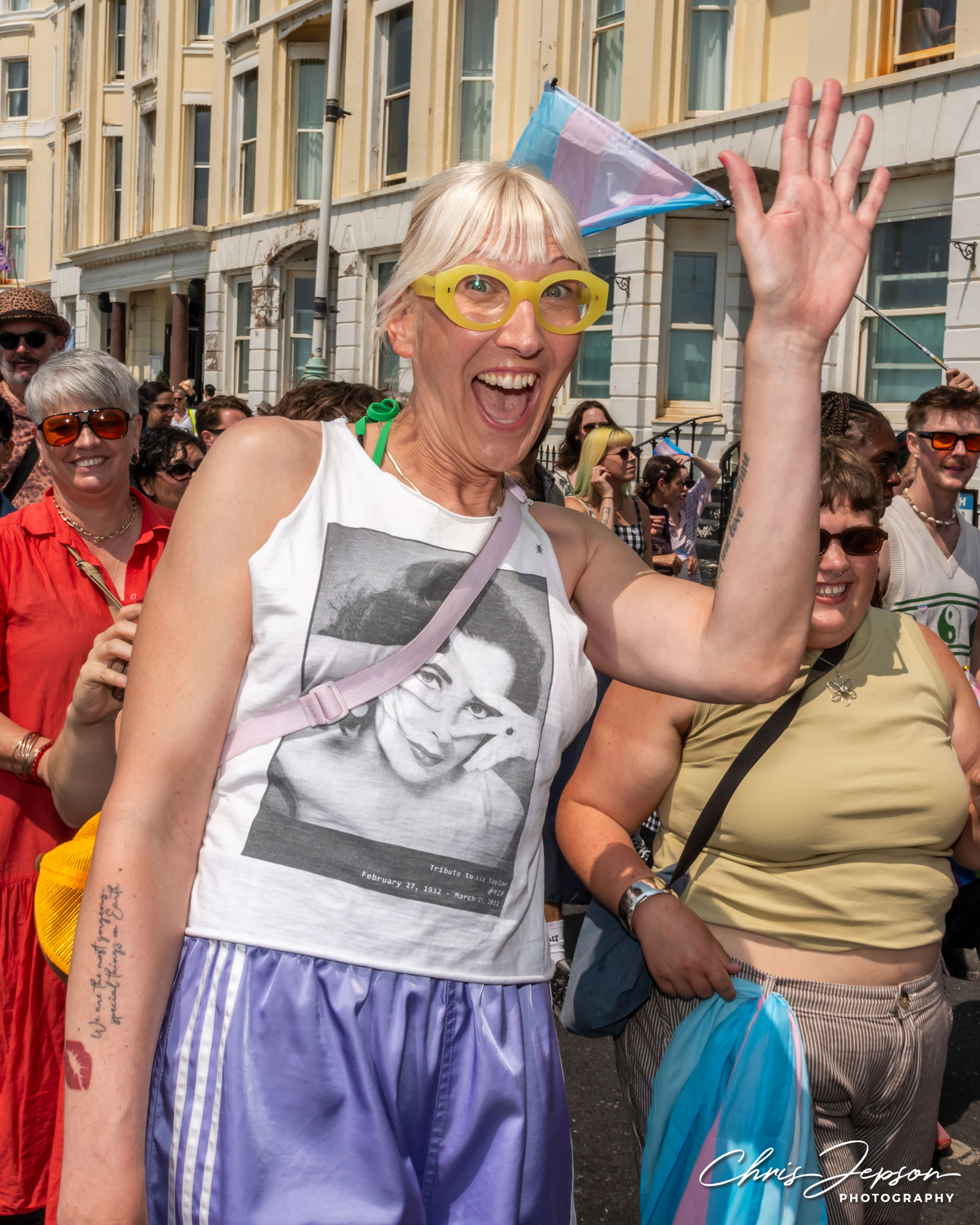
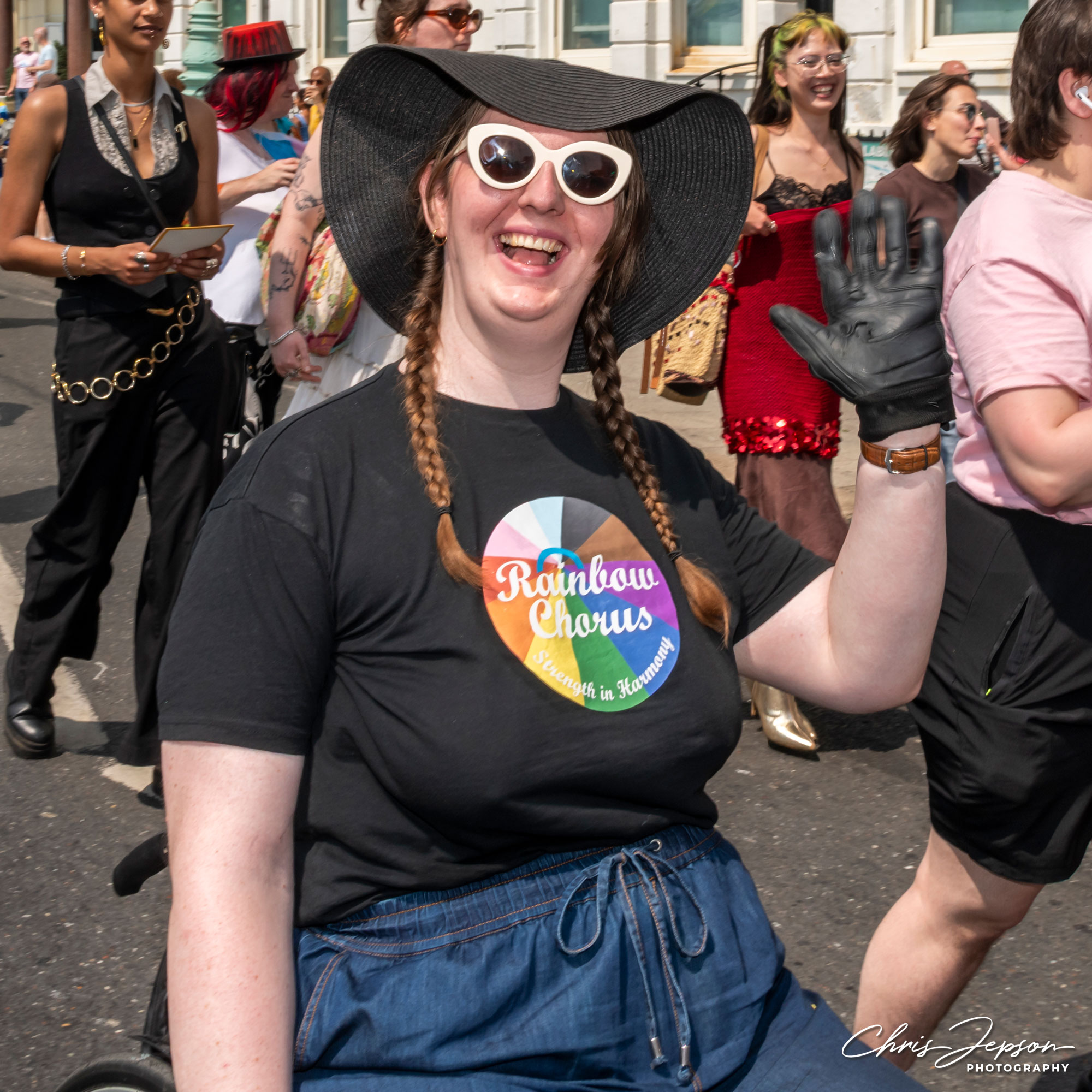
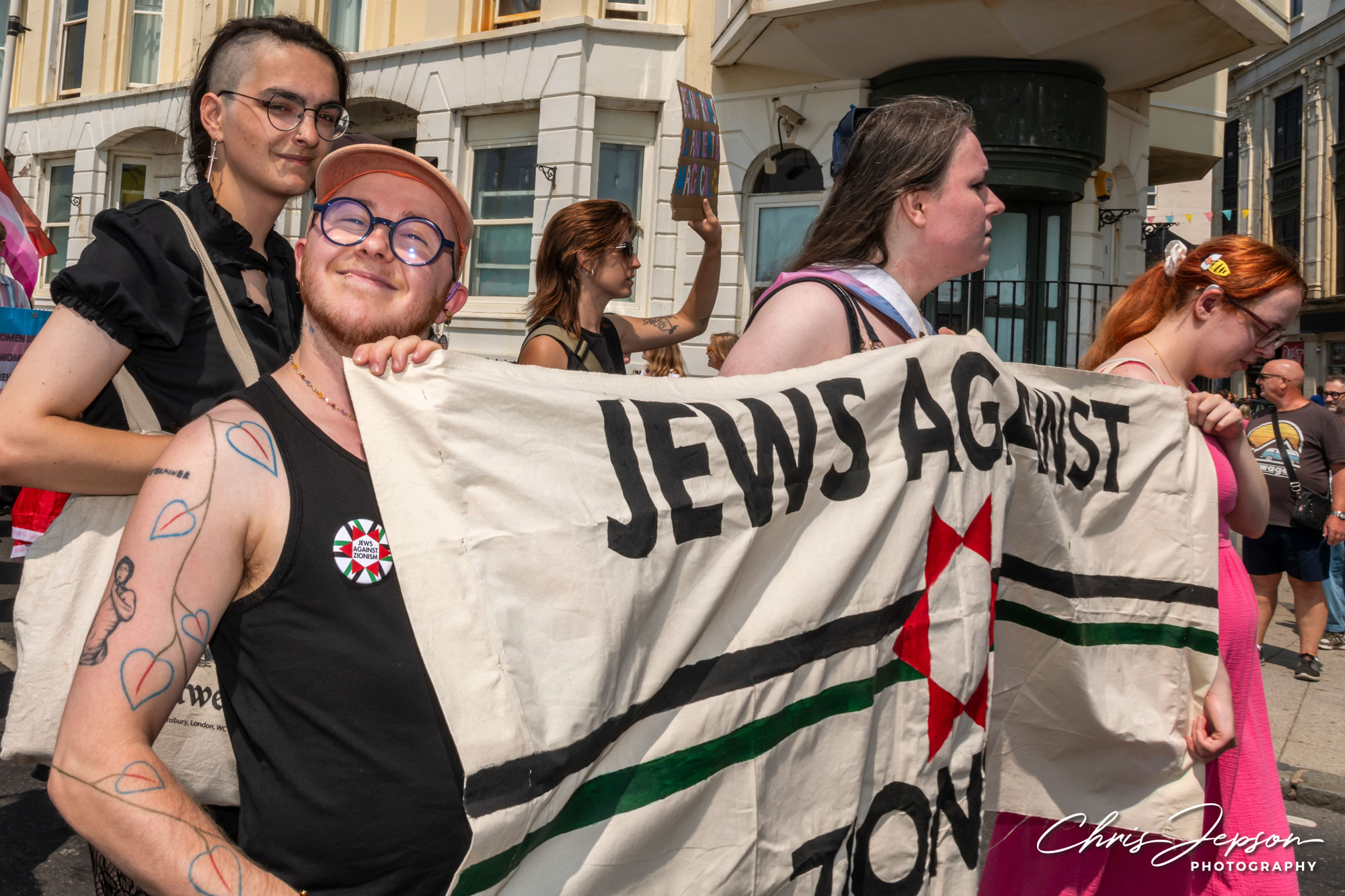
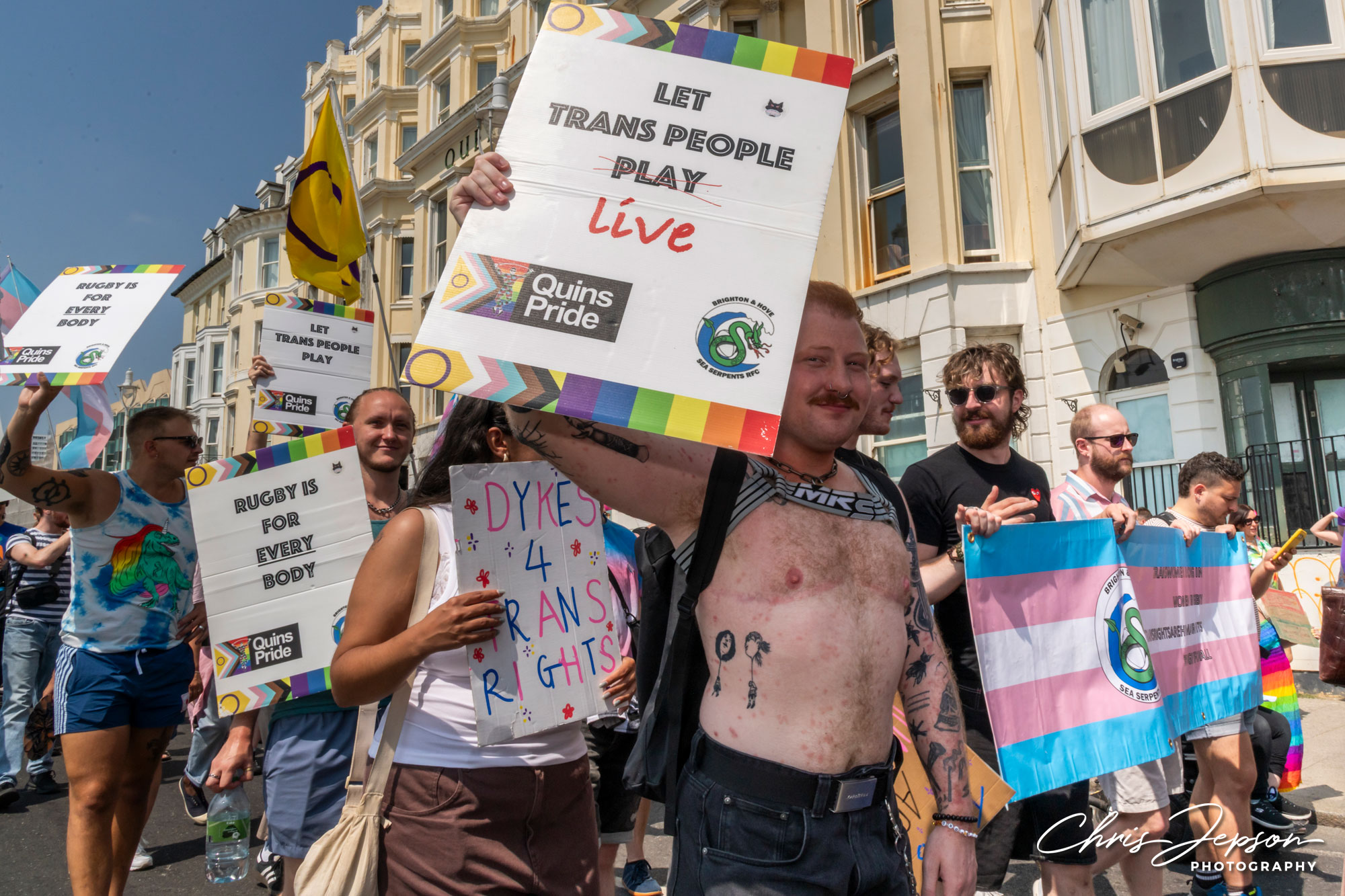
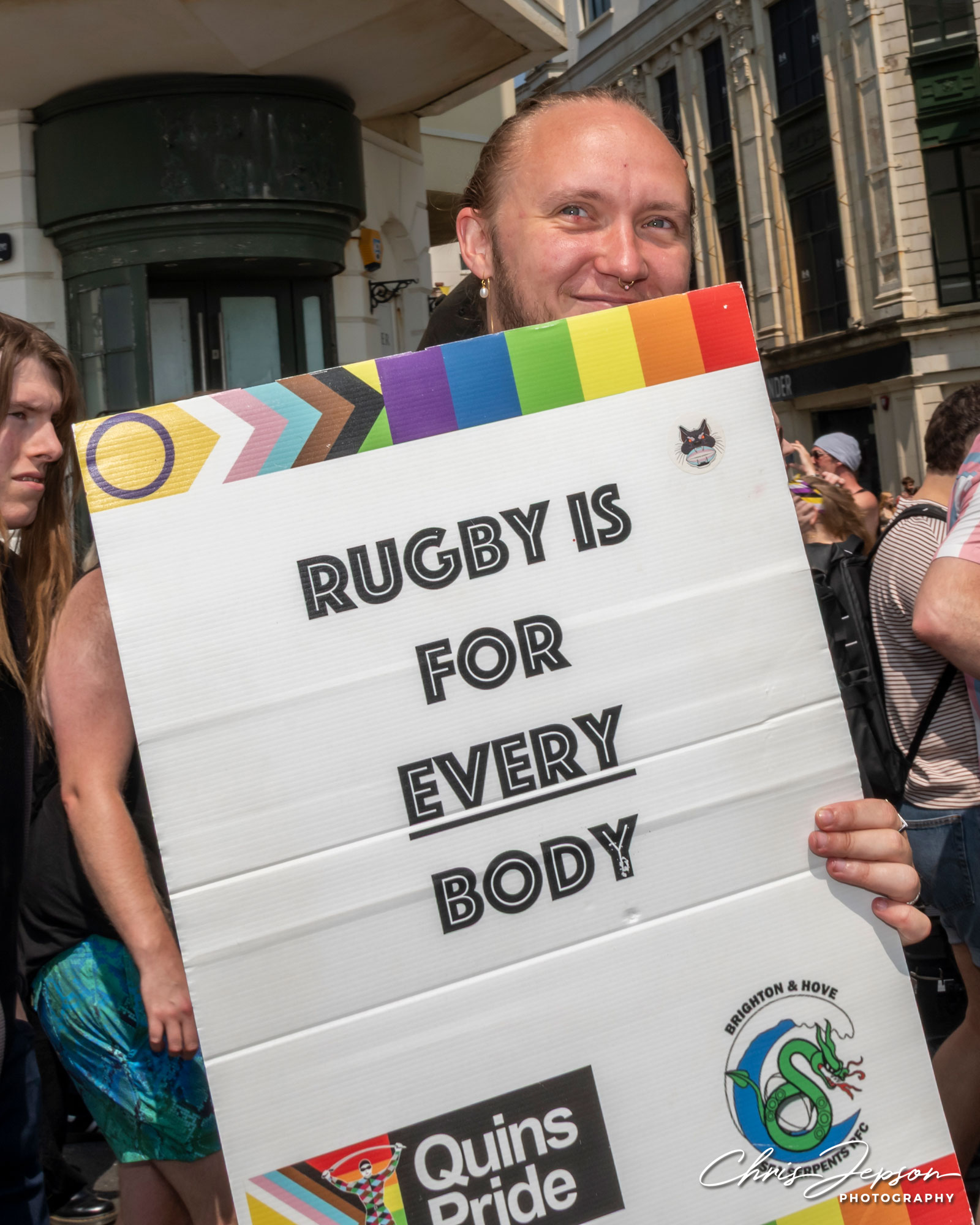
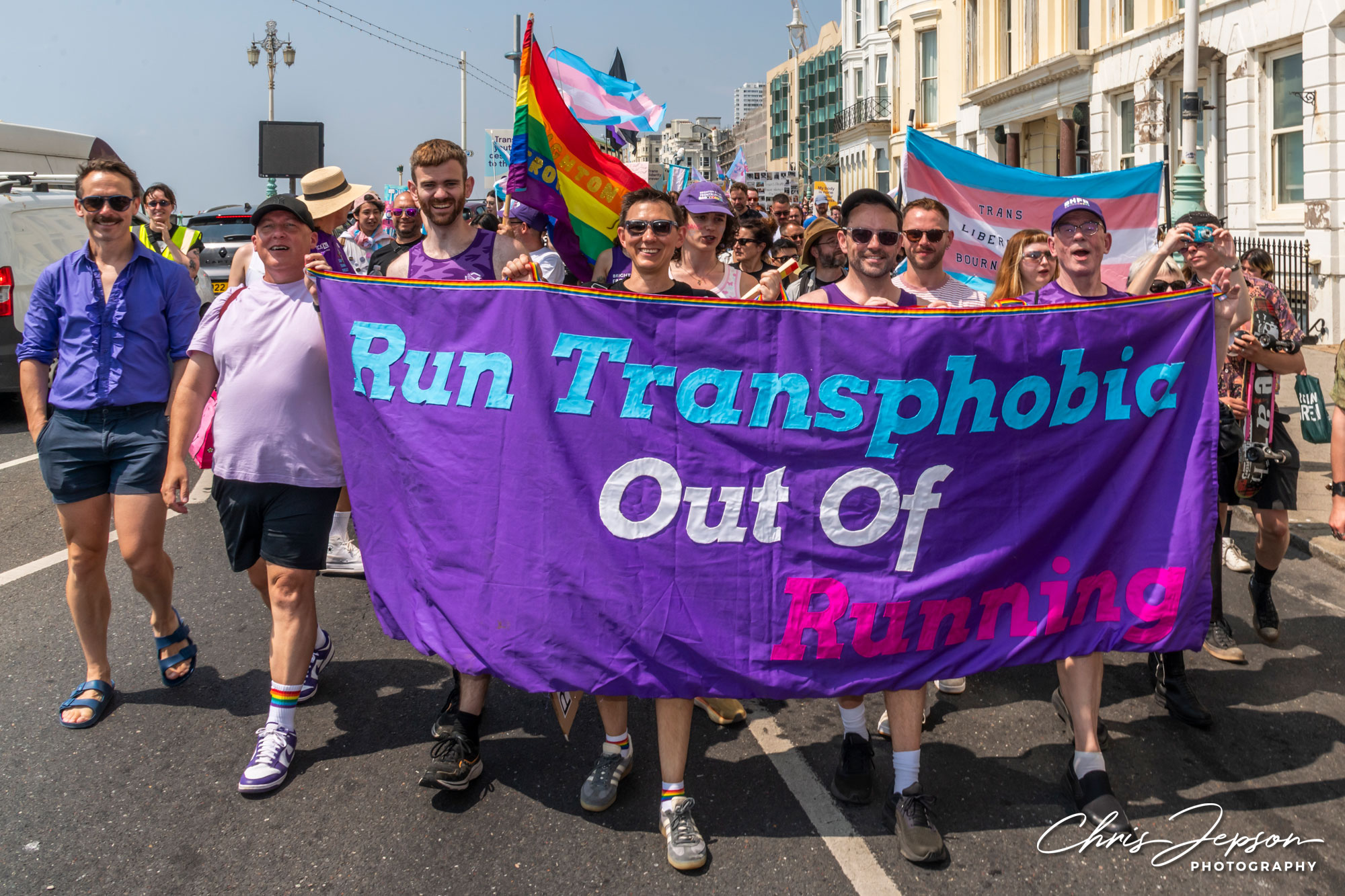
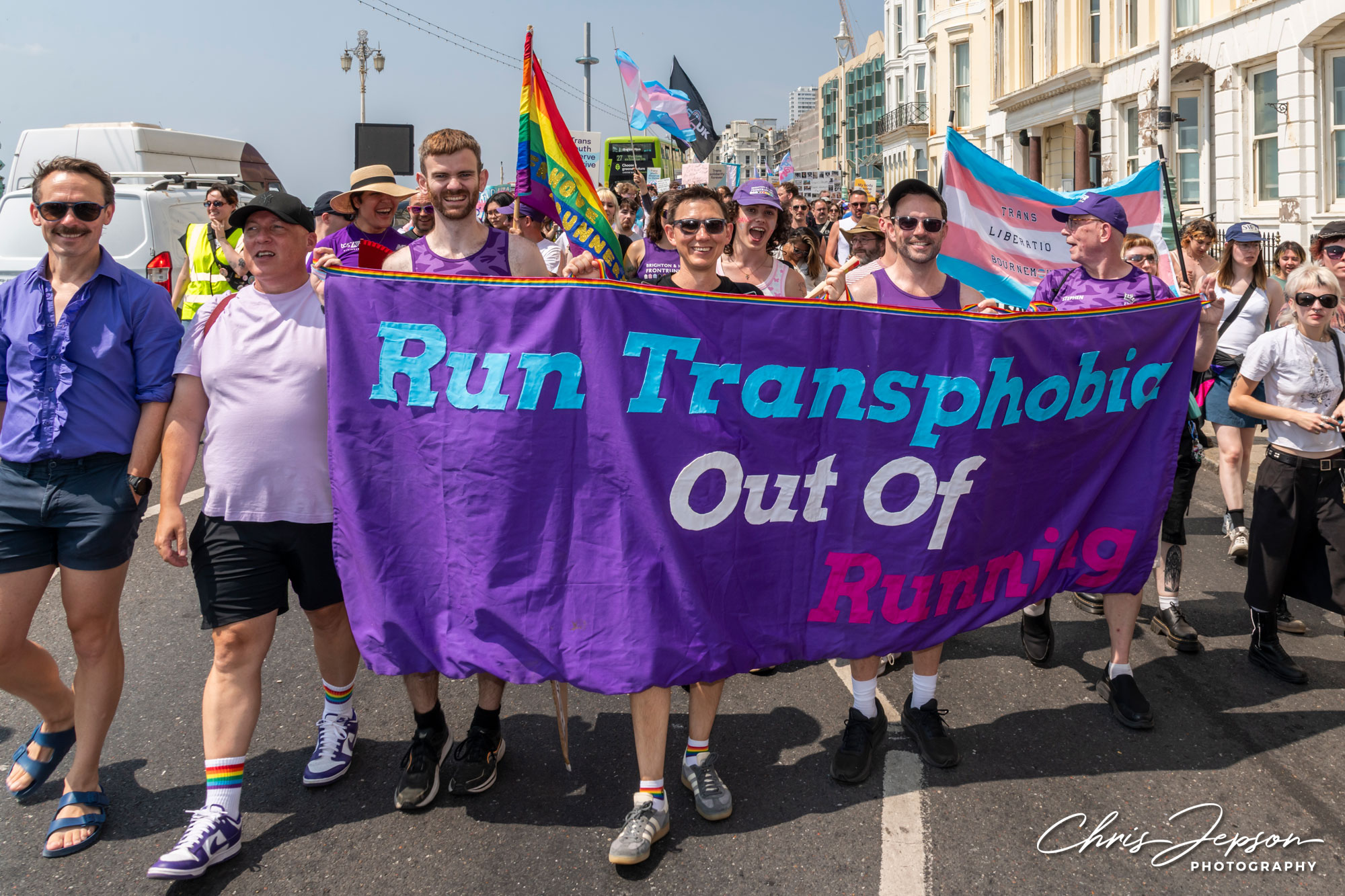
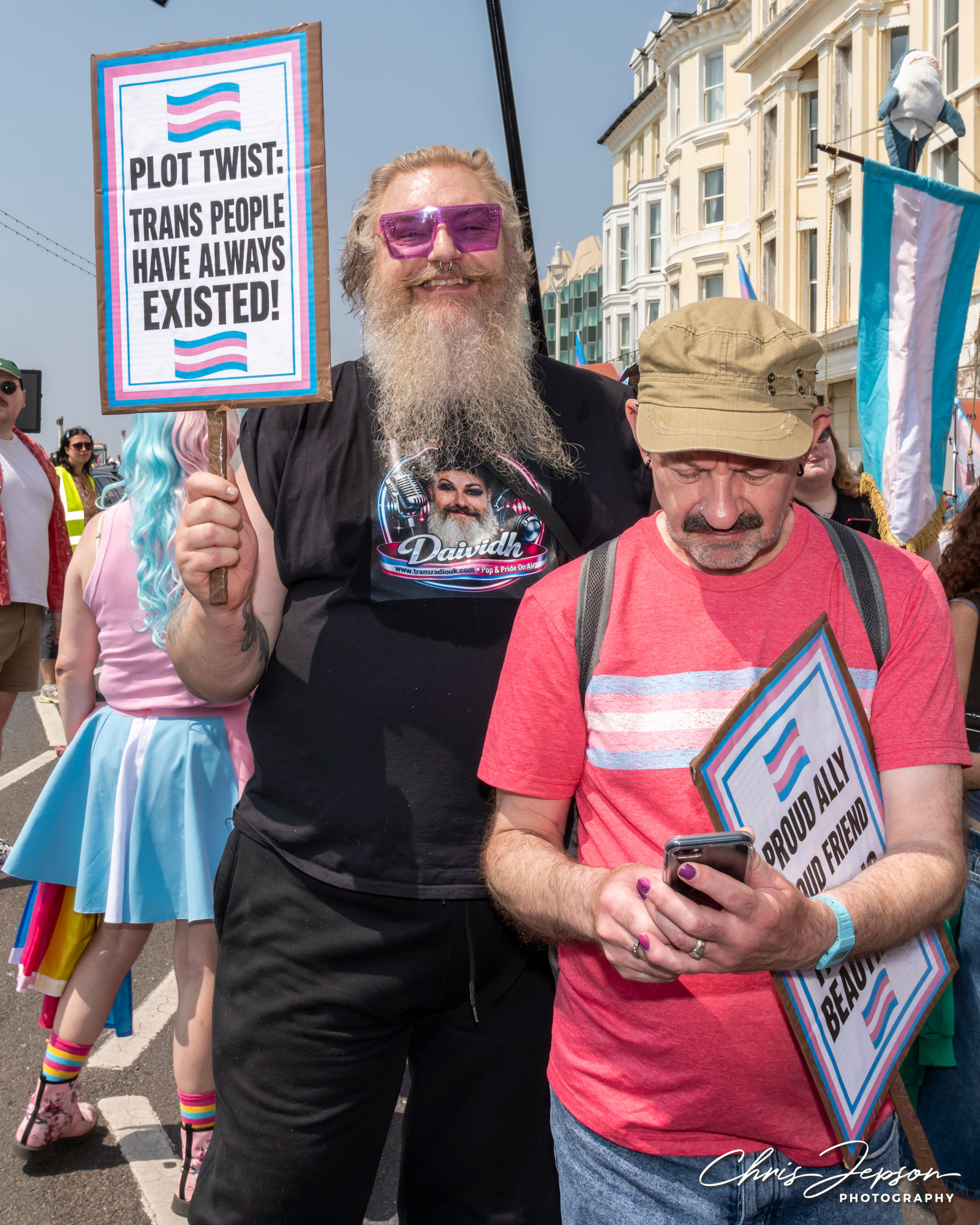
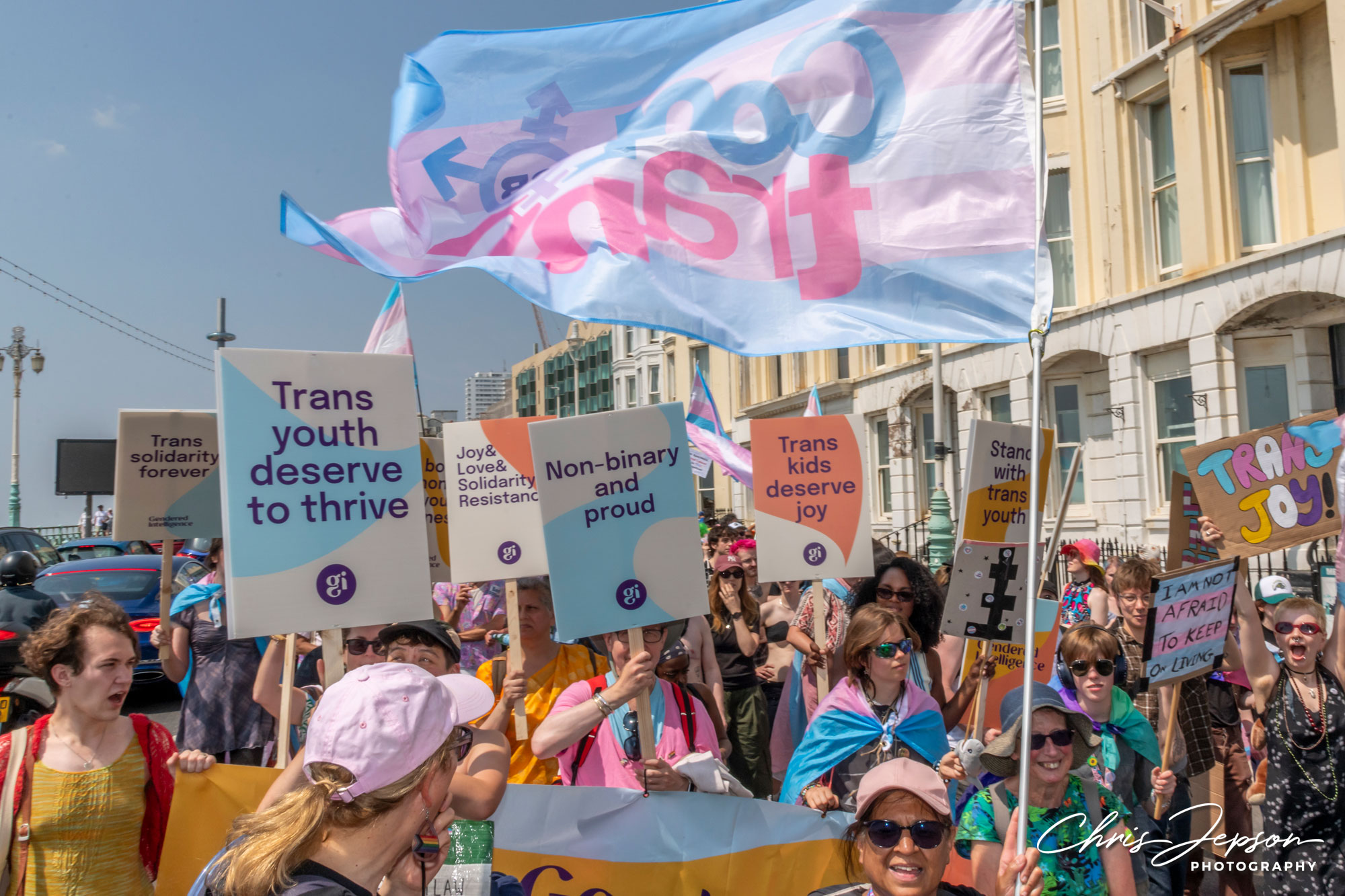
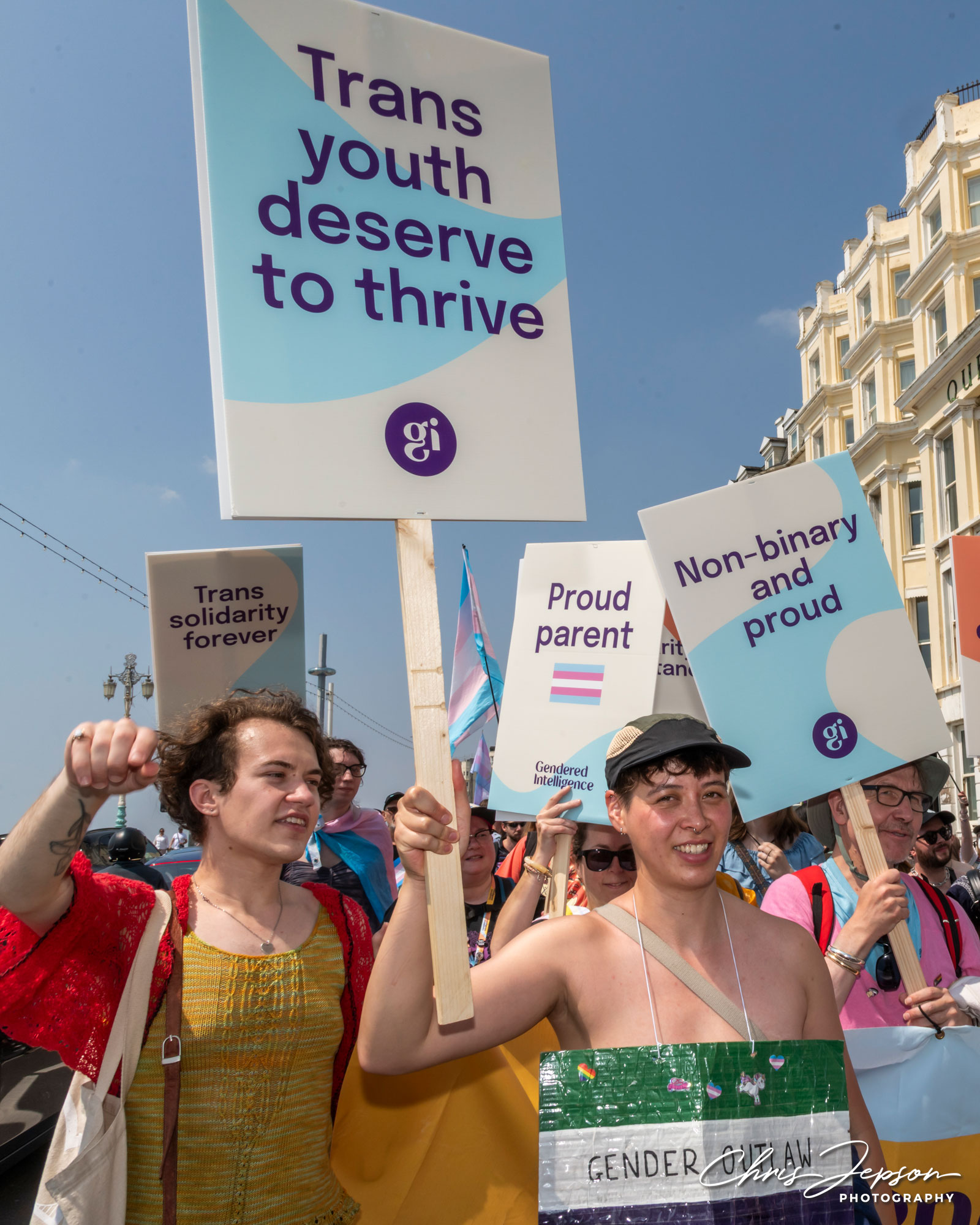
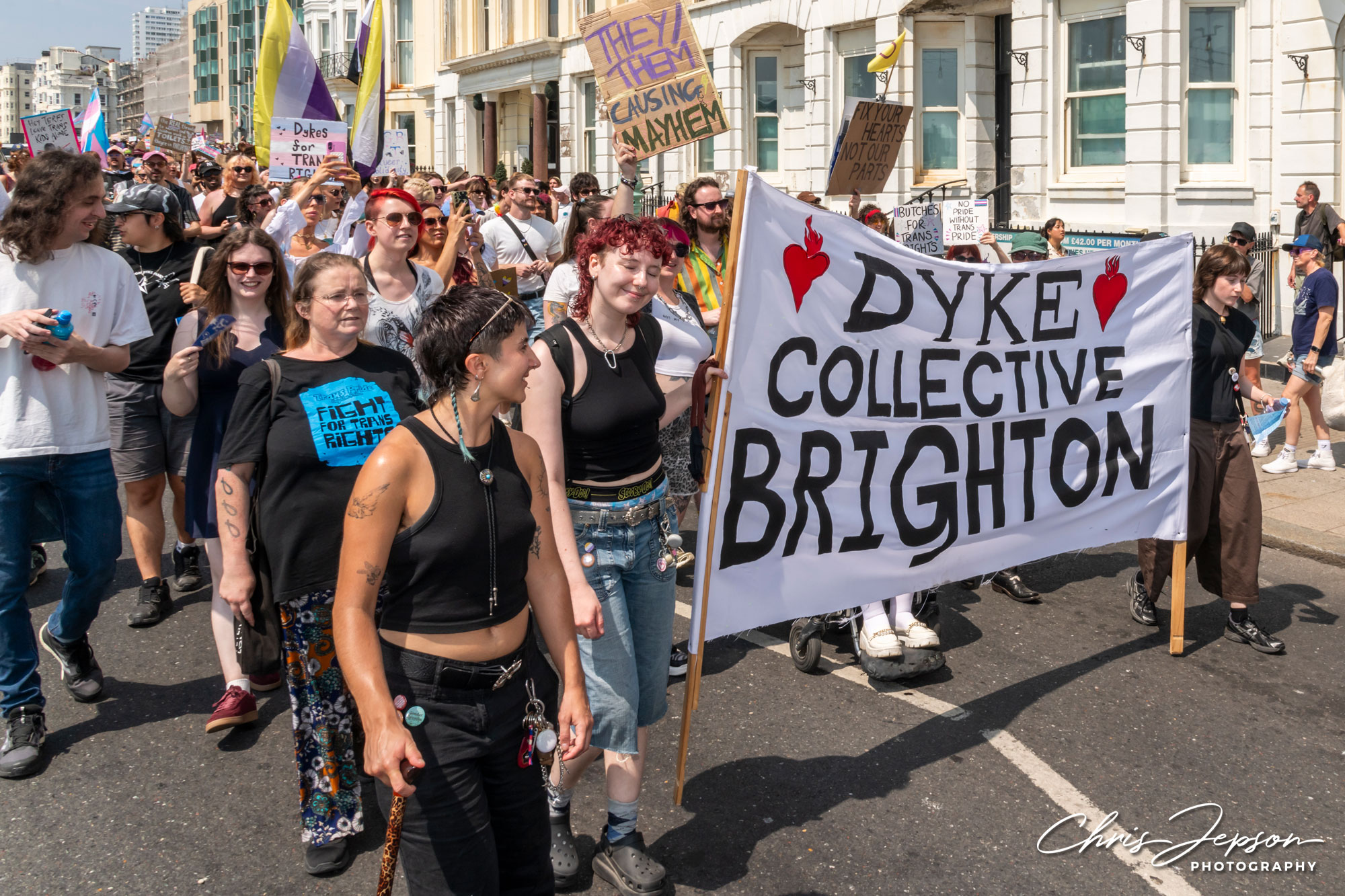
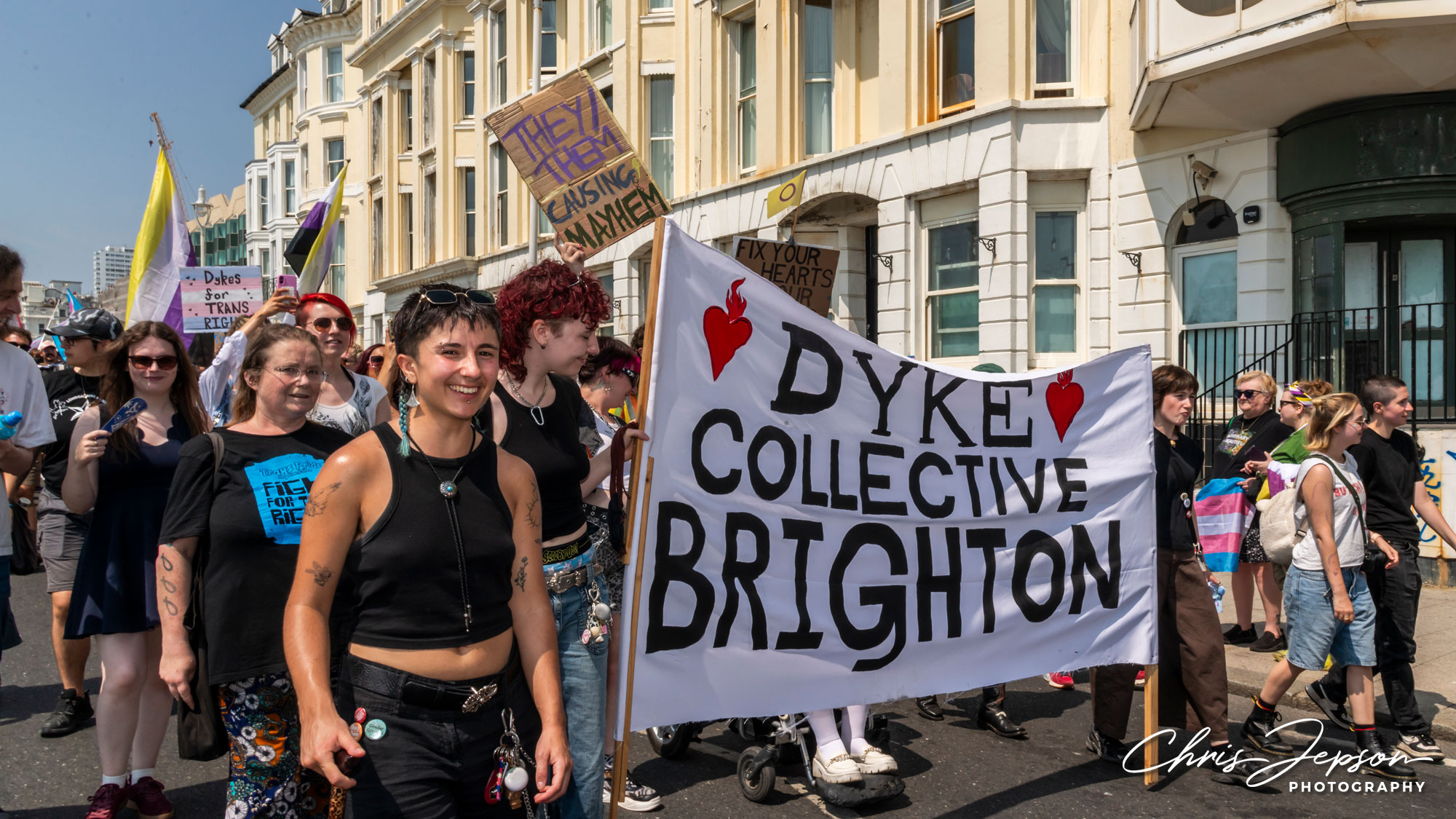
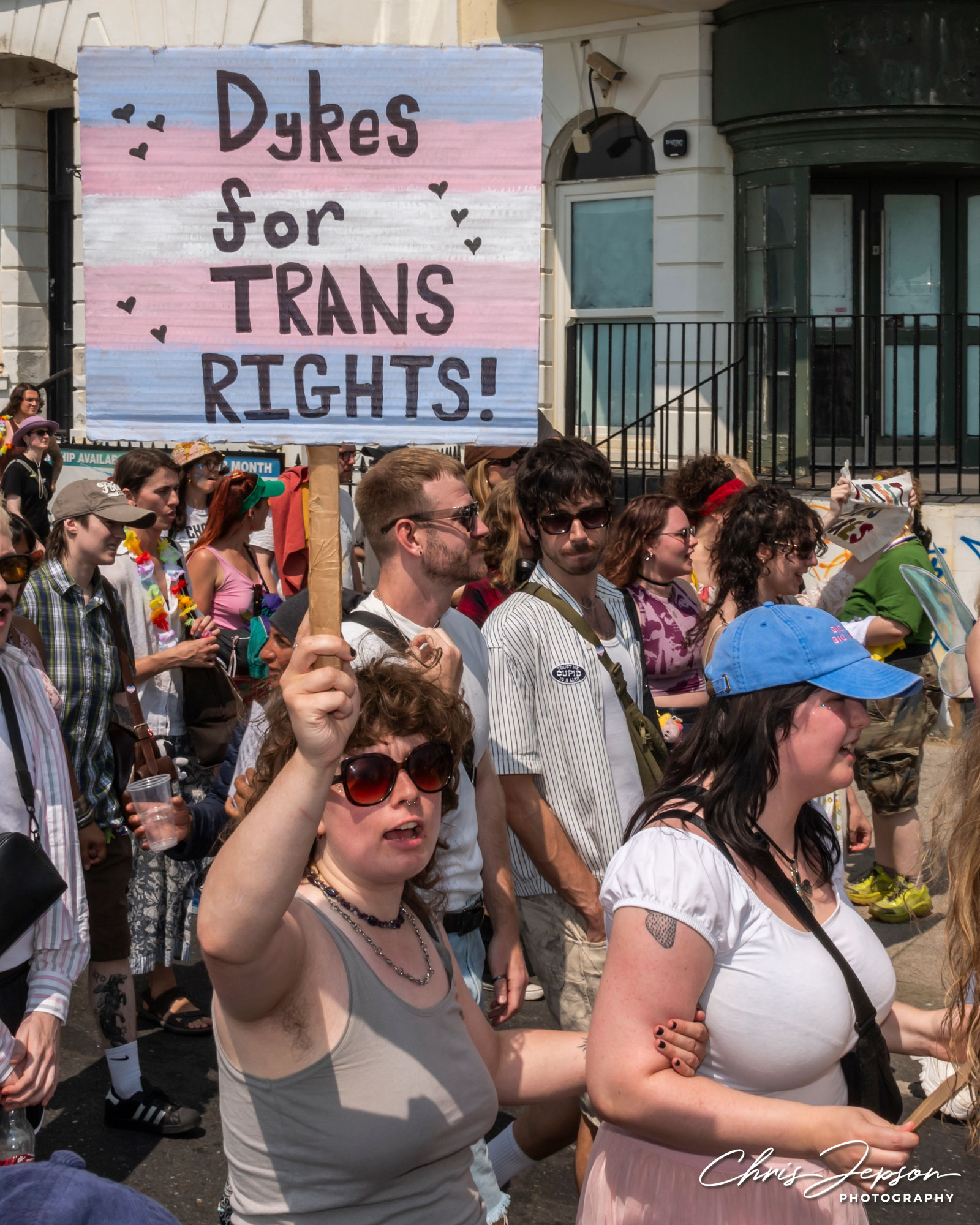
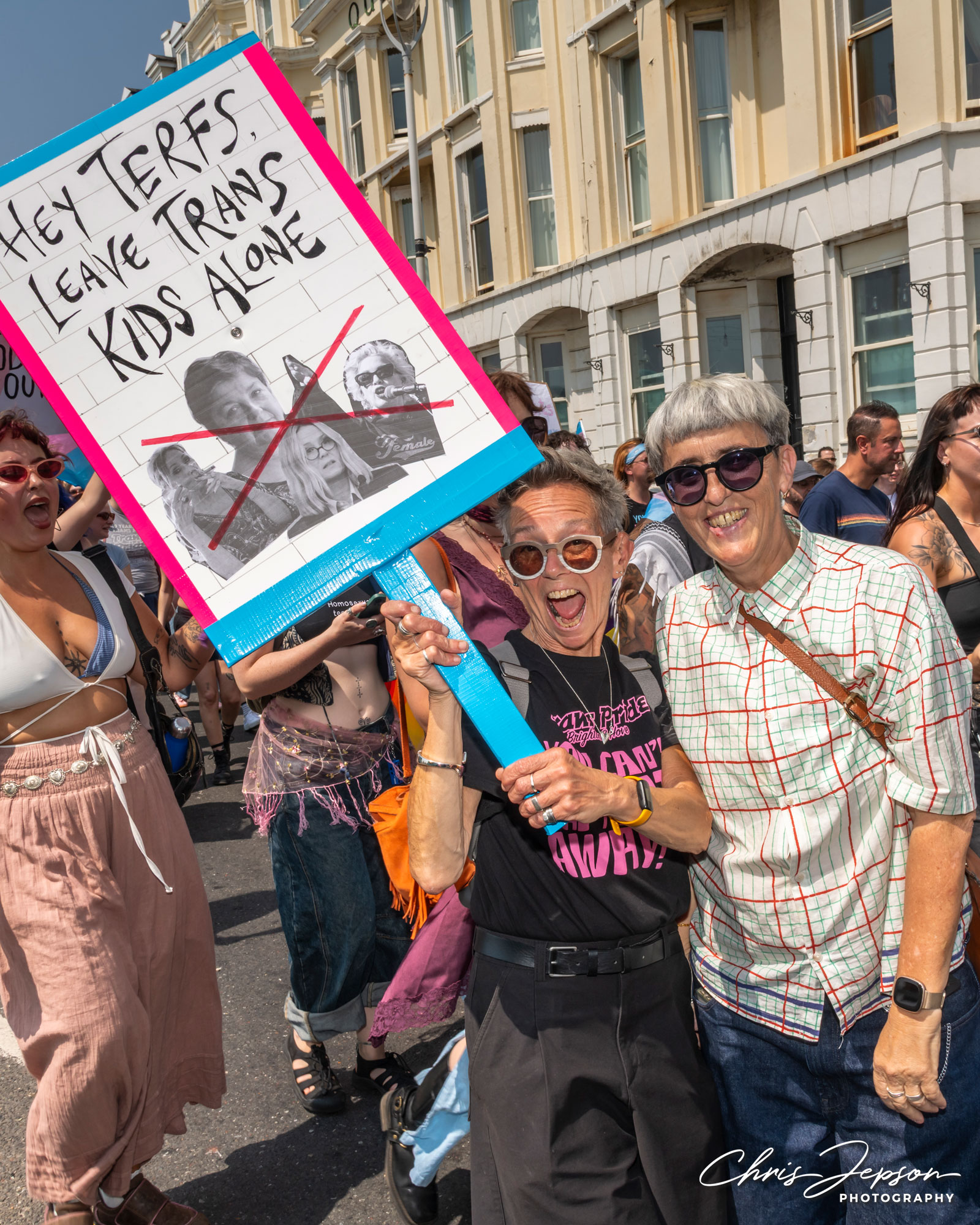
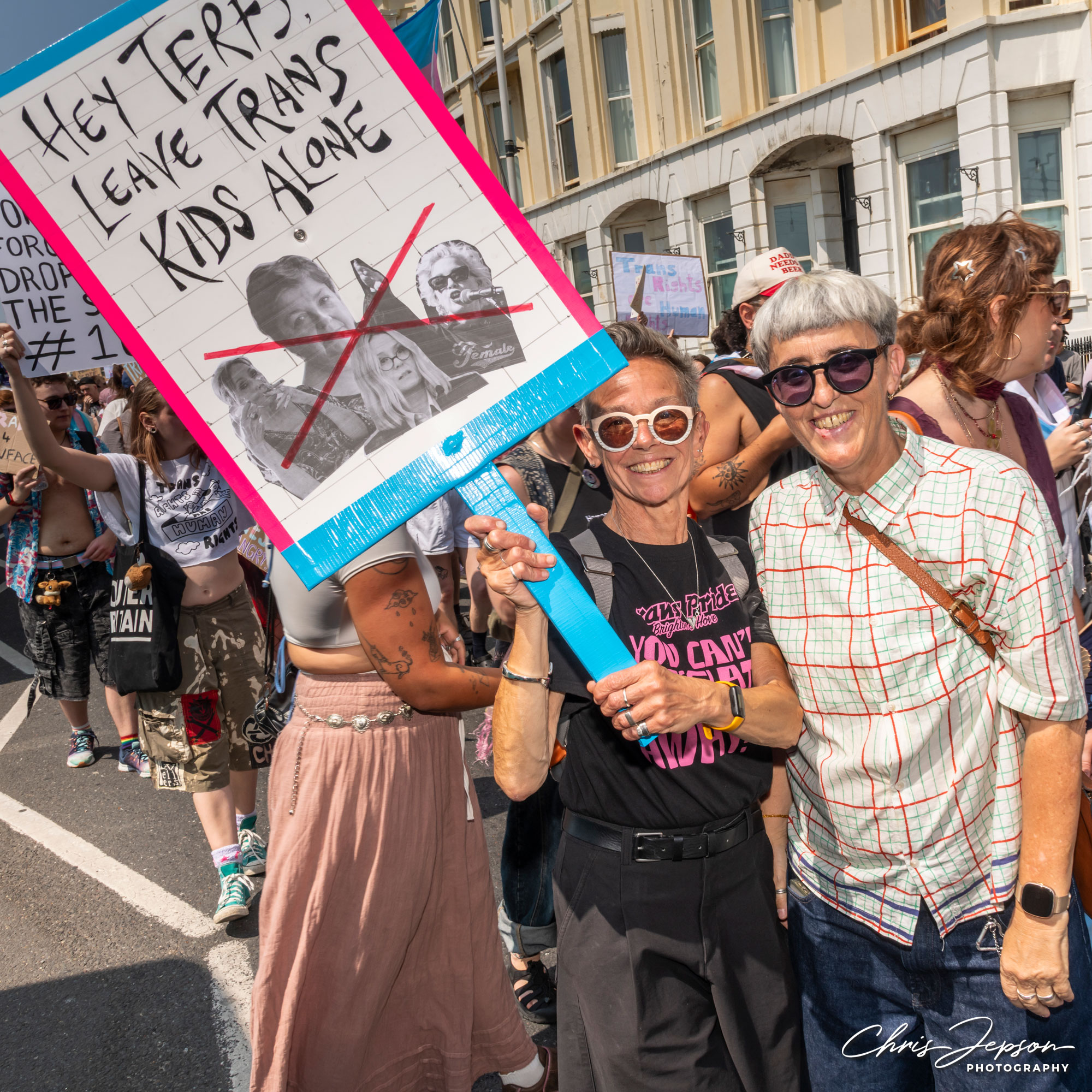
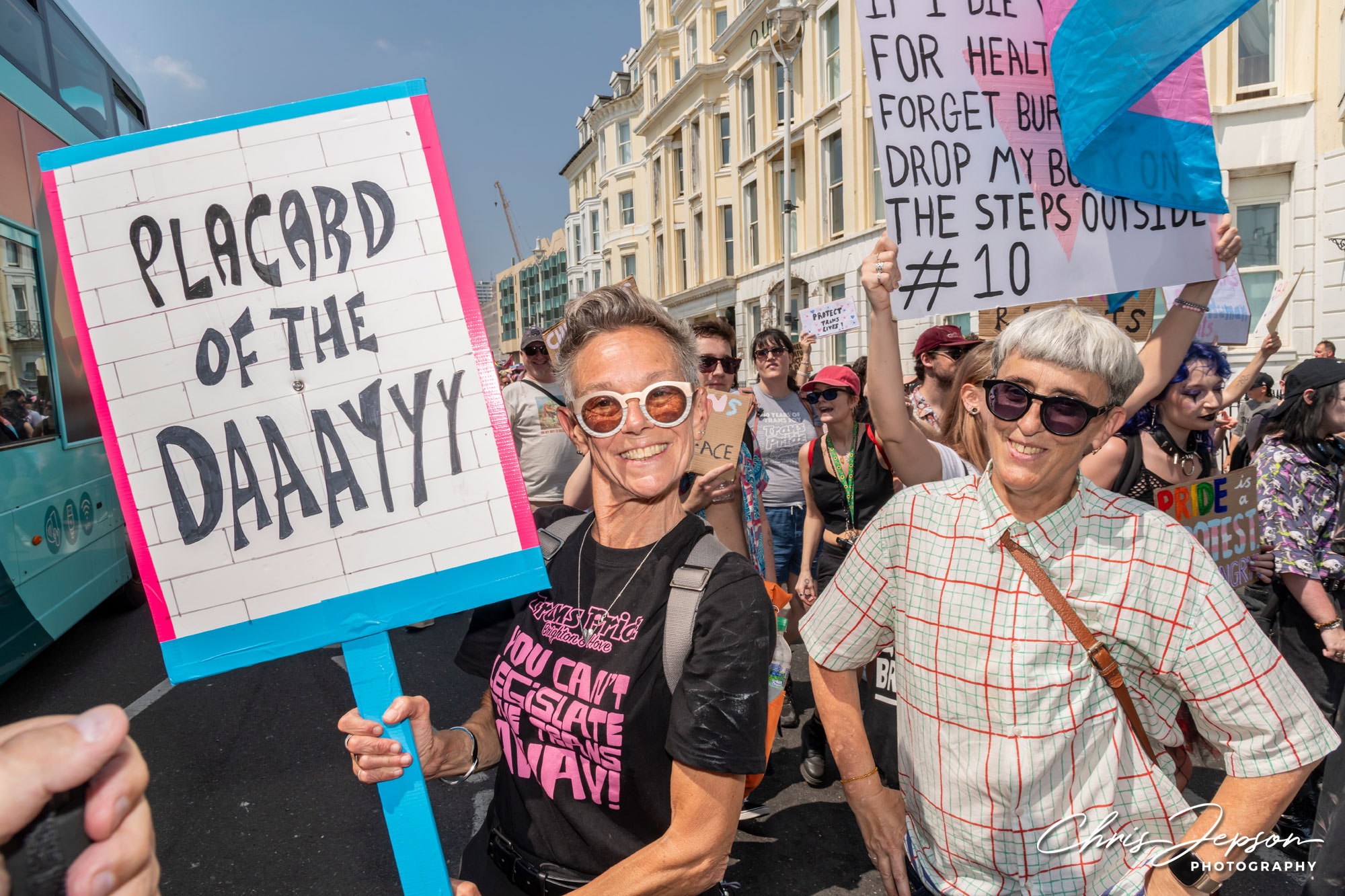
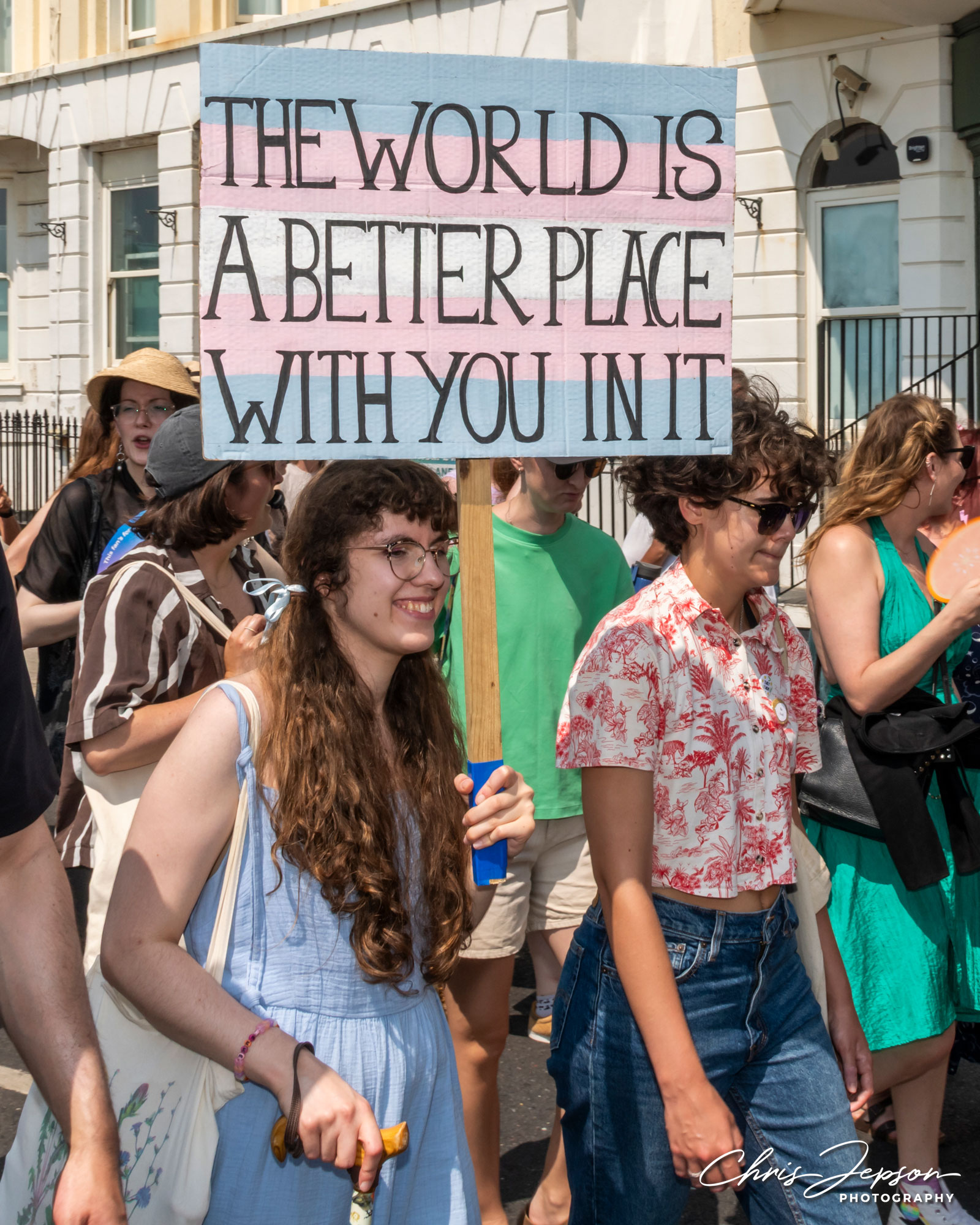
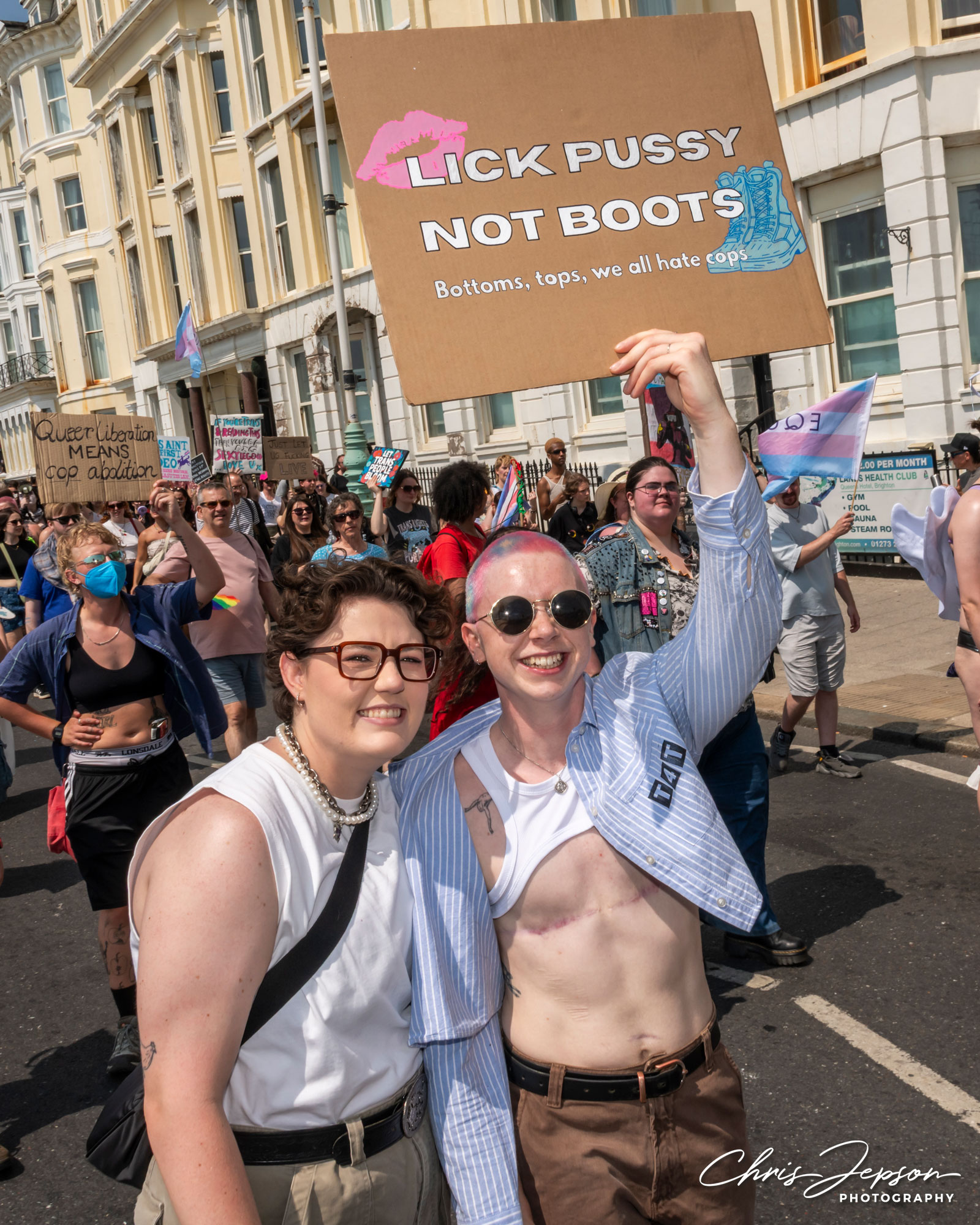
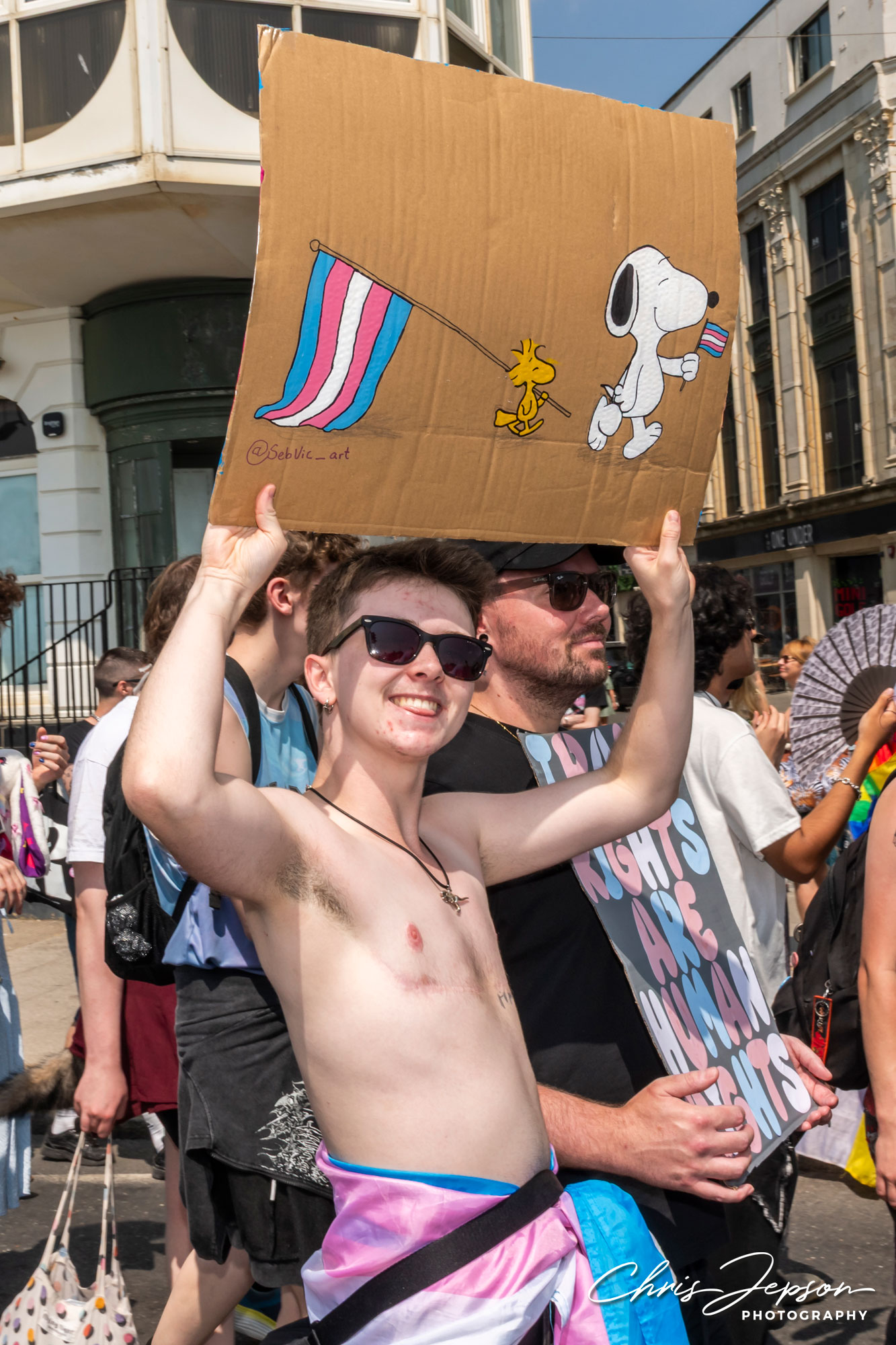
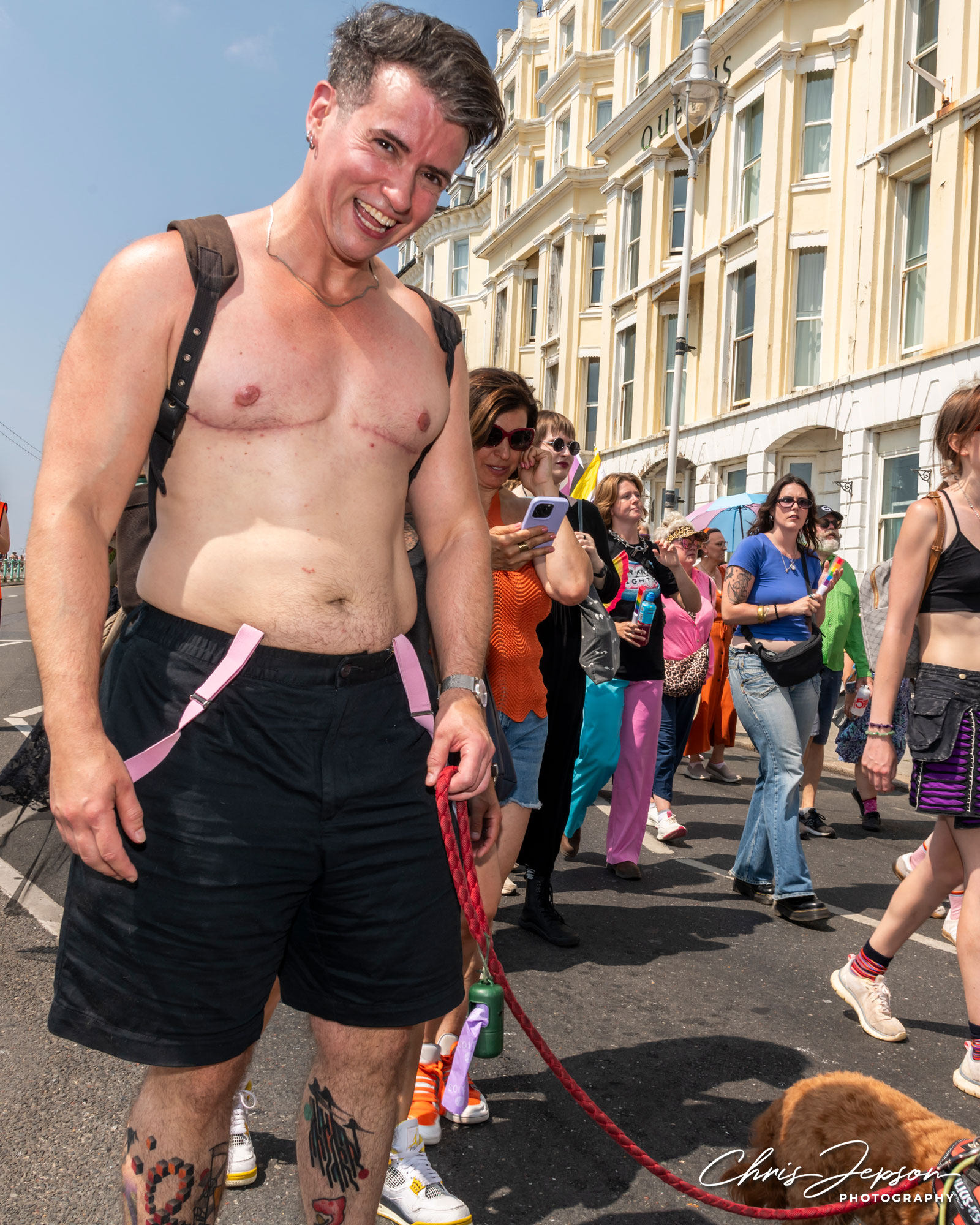
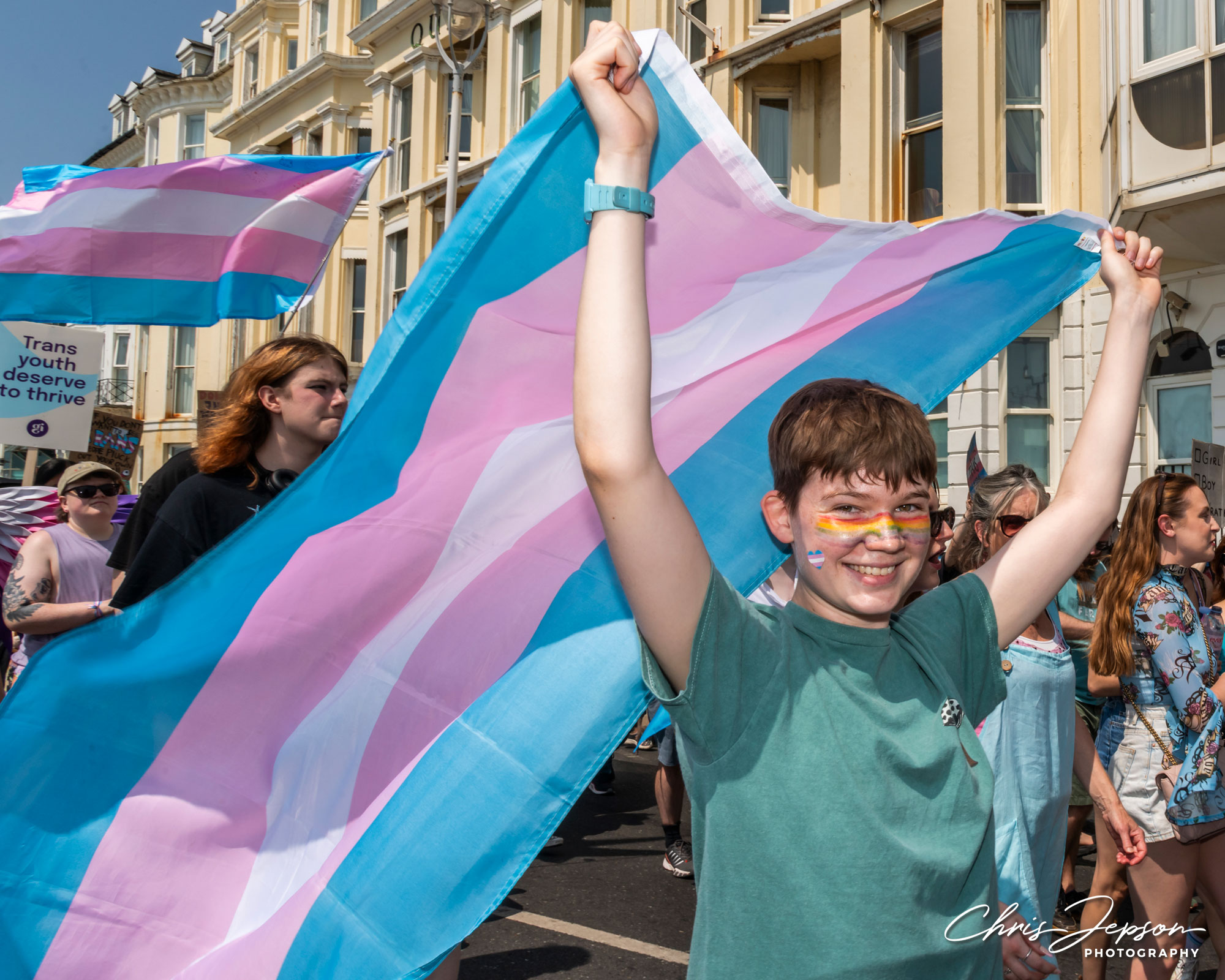
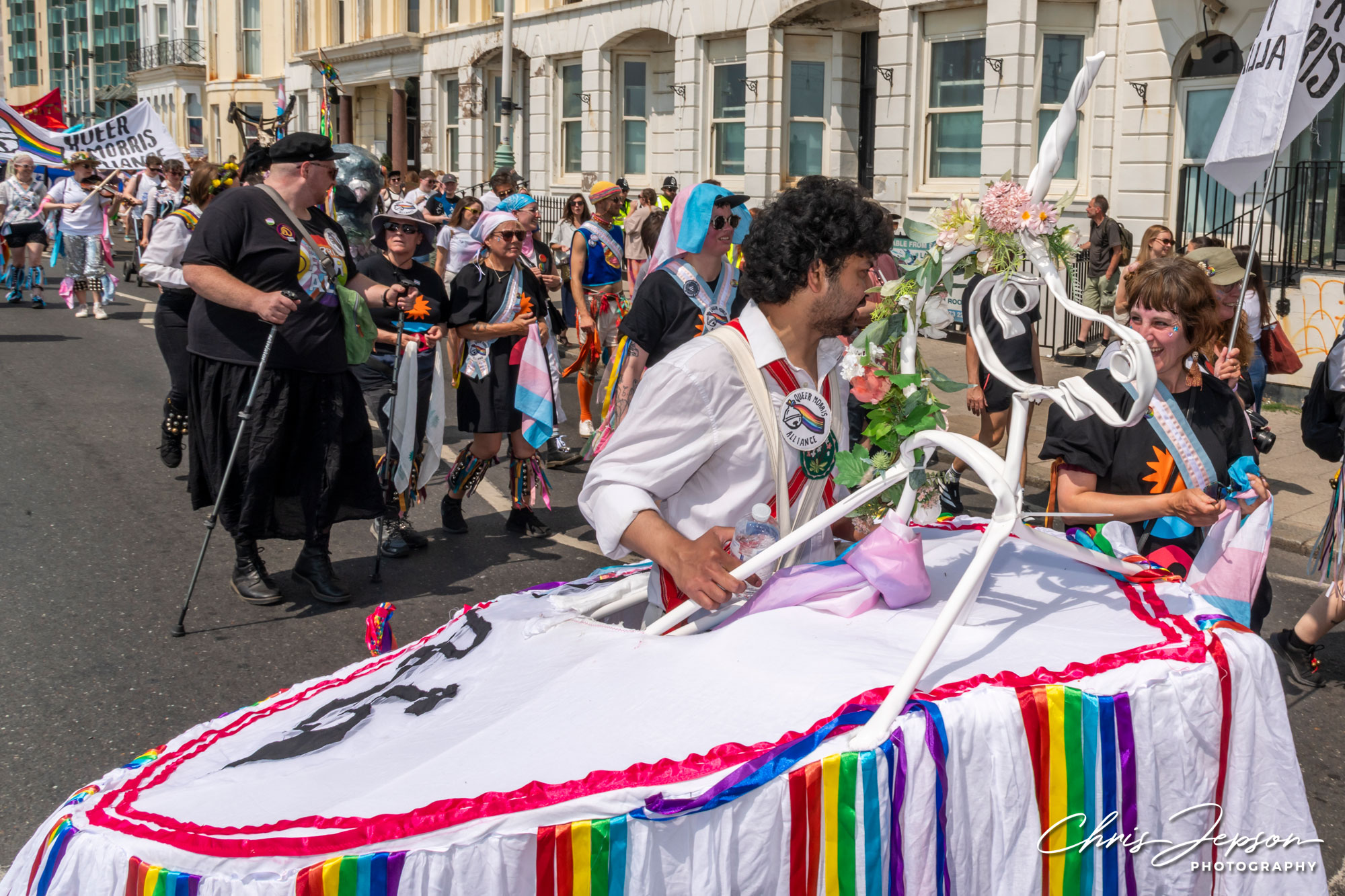
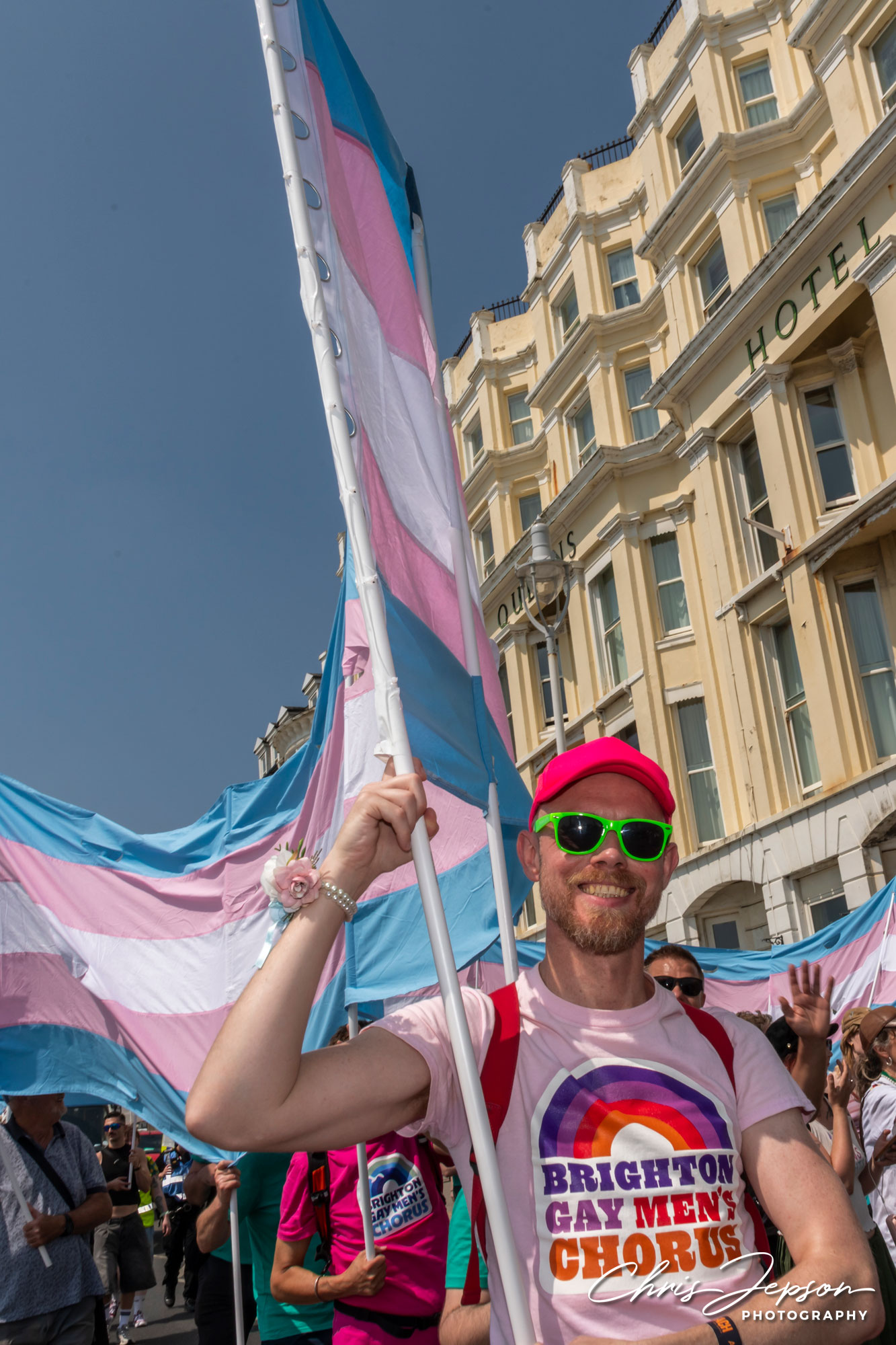
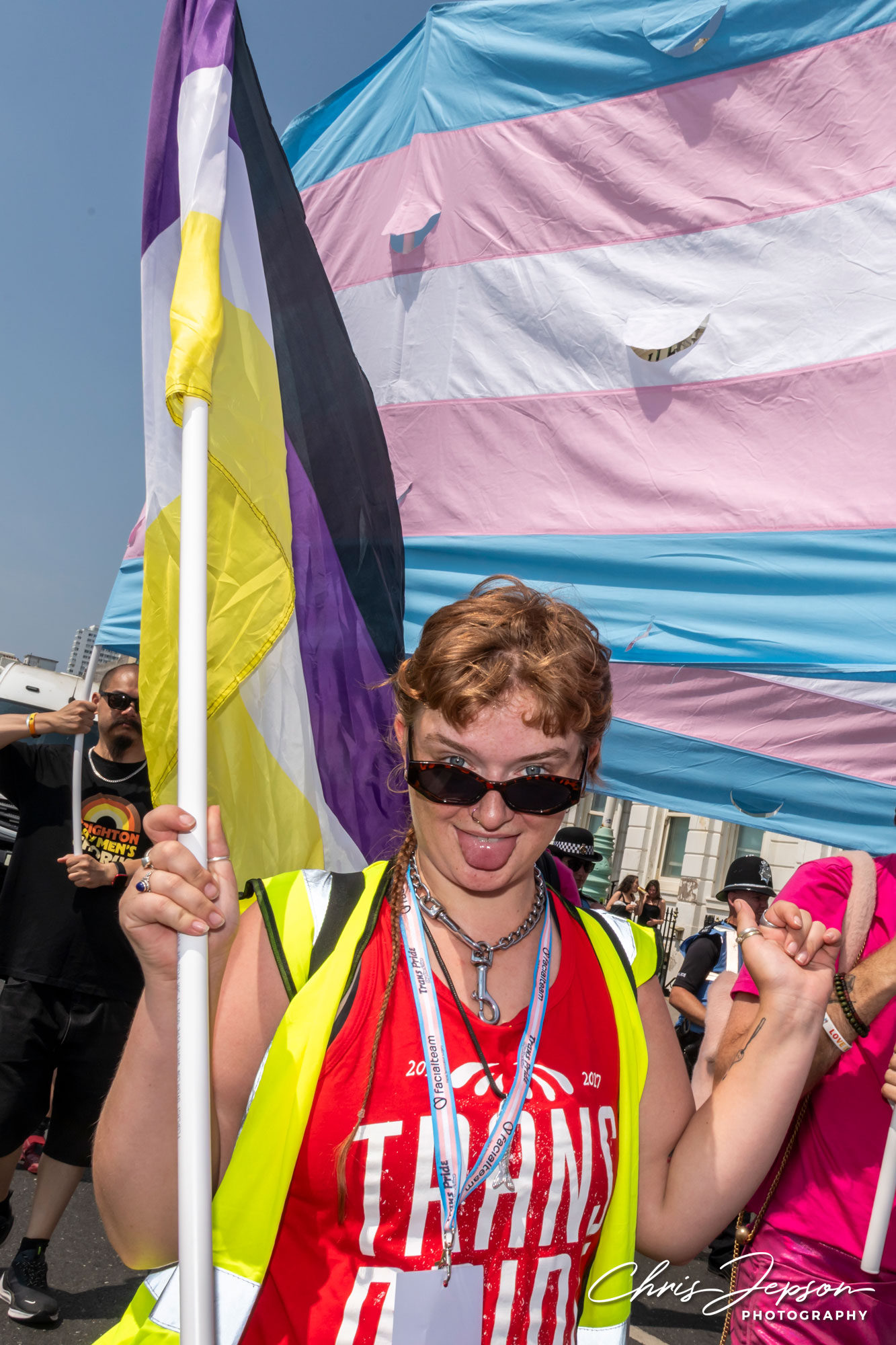
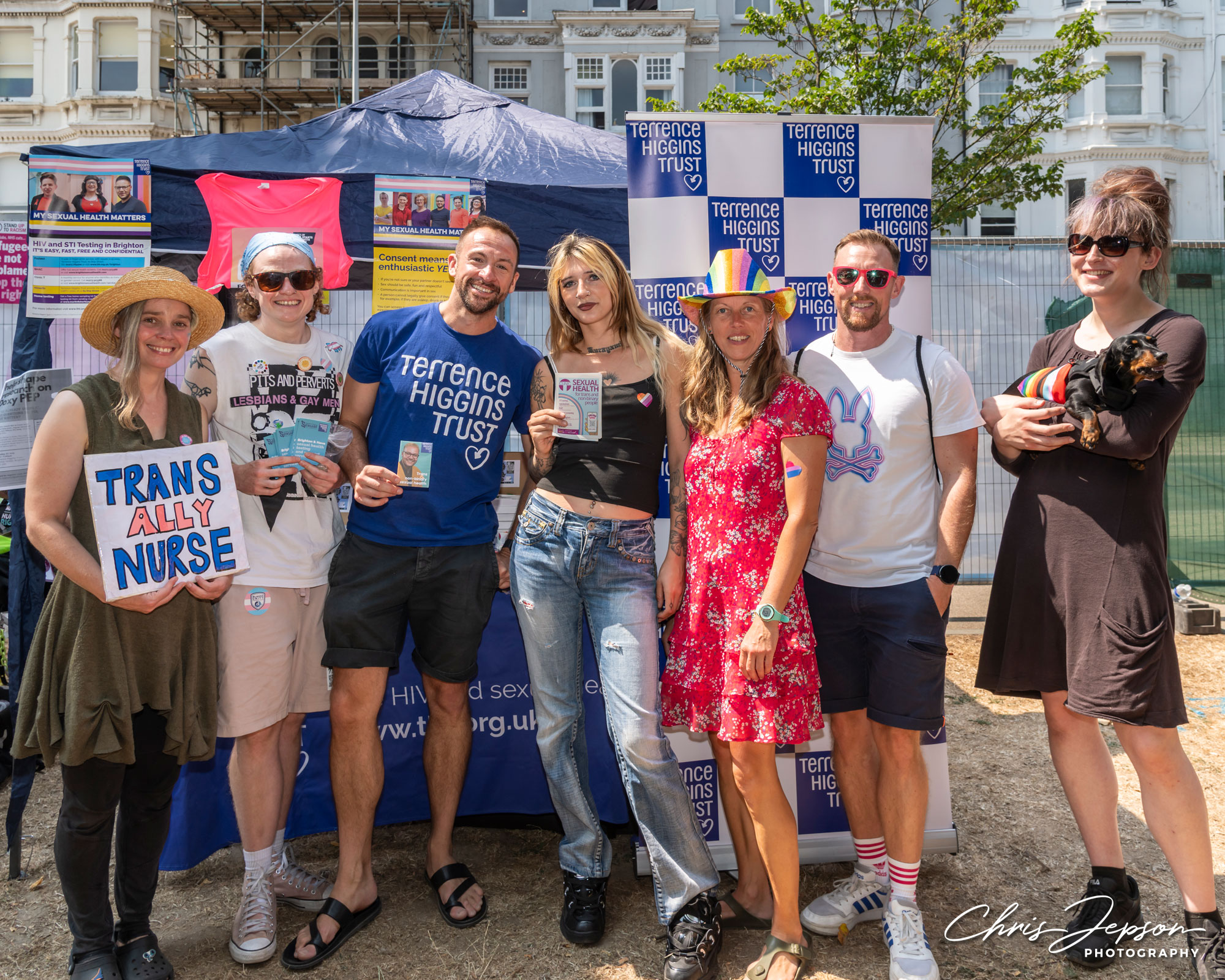
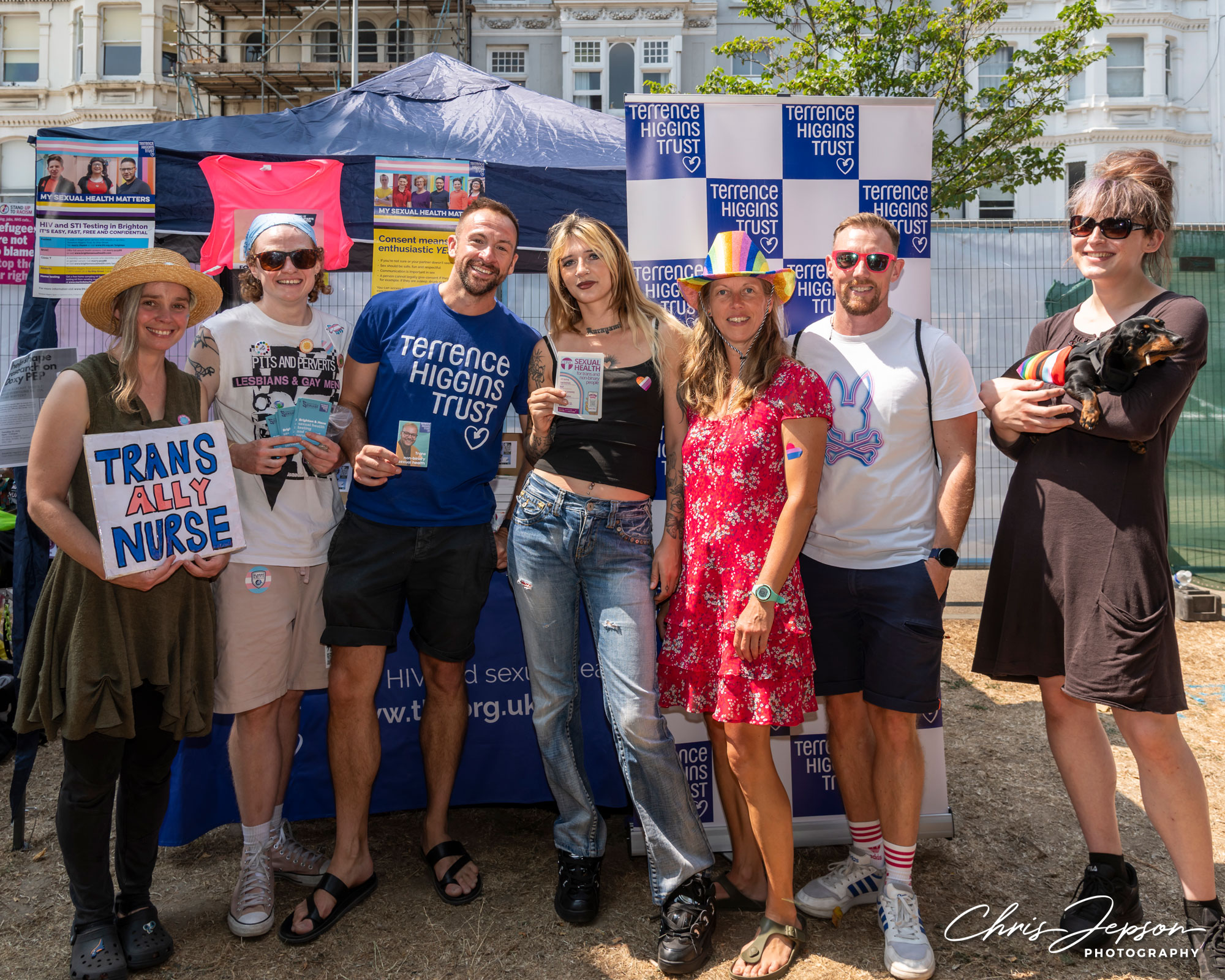
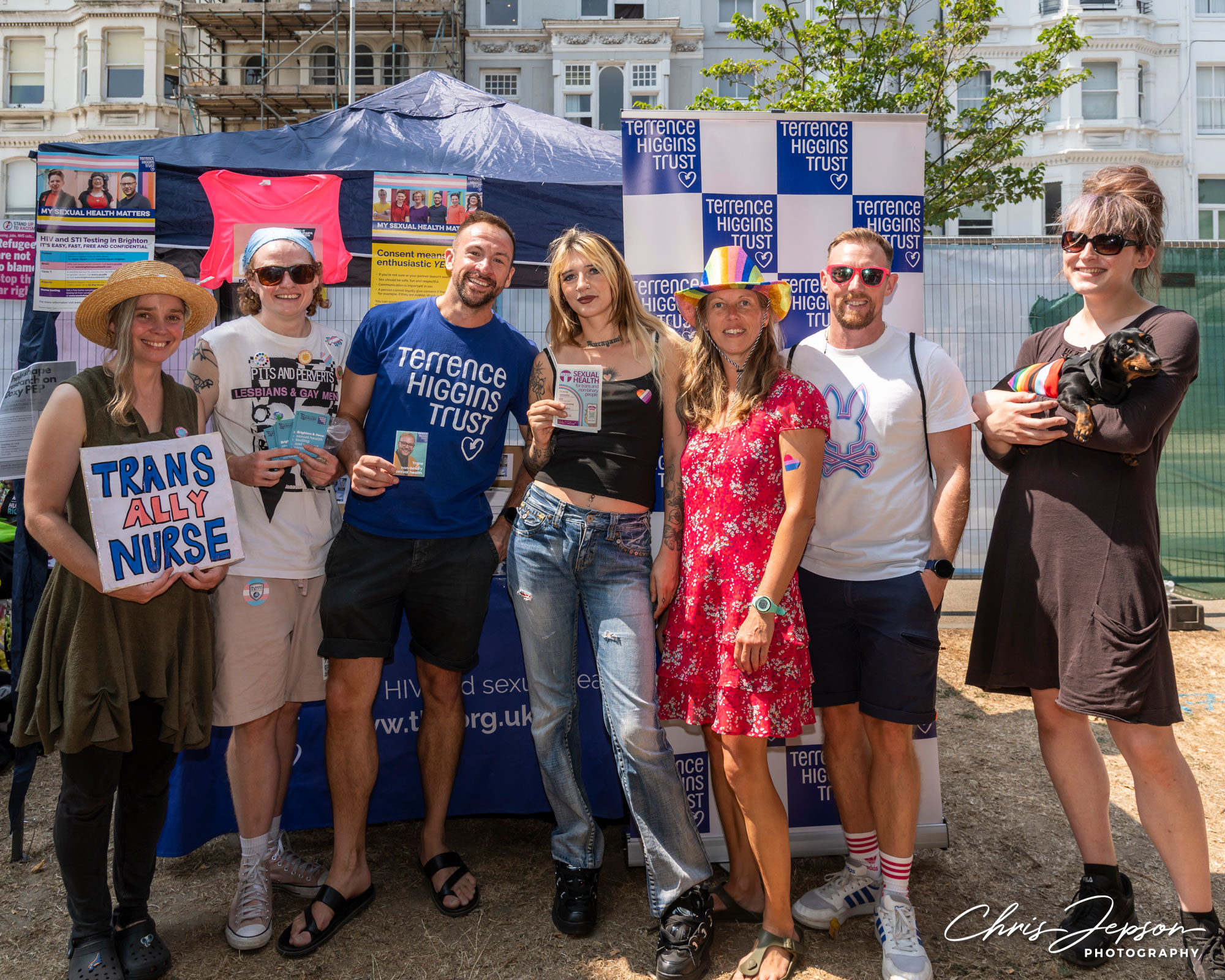
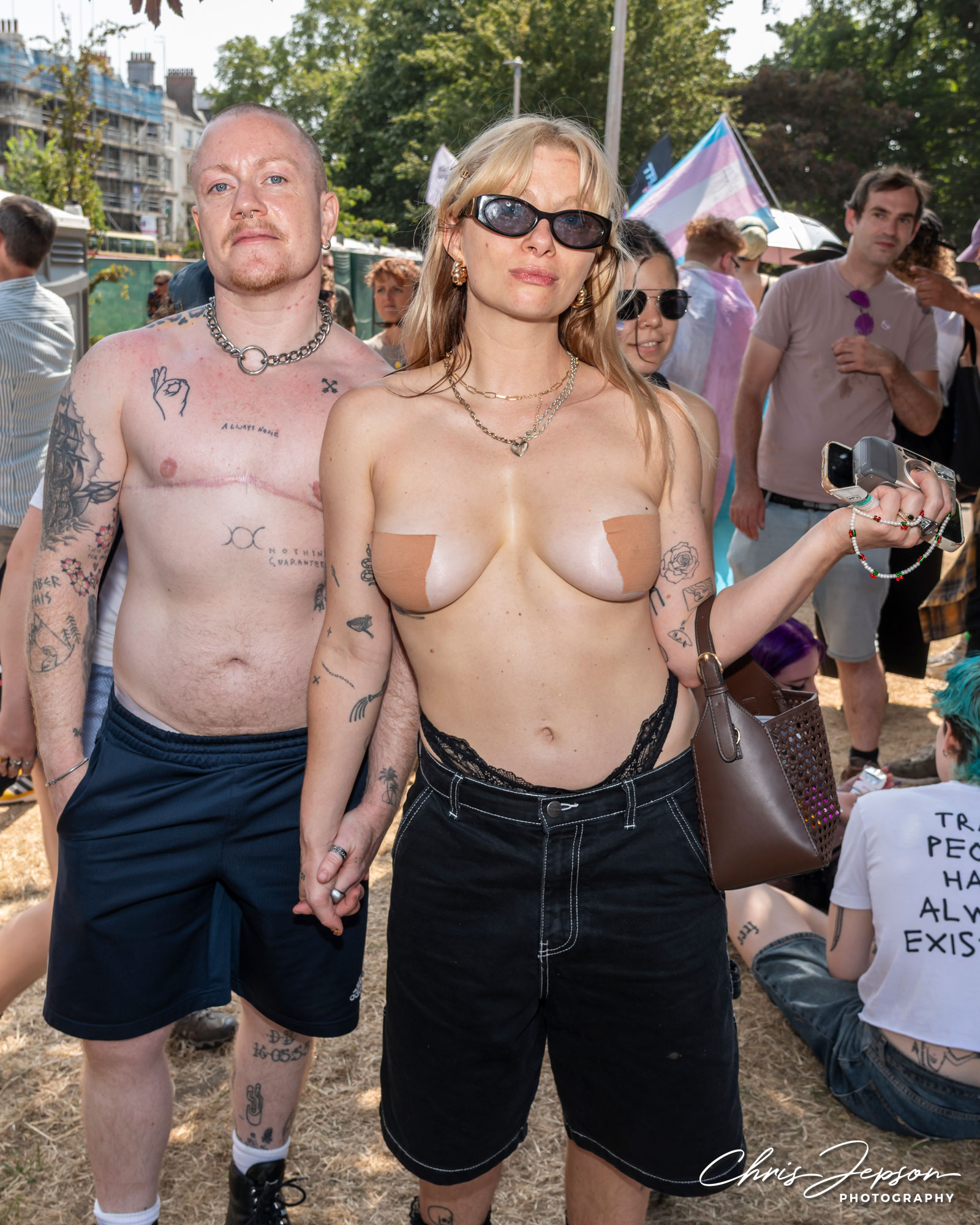
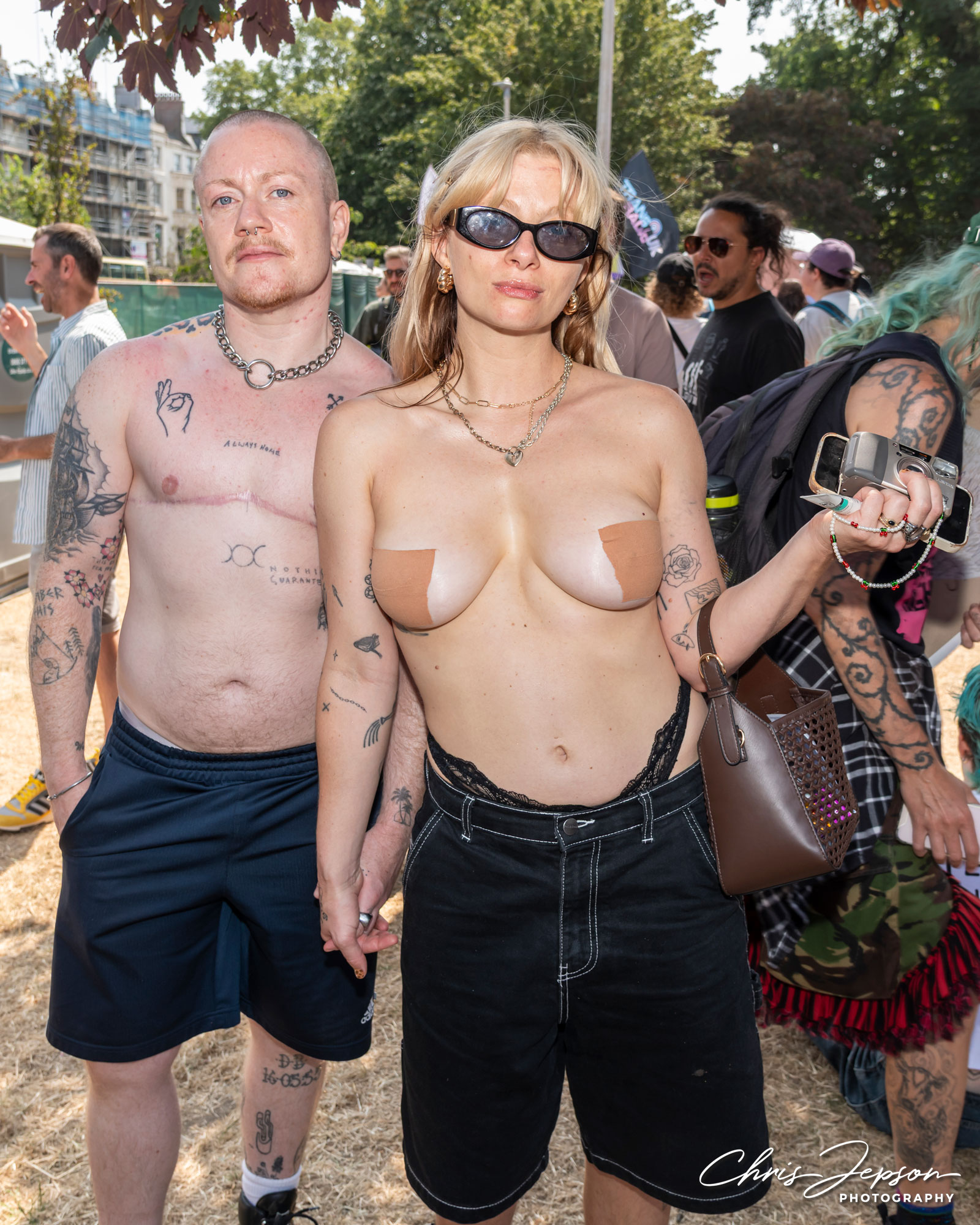
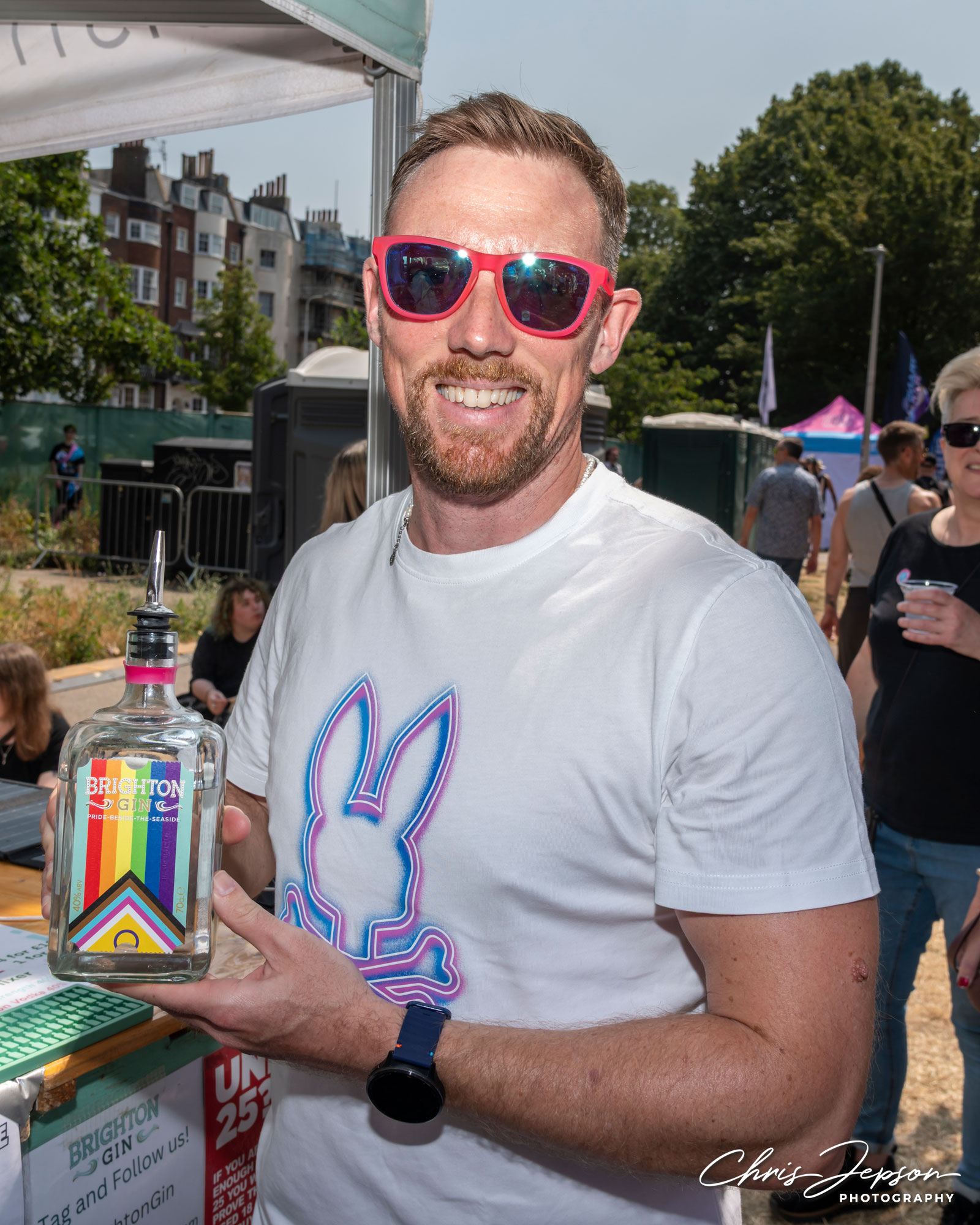
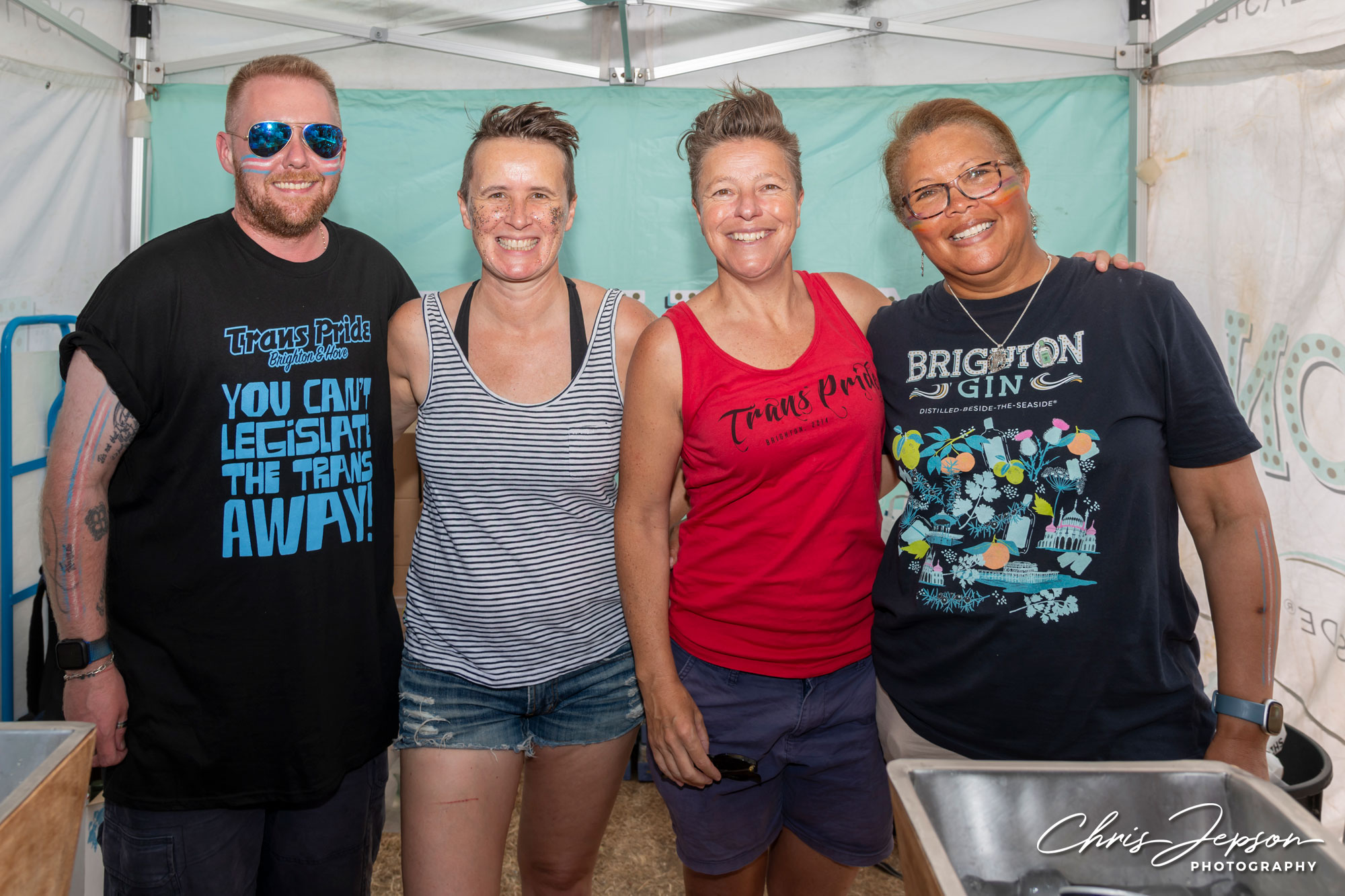
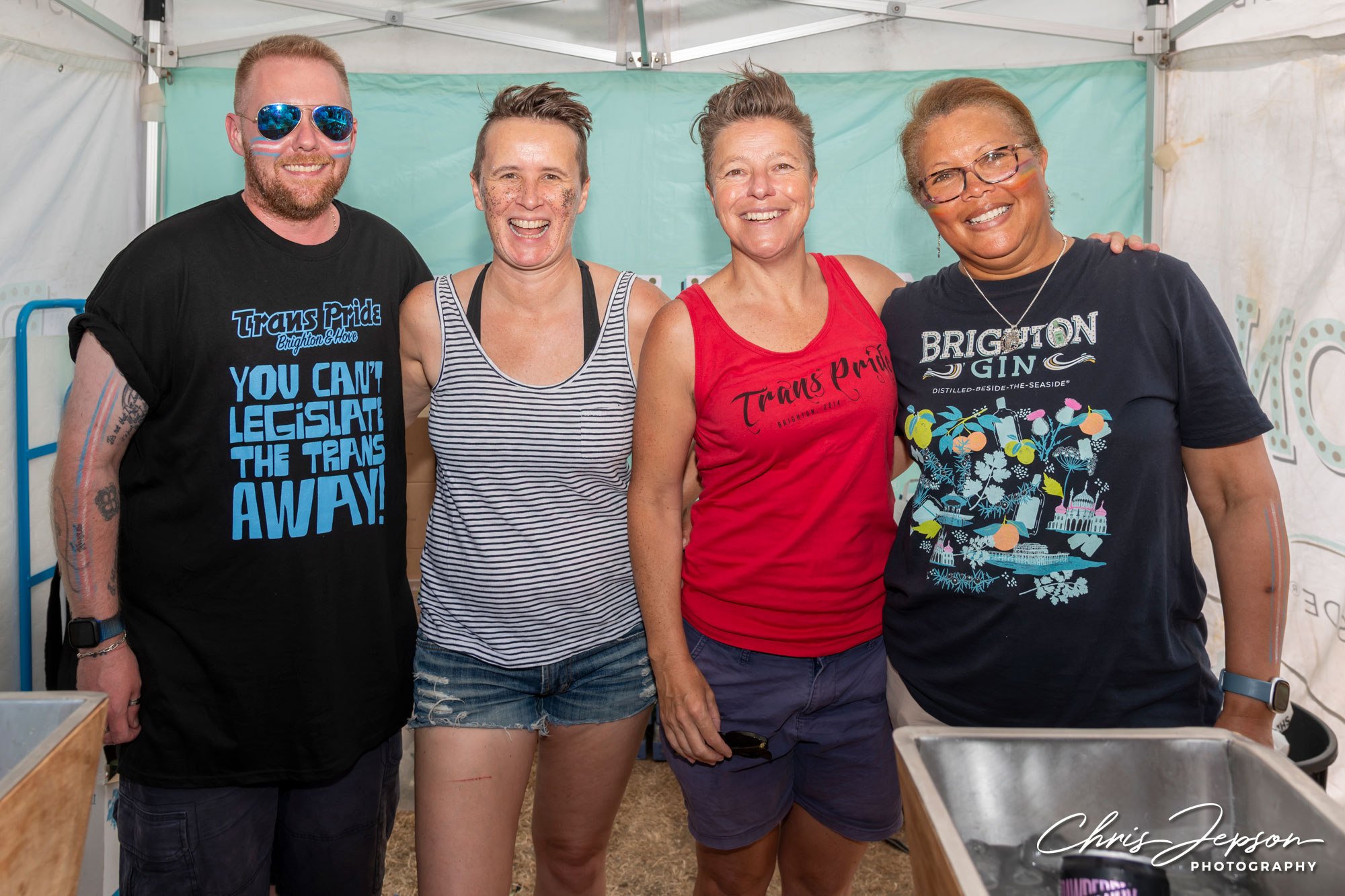
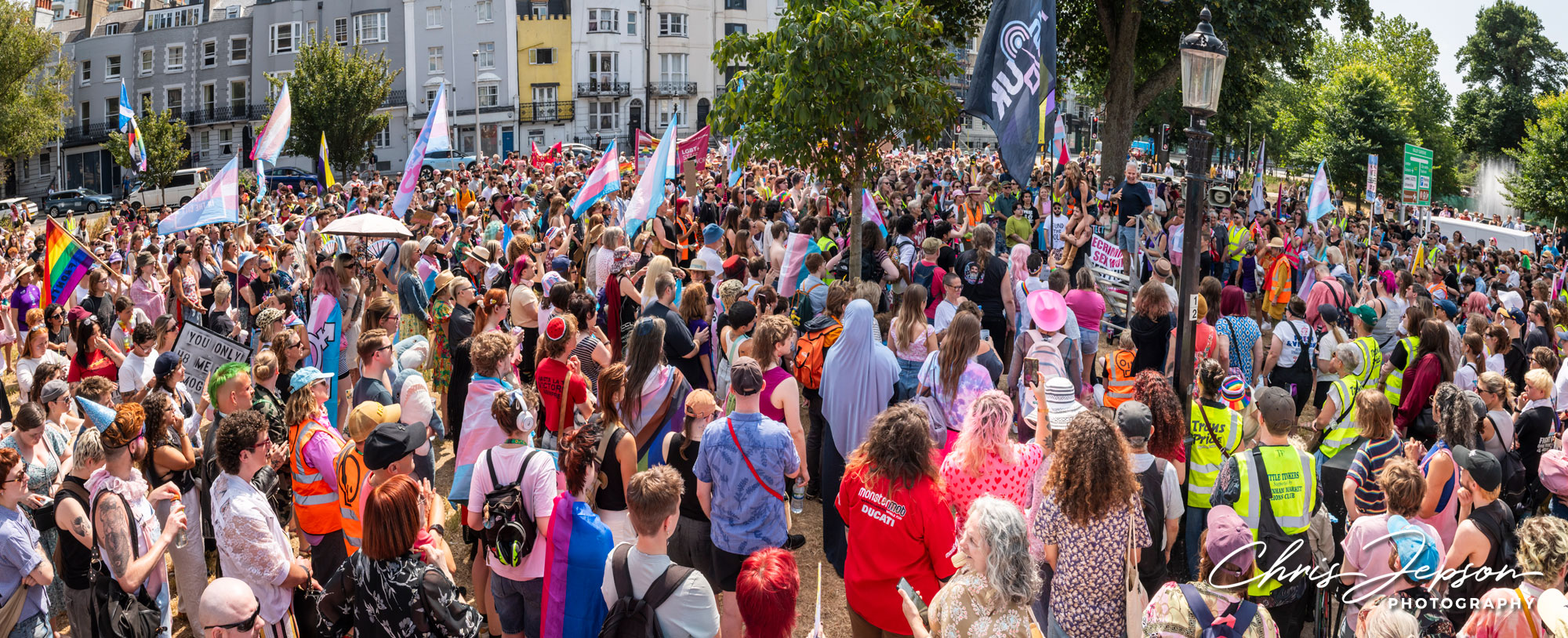
On Saturday 18 July 2026, Brighton did what it’s done every summer since 2013, pandemic years aside: it stopped, gathered and marched for trans liberation.
The day itself
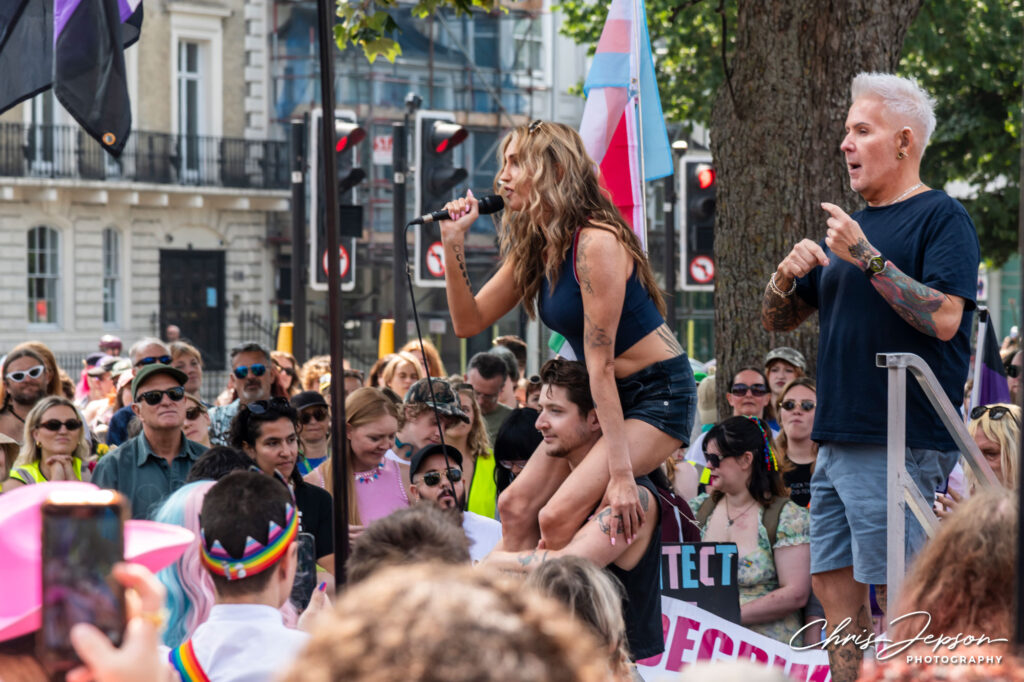
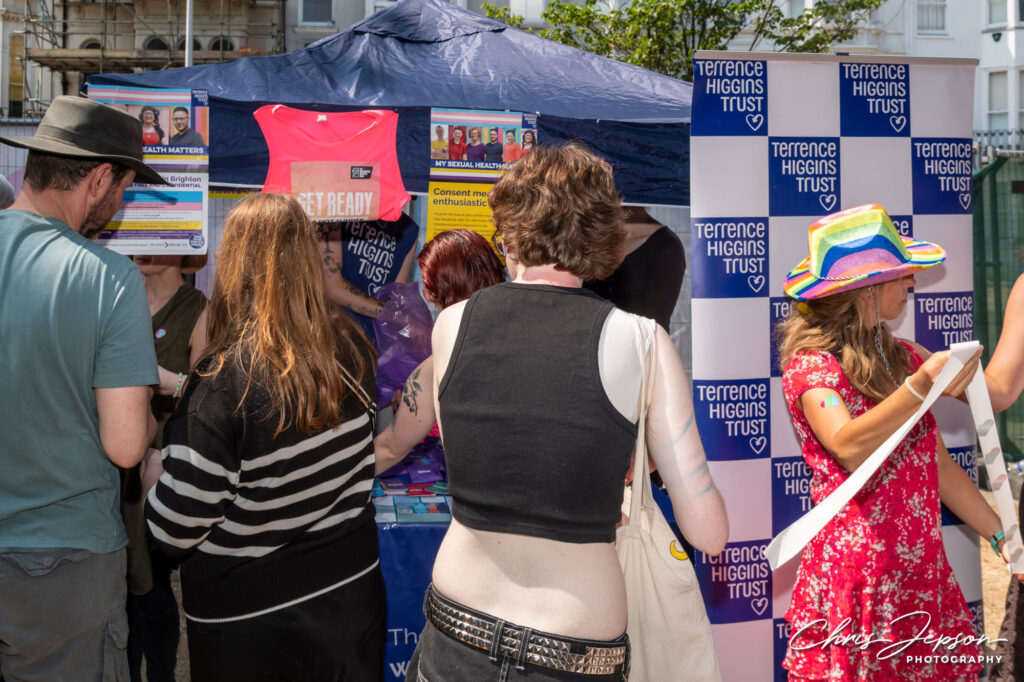
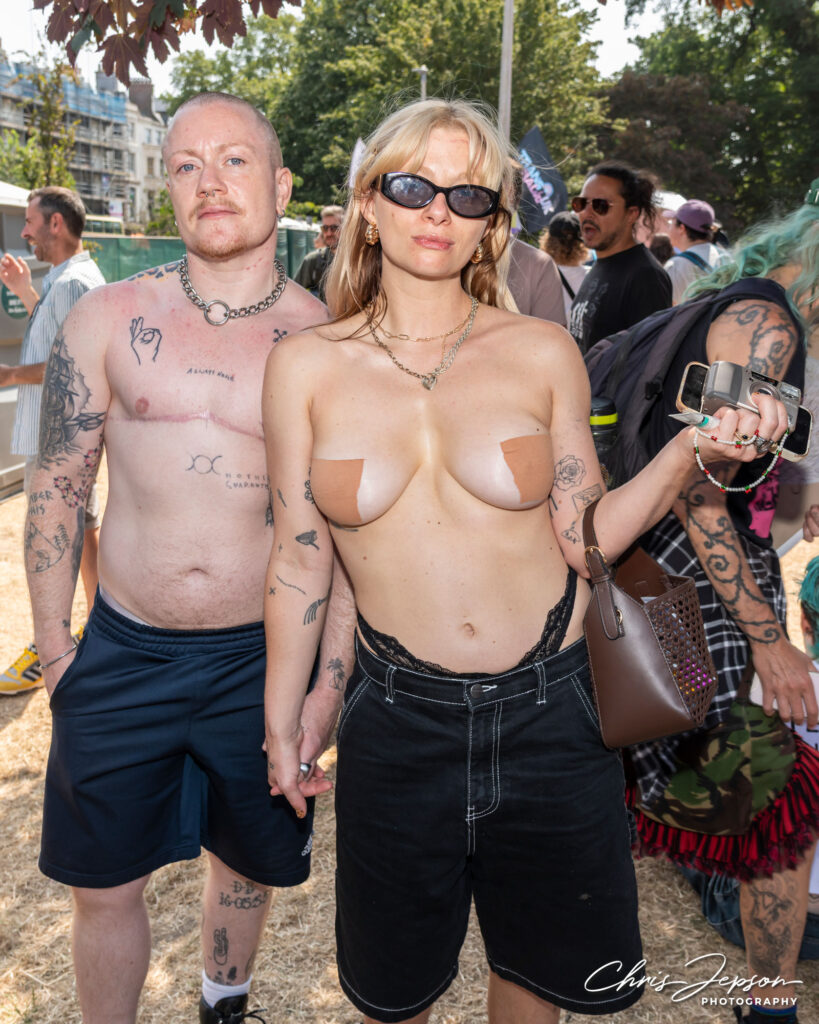
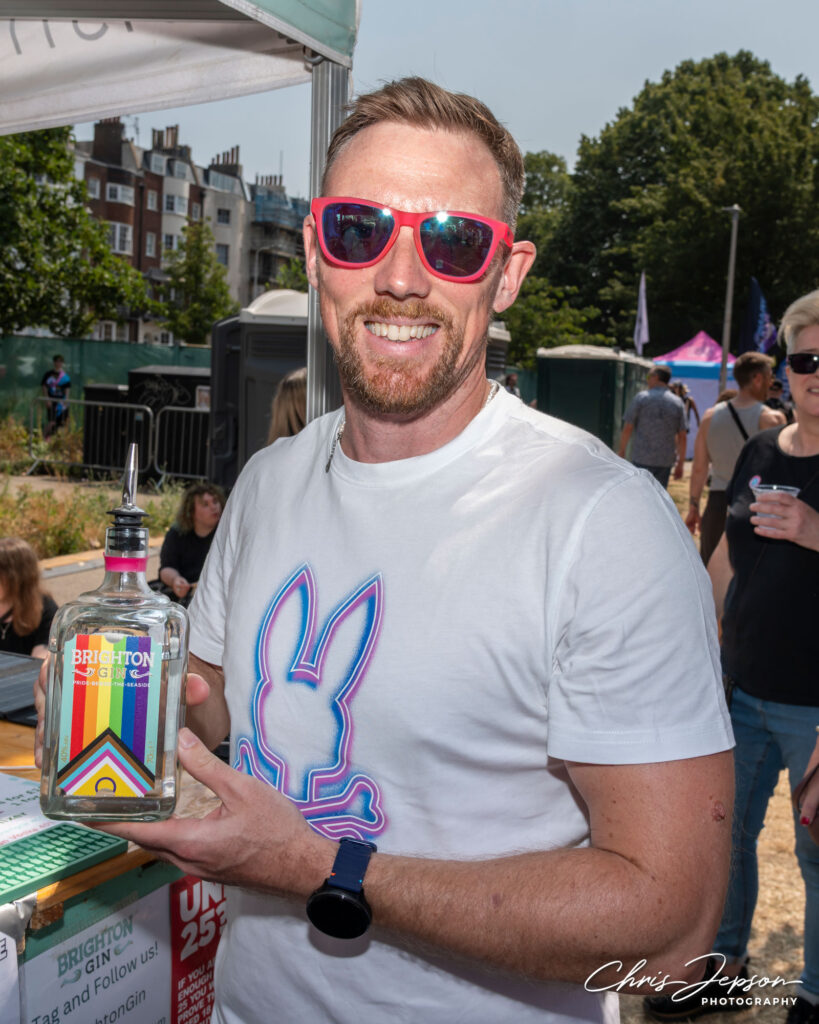
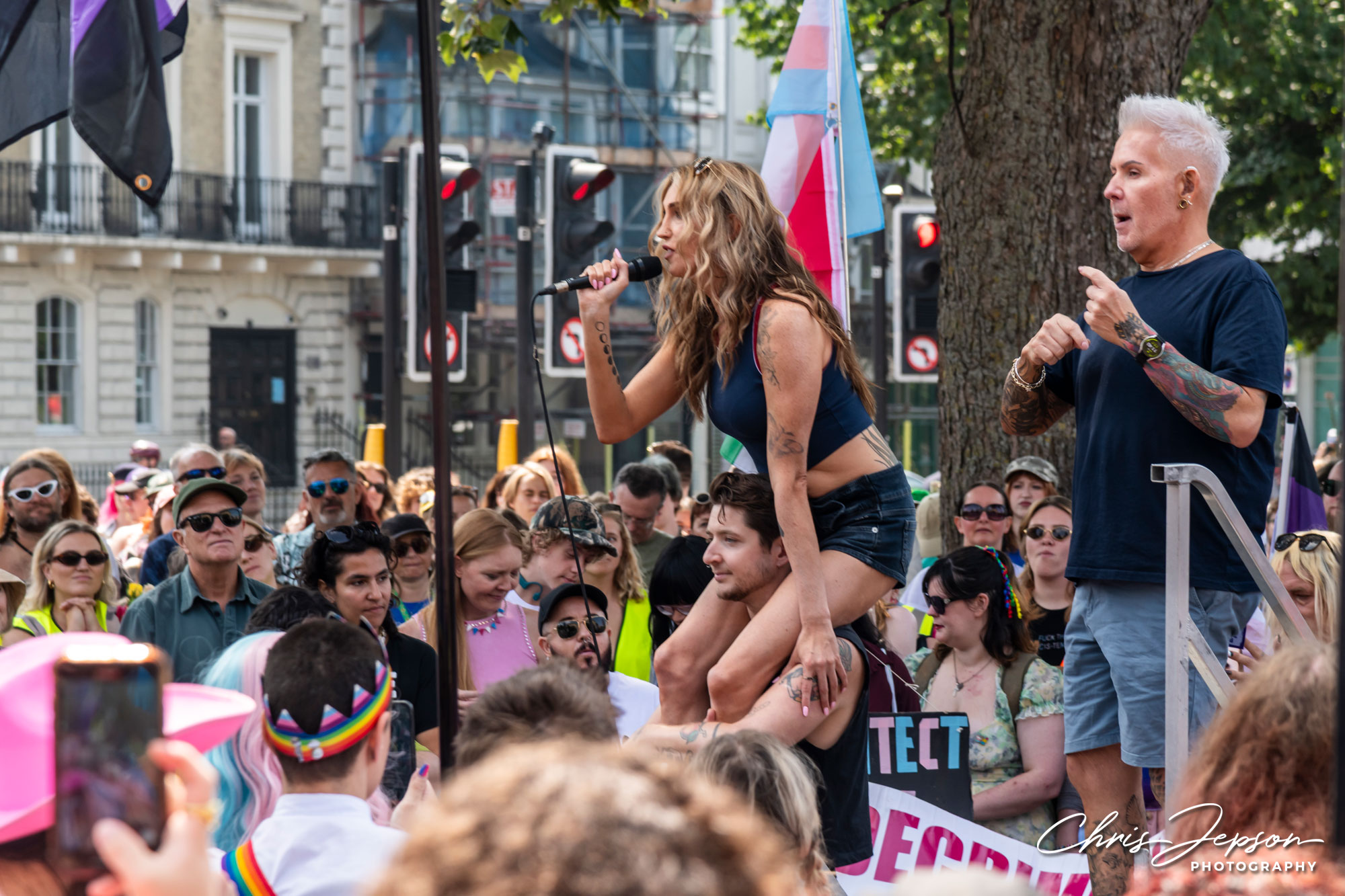
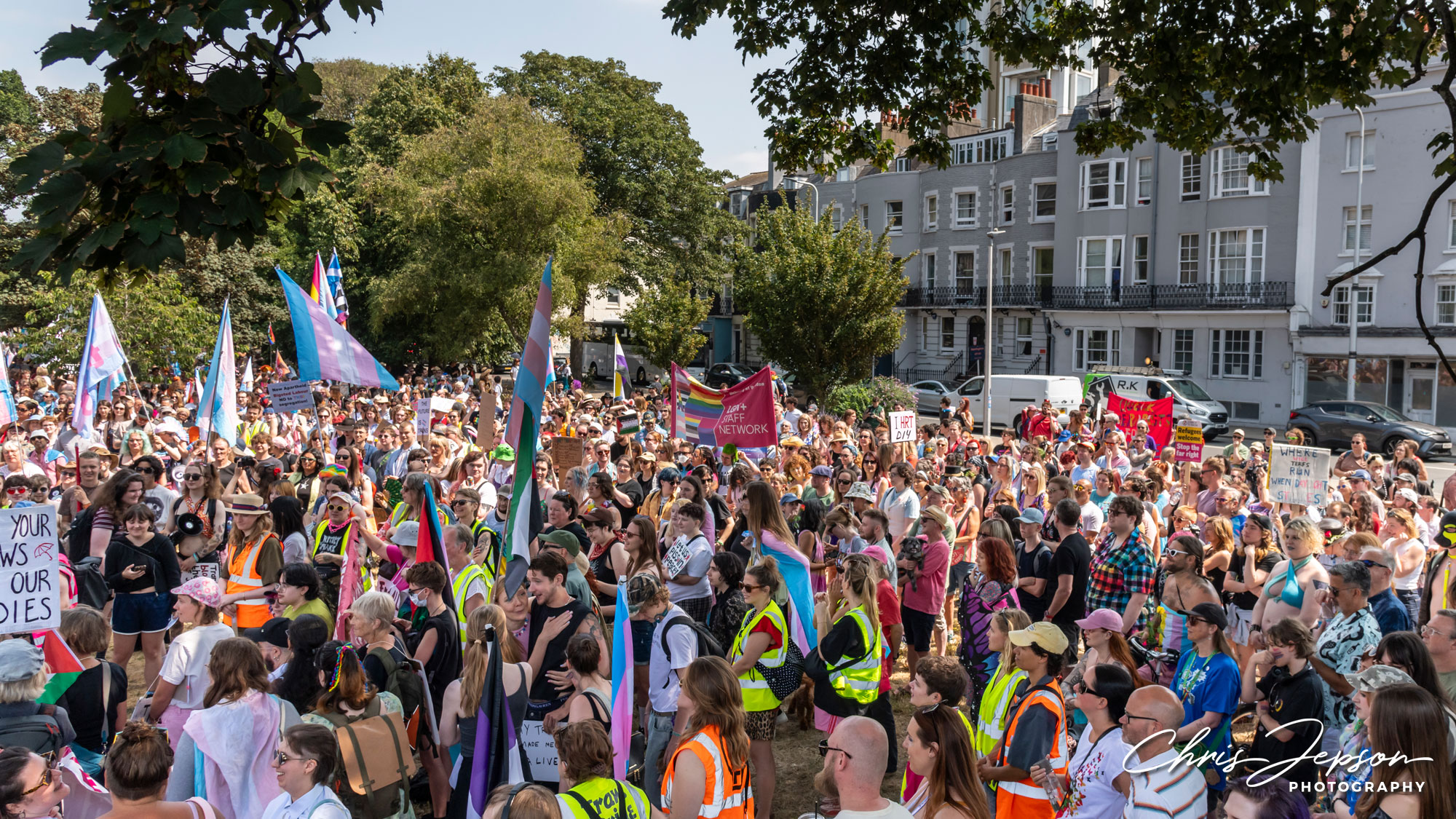
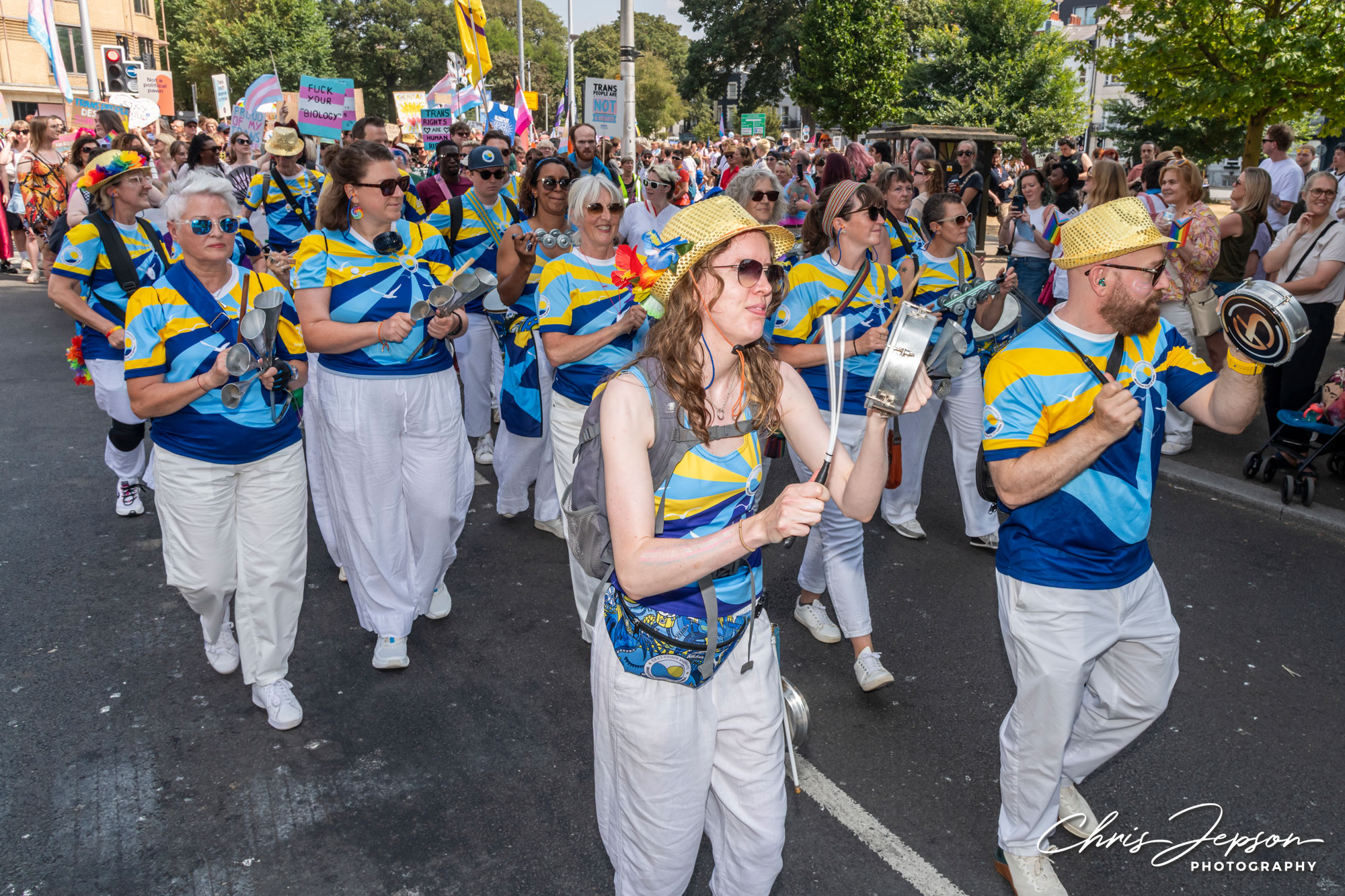
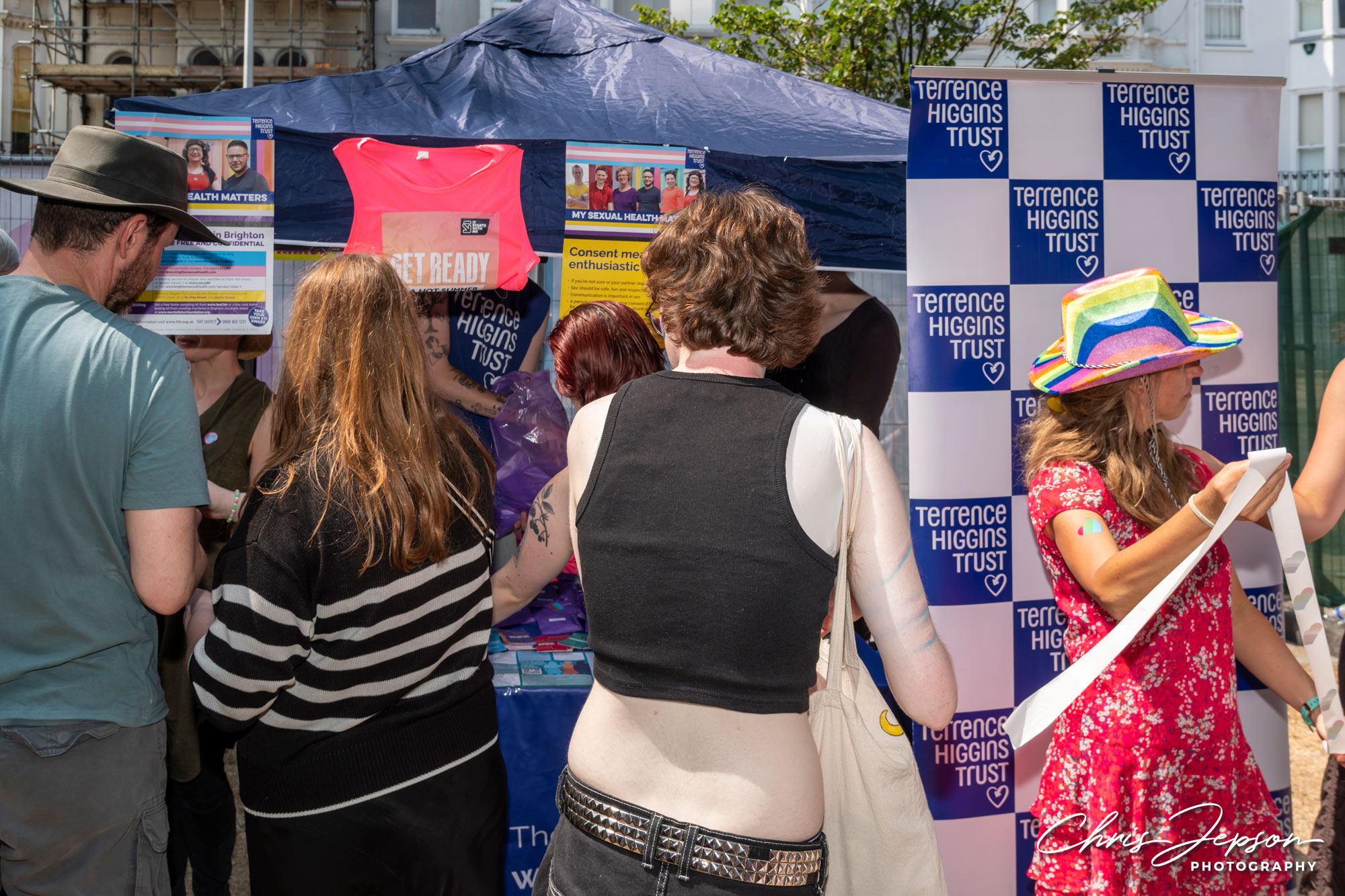
Marchers gathered in Valley Gardens from 11am. Speeches ran from 11.30, and the march set off at midday, moving through the city before spreading out across the Corn Exchange at Brighton Dome, Victoria Gardens and Dorset Gardens. Dorset Gardens held an acoustic stage and community village, the Dome hosted a Makers Market for trans, non-binary and intersex creators, and Victoria Gardens carried the band stage and more stalls.
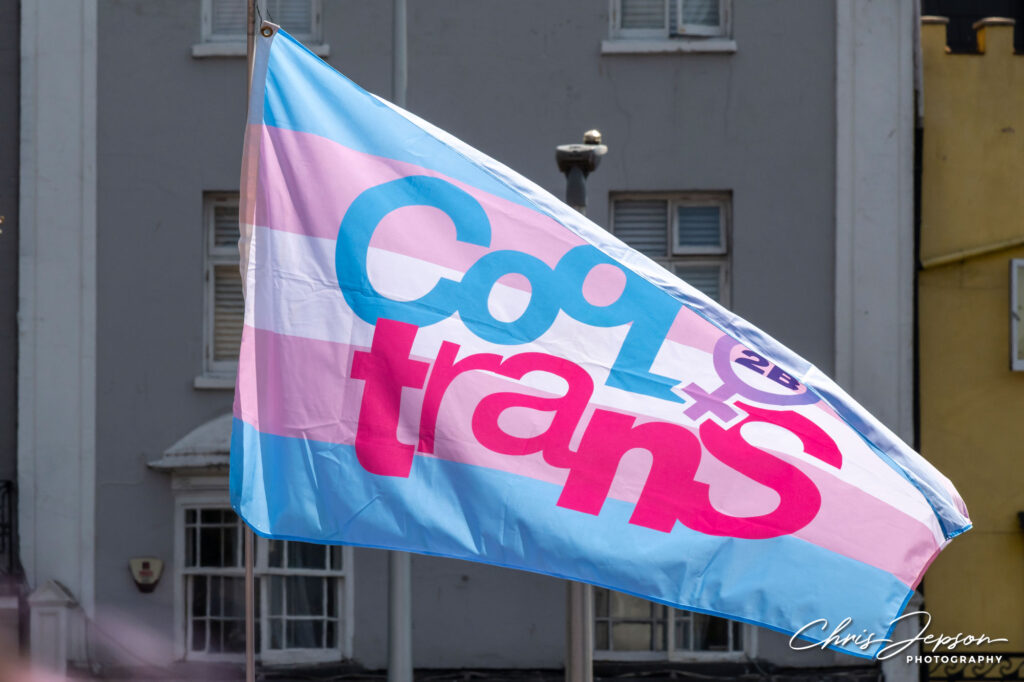
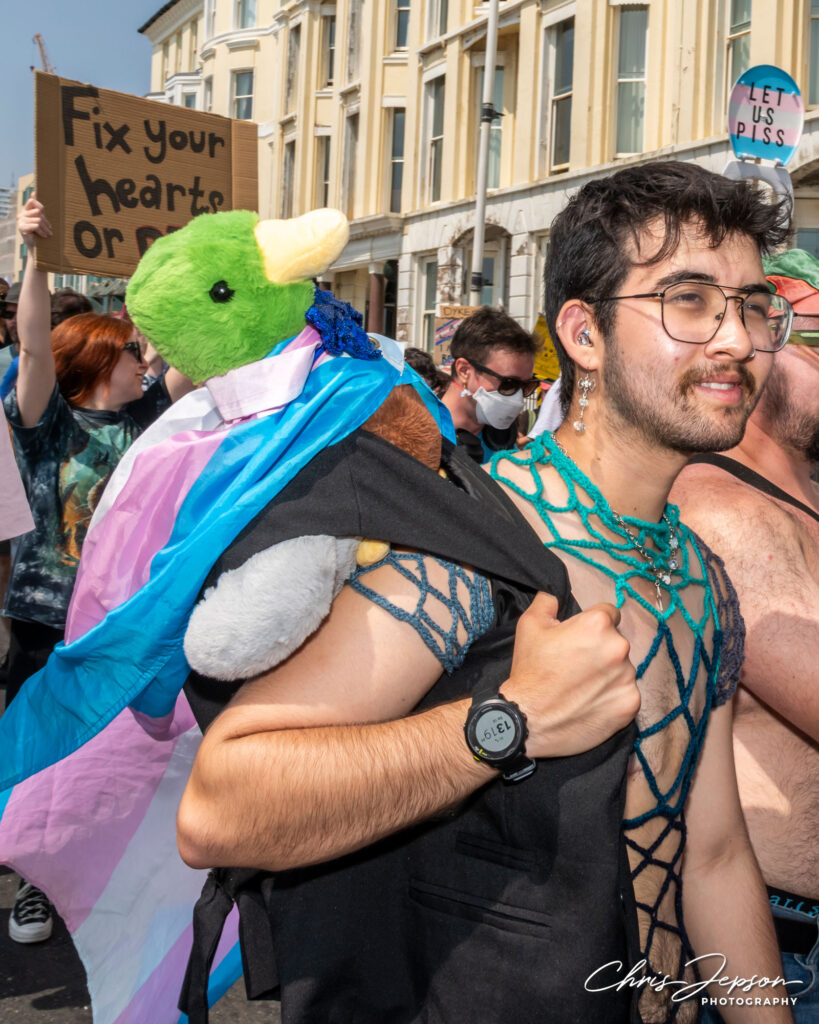
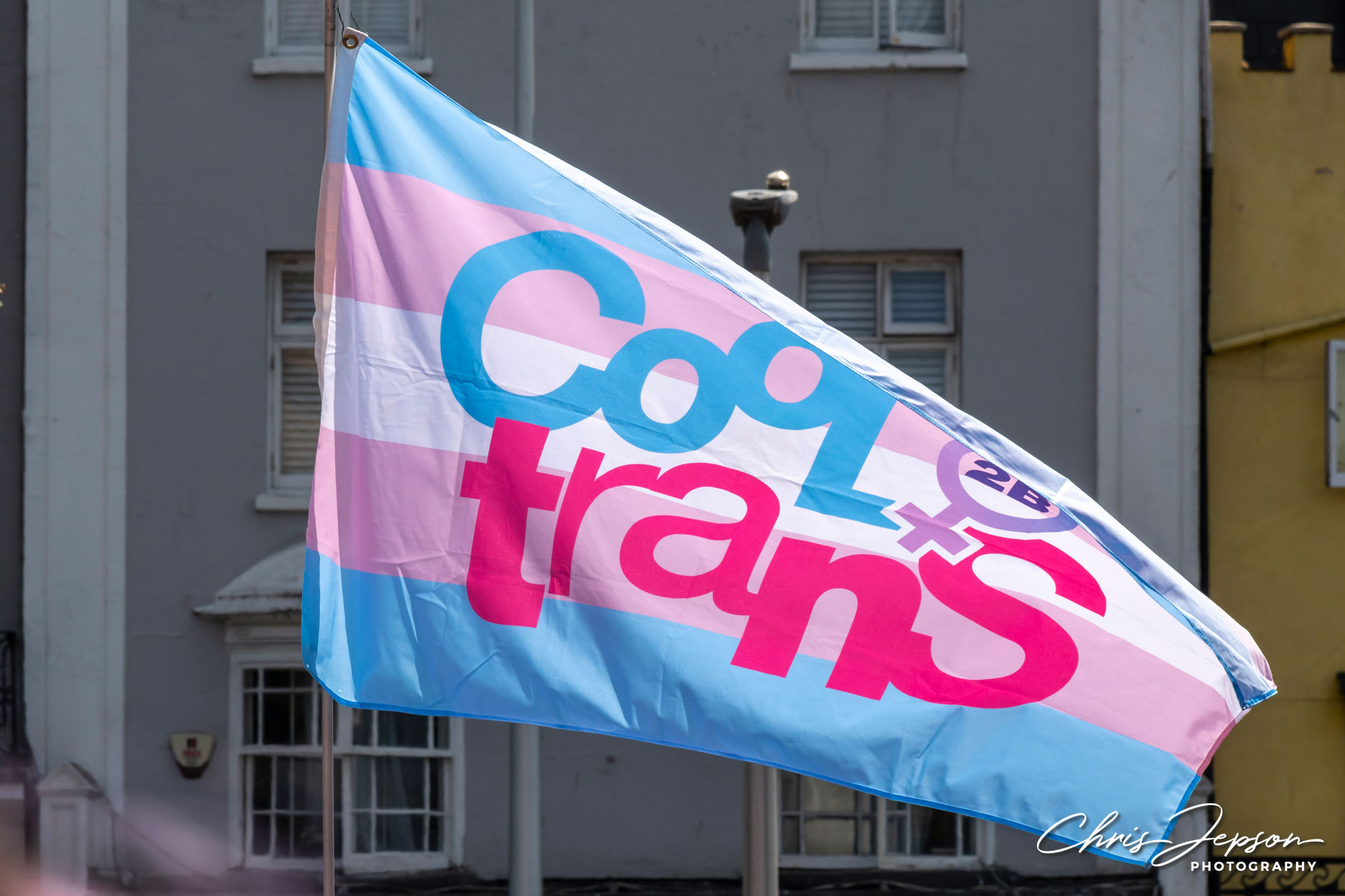
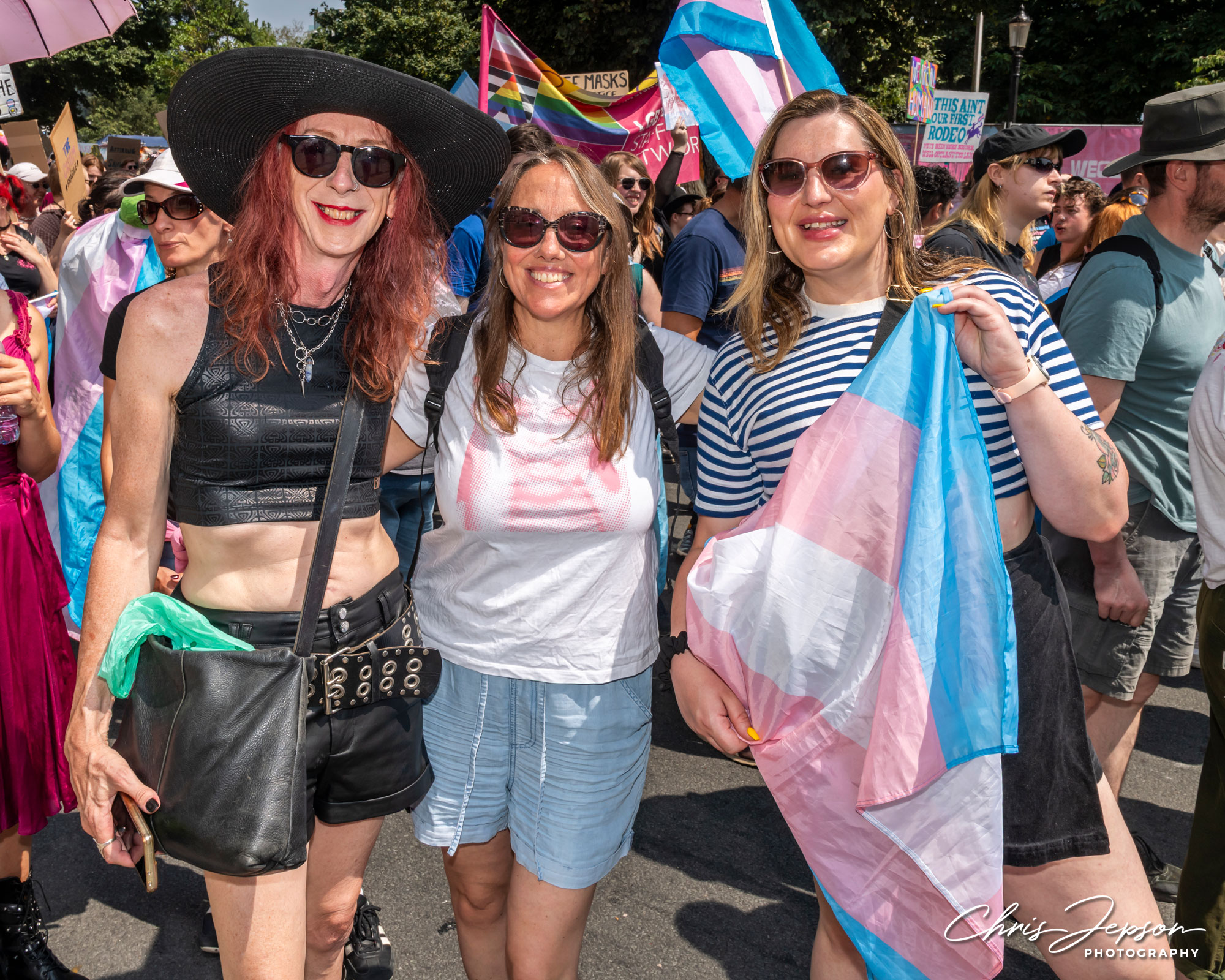
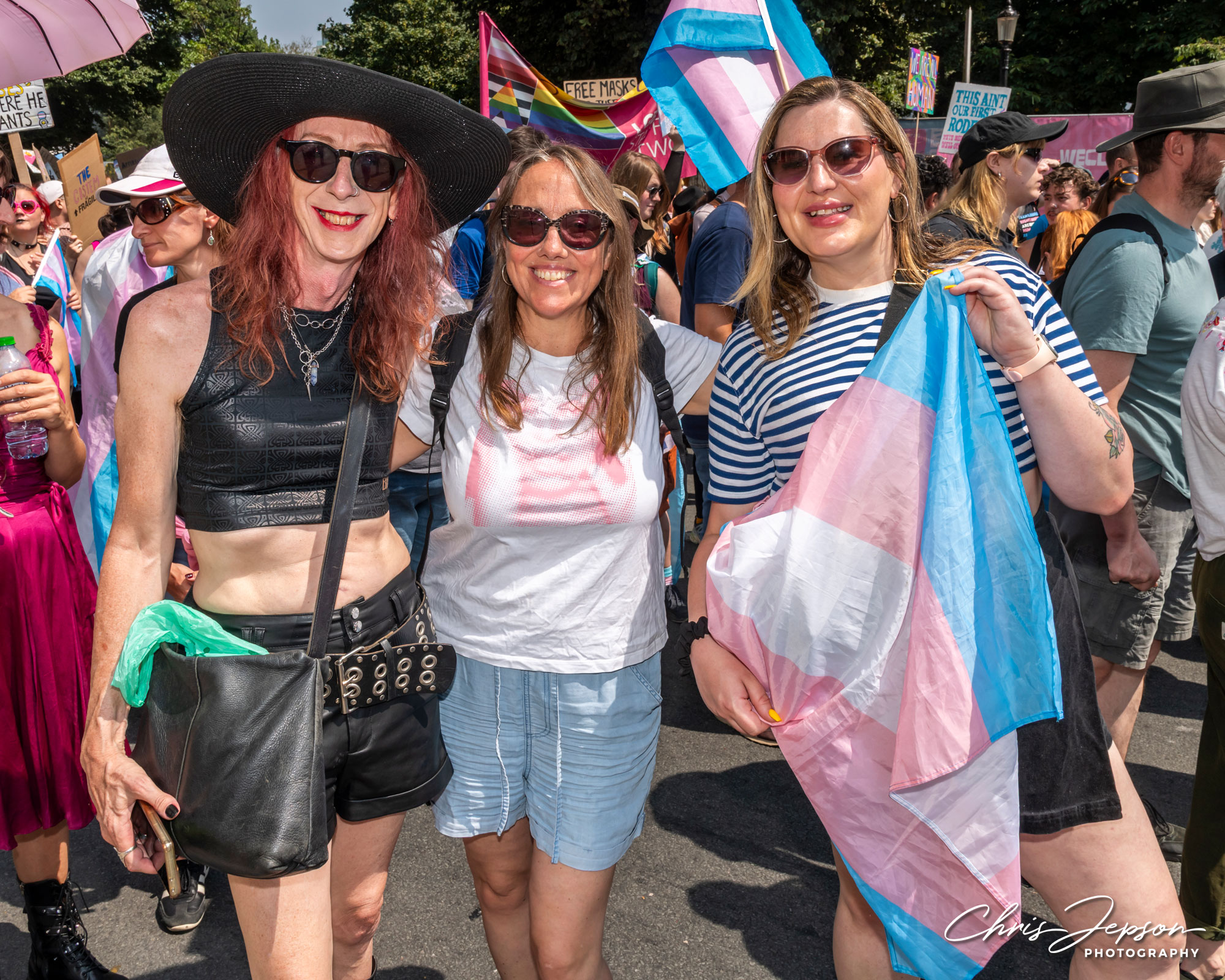
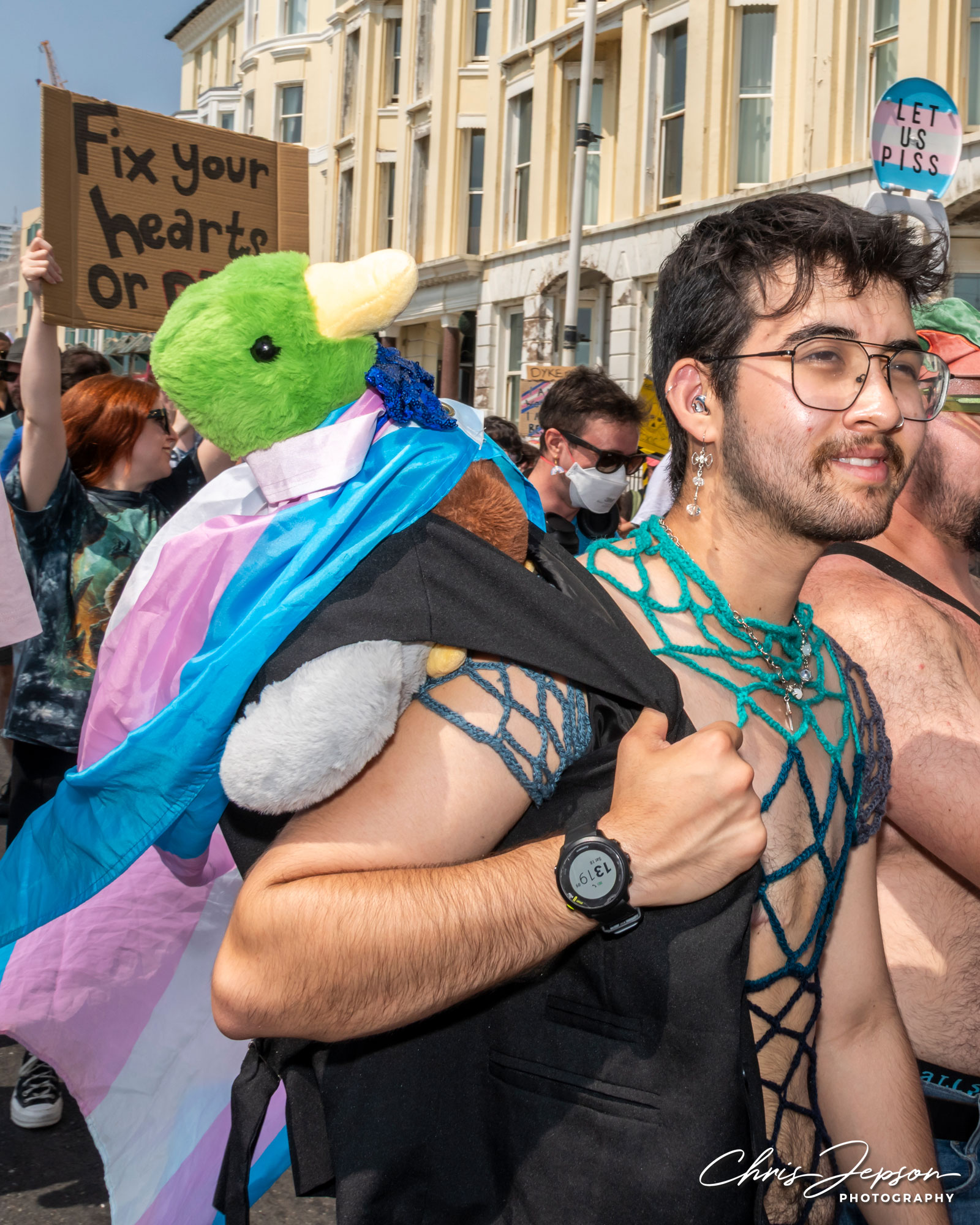
Brighton & Hove City Council flew trans flags from the town halls over the weekend, a visible bit of civic backing for an event that started as a grassroots march and has grown into one of the largest Trans Pride events in Europe.
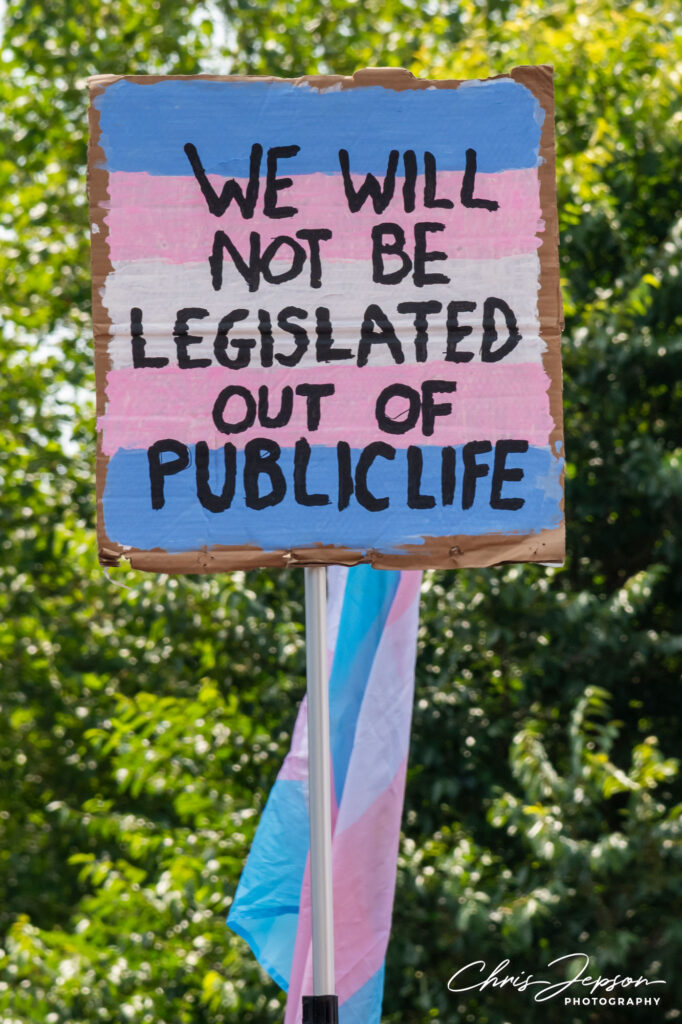
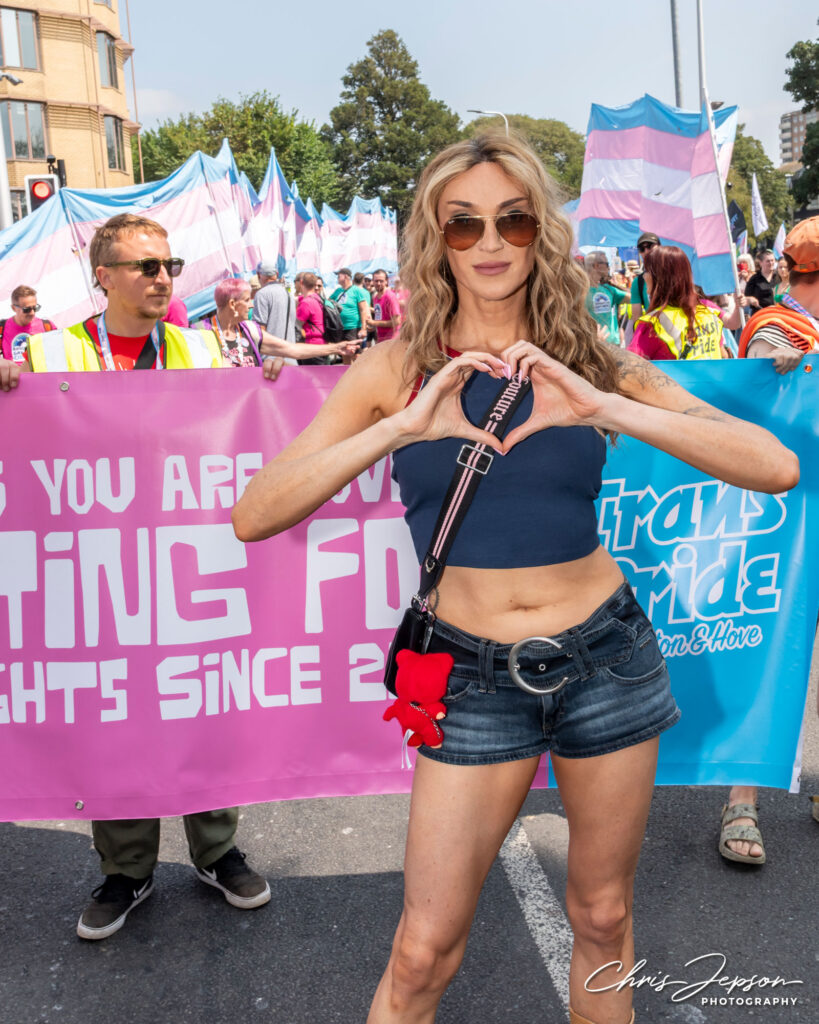
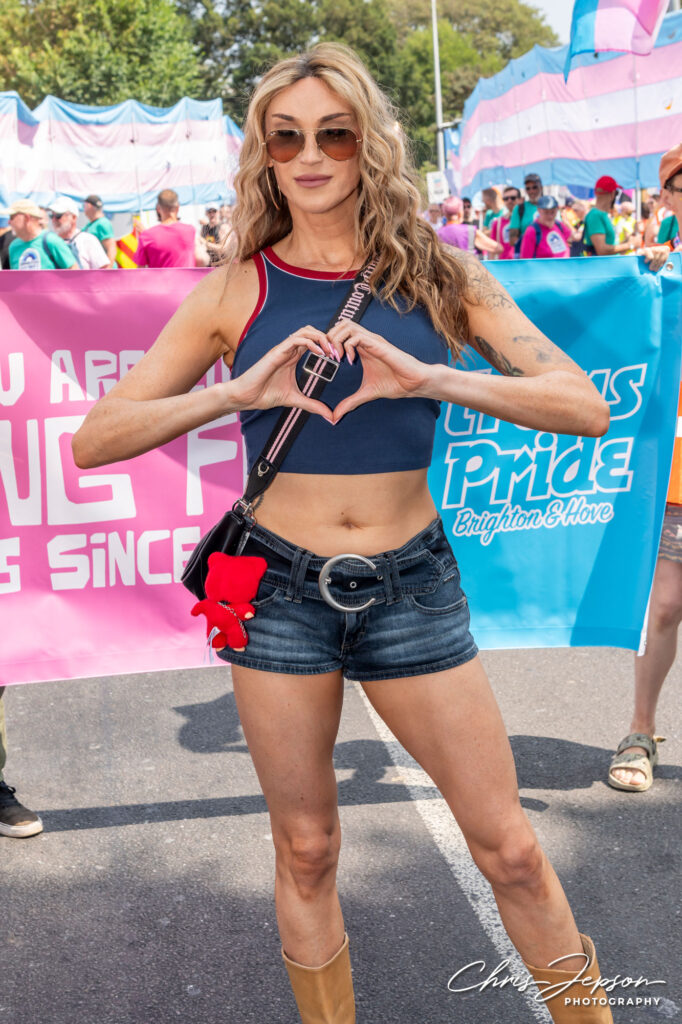
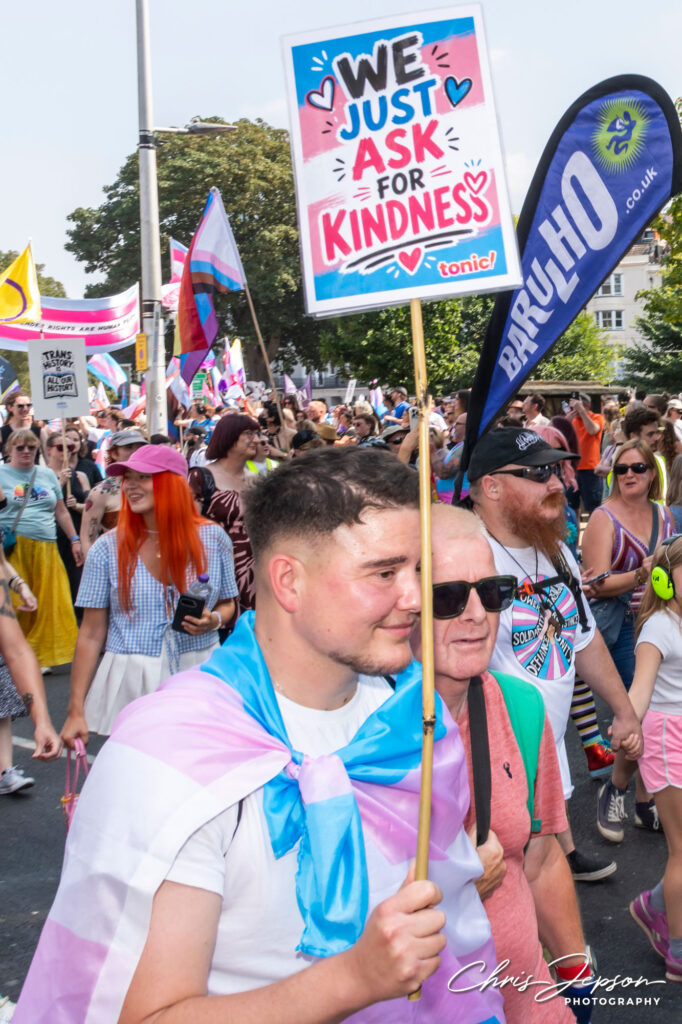
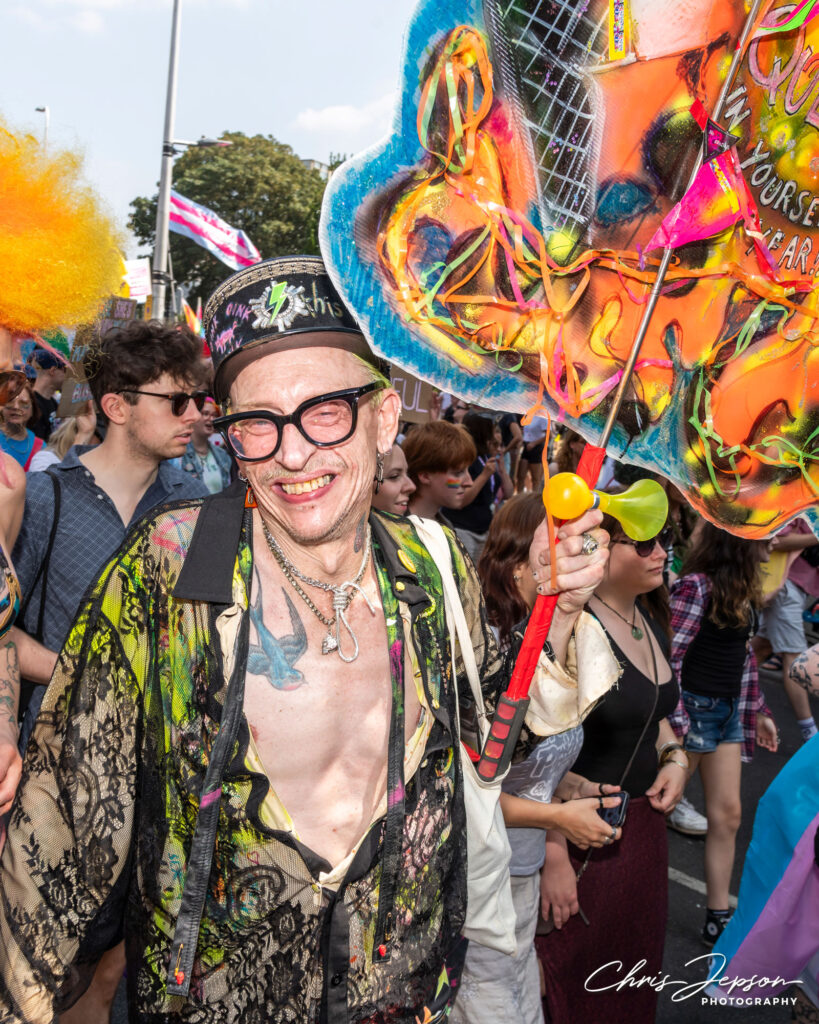
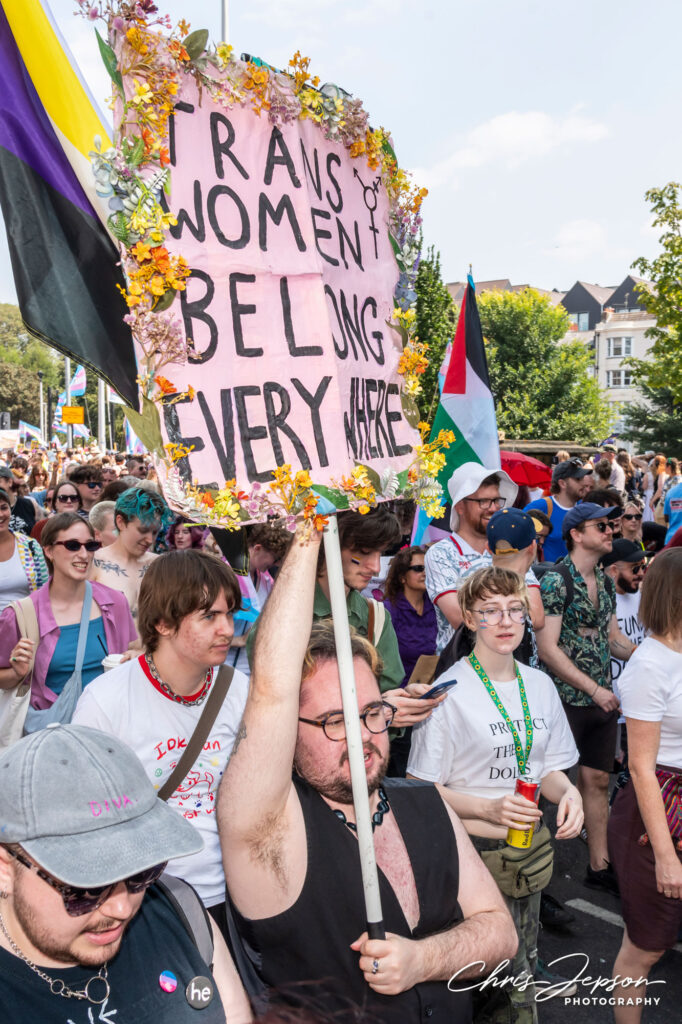
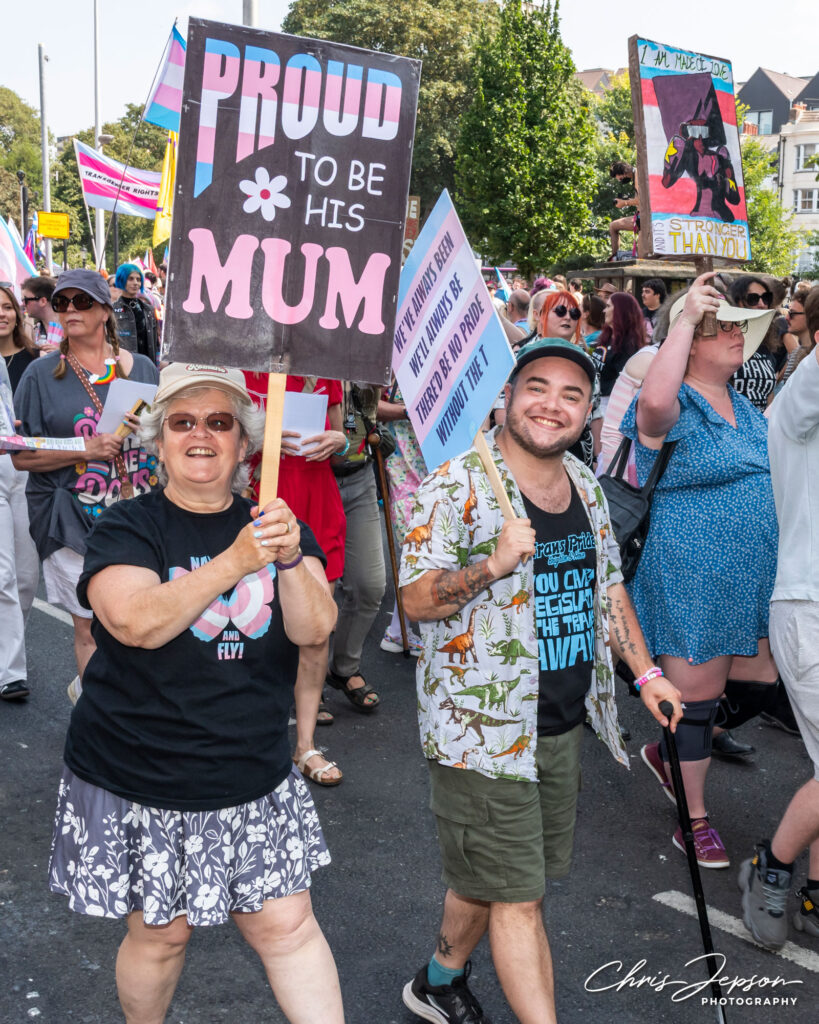
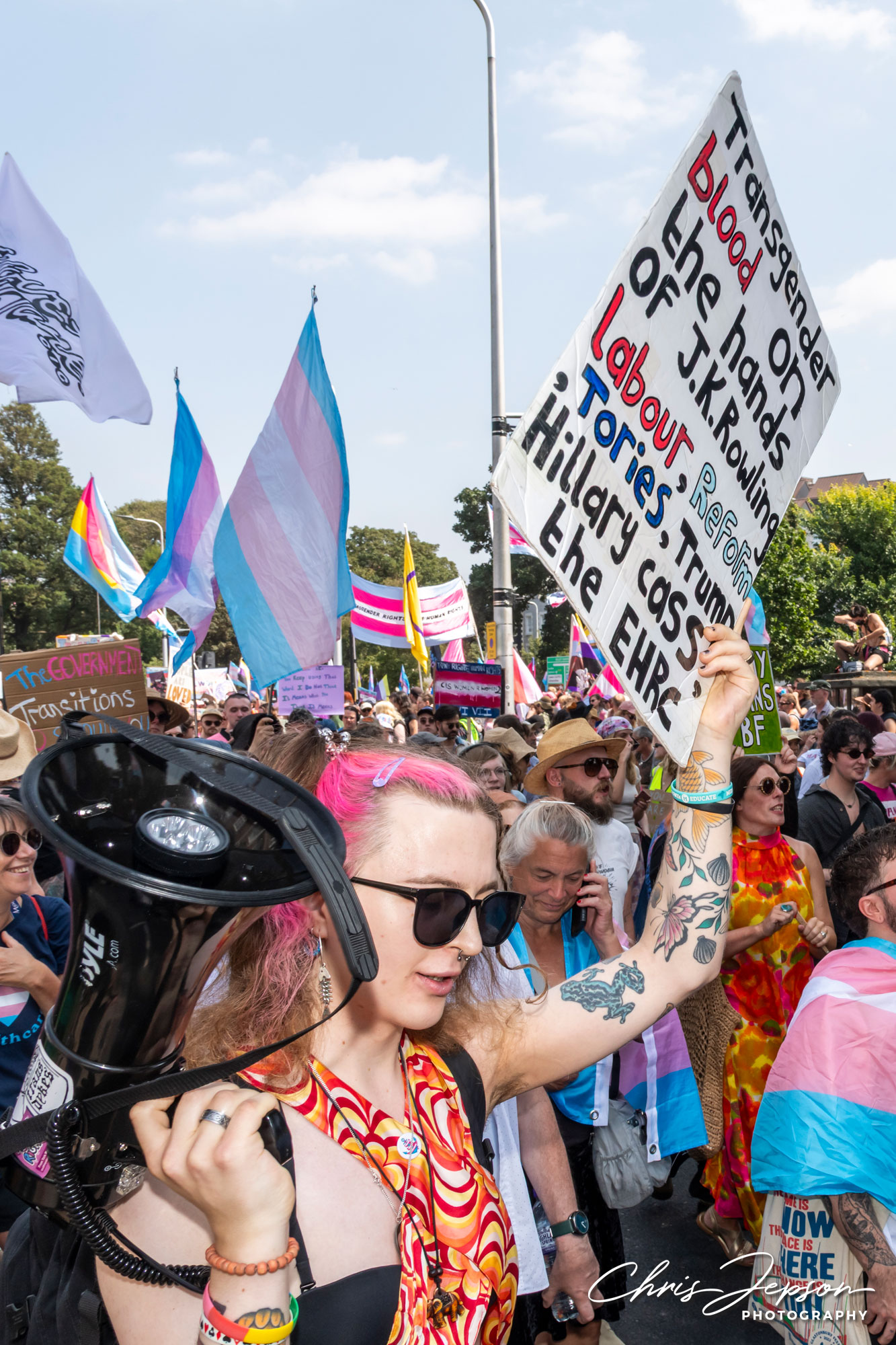
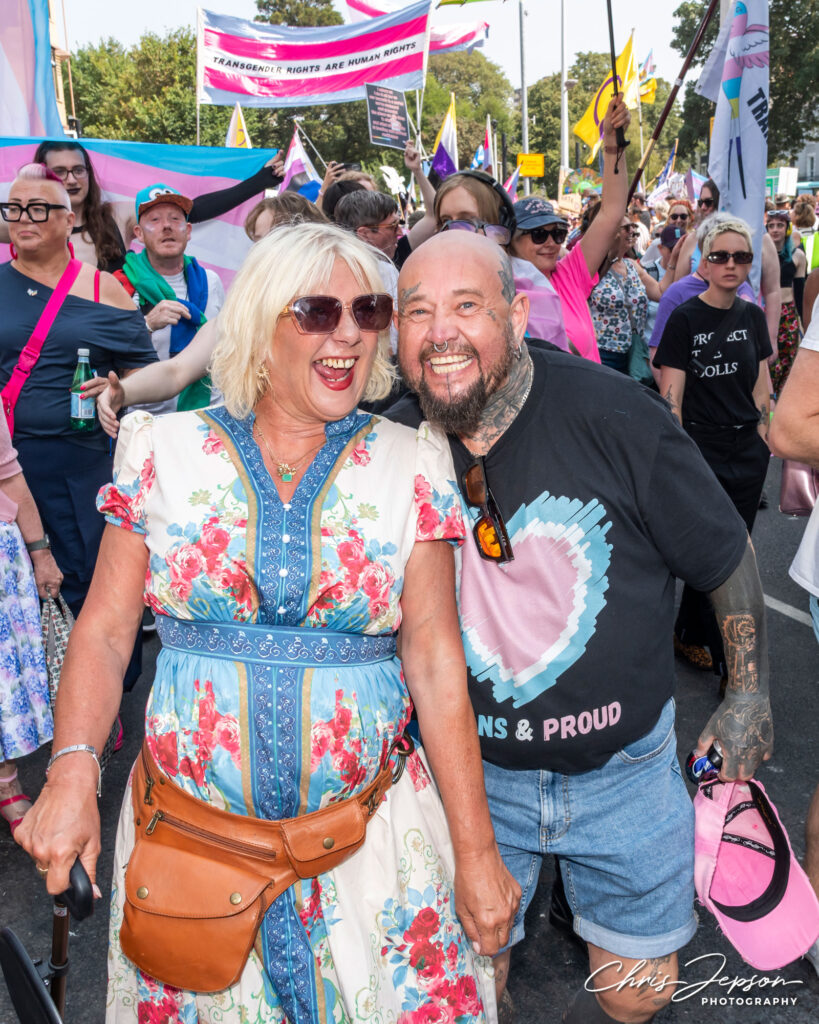
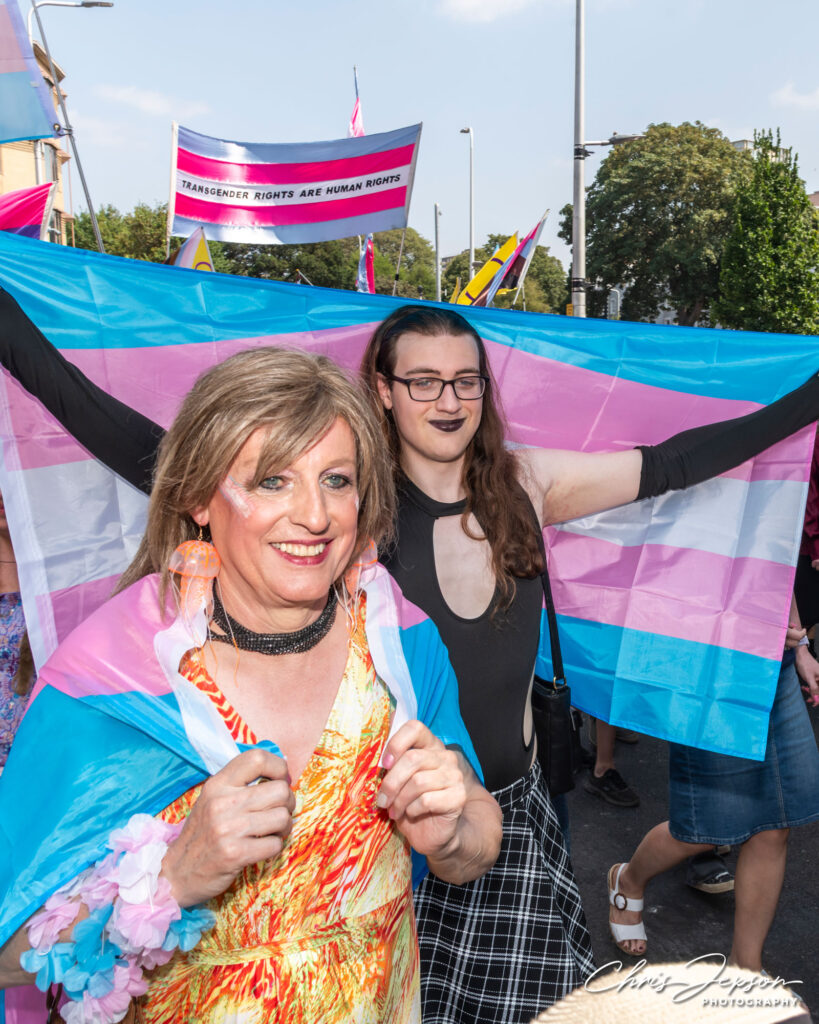
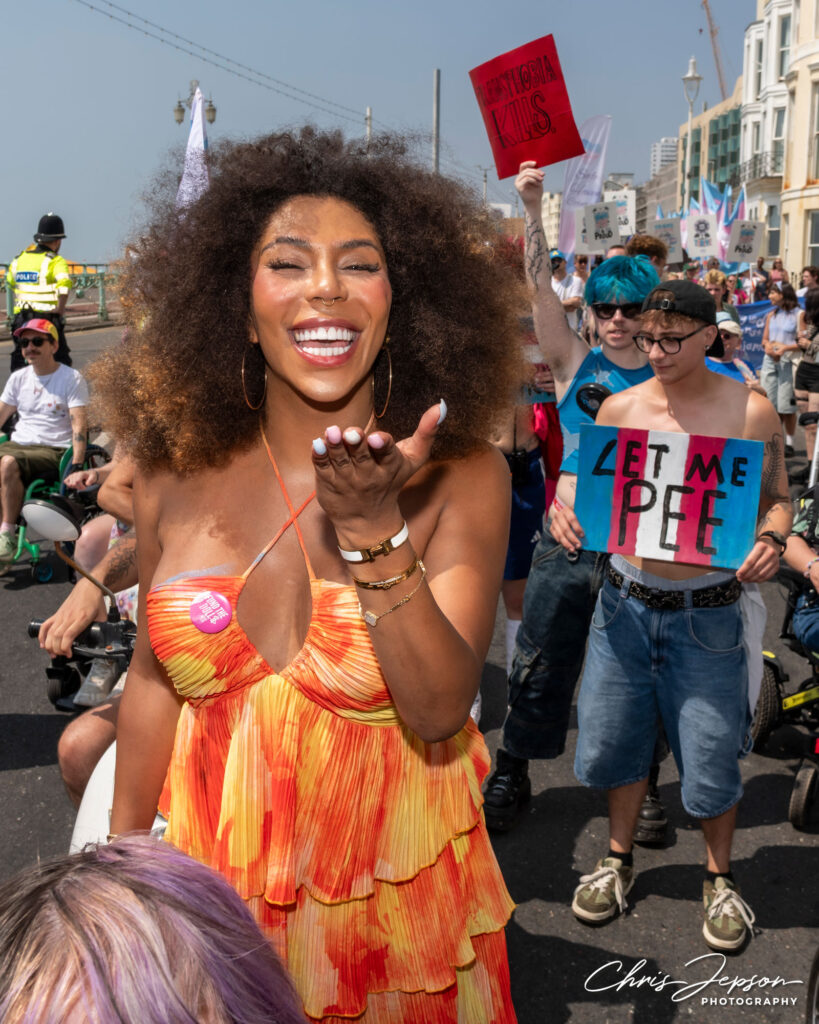
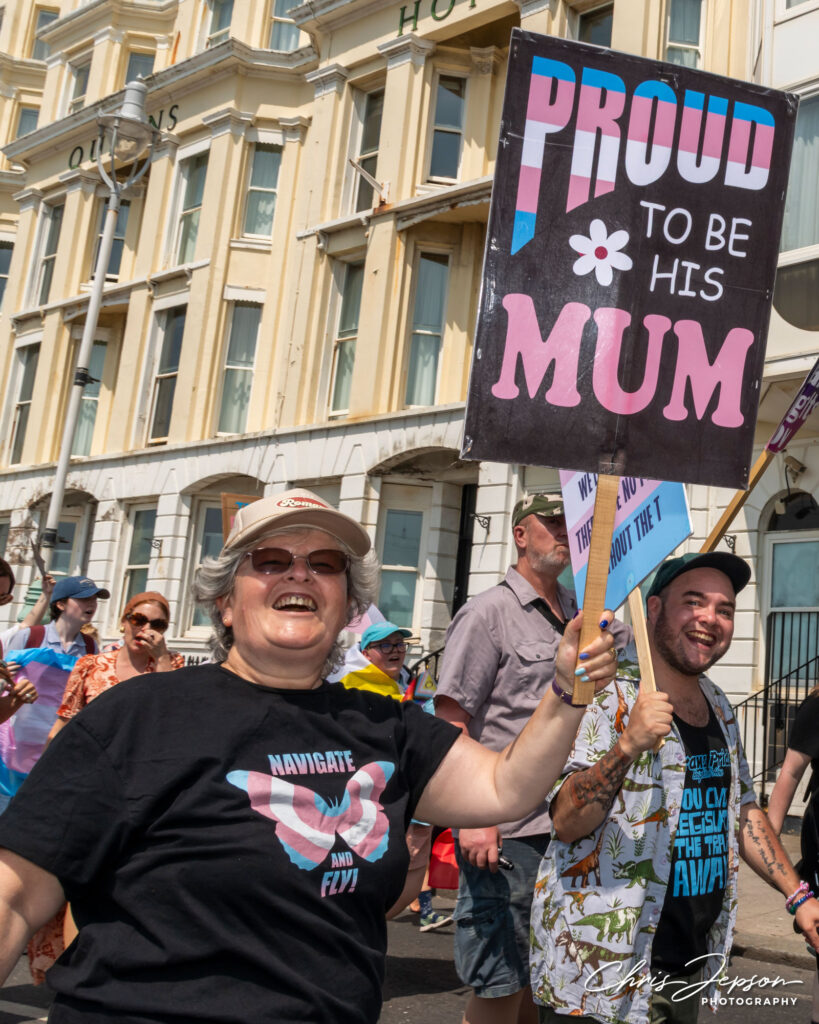
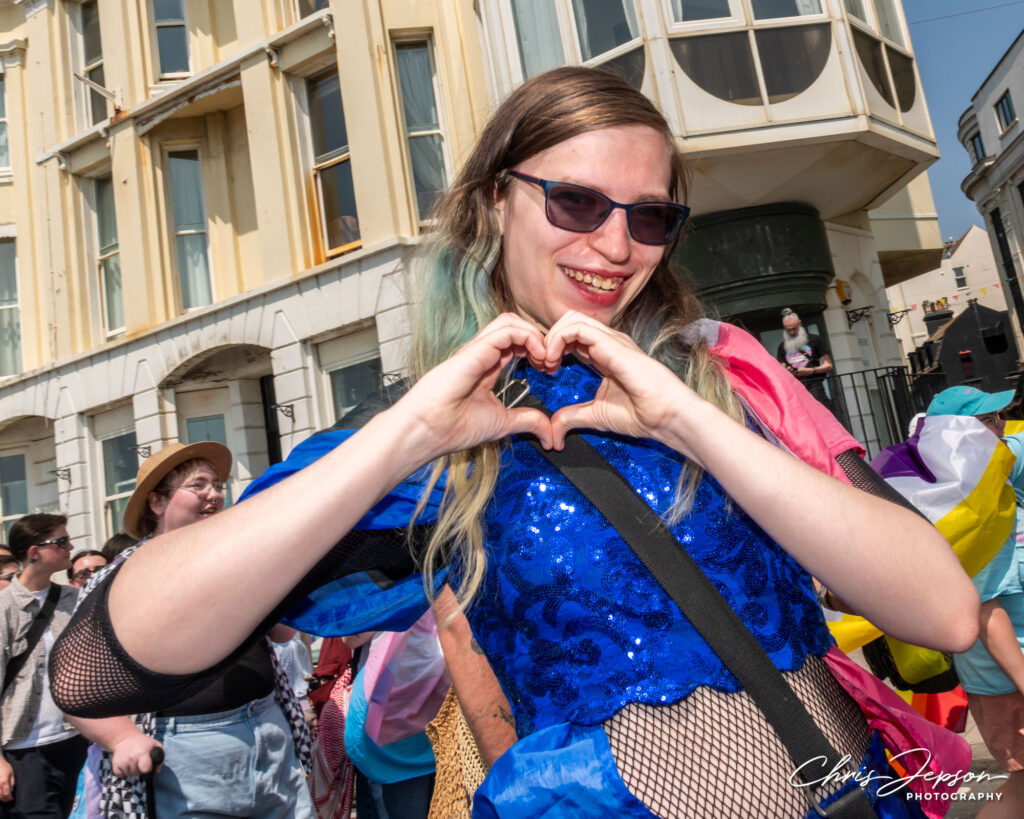
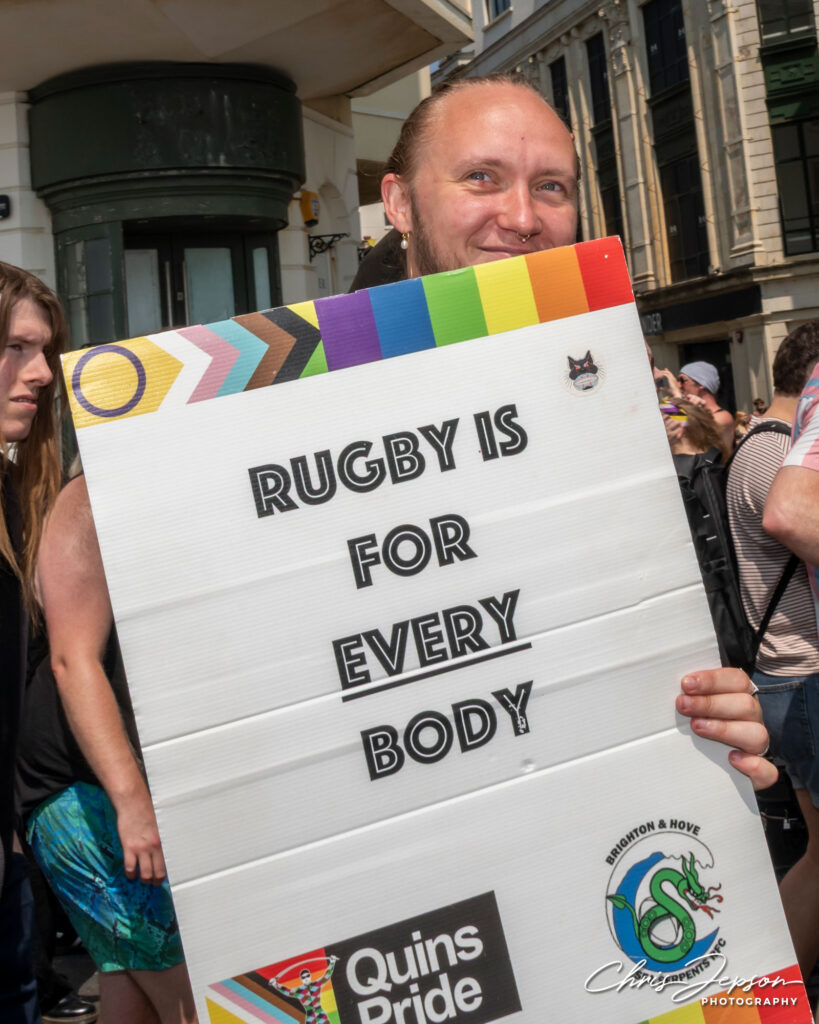
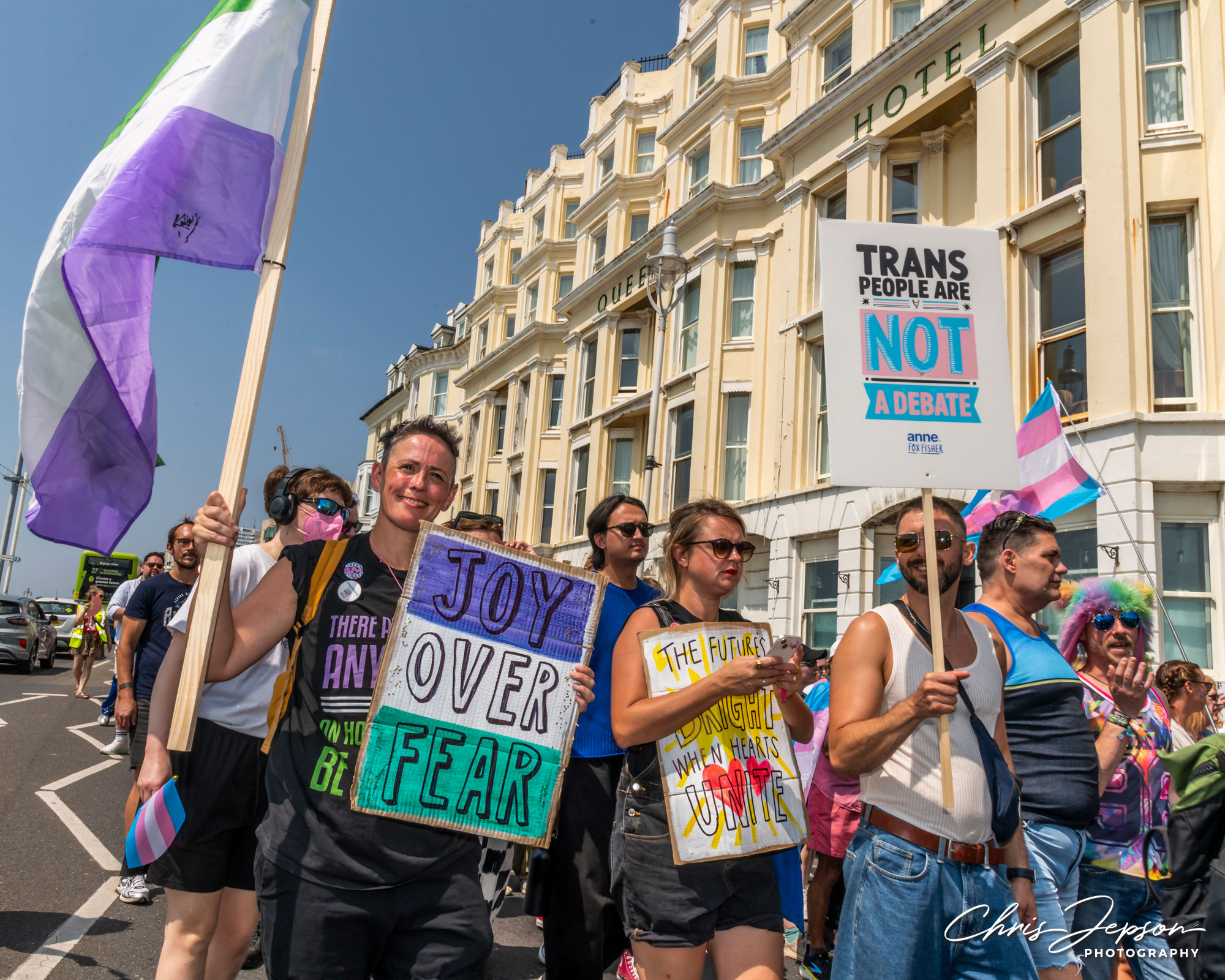
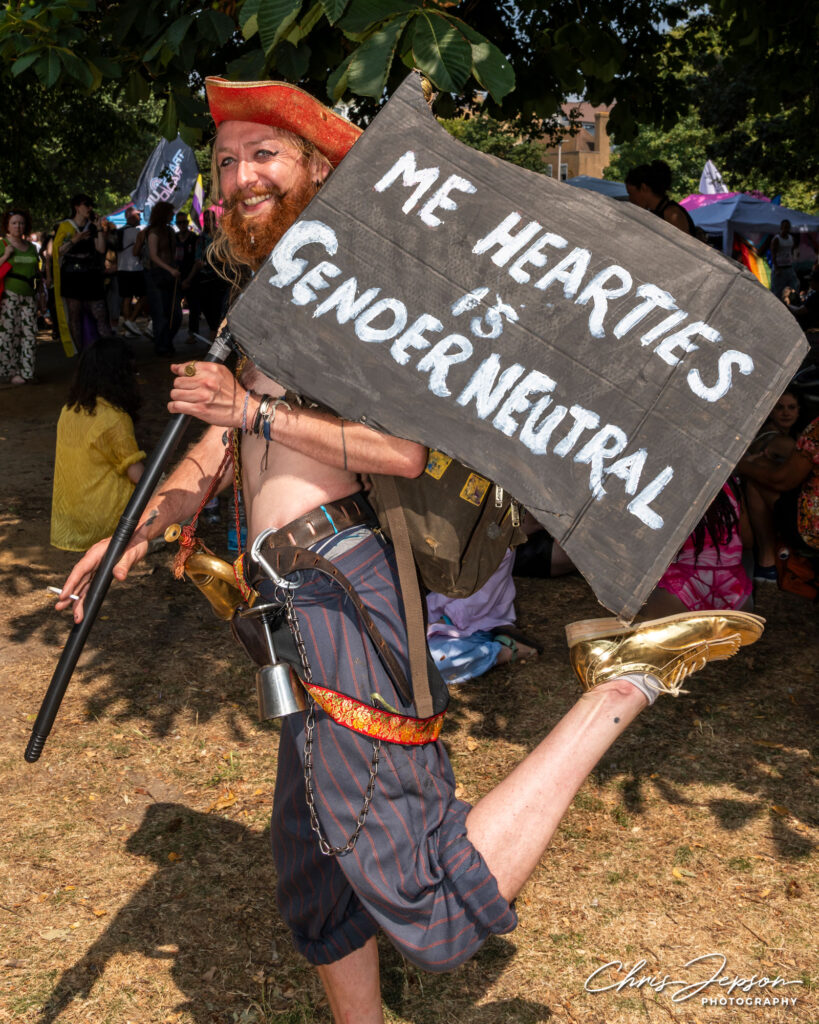
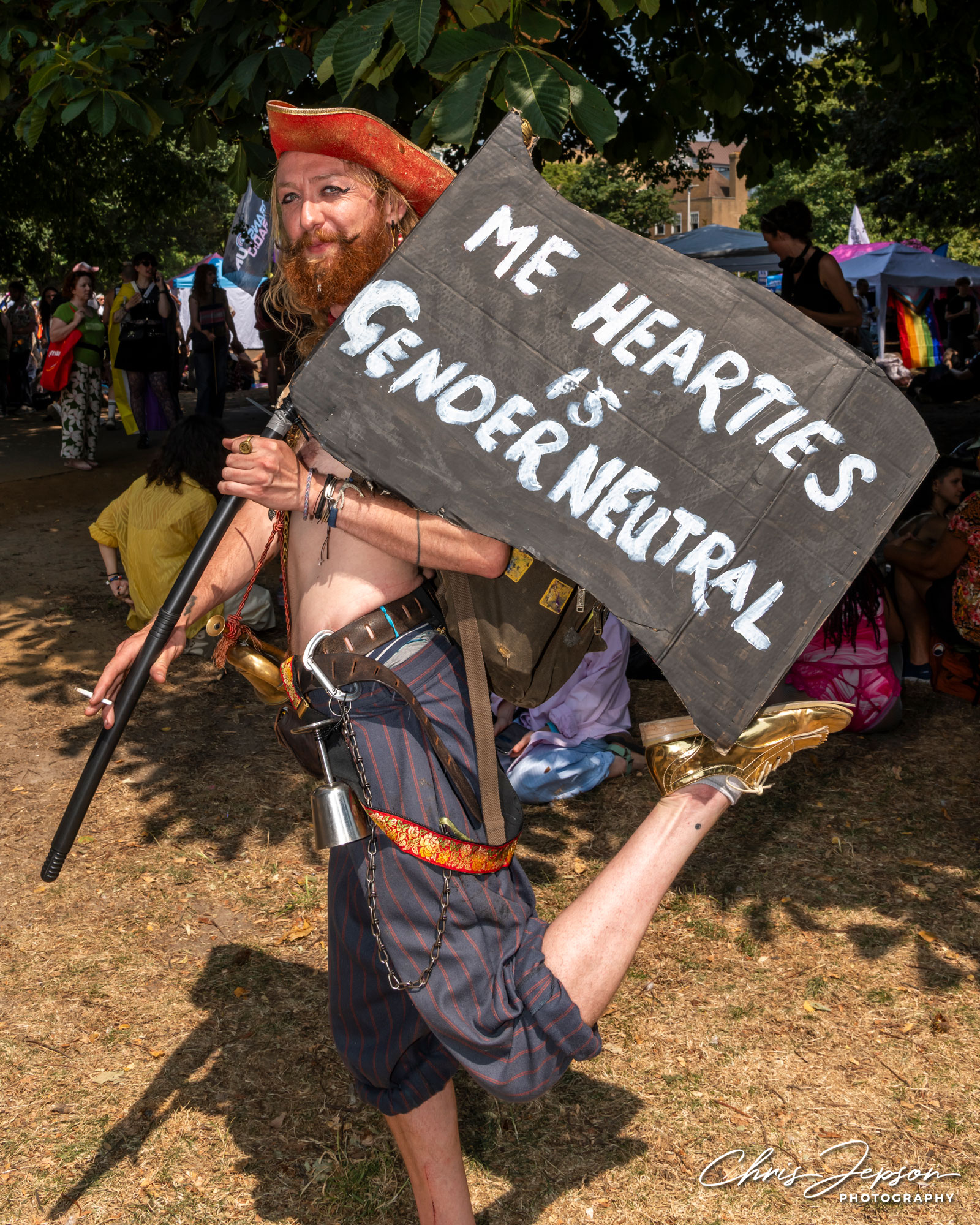
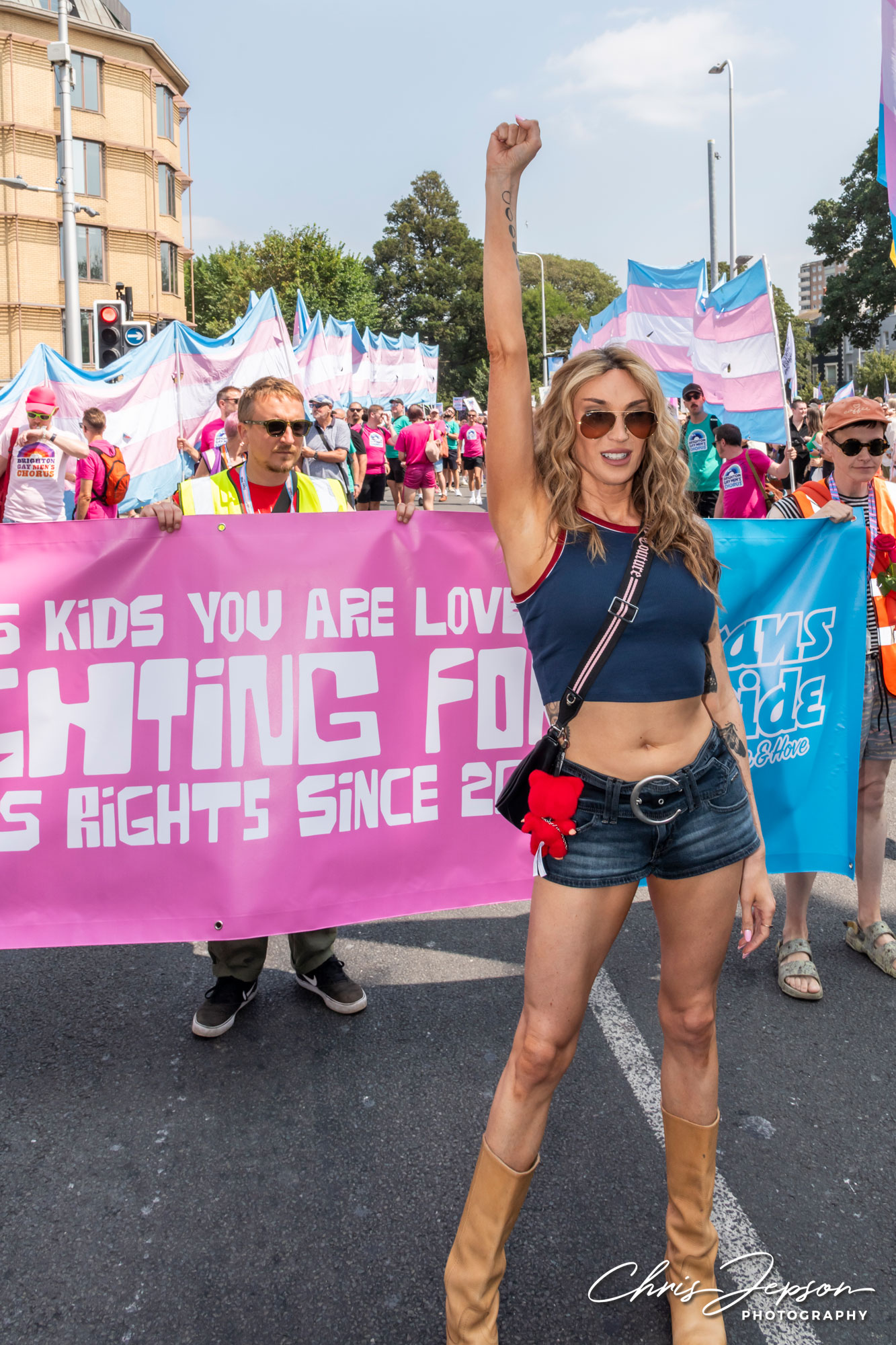
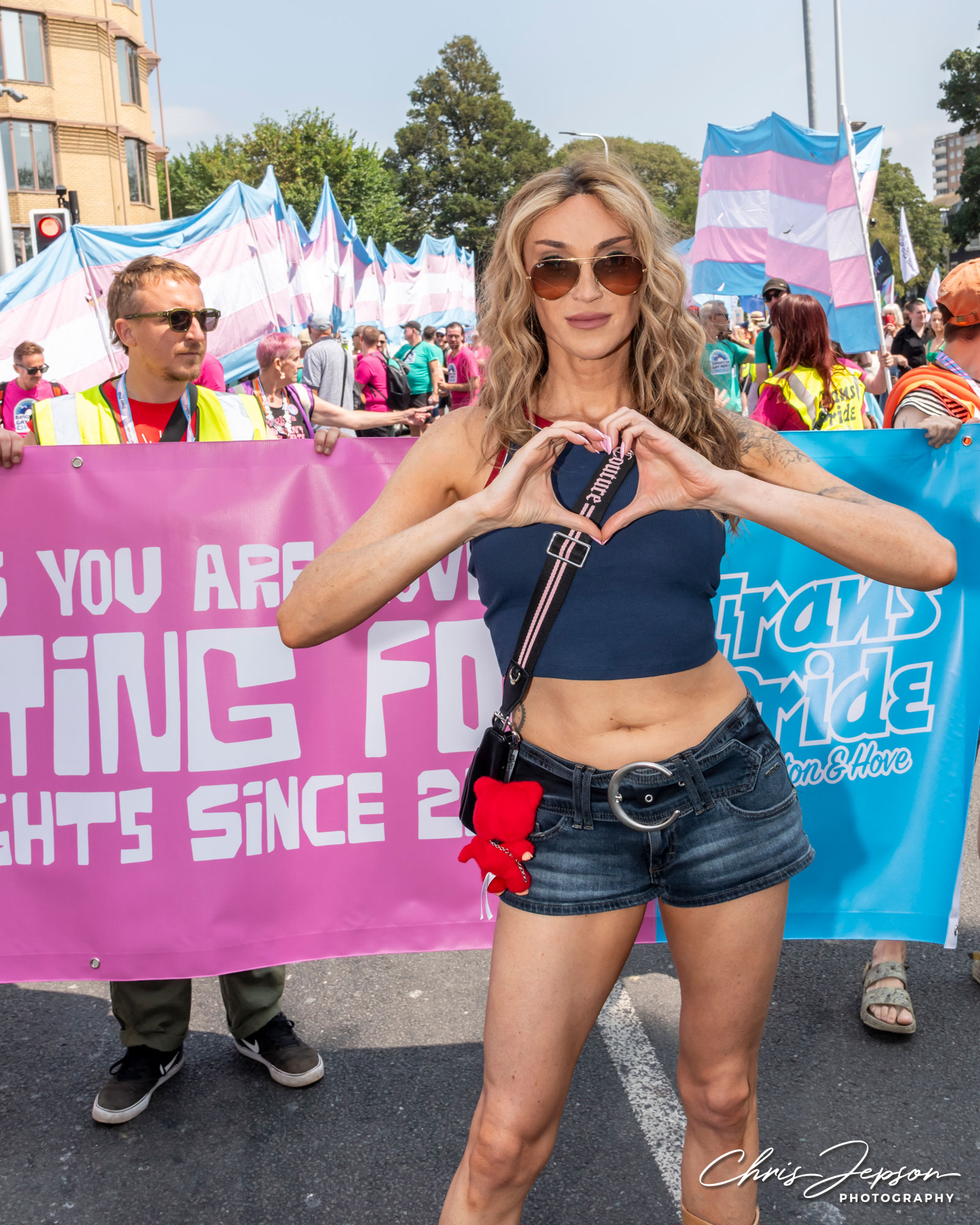
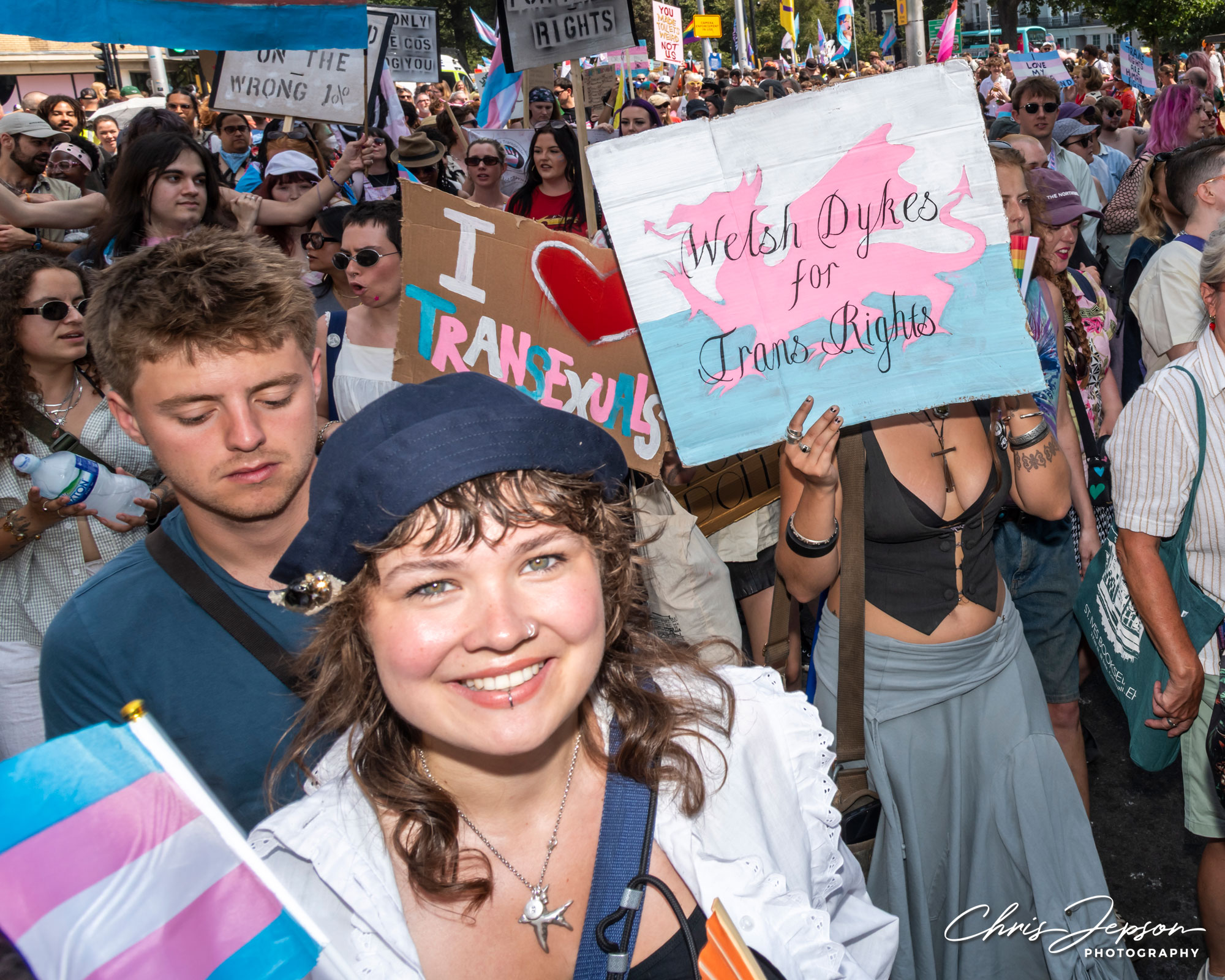
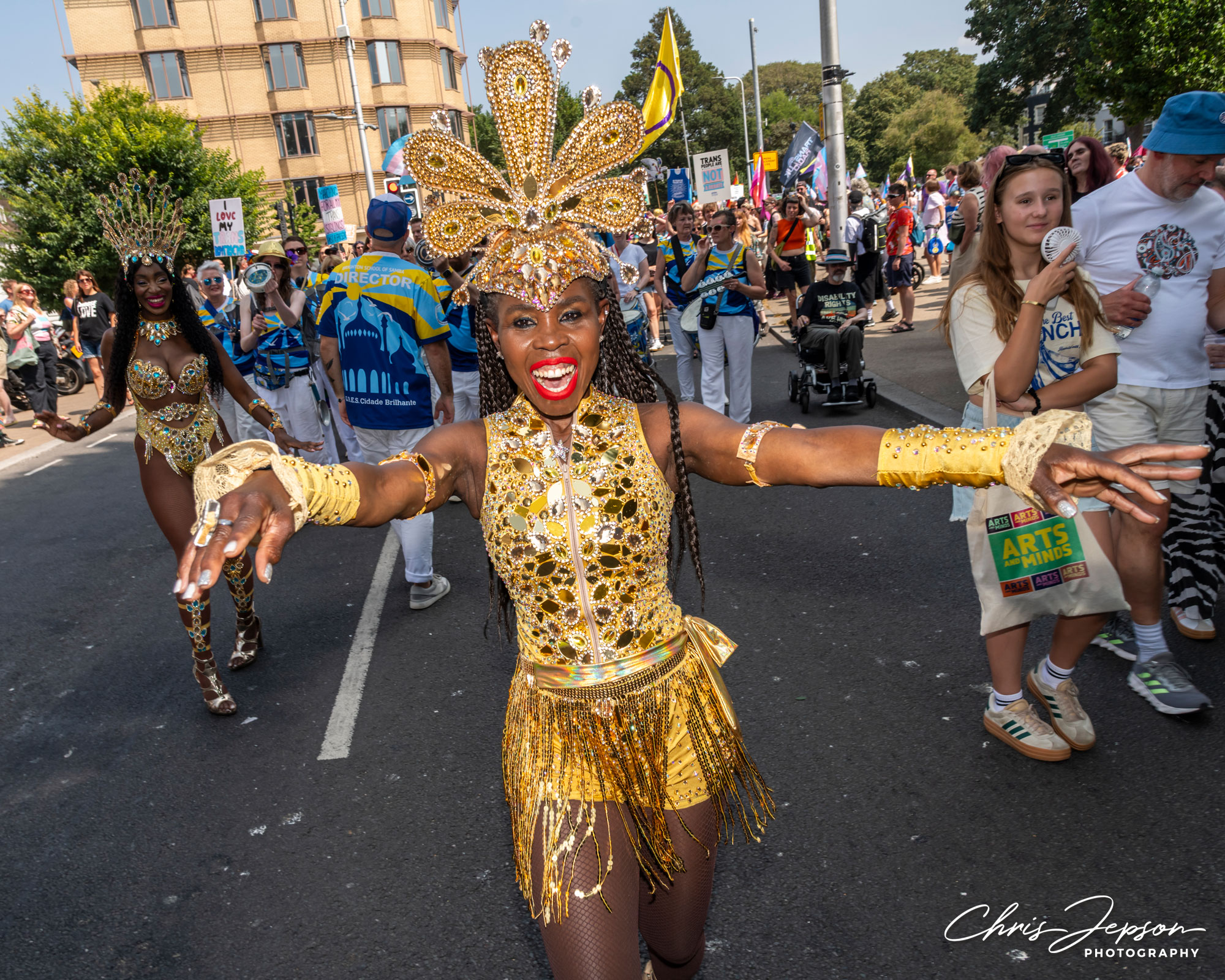
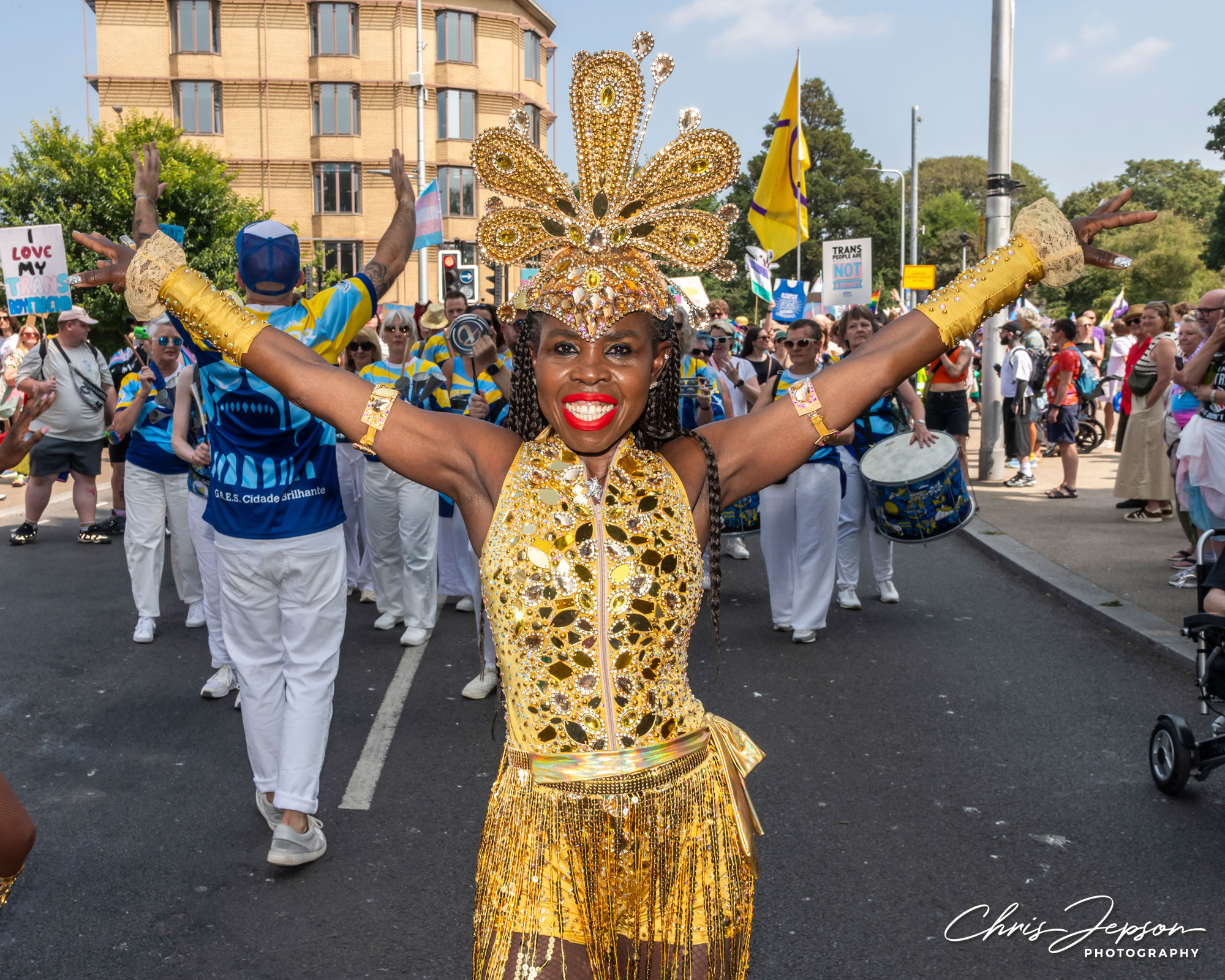
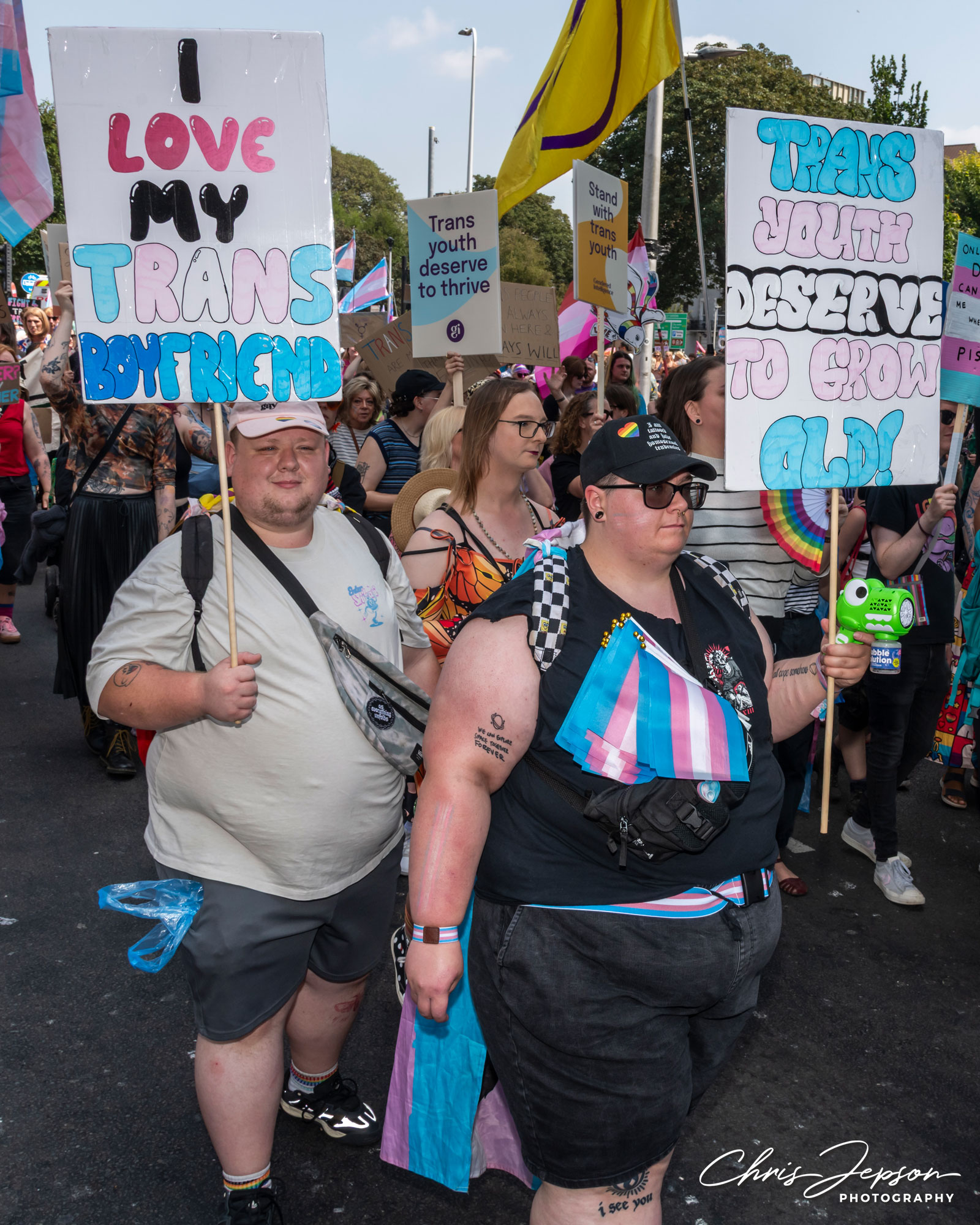
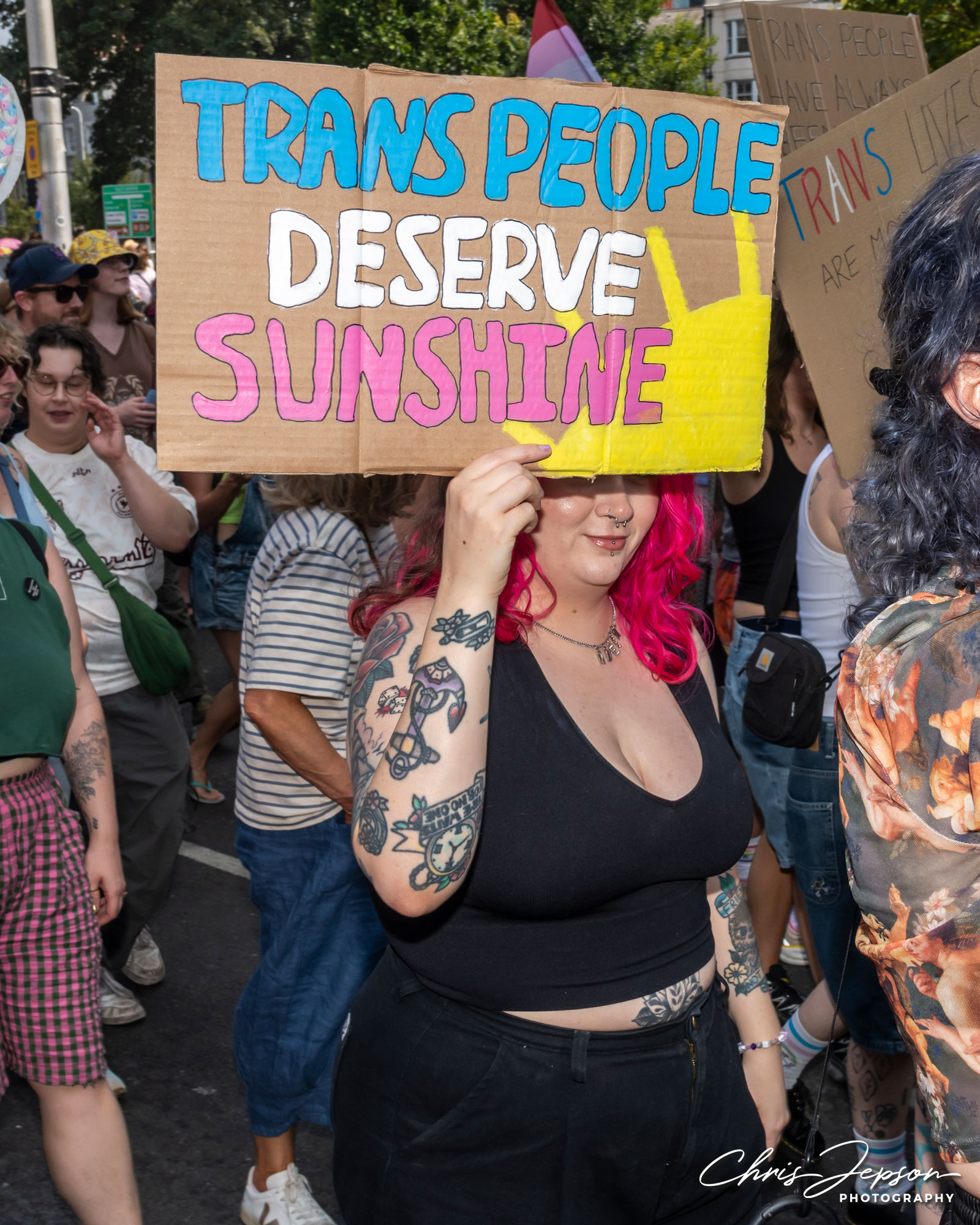
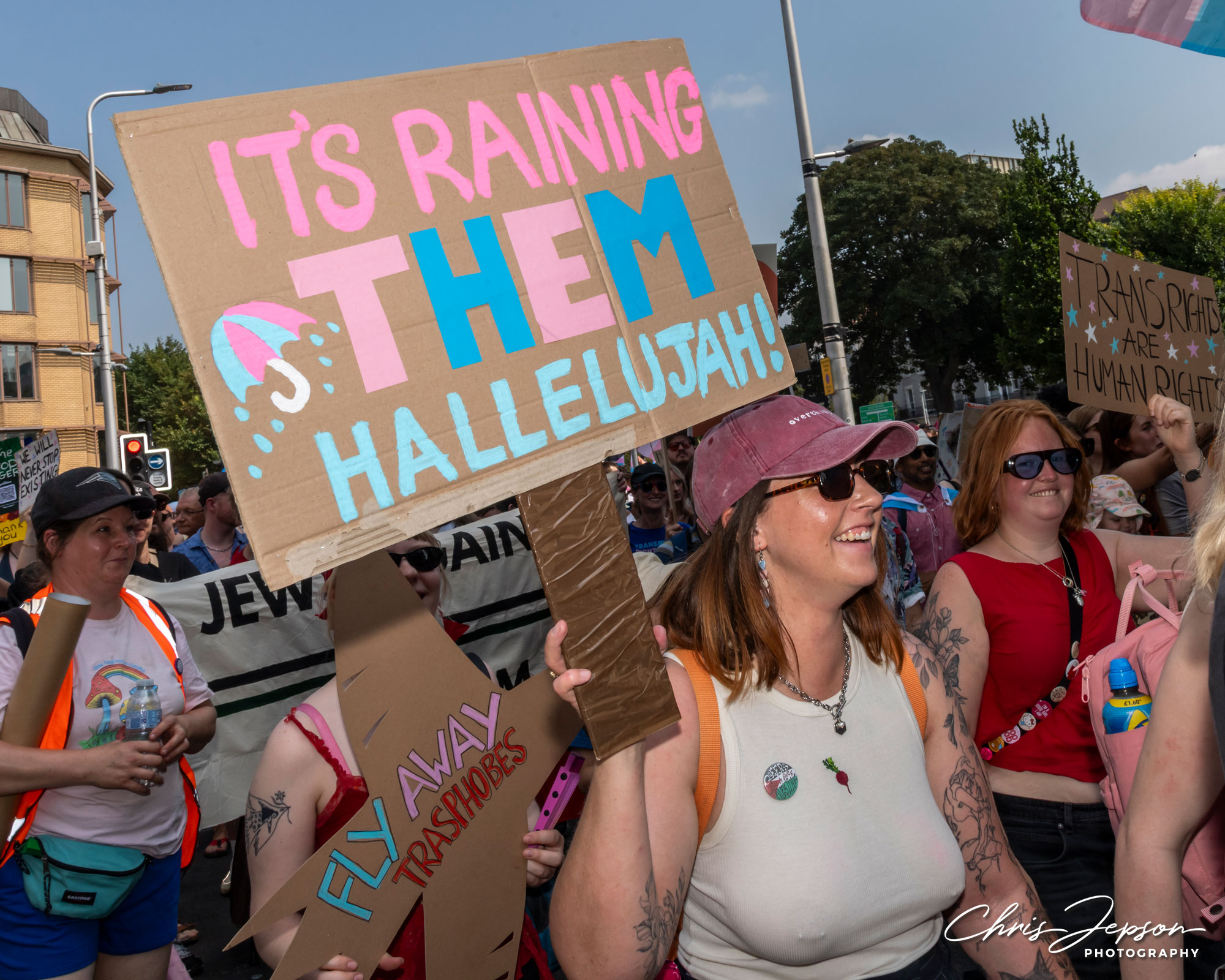
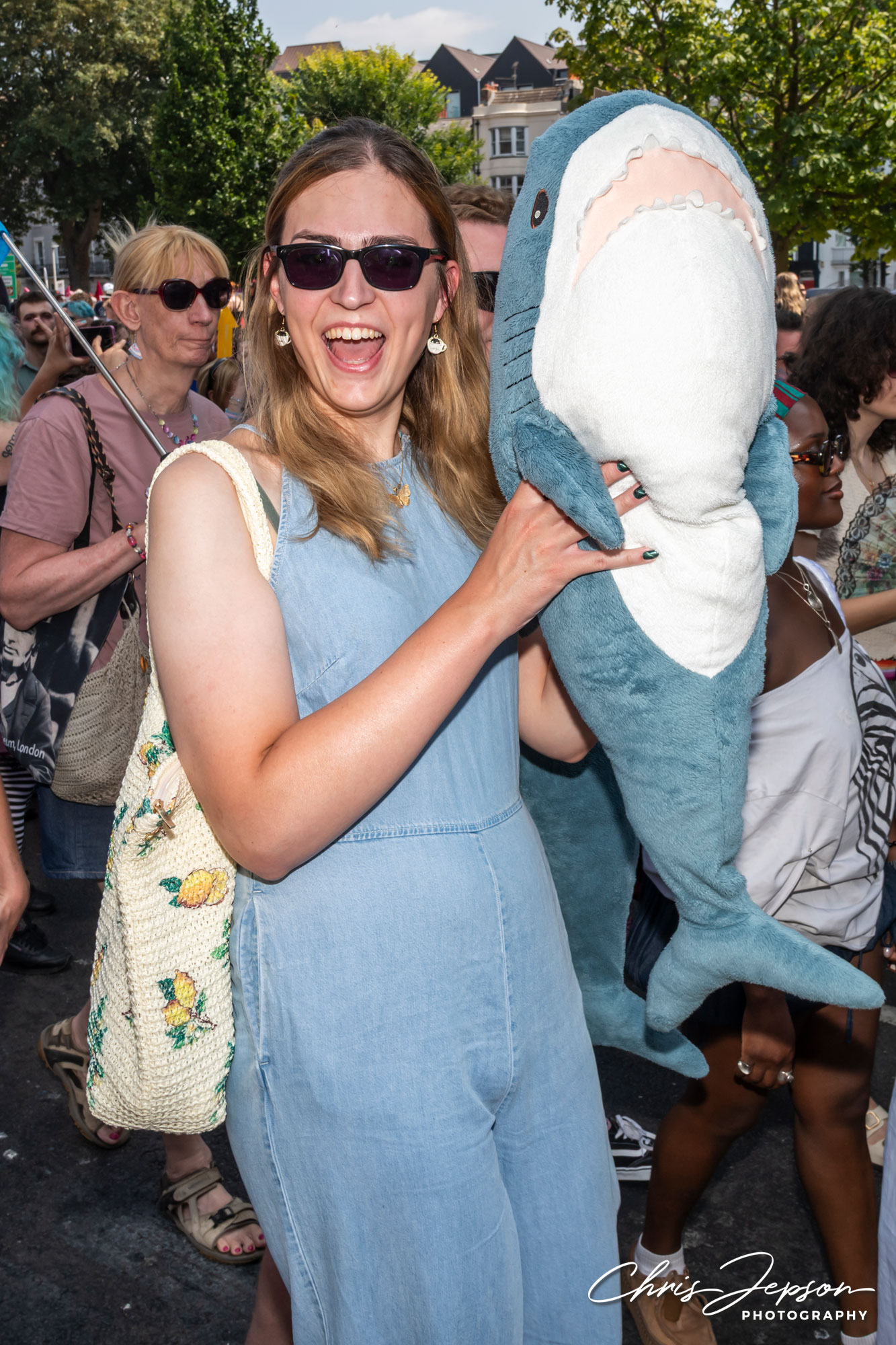
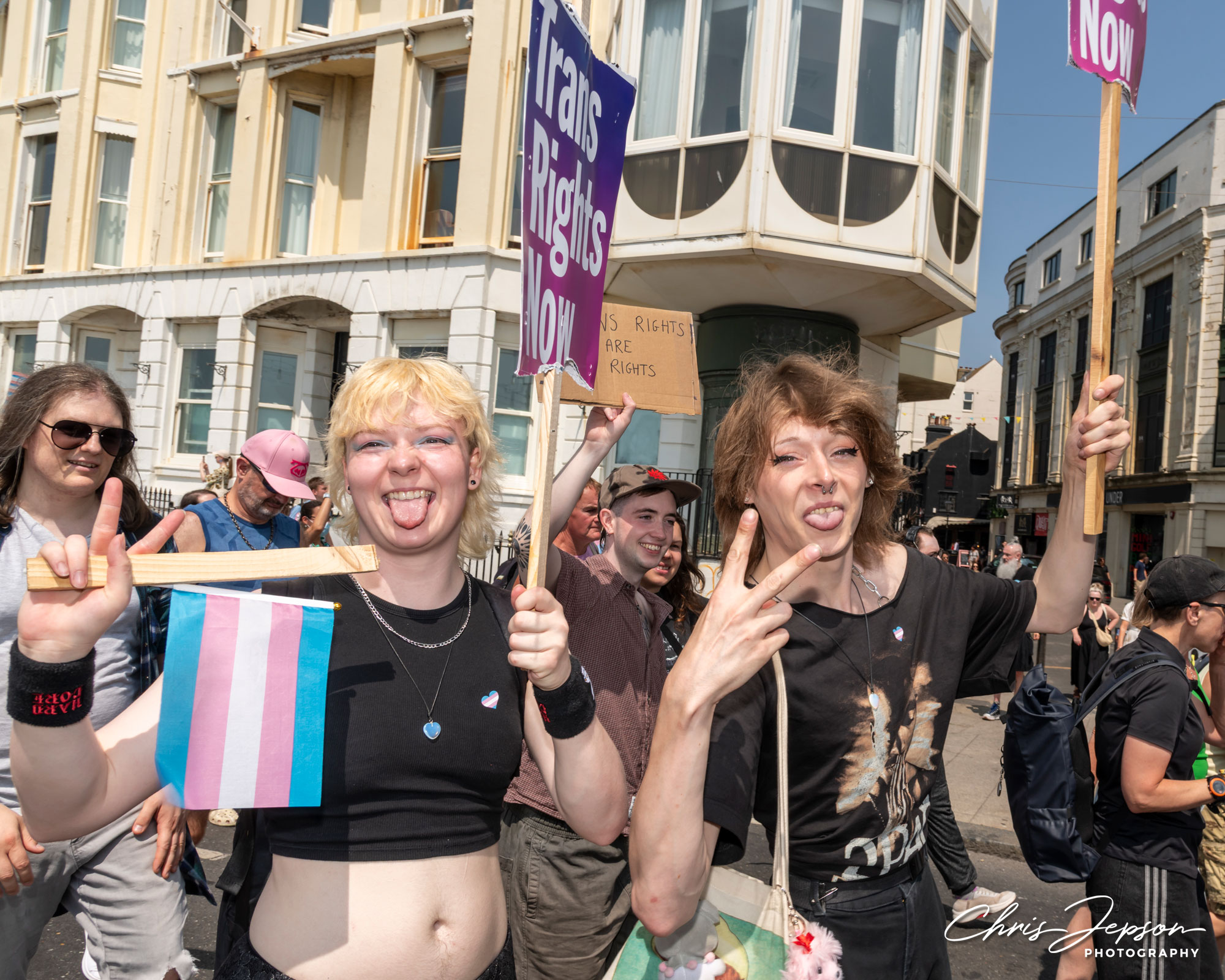
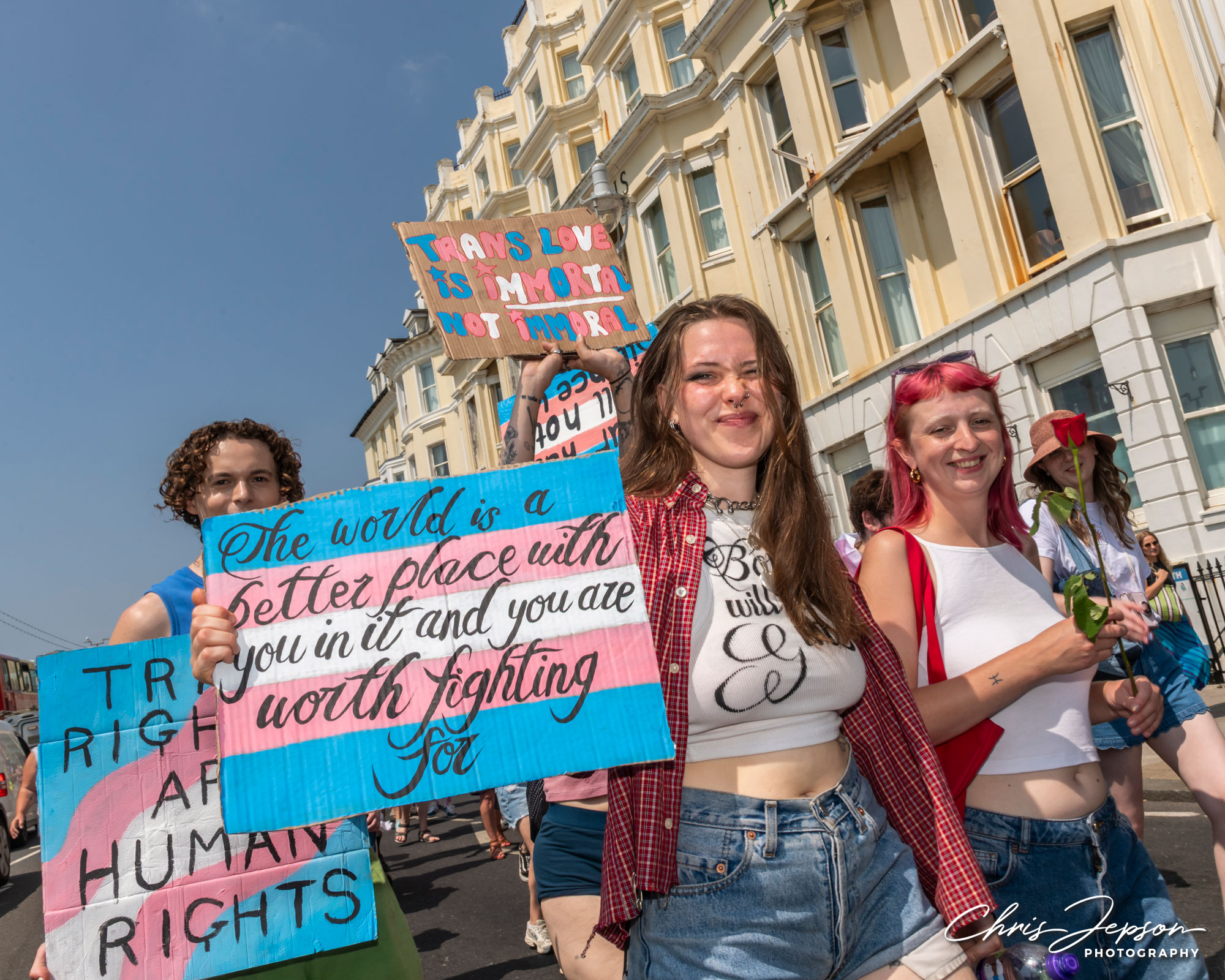
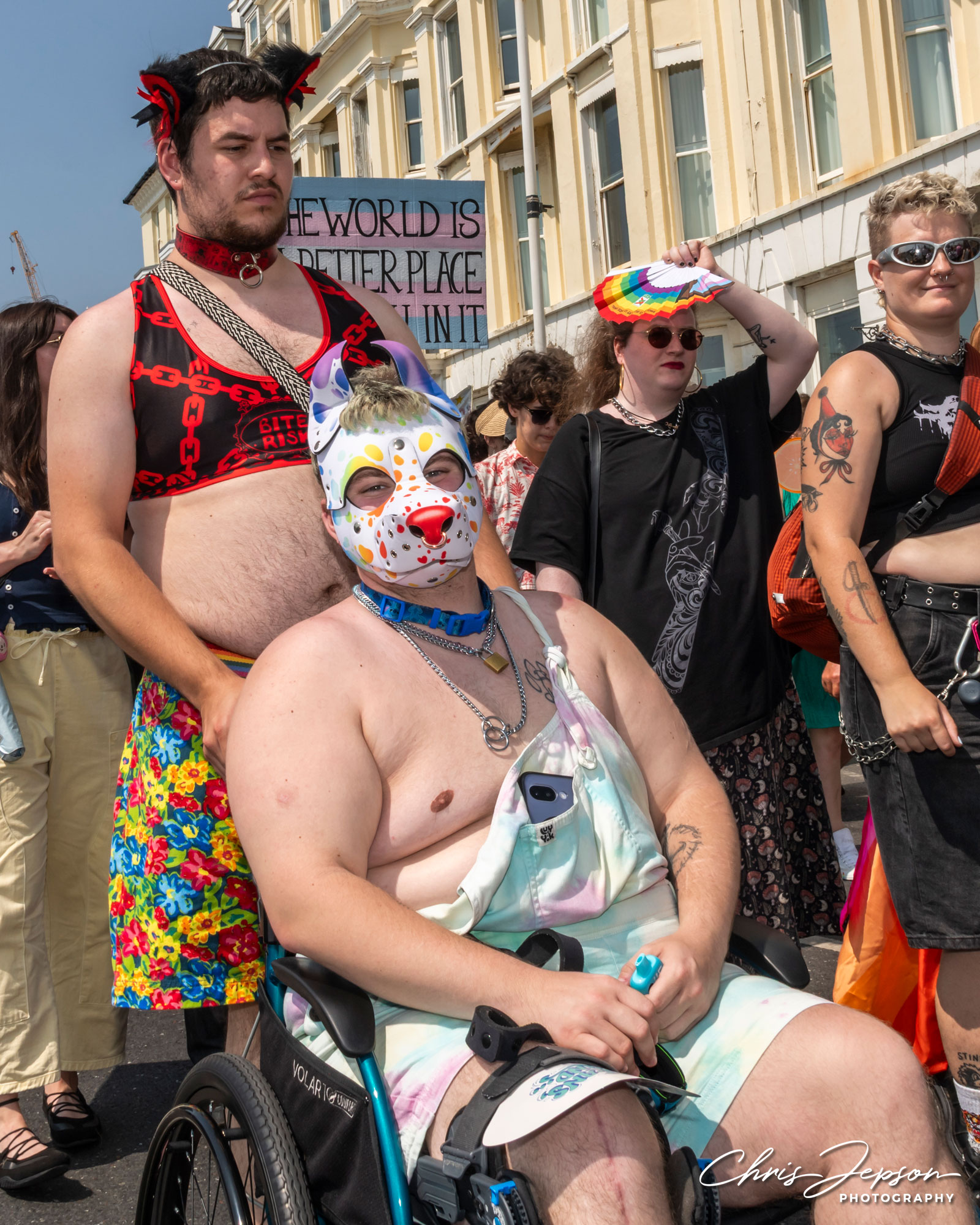
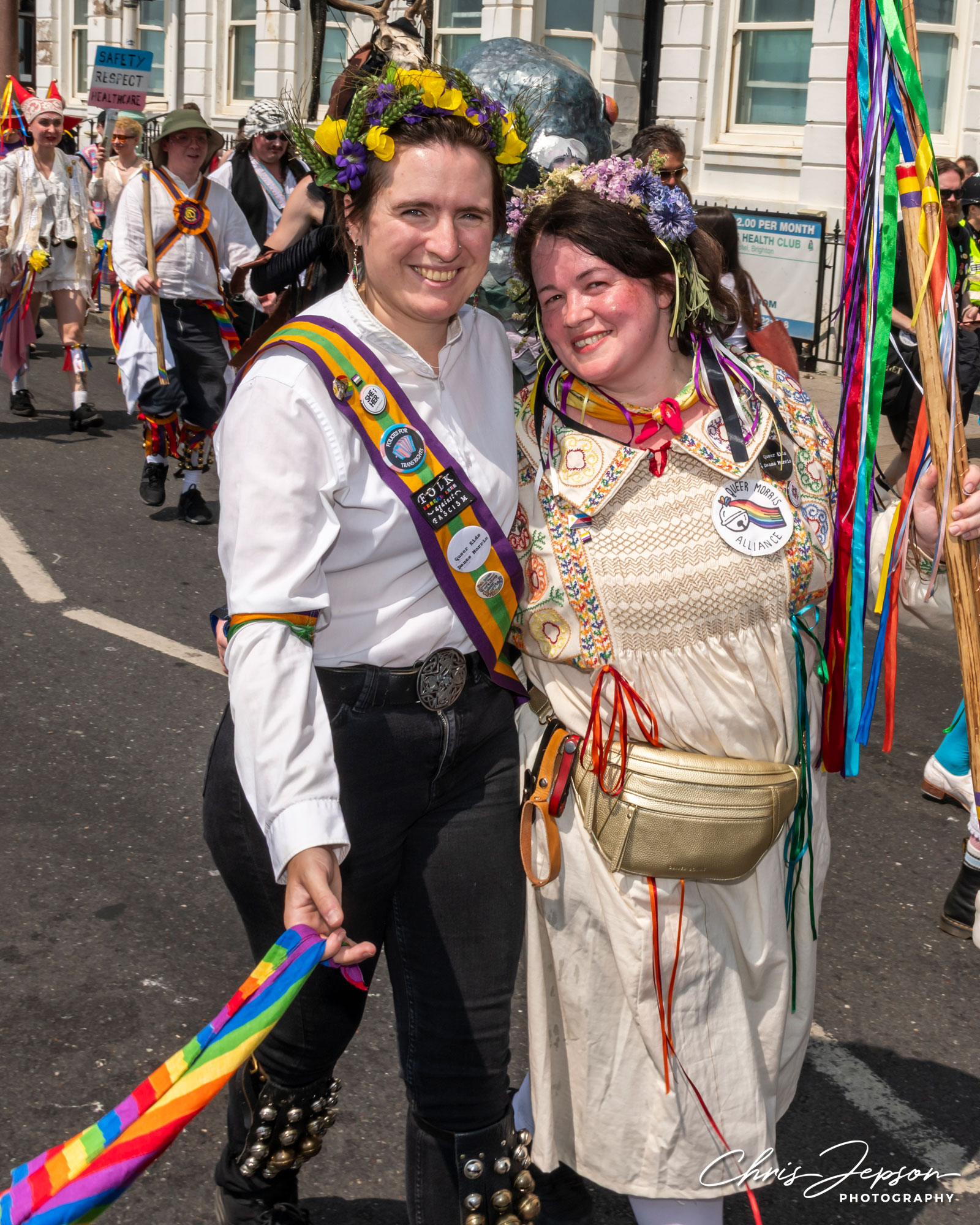
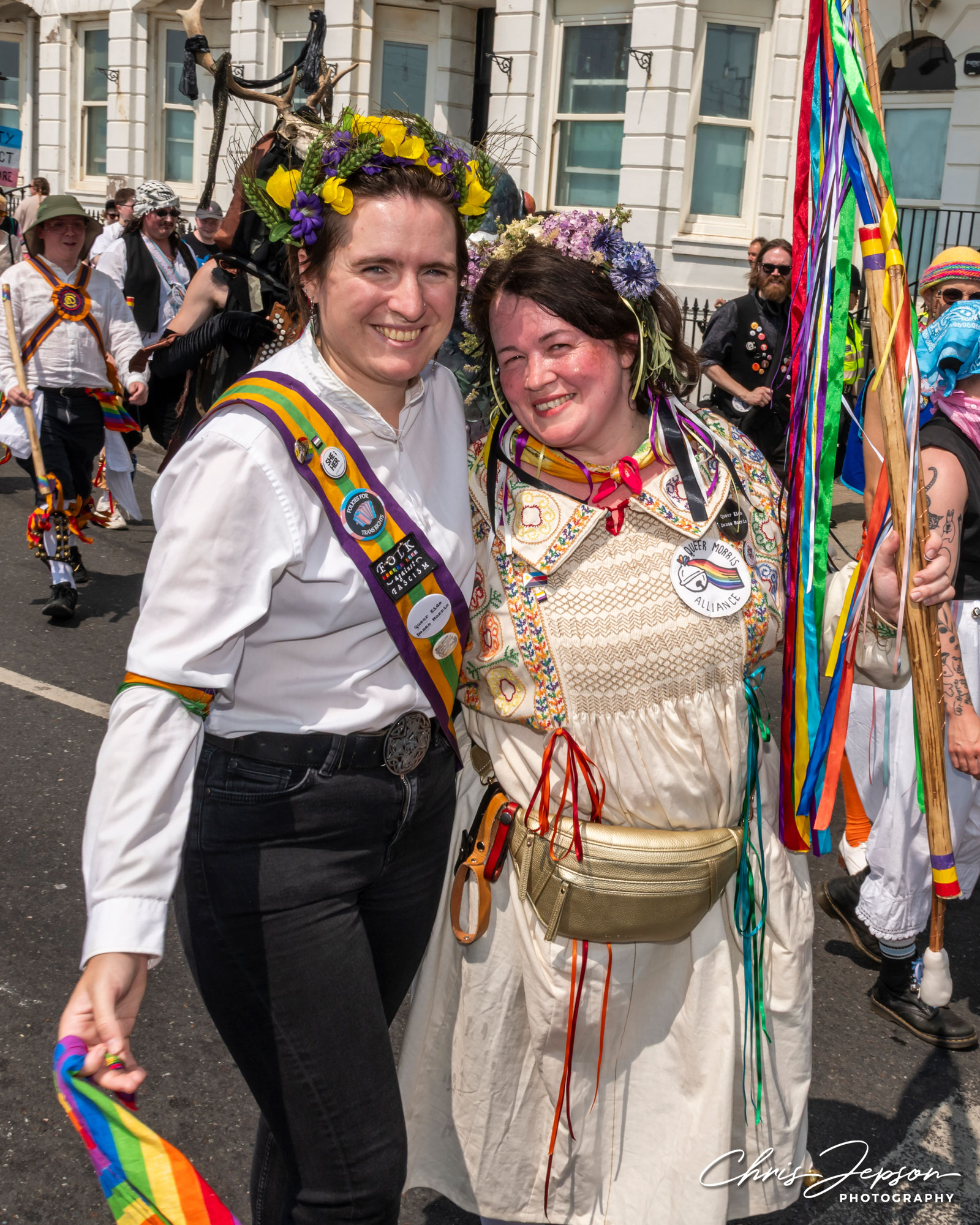
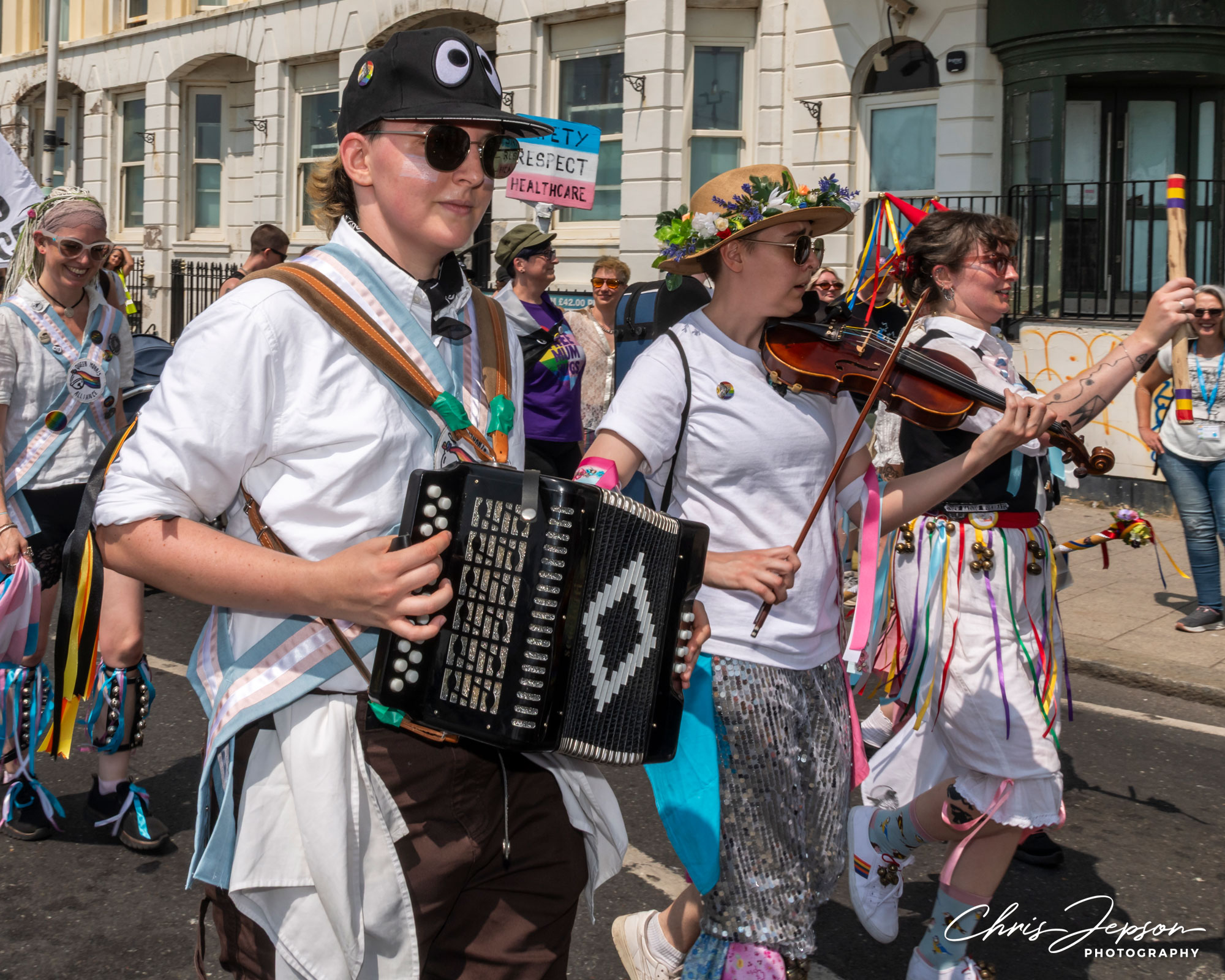
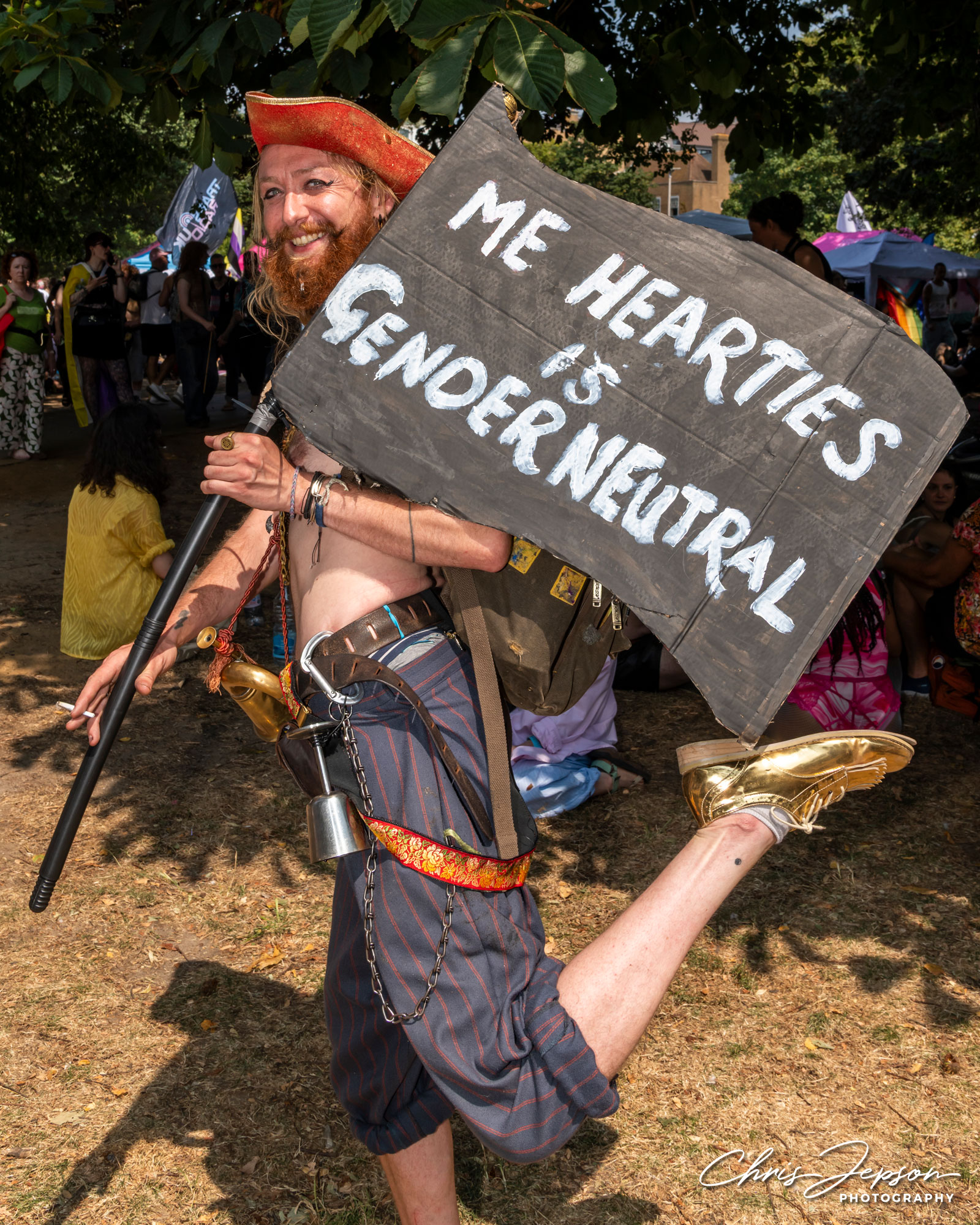
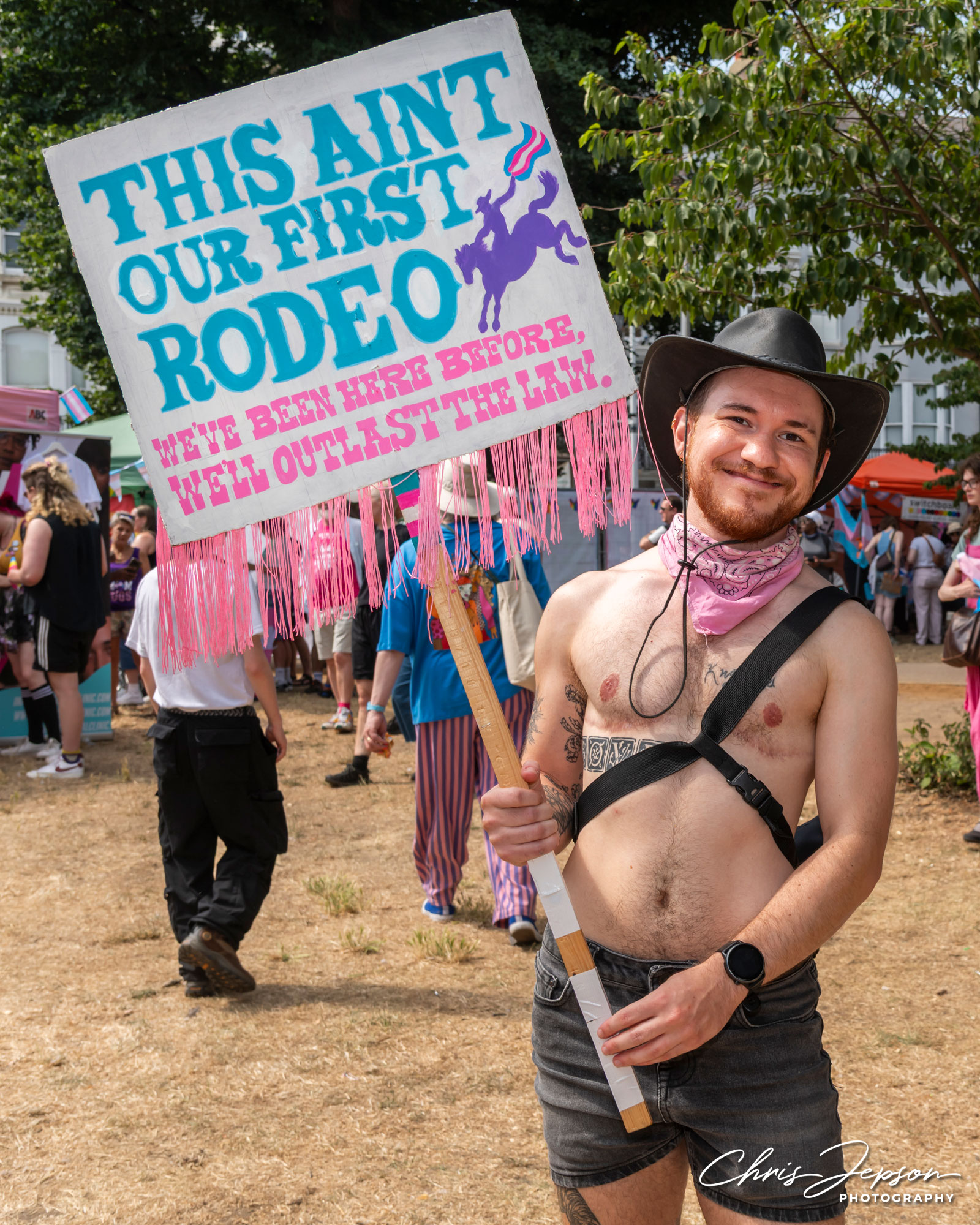
Protest and joy, together
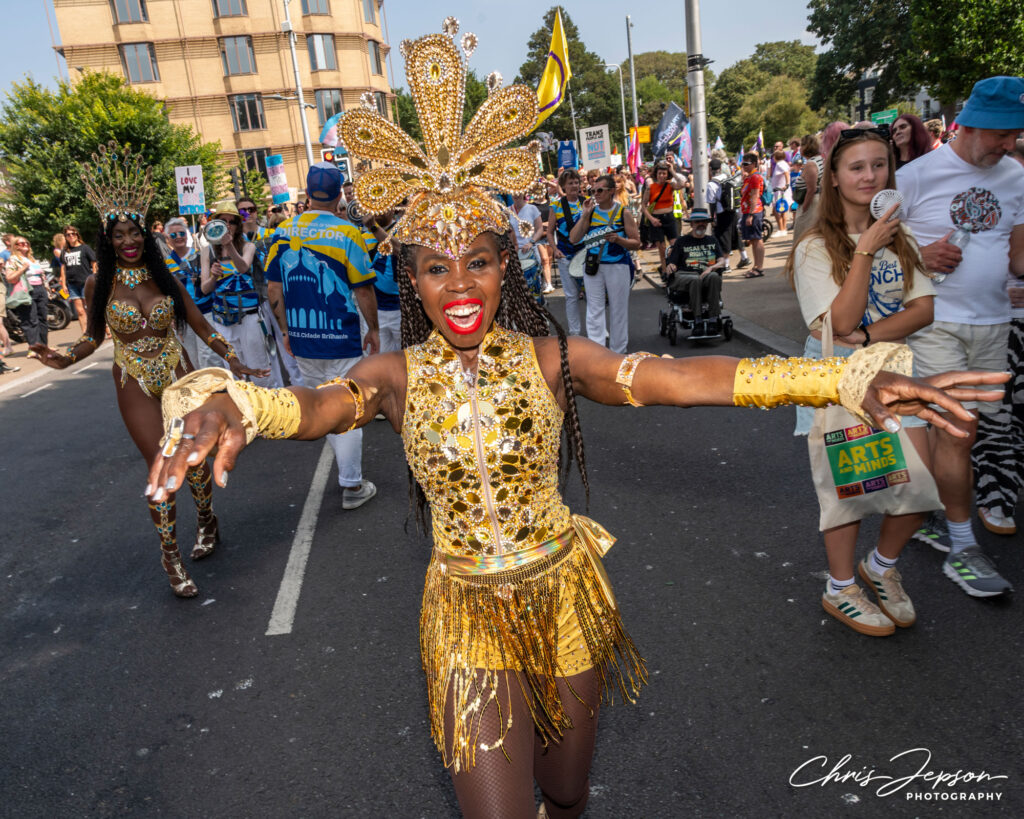
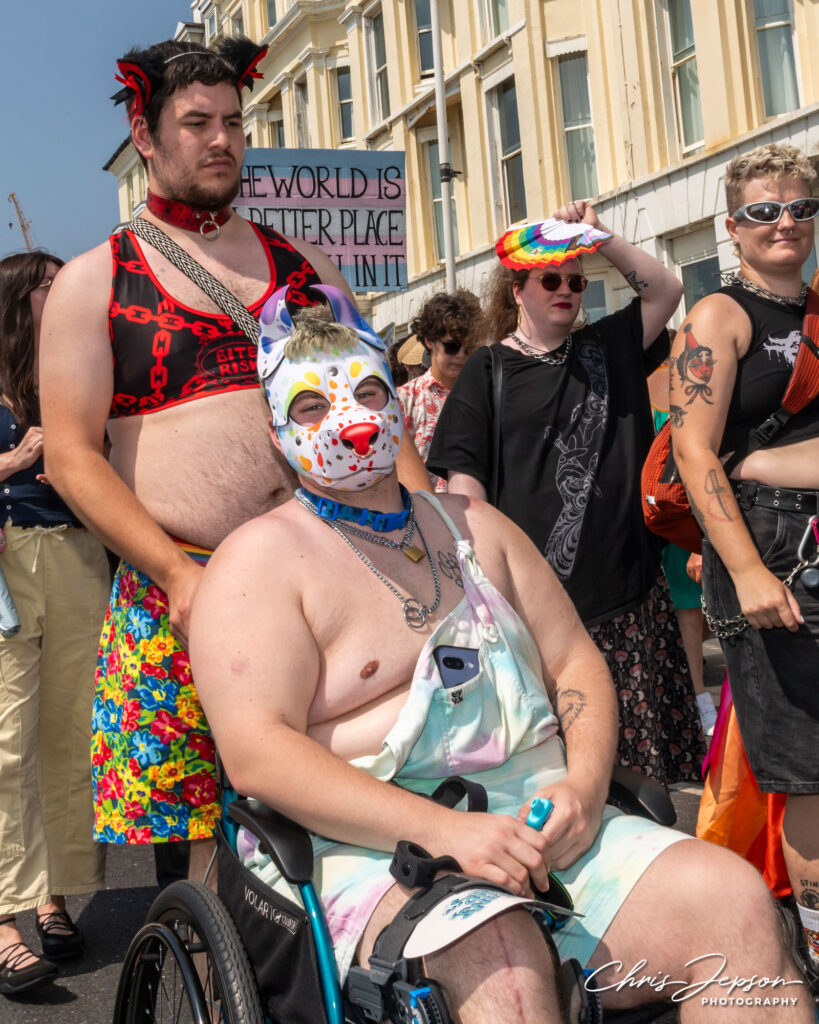
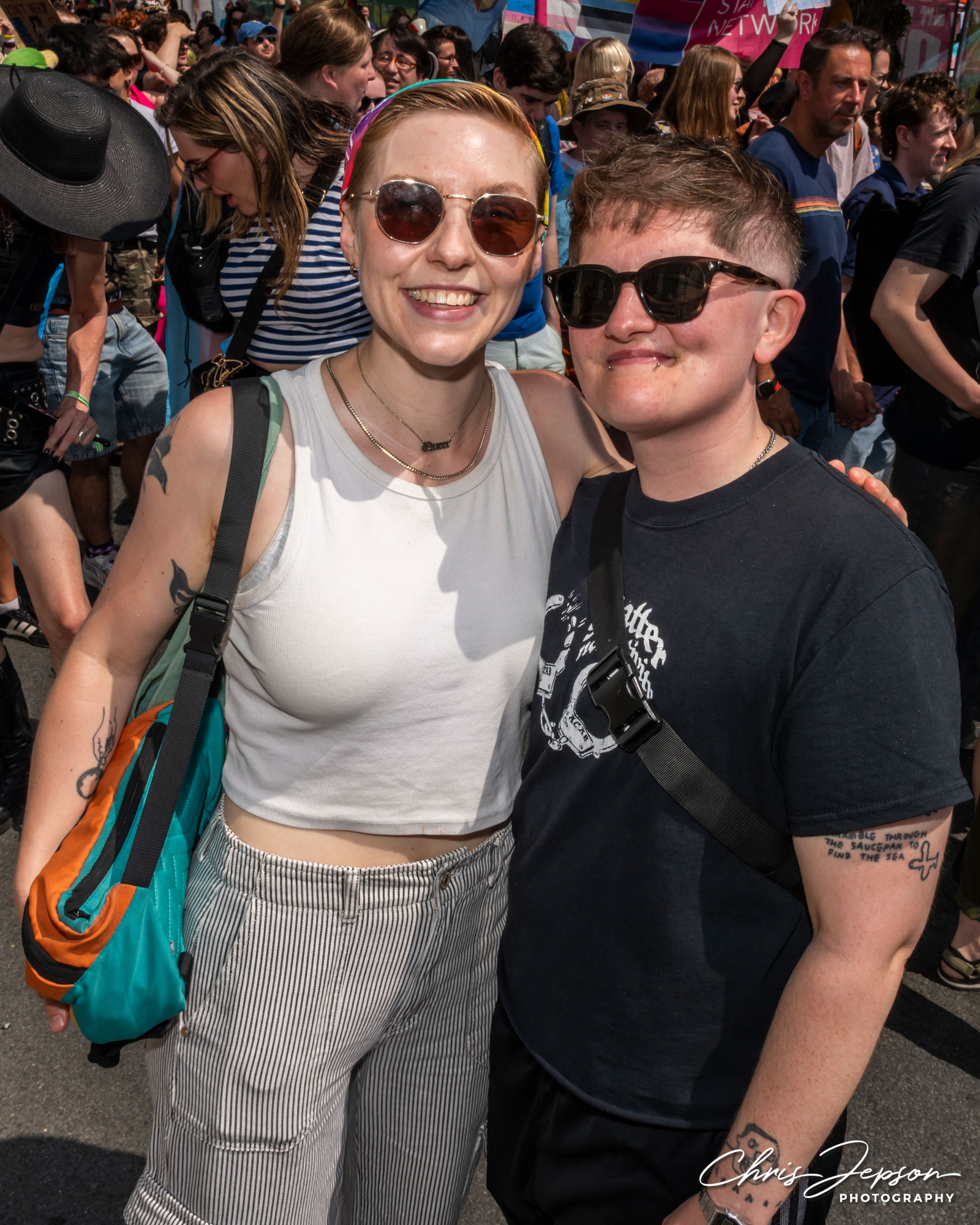
Trans Pride Brighton has never tried to keep the political and the celebratory apart. This year, organisers were blunt about where they stand: political parties remain banned from attending as representatives, a rule brought in last year after transphobic rhetoric from within party politics. Politicians who want to take part are asked to come as individuals, not as party representatives. Organisers pointed out that only a small fraction of MPs had signed a Commons motion opposing the current climate around trans rights, while keeping the day itself focused on joy rather than grievance.
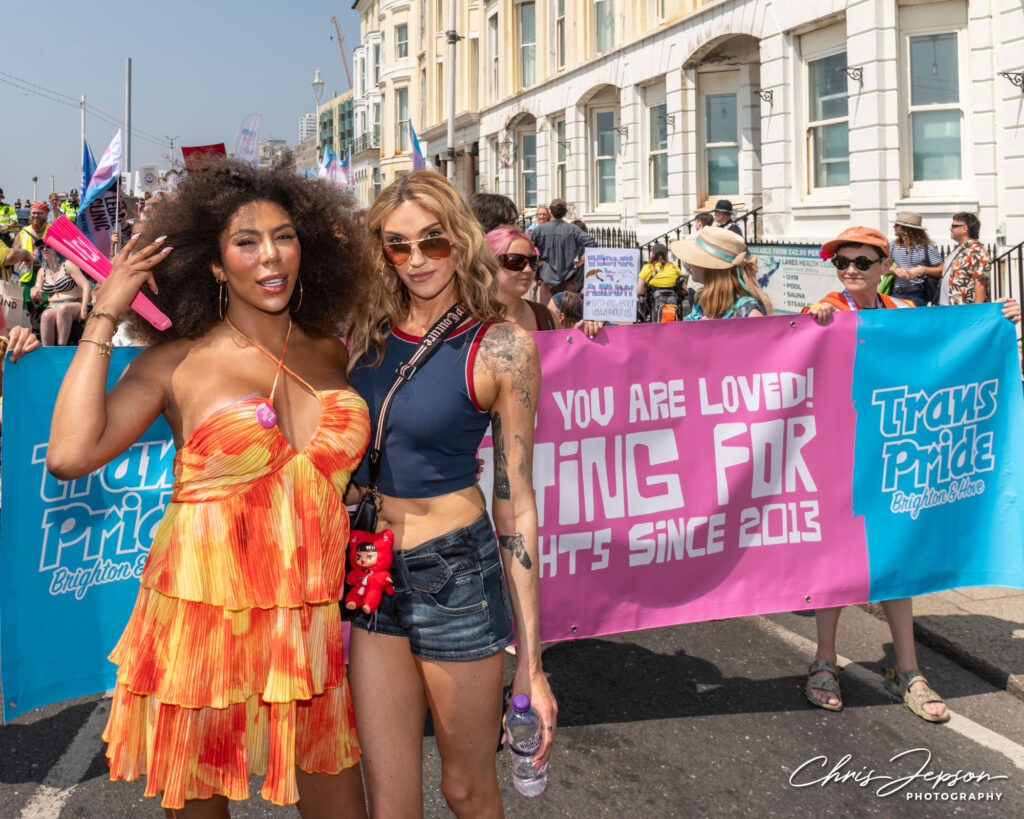
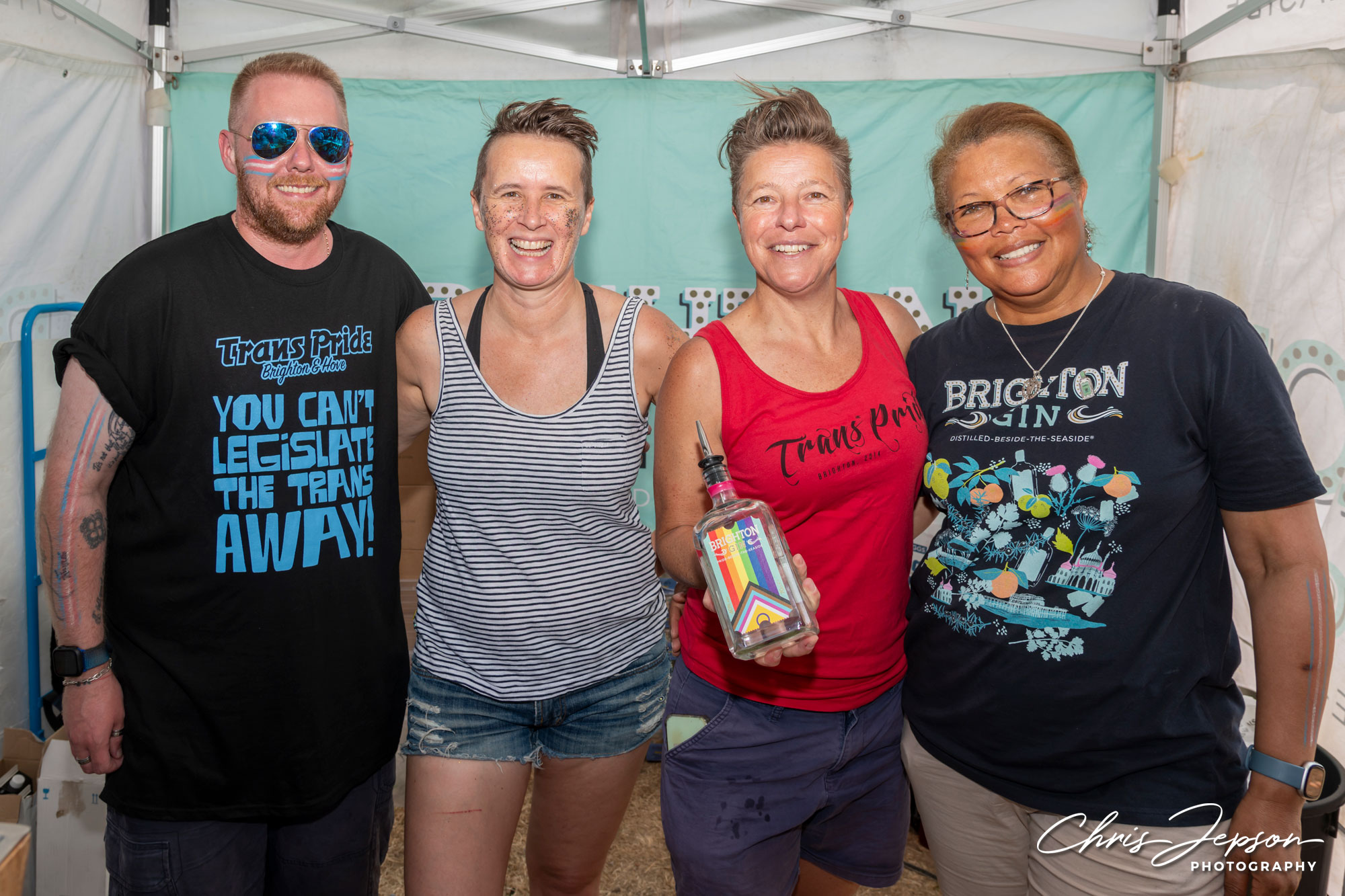
That balance, protest at the front and celebration through the rest of the day, is part of what’s kept the event going. It began in 2013 as the UK’s first trans-specific Pride, founded by Sarah Savage, Fox Fisher, Phoenix Thomas, Stephanie Scott and Sabah Choudrey. Thirteen years on, it draws tens of thousands of people and runs a year-round base at the Trans Pride Centre, a permanent community space for trans and non-binary people in the city.
Why it matters this year
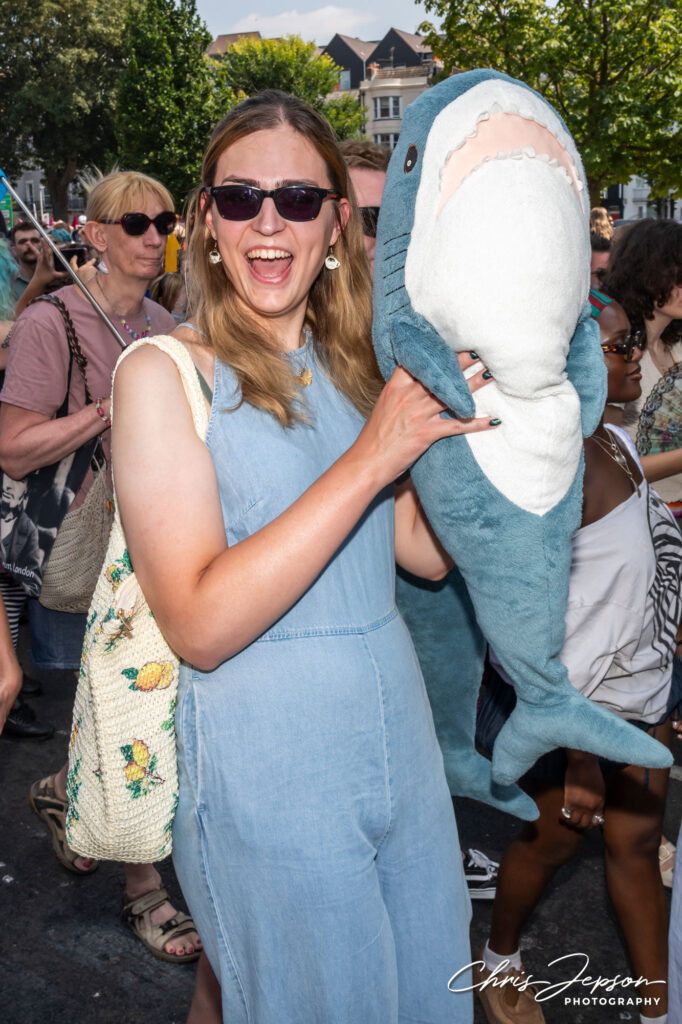
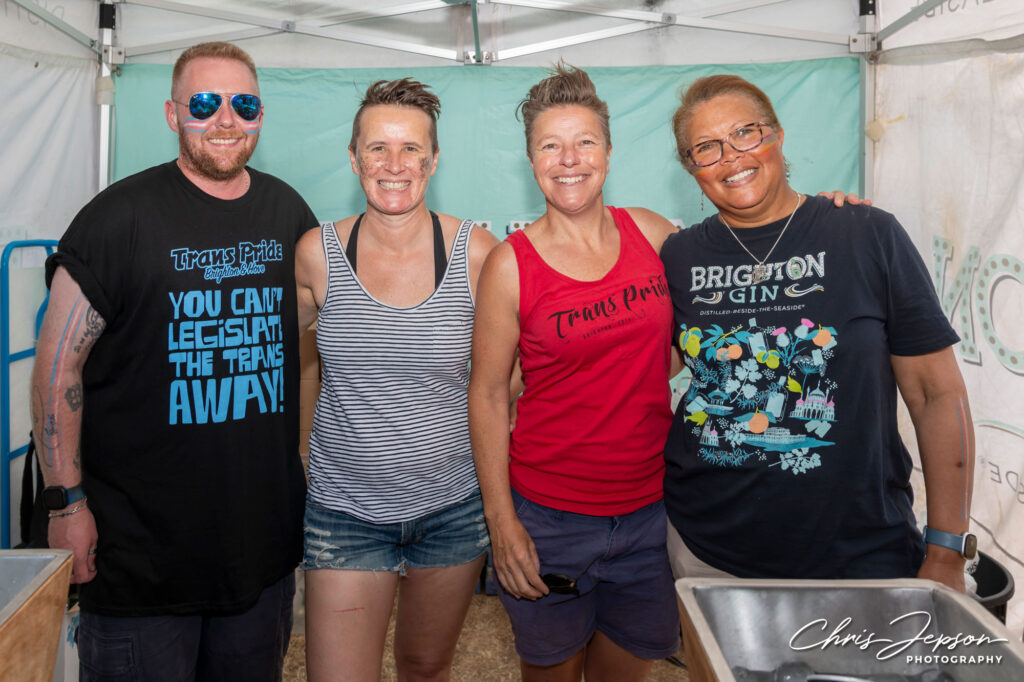
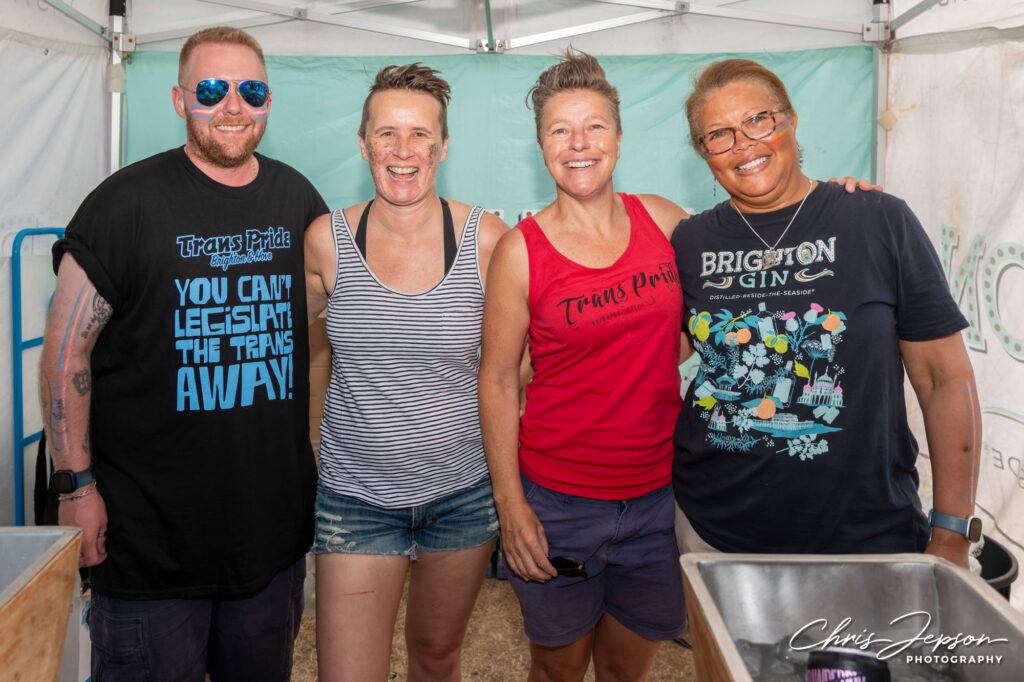
Every Trans Pride Brighton carries weight, but organisers said this one felt heavier than most, given the pressure trans people in the UK have faced around healthcare access and legal recognition in recent years. Against that backdrop, a free, family-friendly, entirely volunteer-run event that puts trans joy on public display in the middle of the city says something on its own.
For anyone working in Brighton’s creative and community sectors, the event is also a reminder of what grassroots organising can sustain for over a decade without losing its edge or its warmth. No corporate sponsors shaping the message, no softening of the politics to make it easier to swallow. Just a community, and the allies who turn up alongside it year after year, showing what solidarity looks like when it’s more than a hashtag.